Side-by-Side IQ Profile: Plott Hound vs. Tibetan Terrier
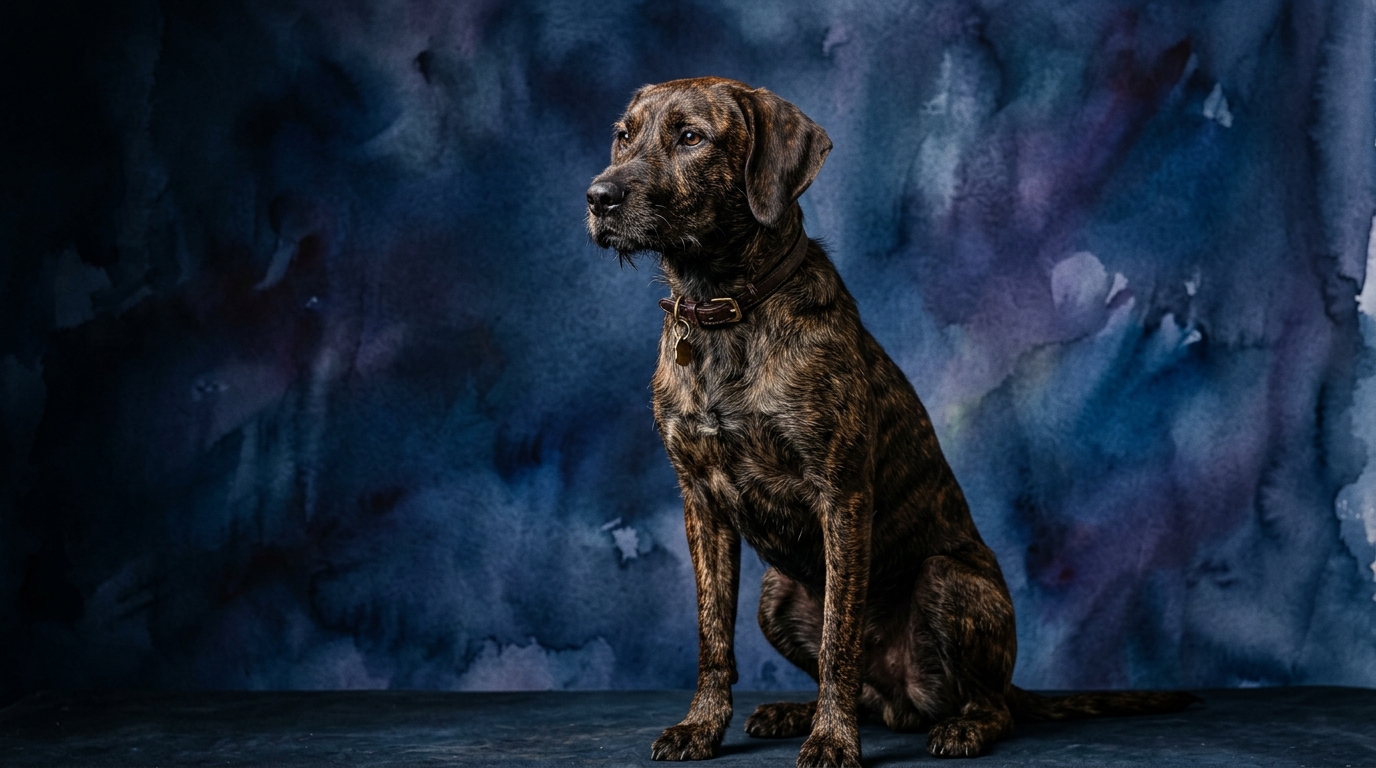
The Plott Hound exhibits its problem-solving acumen primarily in its original role: tracking game. This manifests as a resourceful determination to navigate complex terrain, overcome obstacles, and decipher intricate scent trails, requiring sustained focus and independent decision-making in the field rather than human-directed puzzles. Plotts possess a capacity to learn, yet their independent nature and powerful instinctive drives mean that training requires consistent motivation and a deep understanding of their hound mentality. They absorb commands but often weigh them against their own strong impulses, making patience and engaging methods crucial for effective instruction. While deeply loyal and affectionate with their family, Plott Hounds' social intelligence often centers on pack dynamics and their immediate human circle. Their focus can shift intensely to environmental stimuli, particularly scents, potentially making them less attuned to subtle human emotional cues when engrossed in a task. This breed's instinctive drive is profoundly rooted in its tracking heritage, exhibiting a powerful desire to follow a scent trail with unwavering persistence. This manifests as a strong prey drive and an innate urge to explore and investigate, making their environment a constant source of engagement for their senses. Plott Hounds demonstrate a robust memory for routes, territories, and, most notably, scent profiles, allowing them to recall specific game trails or familiar paths. Their recall for arbitrary verbal commands might be less instantaneous when a compelling scent distraction is present, yet they retain learned behaviors with consistency.
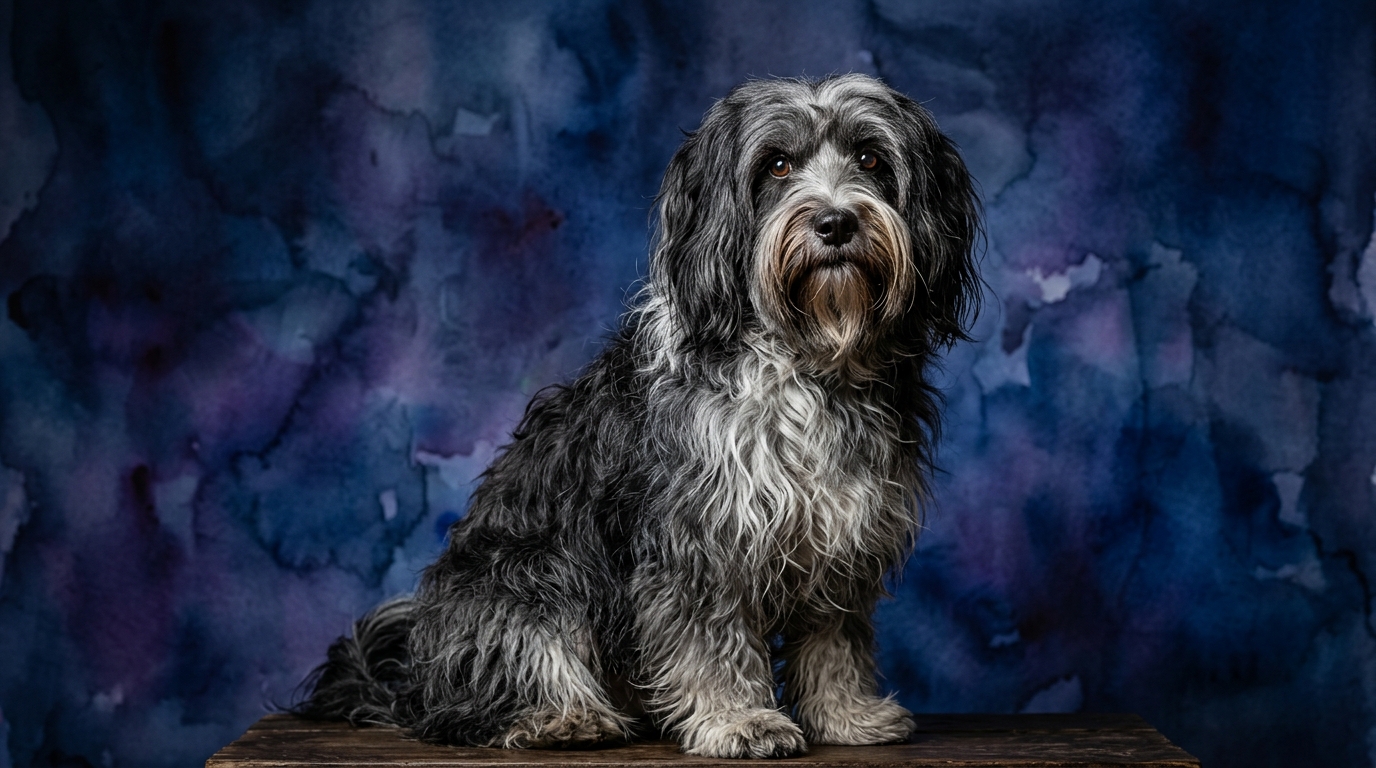
The Tibetan Terrier approaches problem-solving with a clever, often self-serving ingenuity, frequently figuring out how to manipulate objects for comfort or access forbidden treats. They excel at observation and adapting strategies to achieve desired outcomes within a domestic setting, sometimes employing subtle tactics to get their way. Tibetan Terriers show a good aptitude for learning new commands and routines, responding well to positive reinforcement and engaging training sessions. While they can pick up tasks with reasonable speed, their independent streak and occasional stubbornness mean that consistency and making training fun are key to maintaining their cooperation. These dogs exhibit a sophisticated social intelligence, being highly attuned to the nuances of human emotion and family dynamics. They often act as sensitive companions, capable of reading moods and adapting their behavior to suit the household atmosphere, making them empathetic and responsive family members. The Tibetan Terrier's instinctive drive leans towards companionship, guardianship, and a keen awareness of their surroundings, stemming from their historical role as sentinel dogs. While they possess a moderate prey drive, it's typically less intense and persistent than a hound's, focusing more on alerting to novelties rather than sustained pursuit. Tibetan Terriers possess a solid memory for routines, learned behaviors, and the people and places they encounter regularly. They remember both positive and negative experiences, which informs their future interactions and responses, making early positive socialization particularly impactful for their long-term temperament.
Where the Plott Hound Wins Cognitively
The Plott Hound's cognitive strengths truly shine in environments that demand independent thought and persistent sensory engagement. Their unmatched ability to interpret and follow intricate scent trails, often over vast distances and varied terrain, showcases a sophisticated form of problem-solving deeply tied to their primal purpose. This isn't about solving a puzzle box for a treat, but about autonomously navigating and making decisions in complex, dynamic natural settings, demonstrating a unique form of applied intelligence that few breeds can rival. Their memory for specific scents and geographical features is exceptionally developed, allowing them to retrace steps or relocate specific targets with impressive accuracy and tenacity.
Where the Tibetan Terrier Wins Cognitively
Conversely, the Tibetan Terrier's cognitive advantages are most evident in their social and adaptive intelligence within a human household. They exhibit a remarkable capacity for reading subtle human cues, understanding complex social dynamics, and adapting their behavior to fit various situations, making them exceptionally intuitive companions. Their problem-solving often manifests as clever strategies for interaction, such as figuring out how to gain attention or communicate needs effectively without direct commands. This nuanced understanding of their human environment, combined with a keen observational memory for routines and preferences, allows them to integrate seamlessly into family life, often anticipating needs before they are explicitly expressed.
Which is Easier to Train and Why?
Determining which breed is 'easier' to train is less about raw intellectual capacity and more about aligning training methods with their inherent motivations and behavioral patterns. The Plott Hound, with its powerful instinctive drive for tracking and independent decision-making in the field, can present a challenge for owners who don't understand their breed-specific tendencies. Their training speed, while adequate, is often tempered by their inclination to prioritize an intriguing scent over a human command, requiring immense consistency, high-value rewards, and a patient approach that acknowledges their independent spirit. Training a Plott often means channeling their natural drives into constructive activities, rather than trying to suppress them, making it a more involved process.
The Tibetan Terrier, while scoring similarly in training speed, often responds more readily to positive reinforcement due to their strong desire for companionship and approval from their family. However, their cleverness and occasional stubbornness mean they can become bored with repetitive drills or attempt to 'negotiate' commands if not engaged. They learn quickly but require an owner who can make training fun, varied, and consistent, appealing to their social nature and desire for mental engagement. Therefore, for an owner seeking a more responsive companion in a typical domestic setting, the Tibetan Terrier might feel 'easier' to train, provided their independent streak is managed with engaging methods, whereas the Plott Hound demands an owner dedicated to understanding and harnessing a powerful, independent working drive.
Which Suits Active Owners vs. Relaxed Owners?
For the truly active owner, especially one who enjoys outdoor adventures, scent work, or hunting, the Plott Hound is an ideal match. Their boundless energy, stamina, and inherent drive mean they thrive with consistent, vigorous exercise and mental stimulation that taps into their tracking instincts. A 'relaxed' owner who cannot provide ample outlets for their physical and mental energy will likely find a Plott Hound to be a challenging companion, as their unmet needs can lead to restless behaviors. Conversely, the Tibetan Terrier offers a more adaptable energy level, suiting owners who are active but also appreciate periods of calm companionship. While they enjoy walks, play, and mental challenges, their exercise needs are generally moderate compared to a working hound. They are equally content snuggling on the couch after a good play session, making them a better fit for owners who desire a dynamic companion capable of both activity and relaxation within a home environment. Their adaptability allows them to slot into various lifestyles, from moderately active to more relaxed, provided they receive consistent attention and mental engagement.
The Verdict
Choose a Plott Hound if you are an active, dedicated owner eager to engage with a dog whose primary drive is independent tracking and scent work, willing to invest significant time in channeling their instincts and providing extensive outdoor activity. They are best for those who appreciate a resilient, self-reliant canine partner in rugged pursuits.
Opt for a Tibetan Terrier if you seek a highly social, adaptable, and clever companion who thrives on close family interaction, enjoys varied mental stimulation, and can balance playful energy with relaxed companionship. They are suited for owners who can appreciate their independent streak and engage them with consistent, positive training.
🧠 Find Your Pet's IQ Score
Our Pet IQ Lab assessment covers 25+ tests across 5 cognitive dimensions — personalized to your breed.
Take the Full IQ Test →Frequently Asked Questions
Do Plott Hounds make good family pets despite their strong hunting drive?
Yes, Plott Hounds can be wonderful family pets, deeply loyal and affectionate with their pack members. However, their strong hunting drive necessitates secure containment and consistent training to manage their instincts, ensuring they are provided with appropriate outlets for their energy and scenting abilities to thrive in a domestic setting.
Are Tibetan Terriers prone to stubbornness during training?
Tibetan Terriers can indeed exhibit a streak of independence and occasional stubbornness, a common trait among breeds developed for companionship and sentinel roles rather than strict obedience. Successful training relies on positive reinforcement, making sessions fun and varied, and establishing clear, consistent expectations to keep them engaged and cooperative.
How do the exercise needs of these two breeds compare?
Plott Hounds possess high exercise requirements, needing extensive daily physical activity, ideally involving scent work or long, vigorous outings to satisfy their hound instincts and stamina. Tibetan Terriers have moderate exercise needs, enjoying daily walks and playtime, but are generally more adaptable to various activity levels within a home, able to transition between energetic play and relaxed companionship.