Side-by-side IQ Profile
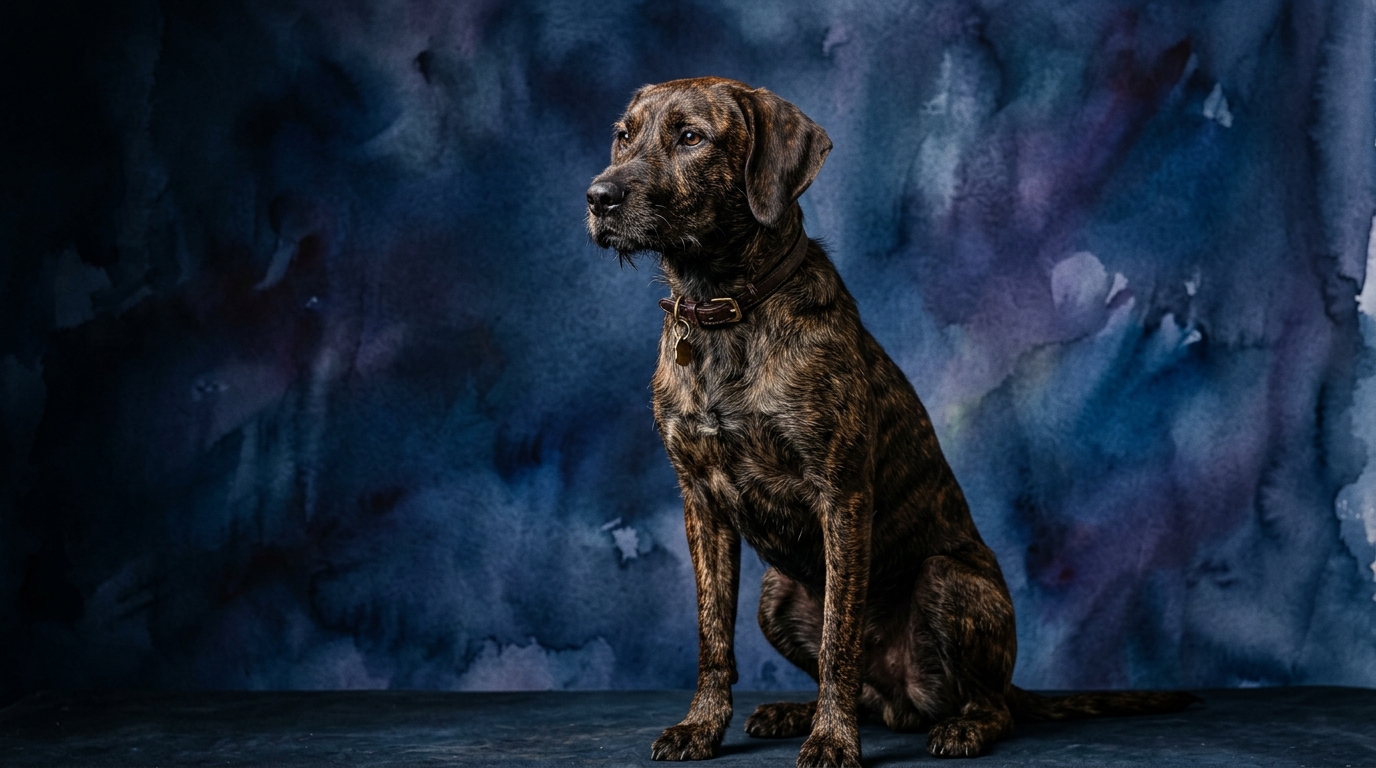
Originating as a tenacious bear and wild boar hound, the Plott Hound's cognitive makeup reflects its working heritage. Their Problem Solving (3/5) centers on navigating challenging terrains and unraveling scent puzzles, requiring sustained focus rather than quick, abstract leaps. Training Speed (3/5) indicates a moderate pace for acquiring new commands, often tempered by their independent nature and preference for following a compelling trail over human instruction. Their Social Intelligence (3/5) suggests a capacity for connection, yet often with a reserved independence that prioritizes their own objectives. The Instinctive Drive (3/5) is powerfully channeled into tracking and hunting, a persistent, unwavering focus on their primary purpose. Finally, their Memory (3/5) is practical, adept at recalling scent patterns and geographical layouts pertinent to their work, rather than a vast repertoire of tricks.
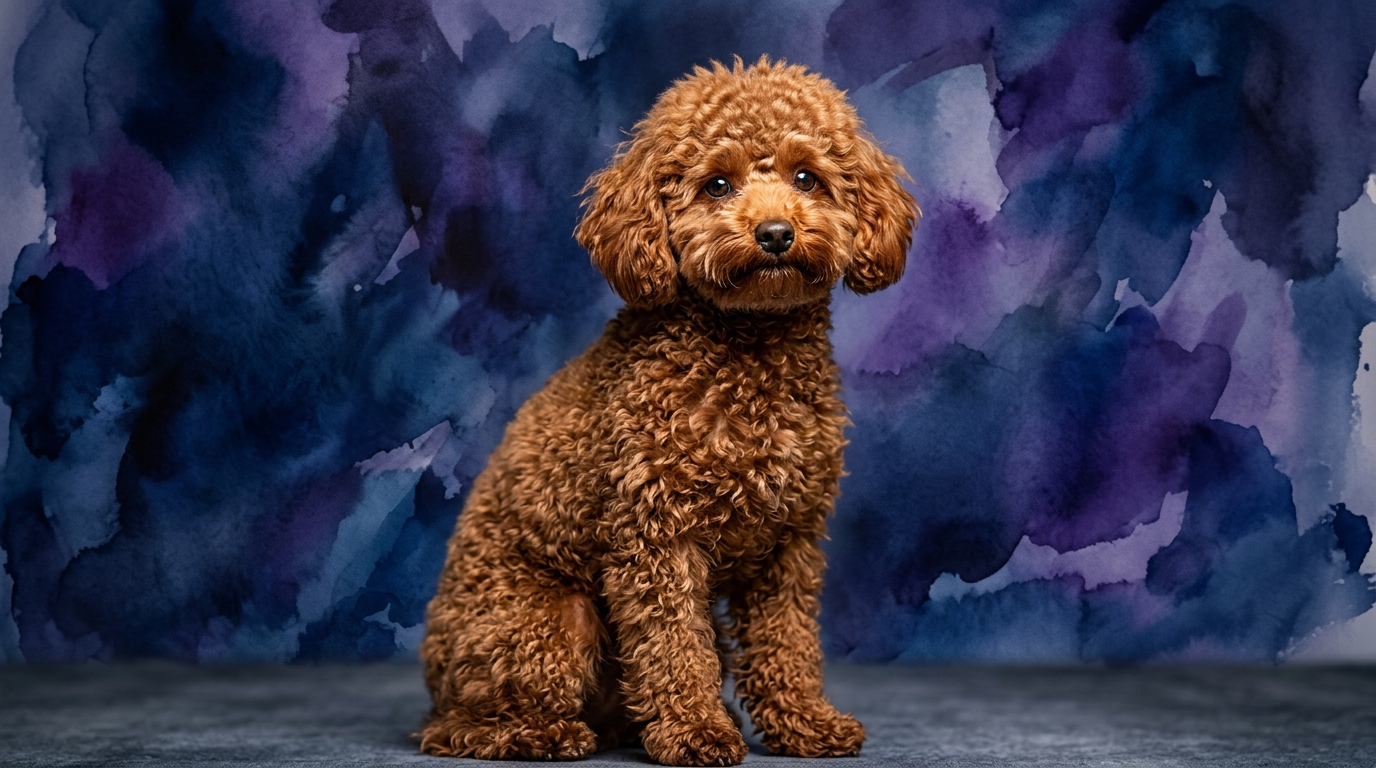
The Toy Poodle, a scaled-down version of a historically versatile water retriever, exhibits a markedly different cognitive blueprint. Their Problem Solving (5/5) is exceptional, demonstrating a keen ability to quickly grasp new concepts, strategize through puzzles, and adapt to novel situations with remarkable agility. Training Speed (5/5) is equally impressive, allowing them to absorb and execute commands with minimal repetition, making them highly responsive pupils. Their Social Intelligence (3/5), while numerically matching the Plott, often manifests as a strong desire for interaction and a sensitivity to human cues, fostering a close bond. The Instinctive Drive (3/5), though rated the same, is typically expressed through playful retrieving, agility, and a general zest for engagement, rather than a singular tracking focus. Their Memory (5/5) is outstanding, enabling them to retain a wide array of learned behaviors, routines, and experiences with enduring clarity.
Where Plott Hound Wins Cognitively
While raw scores might suggest otherwise, the Plott Hound's cognitive strengths are deeply specialized and formidable within their specific domain. Their Problem Solving (3/5), though not as generalized as a Poodle's, is acutely honed for the complex, multi-sensory challenge of tracking. This involves intricate spatial reasoning, the ability to discern subtle scent variations amidst distractions, and sustained concentration over long periods—a cognitive feat entirely distinct from solving a puzzle toy. Their Instinctive Drive (3/5) represents a powerful, unwavering dedication to a task, allowing them to push through fatigue and environmental obstacles. This persistent mental fortitude, combined with their practical Memory (3/5) for terrain and scent, enables them to navigate and dominate environments where other breeds might falter. This cognitive package allows them to operate with a remarkable degree of self-reliance, making independent decisions crucial for successful hunting, a specialized form of intelligence that excels in the field.
Where Toy Poodle Wins Cognitively
The Toy Poodle's cognitive profile showcases several standout strengths, making them exceptionally versatile learners. Their Problem Solving (5/5) ability is a significant asset, allowing them to quickly analyze new situations, understand cause-and-effect relationships, and devise solutions with impressive speed. This manifests in their aptitude for complex trick training, navigating obstacle courses, or even figuring out how to open a treat-dispensing toy. Coupled with an unparalleled Training Speed (5/5), Toy Poodles absorb new commands and behaviors with minimal repetition, often seeming to anticipate what is expected of them. This rapid acquisition of knowledge is further bolstered by their excellent Memory (5/5), which ensures that once a lesson is learned, it is retained with enduring clarity, allowing them to build an extensive repertoire of skills over their lifetime. These combined cognitive advantages make the Toy Poodle remarkably adaptable, capable of excelling in a vast array of activities from obedience and agility to therapy work, demonstrating a broad spectrum of cognitive dexterity.
Which Is Easier to Train and Why
When considering ease of training, the Toy Poodle stands out as the more straightforward student due to their exceptional cognitive scores. Their Training Speed (5/5) means they pick up new cues almost instantaneously, and their high Problem Solving (5/5) ability allows them to understand the desired outcome of a command quickly. This is reinforced by their superior Memory (5/5), ensuring that once a behavior is learned, it is not easily forgotten. For instance, teaching a Toy Poodle "stay" might involve just a few short sessions before they reliably hold the position, eager to please and mentally engaged.
The Plott Hound, while certainly capable of learning, presents a different training dynamic. Their Training Speed (3/5) and Problem Solving (3/5) indicate a more moderate pace. More significantly, their strong Instinctive Drive (3/5), particularly for scent work, can be a considerable distraction. A Plott Hound might struggle to focus on an "off-leash recall" command if a compelling scent trail captures their attention, their ingrained purpose overriding human instruction. Their independence also means they are less inherently driven to please and more inclined to follow their own nose, requiring a patient, consistent trainer who understands how to harness their natural drives rather than suppress them.
Which Suits Active Owners vs Relaxed Owners
Deciding between a Plott Hound and a Toy Poodle also depends heavily on an owner's lifestyle. The Plott Hound, with its deep-seated Instinctive Drive (3/5) geared towards tracking and its robust physical build, is best suited for active owners. These individuals should relish outdoor adventures, be prepared for long walks or hikes, and ideally have an interest in canine scent work or tracking sports to provide appropriate mental and physical outlets. Their independent nature means they're not typically content to be couch potatoes; they require consistent engagement and a "job" to do, making them less ideal for relaxed owners seeking a low-maintenance companion.
The Toy Poodle, despite its smaller size, possesses significant energy and a vibrant intellect. Their high Problem Solving (5/5) and Memory (5/5) scores mean they require substantial mental stimulation to prevent boredom, which can manifest as undesirable behaviors. They thrive with owners who enjoy teaching tricks, participating in dog sports like agility or obedience, or even just engaging in daily puzzle games and varied walks. While adaptable to apartment living, they are not suited for entirely relaxed owners who neglect their cognitive and physical needs. They are better for owners committed to daily interaction and intellectual engagement, whether through structured training or creative play.
The Verdict
Choose a Plott Hound if you're an experienced, active owner seeking an independent, tenacious companion for outdoor adventures and scent work, appreciating their specialized cognitive focus.
Opt for a Toy Poodle if you desire a highly trainable, quick-witted partner eager to learn and participate in varied activities, thriving on consistent mental stimulation and close interaction.
🧠 Find Your Pet's IQ Score
Our Pet IQ Lab assessment covers 25+ tests across 5 cognitive dimensions — personalized to your breed.
Take the Full IQ Test →Frequently Asked Questions
Do Plott Hounds need a lot of exercise despite their moderate IQ scores?
Yes, absolutely. Despite moderate scores in areas like training speed, the Plott Hound's Instinctive Drive (3/5) is powerful and tied to physical endurance and scent work. They require substantial daily exercise, including long walks, runs, or opportunities for tracking, to satisfy their innate hunting instincts and maintain their physical and mental well-being.
Are Toy Poodles prone to behavioral issues if not mentally stimulated?
Toy Poodles, with their exceptional Problem Solving (5/5) and Memory (5/5), require significant mental engagement. Without adequate stimulation, they can become bored and develop undesirable behaviors such as excessive barking, destructive chewing, or anxiety. Providing regular training, puzzle toys, and interactive play is crucial for their contentment.
How do the social intelligence scores (3/5 for both) translate differently for each breed?
While both breeds score 3/5, their social intelligence manifests differently. The Plott Hound's social intelligence often leans towards independent problem-solving in a pack or family unit, with a certain self-reliance. The Toy Poodle's 3/5 often reflects a strong capacity for bonding and sensitivity to human emotions, making them highly attuned companions who thrive on interaction, albeit with individual variations.