Side-by-Side IQ Profile: Precision vs. Independence
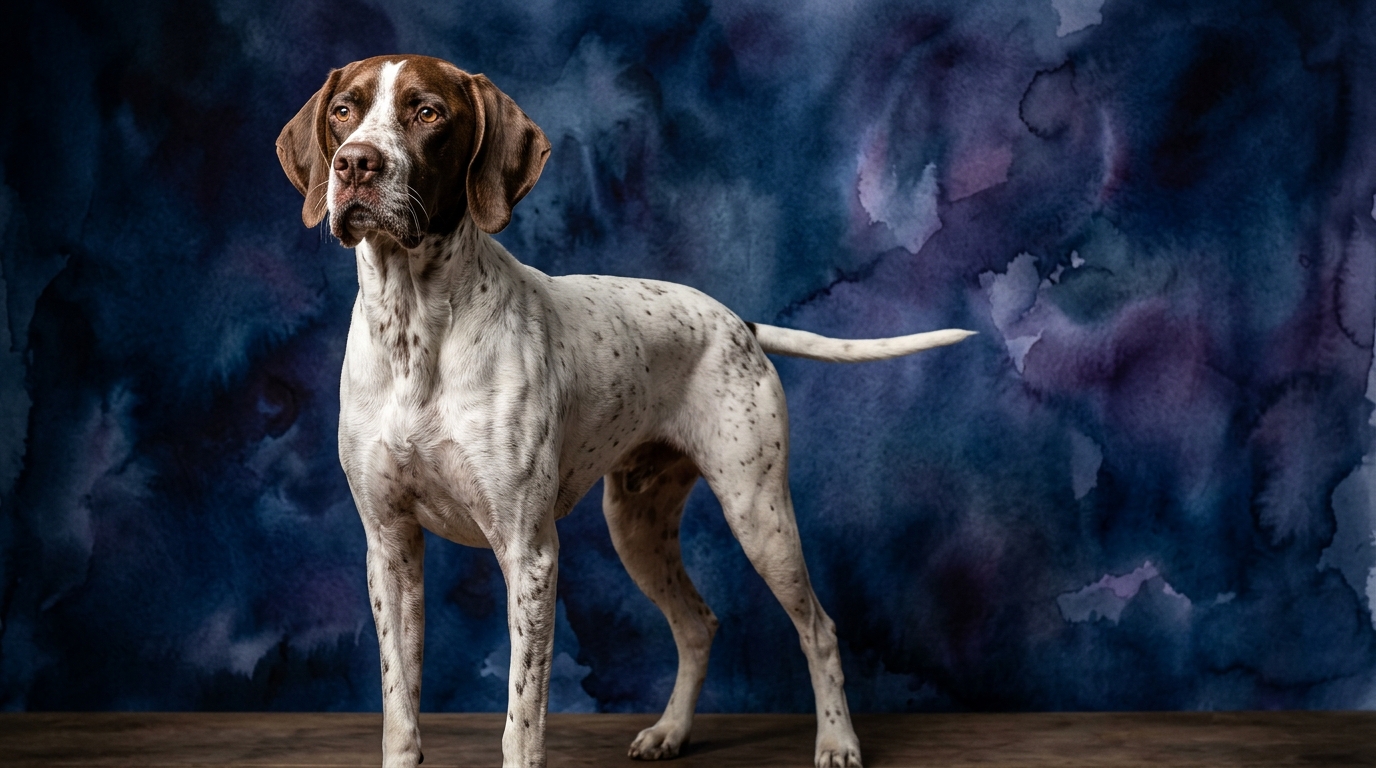
The Cosmic Pet Pet IQ Lab employs a five-dimensional framework to assess canine intelligence, providing a granular view of each breed's cognitive strengths. For the Pointer, a dog bred for finding and indicating game, its profile shows a balanced set of attributes, each rated 3 out of 5. Its Problem Solving at 3/5 indicates an aptitude for tasks directly relevant to its hunting purpose, such as locating hidden birds or navigating terrain efficiently, rather than abstract puzzles. Training Speed at 3/5 suggests a moderate pace for acquiring new commands, often excelling when motivation aligns with its inherent drive. Social Intelligence, also 3/5, reflects sufficient understanding of human cues and pack dynamics for cooperative work, without necessarily exhibiting advanced theory of mind. Its Instinctive Drive at 3/5 is perfectly tuned for its sporting role, manifesting as a persistent desire to hunt and point. Finally, Memory at 3/5 indicates reliable recall for learned behaviors and environmental details pertinent to its field activities.
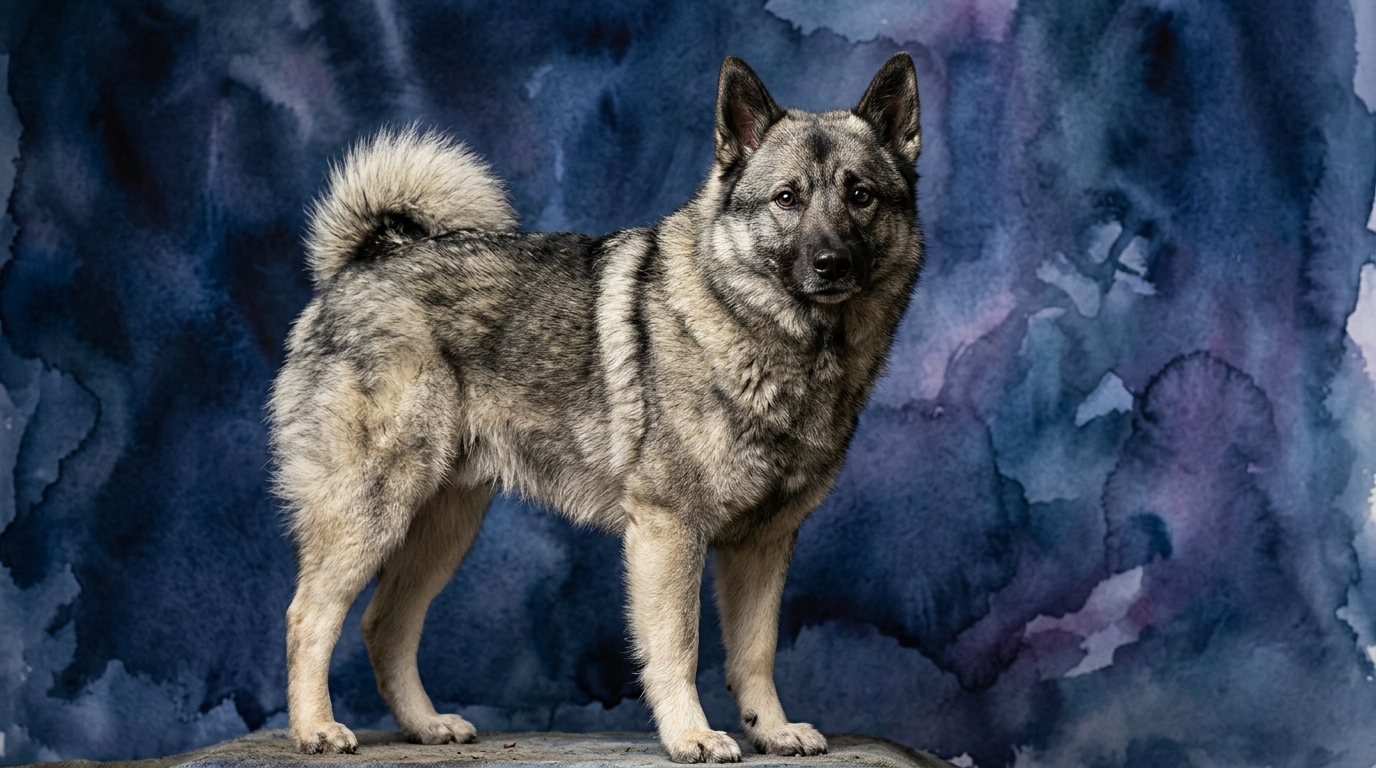
In contrast, the Norwegian Elkhound, an ancient breed with a Coren ranking of #36, presents a profile reflecting its history as an independent, resilient hunter of large game. Its Problem Solving earns a 4/5, suggesting a greater capacity for independent decision-making and navigating complex, novel situations, crucial when tracking an elk alone in vast wilderness. Training Speed, also 4/5, indicates a quicker grasp of new commands and concepts, allowing for more rapid skill acquisition. Social Intelligence mirrors the Pointer at 3/5, demonstrating adequate understanding for interaction and cooperation, though perhaps with a characteristic hound independence. Instinctive Drive is also 3/5, channeled into tracking, endurance, and territorial awareness, reflecting its deep-seated hunting heritage. Notably, its Memory scores 4/5, indicating a superior ability to retain complex information, learn from past experiences, and recall intricate scent trails or geographical layouts over extended periods.
Where the Pointer Excels Cognitively
While the Elkhound generally shows higher scores, the Pointer's specific cognitive strengths are finely honed for its specialized purpose. Its 3/5 scores across the board represent a streamlined intelligence that minimizes distractions and maximizes efficiency in a specific context: finding game for a handler. The Pointer's problem-solving, though rated 3/5, is exceptionally effective when the 'problem' is locating a bird in dense cover or maintaining a steady point. This breed excels in tasks requiring unwavering focus and sustained effort towards a singular goal, demonstrating a cognitive endurance that can be remarkable. Its memory, while 3/5, is particularly adept at recalling the subtle nuances of scent and terrain, and the precise location of fallen game, making it an unparalleled partner in the field.
Where the Norwegian Elkhound Demonstrates Superiority
The Norwegian Elkhound's cognitive profile, with its 4/5 ratings in Problem Solving, Training Speed, and Memory, points to a more versatile and independently-minded intellect. This breed's higher Problem Solving score means it's more likely to devise novel solutions to unexpected challenges, a trait invaluable for a dog that historically tracked dangerous game alone. Its superior Training Speed (4/5) suggests a quicker conceptual understanding of new commands and a faster acquisition of complex behaviors, making it a more adaptable learner across various disciplines. Furthermore, the Elkhound's 4/5 Memory indicates a greater capacity for retaining elaborate sequences of information, whether it's a long string of commands, complex agility courses, or the intricate details of a scent trail over varied terrain and time. This breed's cognitive design supports an independent working style, where self-reliance and flexible thinking are paramount.
Training Dynamics: Biddability vs. Independent Learning
When considering ease of training, the Norwegian Elkhound generally presents a swifter learning curve for new commands due to its 4/5 Training Speed. They tend to pick up new cues and routines with fewer repetitions than the Pointer. However, this faster acquisition doesn't always equate to easier, consistent compliance. Elkhounds, with their history of independent hunting, often possess a strong will and may choose to prioritize an interesting scent or perceived task over a handler's command if not sufficiently motivated or consistently reinforced. Their independent streak means that while they learn quickly, they also require a handler who understands how to channel their self-reliance effectively and maintain engagement.
The Pointer, with its 3/5 Training Speed, might take slightly longer to initially grasp a new command, but its inherent desire to work cooperatively with a handler, coupled with its focused drive, can make it exceptionally biddable once a concept is understood and integrated into its routine. They are often more intent on pleasing their handler in a working context. Pointers thrive on consistency and clear direction, and their strong instinctive drive, once channeled, can make them incredibly dedicated students, particularly in tasks related to their sporting heritage. Therefore, while the Elkhound might learn faster, the Pointer, with patient and consistent training that leverages its cooperative nature, can become a remarkably responsive and reliable partner, especially in its specialized field.
Matching Canine Cognition to Lifestyle: Active vs. Relaxed Owners
For the highly active owner seeking a dedicated, focused partner for specific pursuits, particularly field sports or activities requiring intense concentration and endurance, the Pointer is an excellent fit. Its cognitive profile, while not scoring highest in every category, is optimized for sustained, cooperative work alongside a human. Owners who enjoy long runs, hiking, or field training will appreciate the Pointer's unwavering drive and desire to work. They thrive with a routine that includes ample physical exertion and mental stimulation tied to their innate hunting instincts, making them less suited for a purely relaxed, sedentary lifestyle.
The Norwegian Elkhound, with its higher problem-solving and memory scores, suits an active owner who appreciates a dog with independent thought and versatility. They are excellent companions for extended hikes, scent work, or even agility, where their quick learning and ability to navigate complex situations can shine. While they require significant physical activity, their cognitive independence means they can also be content with varied activities that challenge their minds, not just their bodies. Owners who enjoy engaging their dog in diverse problem-solving tasks and can provide consistent, firm but fair guidance will find the Elkhound a rewarding and intelligent companion. They are less ideal for owners seeking a purely 'biddable' dog that always defers to human command, requiring an owner who respects and can manage their strong, independent character.
The Verdict: Choosing Your Cognitive Companion
The Verdict
Choose the Pointer if you seek a highly focused, cooperative partner for specific, intense activities like field work, valuing a dog that channels its drive with singular purpose alongside you.
Opt for the Norwegian Elkhound if you desire a versatile, independent problem-solver capable of quick learning and retaining complex information, ideal for varied outdoor adventures and owners who appreciate a dog with a strong, self-reliant character.
🧠 Find Your Pet's IQ Score
Our Pet IQ Lab assessment covers 25+ tests across 5 cognitive dimensions — personalized to your breed.
Take the Full IQ Test →Frequently Asked Questions
Is the Pointer a good choice for first-time dog owners?
Pointers can be a good choice for active first-time owners who are committed to consistent training and providing ample exercise. Their cooperative nature, once understood, makes them eager to please, but their high energy requires dedication.
Are Norwegian Elkhounds prone to certain behavioral challenges due to their independence?
Yes, their independence and strong instinctive drive can lead to challenges like selective hearing or a tendency to follow scents if not properly trained and managed. Consistent, engaging training from a young age is crucial to channel their self-reliance positively.
How do these breeds typically fare with other pets or children?
Both breeds, with their 3/5 Social Intelligence, can integrate well with other pets and children if properly socialized from a young age. Pointers generally adapt easily to family dynamics, while Elkhounds might require more structured introductions due to their independent nature and strong prey drive.