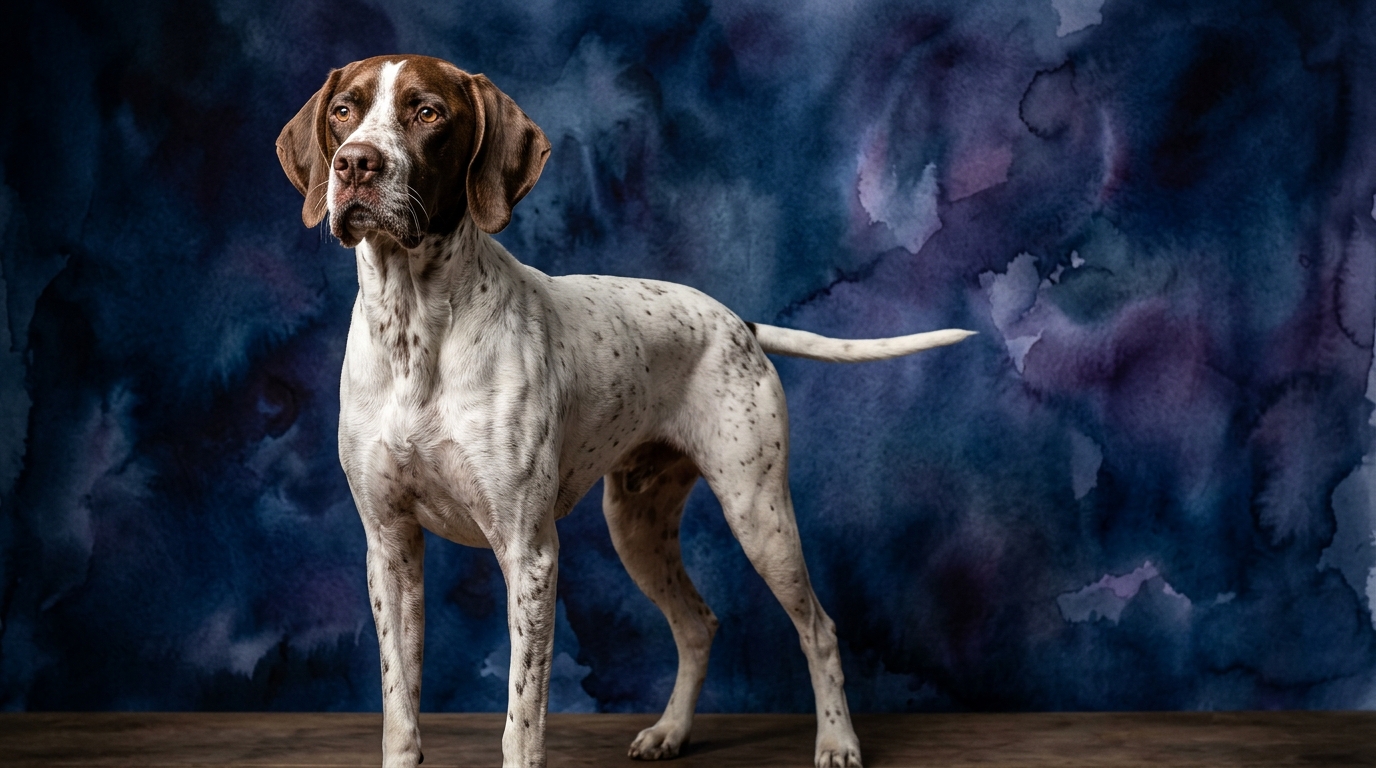
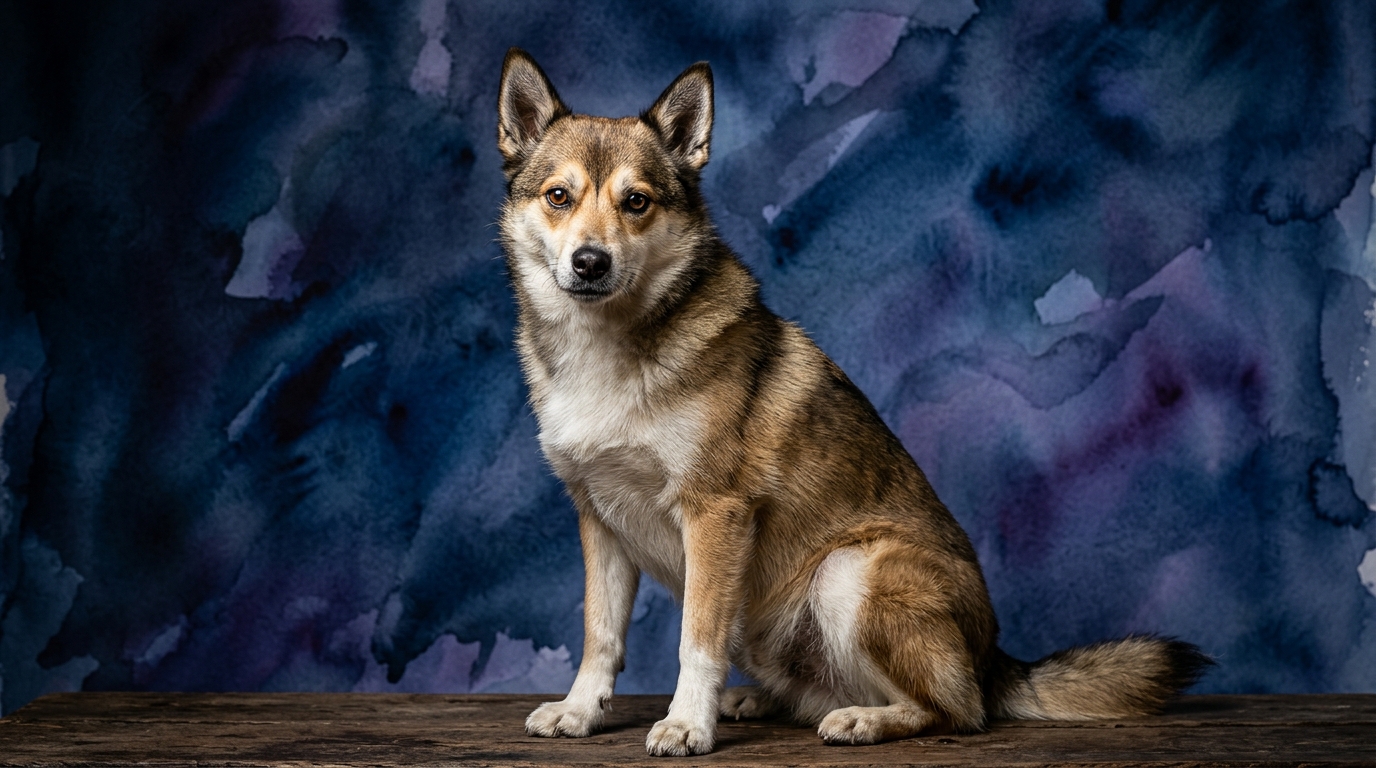
Side-by-Side IQ Profile: Pointer vs. Norwegian Lundehund
At The Cosmic Pet Pet IQ Lab, we assess canine intelligence across five key dimensions. While both the Pointer and the Norwegian Lundehund score a consistent 3 out of 5 in each category, understanding their breed-specific expressions of these scores reveals their true cognitive landscapes.
**Problem Solving (3/5):** The Pointer excels in practical, task-oriented problem-solving, particularly within a hunting context. They demonstrate an aptitude for discerning scent trails, navigating varied terrains to locate game, and making swift, accurate decisions to 'point.' Their problem-solving is often collaborative, aimed at assisting a human partner in achieving a shared goal. In contrast, the Norwegian Lundehund's problem-solving skills are distinctly adapted to its historical role. They exhibit a remarkable capacity for independent, physical problem-solving, such as navigating narrow crevices, scaling rocky inclines, and extracting prey from challenging spaces. This often involves intricate spatial reasoning and an ability to adapt to unpredictable, confined environments.
**Training Speed (3/5):** Pointers generally respond well to consistent training, especially when it involves their natural drives. They grasp commands efficiently, particularly those related to field work or obedience, and are typically eager to please. Their training speed benefits from clear communication and positive reinforcement, though their drive can sometimes lead to momentary distractions in highly stimulating environments. While capable of learning, the Norwegian Lundehund's training speed is influenced by its independent and often questioning nature. They learn best with engaging, varied methods that appeal to their curiosity and problem-solving instincts. Rote repetition may be less effective; instead, they thrive on motivation-based training that makes learning feel like a puzzle or a game, requiring patience and creativity from the handler.
**Social Intelligence (3/5):** Pointers are typically amiable and form strong attachments with their human families. They often display a keen awareness of human moods and intentions, thriving on interaction and companionship. Their social intelligence is geared towards cooperative living and working alongside people, making them generally responsive and engaging family members. The Lundehund exhibits a more nuanced social intelligence. While deeply loyal and affectionate with their chosen family, they can be reserved or cautious around strangers, preferring to observe before engaging. Their social understanding is often focused on navigating the dynamics within their immediate pack, displaying a subtle independence even within close relationships.
**Instinctive Drive (3/5):** A defining trait of the Pointer is its potent instinctive drive for hunting and pointing. This ingrained desire to locate and indicate game is powerful and needs appropriate outlets to ensure their well-being. This drive manifests as intense focus and determination when scenting and working in the field. The Lundehund possesses a unique and strong instinctive drive tied to its ancestral role. This includes a powerful urge to explore, climb, burrow, and navigate confined spaces. Their physical adaptations, like extra toes and flexible joints, are direct reflections of this deeply embedded drive to investigate and access challenging environments.
**Memory (3/5):** Pointers demonstrate a robust memory for learned commands, established routines, and the intricacies of their working tasks. They can recall complex sequences of actions in the field, remember specific scent patterns, and retain training cues over time, which is vital for consistent performance. The Lundehund's memory is particularly notable for spatial recall and navigating complex physical environments. They remember routes through challenging terrains, the locations of hidden objects or dens, and intricate pathways. This memory serves their independent exploratory and foraging instincts, allowing them to efficiently re-trace steps or revisit productive areas.
Where the Pointer Wins Cognitively
The Pointer's cognitive strengths shine brightest in scenarios demanding collaborative effort and focused execution. Their problem-solving prowess is optimized for tasks that require a partnership with a human, such as systematically quartering a field, interpreting subtle hand signals, and maintaining concentration on a scent trail despite distractions. This breed's memory is particularly effective for retaining complex sequences of commands and adapting to varied hunting conditions based on prior experiences. Their social intelligence allows them to anticipate human intentions and respond with precision, making them exceptional partners in structured activities. In essence, the Pointer's cognitive edge lies in its capacity for cooperative intelligence, where its keen senses and drive are channeled towards a shared objective with remarkable consistency and determination.
Where the Norwegian Lundehund Wins Cognitively
The Norwegian Lundehund's cognitive advantages are rooted in its extraordinary adaptability and independent resourcefulness. This breed excels at self-directed problem-solving, particularly when faced with physical obstacles that require agility, flexibility, and creative navigation. Their unique physical attributes, like extra toes and highly flexible joints, are not just physical traits but enable a distinct form of spatial reasoning and manipulation of their environment. Their memory is finely tuned to recall intricate pathways and hidden nooks, crucial for maneuvering treacherous cliff faces and retrieving prey from tight spaces. The Lundehund's instinctive drive to explore and investigate every crevice means they are constantly assessing and learning from their surroundings, demonstrating a form of environmental intelligence that is truly specialized. Their cognitive strength is in their ability to independently assess and conquer complex, unstructured physical challenges.
Which is Easier to Train and Why?
When considering ease of training, the Pointer generally presents a more straightforward experience for traditional obedience and field work. Their eager-to-please temperament and strong desire to collaborate with humans mean they are typically more receptive to clear commands and positive reinforcement. A Pointer's focused drive towards specific tasks, like pointing or retrieving, makes them quick to grasp and execute commands that align with their cooperative nature. They thrive on consistency and clear direction, making them a more predictable student in a structured training environment. Their high energy needs to be managed, but once channeled, it fuels their learning and performance.
The Norwegian Lundehund, while equally capable of learning, often requires a different approach to training. Their independent spirit and historical role, which demanded self-reliance, mean they are less inclined to simply comply without understanding the 'why' behind a command. Training a Lundehund can be a test of patience, creativity, and motivation for the owner. They respond best to engaging, game-based learning that appeals to their problem-solving instincts rather than rote repetition. Their inherent curiosity and drive to explore can also lead to distractions, requiring a handler who can make training more captivating than the surrounding environment. While they form deep bonds, their social intelligence often manifests as a desire for partnership rather than strict obedience, making a nuanced, trust-based approach essential.
Suits Active Owners vs. Relaxed Owners
The Pointer is undoubtedly a breed for active owners. Their robust instinctive drive and substantial energy levels demand consistent and vigorous physical exercise, often encompassing long runs, extensive walks, or engaging in field sports. These dogs thrive when given a purpose that taps into their natural hunting instincts, such as scent work, agility, or competitive obedience. An owner who can provide daily outlets for their physical and mental energy will find a devoted and contented companion, whereas a more relaxed lifestyle will likely lead to a bored, potentially destructive, or restless Pointer.
The Norwegian Lundehund also requires active owners, but the nature of their activity is distinct. While they benefit from regular walks and play, their physical needs are less about endless running and more about opportunities for exploration, climbing, and engaging their unique physical adaptations. Owners who enjoy hiking in varied terrain, providing puzzle toys, or creating agility courses that challenge their dexterity and problem-solving skills will be a good match. They are not suited for owners seeking a sedentary companion, but they also might not be the ideal choice for those solely focused on traditional high-impact sports, preferring activities that allow them to use their specialized physical and cognitive traits independently.
The Verdict: When to Choose Each Breed
The Verdict
Choose the Pointer if you seek a devoted, collaborative canine partner for outdoor adventures, field sports, or a family companion who thrives on structure and shared activities, as their focused drive and eagerness to please will be a rewarding match.
Opt for the Norwegian Lundehund if you are drawn to a unique, independent thinker who revels in physical challenges, intricate problem-solving, and offers a more reserved but deeply affectionate bond, as the Lundehund provides an enriching, if unconventional, companionship.
🧠 Find Your Pet's IQ Score
Our Pet IQ Lab assessment covers 25+ tests across 5 cognitive dimensions — personalized to your breed.
Take the Full IQ Test →Frequently Asked Questions
Are Pointers good family dogs?
Yes, Pointers can be excellent family dogs, forming strong bonds and being affectionate with their human companions. They require significant exercise and mental engagement to channel their energy positively, making them well-suited for active families who can provide consistent stimulation and a structured environment.
Do Norwegian Lundehunds bark a lot?
Norwegian Lundehunds are not typically known as excessive barkers, but they can be vocal, especially when excited, bored, or when expressing their opinions. Their unique vocalizations and independent nature mean their barks often serve a specific communicative purpose, rather than being incessant noise.
What is the main difference in their trainability?
The main difference lies in their approach to learning: Pointers generally seek to collaborate and please their handler, making them more responsive to traditional obedience. Lundehunds, while capable, are more independent thinkers who require training methods that engage their problem-solving abilities and cater to their innate curiosity and unique drives.