Side-by-Side IQ Profile: Pointer
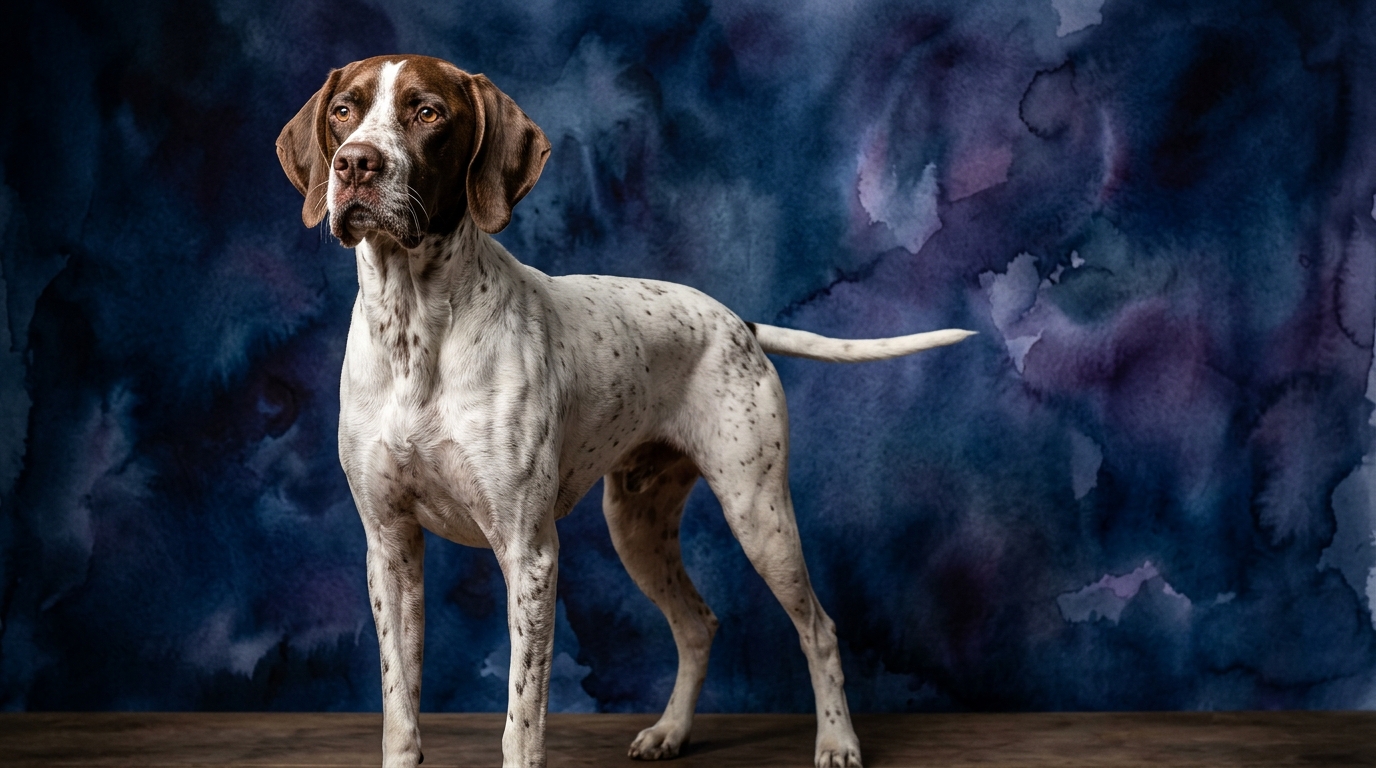
The Pointer's cognitive profile is finely tuned for its role as a cooperative gun dog, where each dimension contributes to its effectiveness in the field. Its Problem Solving (3/5) acumen shines in dynamic field environments, where it must quickly process scent information, navigate varied terrain, and adapt searching patterns to locate game. This involves intricate spatial reasoning and rapid decision-making under pressure, such as adjusting its point based on wind direction or handler cues. Training Speed (3/5) is consistent, as Pointers demonstrate a capacity for learning new commands and routines, particularly when these tasks align with their natural drive to work cooperatively. Their responsiveness is generally good, though strong hunting instincts can sometimes require focused attention to maintain engagement in non-hunting contexts. Social Intelligence (3/5) is deeply rooted in their partnership with a human handler, requiring them to read subtle body language and vocal cues for effective cooperative hunting, understanding shared goals and adapting behavior to complement human actions during a retrieve or point. The Pointer's Instinctive Drive (3/5) is powerfully channeled towards scent detection, tracking, and the iconic "point," a frozen stance indicating game, fueling endurance and focus during long days in the field. Memory (3/5) is crucial for recalling specific scent locations, remembering complex field patterns, and retaining a vast array of learned commands and hand signals, allowing them to build upon past experiences for improved efficiency.
Side-by-Side IQ Profile: Scottish Deerhound
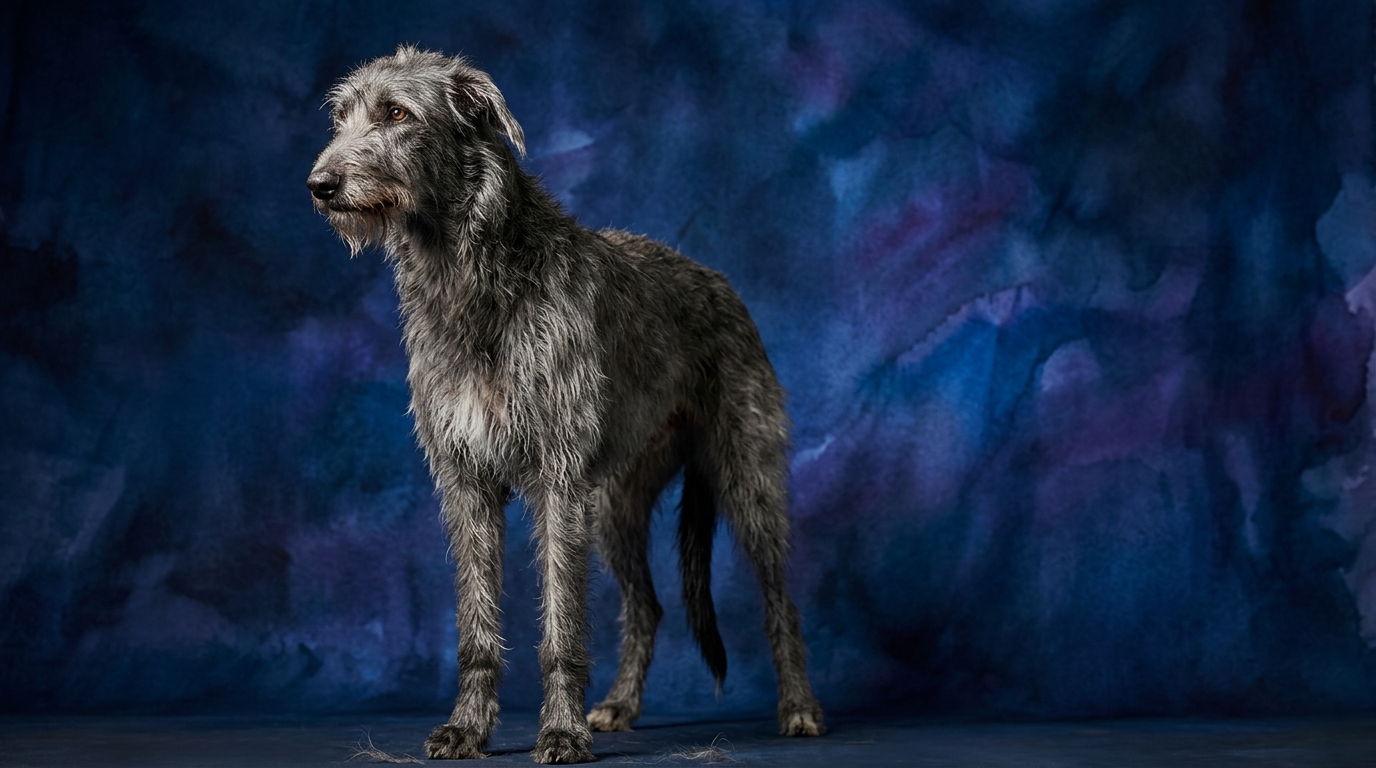
The Scottish Deerhound's cognitive strengths are shaped by its heritage as a sighthound, focused on independent pursuit and long-distance chases. Its Problem Solving (3/5) is honed by the demands of the chase, requiring it to calculate optimal pursuit paths, anticipate prey movements over vast distances, and navigate challenging terrain at high speeds. This involves swift visual processing and strategic decision-making to outmaneuver fast-moving quarry. Training Speed (3/5) reflects a solid learning capacity, capable of grasping commands and routines, though its independent hound nature means it may require patient, consistent methods. This score implies an ability to learn, but often with a thoughtful, rather than eager-to-please, disposition. Social Intelligence (3/5), while often reserved, lies in deep bonds with its family, understanding household routines and subtle emotional shifts within its human pack. They are observant and can discern intentions, particularly regarding their comfort and the general atmosphere of their home environment. The Deerhound's Instinctive Drive (3/5) is overwhelmingly centered on sight-hunting, characterized by explosive speed, relentless pursuit, and acute visual tracking. This drive, while potent, is typically directed towards perceived prey, making off-leash control in open areas a significant consideration for owners. Memory (3/5) is relied upon to recall safe running paths, familiar territories, and the routines of its home life, remembering people and places with a quiet certainty, contributing to its calm demeanor within its established environment and its cautious approach to novelty.
Where Pointer Wins Cognitively
The Pointer's cognitive strengths distinctly outshine the Deerhound's in areas requiring sustained, cooperative focus and intricate scent-based problem-solving. Their Problem Solving (3/5) is geared towards deciphering complex scent puzzles in a dynamic environment, constantly adjusting their strategy based on subtle olfactory cues and handler feedback. This requires a higher degree of immediate adaptability and a willingness to collaborate on a shared objective, making their Social Intelligence (3/5) particularly adept at forming a responsive, working partnership. Furthermore, their Memory (3/5) is actively engaged in recalling a vast library of scent profiles and precise field commands, allowing for efficient and precise execution of tasks under direction, a cognitive application less emphasized in the independent chase of a sighthound.
Where Scottish Deerhound Wins Cognitively
Conversely, the Scottish Deerhound's cognitive profile demonstrates a clear advantage in scenarios demanding independent, visually-driven decision-making and strategic pursuit. Their Problem Solving (3/5) excels in open-field situations, where they must independently assess the fastest route to intercept moving targets, using their incredible eyesight and anticipating prey evasion tactics. This requires less reliance on immediate human direction and more on self-initiated strategy, a stark contrast to the Pointer's cooperative approach. Their Instinctive Drive (3/5) for the chase is unparalleled, fueling a cognitive focus entirely dedicated to the pursuit, which, when unleashed, demonstrates a singular, powerful application of their mental faculties. Their Memory (3/5) is also keenly applied to vast spatial recall, remembering the most efficient and safe routes for high-speed running, a vital cognitive function for their breed purpose.
Which is Easier to Train and Why
When considering ease of training, the Pointer generally presents a more straightforward experience for the average owner, largely due to their historical role as a cooperative hunting partner. Their Training Speed (3/5) is balanced by a natural inclination towards working *with* a human, a trait cultivated over generations for field efficiency. They often derive satisfaction from pleasing their handler and achieving a shared goal, making them more receptive to command-based learning and recall. Their Social Intelligence (3/5) is directly tied to understanding and responding to human direction, fostering a partnership in learning.
The Scottish Deerhound, while possessing the same Training Speed (3/5), approaches training with a more independent spirit. As a sighthound, their primary drive is to chase, and this powerful Instinctive Drive (3/5) can override learned commands, especially if a tempting visual stimulus appears. Their Problem Solving (3/5) tends to be self-directed in the field, not necessarily seeking human input for strategic decisions during a chase. Consequently, while they are capable learners, their motivation often needs to be more carefully managed, and recall in an open environment can be a significant, lifelong training challenge due to their inherent independence and speed.
Which Suits Active Owners vs. Relaxed Owners
The Pointer is undeniably suited for active owners who can provide consistent, engaging mental and physical outlets. Their strong Instinctive Drive (3/5) and cooperative Social Intelligence (3/5) mean they thrive on purpose-driven activities like scent work, field trials, or extensive hiking and running. Owners who enjoy training and working closely with their dog will find the Pointer's Problem Solving (3/5) and Memory (3/5) make them excellent partners in structured activities. A relaxed owner might find a Pointer's need for engagement overwhelming, potentially leading to boredom and undesirable behaviors.
The Scottish Deerhound, while capable of astonishing bursts of speed, often exhibits a more relaxed, almost regal demeanor indoors, making them surprisingly suitable for owners who appreciate a quiet companion for much of the day. However, they are not for entirely relaxed owners. Their Instinctive Drive (3/5) demands regular, safe opportunities for intense, high-speed running in a securely fenced area. Their Problem Solving (3/5) in these moments is a marvel to behold, but their Social Intelligence (3/5) leans more towards quiet companionship than constant interaction. Owners must be prepared to facilitate their unique exercise needs while enjoying their calm presence otherwise; they are not suited for owners who cannot provide these vital "zoomie" opportunities.
The Verdict
Opt for a Pointer if you seek an enthusiastic, cooperative partner eager for shared activities, excelling in scent work, field sports, and a strong, communicative bond.
Select a Scottish Deerhound if you admire a dignified, independent companion that requires dedicated outlets for explosive running but otherwise offers a calm, affectionate presence in the home.
🧠 Find Your Pet's IQ Score
Our Pet IQ Lab assessment covers 25+ tests across 5 cognitive dimensions — personalized to your breed.
Take the Full IQ Test →Frequently Asked Questions
Do Pointers need a lot of exercise?
Yes, Pointers possess a high energy level and a strong instinctive drive, requiring substantial daily exercise, including vigorous runs, scent games, or field work, to keep them mentally and physically content.
Are Scottish Deerhounds good with children?
Scottish Deerhounds are generally gentle and tolerant with children, often displaying a calm and patient demeanor, but their large size means supervision is always advisable, especially with very young children.
Can Pointers live in apartments?
While Pointers can adapt to apartment living if their significant exercise and mental stimulation needs are met daily, they generally thrive best with access to a yard where they can explore and burn off energy.