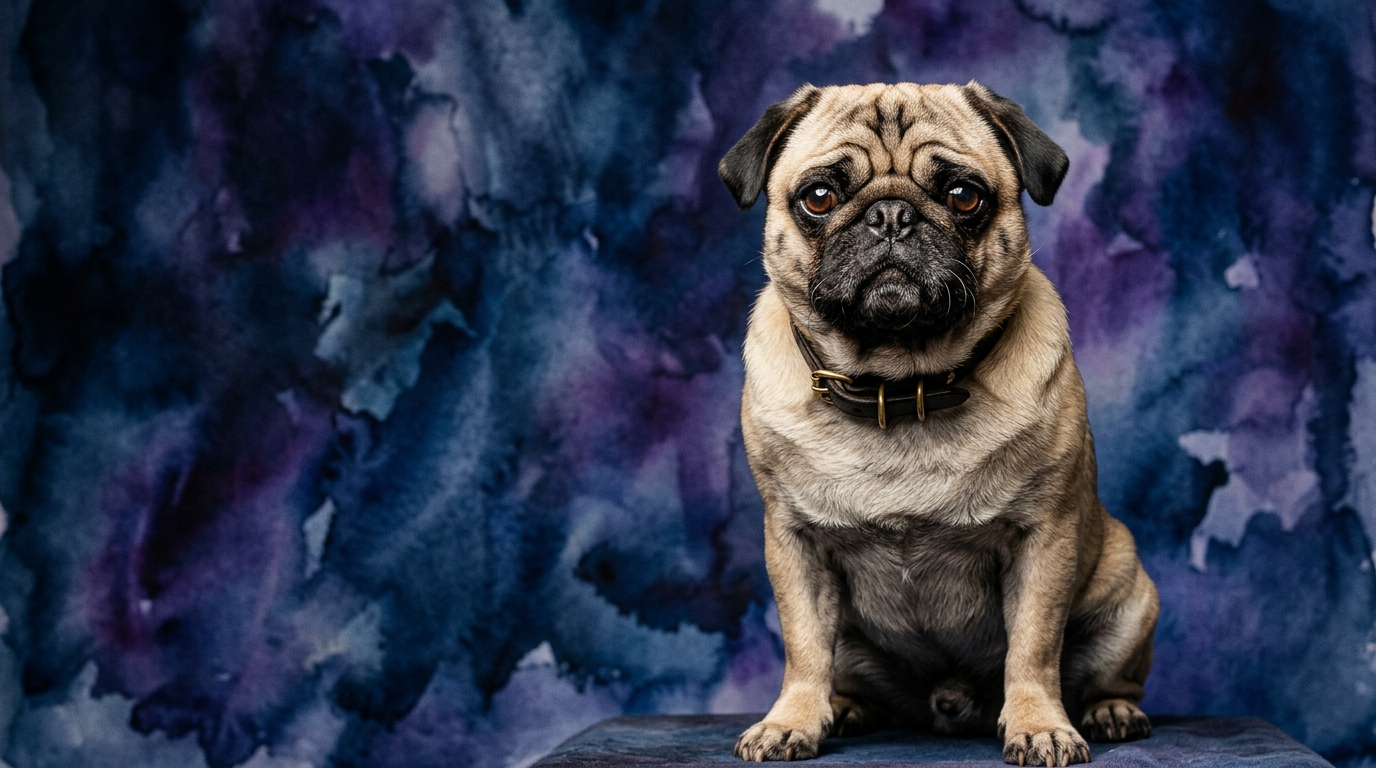
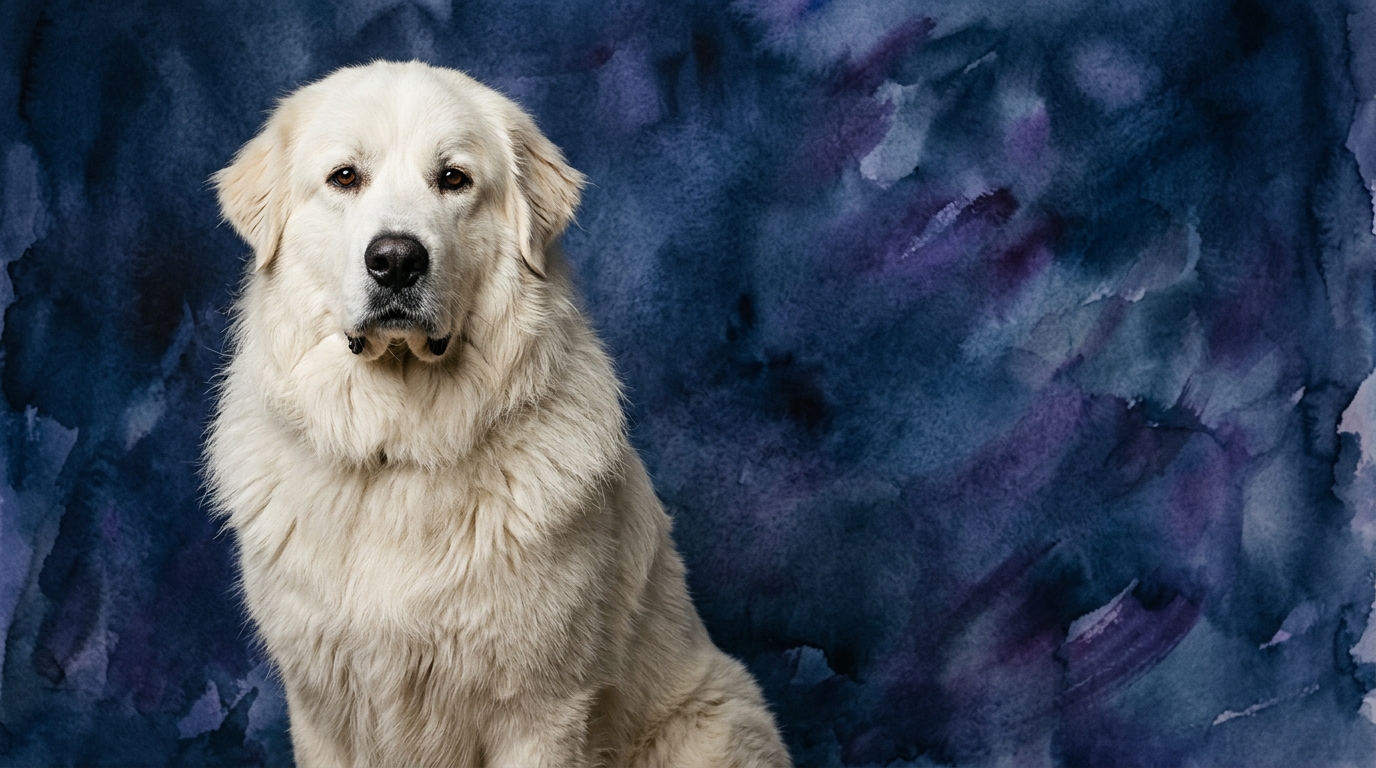
Side-by-Side IQ Profile: Pug vs. Great Pyrenees
At The Cosmic Pet Pet IQ Lab, we analyze canine intelligence across five critical dimensions, providing a granular view of how breeds interact with their environment and human companions. The Pug, a Toy breed, holds a Coren rank of #57, indicating a respectable capacity within its category. Their Problem Solving is rated 2/5, suggesting they aren't typically inclined towards complex puzzle-solving or independent strategic thinking. Their Training Speed, also 2/5, means they might require more repetition and patience to master new commands, often learning best through positive reinforcement tailored to their social nature. Where Pugs truly shine is in Social Intelligence, scoring a perfect 5/5; they are masters of reading human emotions, adapting to household routines, and forming profound emotional bonds. Their Instinctive Drive is a low 2/5, meaning minimal prey drive or strong urges for independent 'work.' Finally, their Memory is rated 3/5, indicating an average capacity to recall learned behaviors and routines over time.
In contrast, the Great Pyrenees, a Working breed, ranks #64 on the Coren scale, slightly lower than the Pug, which often reflects their independent, self-reliant nature. Their Problem Solving is rated 3/5, indicating a moderate ability to assess situations and devise solutions, particularly in real-world scenarios. Their Training Speed, also 3/5, suggests they learn at a moderate pace, but their independent streak means they may require more motivation and a clear understanding of the 'why' behind a command. The Great Pyrenees' Social Intelligence stands at 3/5; they are devoted to their family but often reserved or cautious with strangers, prioritizing their protective instincts. Their Instinctive Drive is a solid 3/5, manifesting primarily as a strong guardian instinct to protect their flock or family. Like the Pug, their Memory is rated 3/5, allowing them to retain important information about their environment, threats, and routines.
Where the Pug Wins Cognitively
The Pug undeniably excels in the realm of social intelligence, scoring a perfect 5/5. This isn't merely about being friendly; it's a sophisticated capacity to integrate into human family structures. Pugs are adept at observing and interpreting subtle human cues, understanding emotional states, and adapting their behavior to maintain harmony and connection within the home. They demonstrate a remarkable ability to anticipate routines, recognize specific words associated with pleasant activities, and offer comfort simply by their presence. Their cognitive strength lies in their profound emotional attunement, making them unparalleled companions who seem to intuitively understand human needs. Furthermore, their low instinctive drive (2/5) means their focus isn't diverted by strong urges to hunt, herd, or guard. Instead, their mental energy is channeled almost entirely into their primary role as a social partner, ensuring they are consistently present and engaged with their human family. This cognitive profile allows Pugs to navigate complex social dynamics with grace, providing consistent emotional support and enriching the lives of their owners through their unwavering companionship.
Where the Great Pyrenees Wins Cognitively
The Great Pyrenees' cognitive strengths lie in their practical problem-solving (3/5) and robust instinctive drive (3/5), attributes honed over centuries as independent livestock guardians. Unlike the Pug's social focus, the Pyrenees' intelligence is geared towards assessing and responding to environmental challenges without direct human command. Their problem-solving manifests in their ability to evaluate potential threats, strategize movements to protect their charges, and make independent decisions in dynamic, often solitary, situations. This isn't about solving abstract puzzles but about real-world situational awareness. Their strong instinctive drive is intrinsically linked to this; it's a deep-seated protective urge that fuels their vigilance and decision-making. They possess an innate understanding of territory and perceived dangers, allowing them to act decisively to deter intruders or protect their family. This self-reliance means they are capable of complex situational analysis and demonstrating a steadfast resolve that is a hallmark of their breed. Their cognitive architecture prioritizes self-sufficiency and protective strategy over eager compliance, making them formidable and capable guardians.
Which is Easier to Train and Why
Determining 'easier' training depends on owner expectations, given their differing Training Speed (Pug 2/5, Pyrenees 3/5) and cognitive profiles. The Pug, with its 2/5 training speed, can present challenges due to its shorter attention span and a tendency to prioritize social interaction over rigorous obedience. However, their exceptional social intelligence (5/5) means they are inherently eager to please and highly motivated by human approval, praise, and treats. Training a Pug requires short, engaging sessions, making it feel like a game, and leveraging their desire for connection. They respond well to positive reinforcement and consistency, understanding what actions yield positive human responses. Real behavioral differences include their tendency to get distracted by novel stimuli or the simple comfort of a lap.
In contrast, the Great Pyrenees, with a 3/5 training speed, learns at a moderate pace but brings a significant independent streak to the training process. Their historical role demanded self-reliance, meaning they often weigh commands against their own perceived importance or purpose. They are not inherently disobedient but rather discerning; they need to understand the 'why' behind a command. Training a Pyrenees demands patience, consistency, and building a relationship based on mutual respect, rather than expecting immediate, unquestioning compliance. Behavioral differences include their tendency to patrol or observe rather than engaging in repetitive drills, and their protective instincts can sometimes override a command if they perceive a threat. Therefore, while a Pug might pick up simple commands with joyful enthusiasm, a Pyrenees will master them with a thoughtful, often deliberate, understanding.
Which Suits Active Owners vs. Relaxed Owners
The choice between a Pug and a Great Pyrenees largely aligns with an owner's preferred activity levels. For relaxed owners, the Pug is an ideal match. Their low instinctive drive (2/5) and moderate problem-solving (2/5) mean they are perfectly content with a low-key existence focused on companionship. They thrive in indoor environments, requiring only short, leisurely walks for exercise and preferring the warmth of a lap or a cozy bed to strenuous activity. Owners prioritizing emotional connection, quiet evenings, and a canine presence seamlessly integrating into a calm household will find the Pug's temperament perfectly suited. Their high social intelligence means they are always ready for a cuddle or a gentle interaction.
Conversely, the Great Pyrenees, while not a high-energy 'runner,' suits active owners who understand and can accommodate their unique working breed needs. Their 3/5 instinctive drive for guarding means they require significant outdoor space to patrol, a sense of purpose, and owners appreciative of their independence and vigilance. 'Active' for a Pyrenees means providing opportunities for supervised exploration, allowing them to observe their surroundings, and engaging them in activities that tap into their protective nature, rather than endless games of fetch. They are not suited for apartment living or owners seeking a dog for competitive obedience; instead, they need owners who can provide a secure territory, understand their self-reliant nature, and are prepared for a dog whose activity is often about monitoring and protecting rather than constant physical exertion.
The Verdict
Choose a Pug if your lifestyle prioritizes an emotionally attuned, low-maintenance companion happy with indoor living and frequent social interaction, valuing their profound social intelligence above all.
Opt for a Great Pyrenees if you value an independent, protective companion with a strong sense of purpose, suitable for a home with ample space and owners who respect their self-reliant nature and working heritage.
🧠 Find Your Pet's IQ Score
Our Pet IQ Lab assessment covers 25+ tests across 5 cognitive dimensions — personalized to your breed.
Take the Full IQ Test →Frequently Asked Questions
Are Pugs good at learning tricks?
Pugs can certainly learn tricks, leveraging their high social intelligence and eagerness to please their humans, though their 2/5 training speed means it might require more patience and consistency. Short, positive, and treat-motivated sessions work best, turning learning into an enjoyable interaction.
Do Great Pyrenees need a lot of exercise?
While not requiring intense, high-impact exercise, Great Pyrenees do need regular, moderate activity that engages their instincts, such as patrolling a securely fenced yard or going for long, observational walks. Their 3/5 instinctive drive means they thrive when given a 'job' or purpose, often involving overseeing their territory.
How do their social intelligence scores impact household dynamics?
The Pug's 5/5 social intelligence makes them highly integrated into family life, often seeking proximity and offering emotional comfort, making them feel like a central, empathetic family member. The Great Pyrenees' 3/5 social intelligence means they are fiercely loyal to their family but can be reserved or aloof with strangers, acting as a watchful guardian rather than an indiscriminate greeter, which influences their interactions within and outside the home.