Side-by-Side Cognitive Profiles: Pug vs. Miniature Pinscher
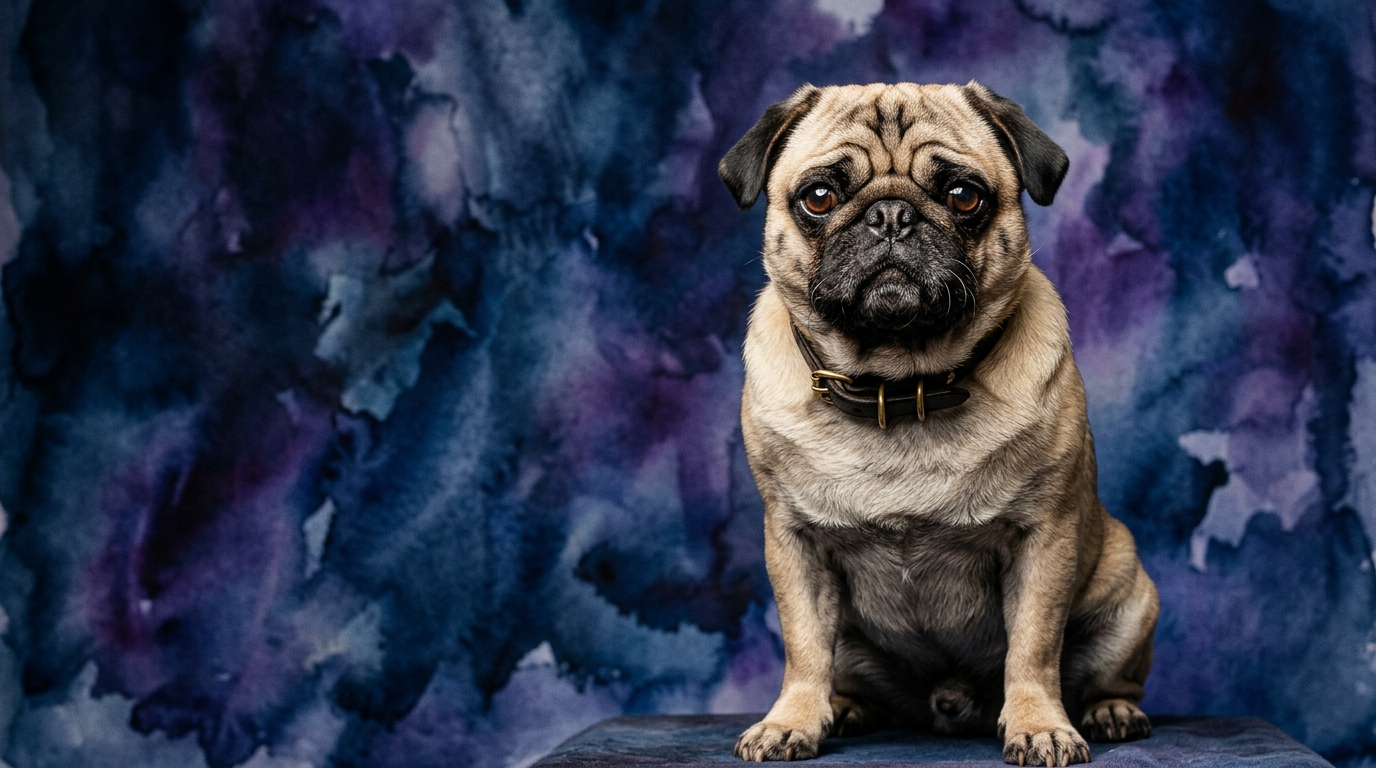
The Cosmic Pet Pet IQ Lab provides a detailed lens through which to examine the cognitive makeup of our canine companions. For the Pug, a charming and ancient breed within the Toy group, their profile reveals a unique blend of strengths and tendencies. Their Problem Solving ability is rated at 2/5, suggesting they often prefer to observe or seek human assistance rather than independently devising complex solutions. Training Speed also sits at 2/5; while eager to please, Pugs can require more patience and repetition to solidify new commands. However, their Social Intelligence is a remarkable 5/5, indicating an exceptional capacity to read and respond to human emotions. Their Instinctive Drive is a modest 2/5, reflecting their role as devoted companions rather than working dogs, and their Memory is a solid 3/5, enabling them to recall routines and social interactions consistently.
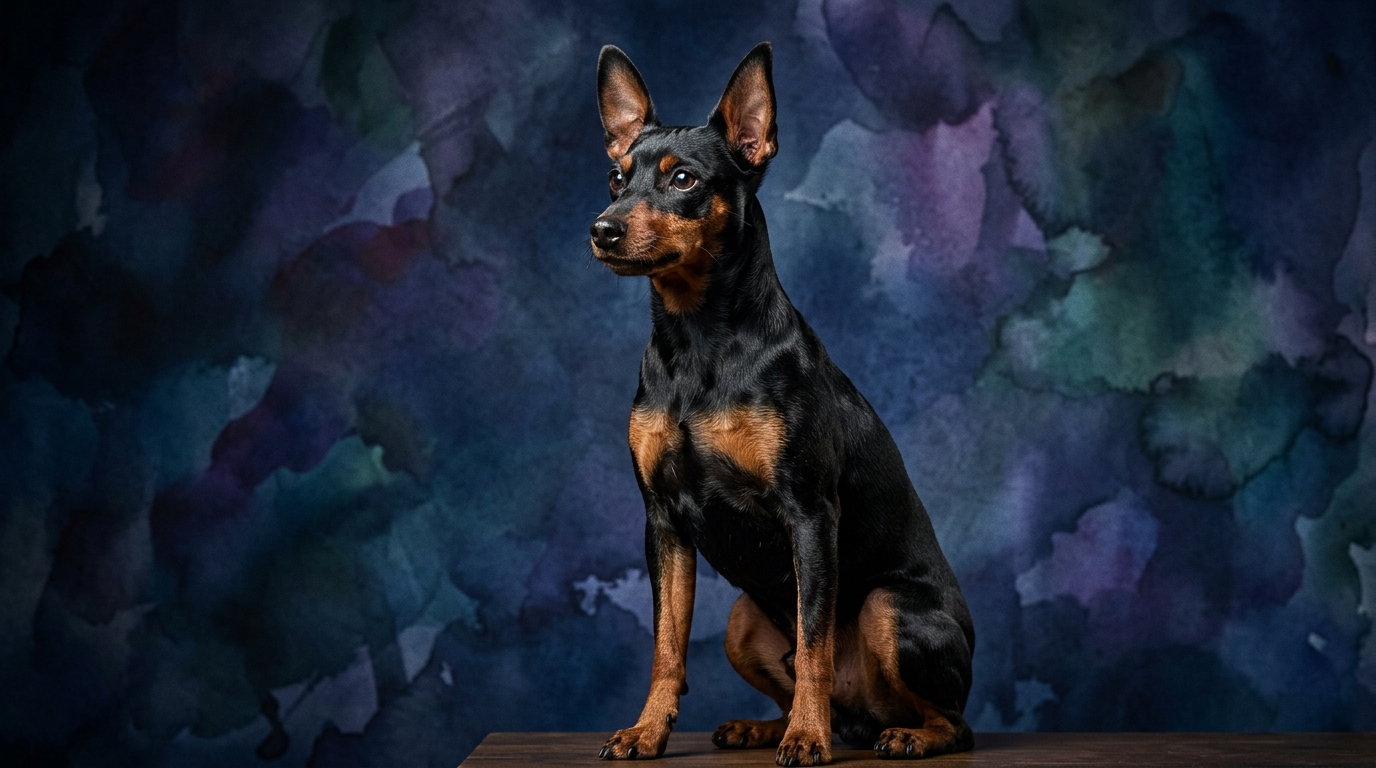
In contrast, the Miniature Pinscher, also a member of the Toy group but without a specific Coren rank, presents a different cognitive blueprint. Their Problem Solving score is 3/5, showing a moderate aptitude for figuring out novel situations independently. Training Speed matches this at 3/5, suggesting they learn new commands at a respectable pace, often driven by their alertness. Their Social Intelligence is 3/5, indicating they bond closely with their families and understand cues, but perhaps with a more independent flair than the Pug. The Miniature Pinscher's Instinctive Drive is 3/5, reflecting their spirited nature and keen awareness of their surroundings, often exhibiting a pronounced prey drive. Lastly, their Memory is also a 3/5, allowing them to retain learned behaviors and routines effectively.
Where the Pug's Cognition Shines
The Pug's primary cognitive strength lies undeniably in its unparalleled social intelligence, scoring a perfect 5 out of 5. This isn't merely about being affectionate; it's a sophisticated ability to interpret human body language, tone of voice, and emotional states with remarkable accuracy. A Pug often seems to anticipate its owner's mood, offering comfort or playful antics precisely when needed, demonstrating a deep empathetic connection that few other breeds possess to the same degree. This high social acumen makes them exceptional emotional support animals, instinctively knowing how to provide companionship and comfort through subtle cues.
While their memory score of 3 out of 5 is shared with the Miniature Pinscher, the Pug's application of this memory often intertwines with their social intelligence. They excel at remembering which family member is most likely to share a snack, who provides the best cuddles, or the specific routine that leads to a favorite activity. This memory is less about complex sequences and more about recalling social rewards and comfort, reinforcing their bond-centric approach to life. Their consistent recall of social interactions and routines solidifies their role as highly intuitive companions, always remembering their place within the family unit and who gives the best ear scratches.
Where the Miniature Pinscher's Cognition Excels
The Miniature Pinscher distinguishes itself with a superior problem-solving ability, rated at 3 out of 5 compared to the Pug's 2 out of 5. This breed exhibits a more independent and experimental approach to navigating its environment. Faced with a puzzle toy or a closed door, a Min Pin is more likely to actively investigate, push, pull, or strategize to achieve its objective, rather than waiting for human intervention or charming its way to a solution. This tenacity and curiosity mean they often find creative ways to get what they want, whether it's reaching a forbidden treat or exploring a new space, showcasing a robust mental agility.
Complementing their problem-solving, Miniature Pinschers also demonstrate higher scores in training speed and instinctive drive, both rated at 3 out of 5 against the Pug's 2 out of 5. Their quicker learning curve is often a result of their alertness and an inherent desire for engagement, making them more receptive to structured lessons. The higher instinctive drive manifests as a keen awareness of their surroundings, a propensity for chasing small objects, and a general spiritedness. This combination makes them adept at activities requiring focus, quick reactions, and a degree of independent thought, such as agility or obedience sports, where their natural zest for life and problem-solving skills can truly shine.
Training Dynamics: Pug vs. Miniature Pinscher
When evaluating ease of training, the Miniature Pinscher generally holds an edge, with a training speed score of 3 out of 5 compared to the Pug's 2 out of 5. Min Pins often learn new commands more rapidly due to their innate alertness and a desire for mental engagement. Their higher instinctive drive, rated at 3/5, translates into a breed that can be highly motivated by play, chase, and novel experiences, which can be effectively channeled into training. However, their spirited and independent nature means that while they learn quickly, they might also test boundaries, requiring a trainer to be consistent and firm, yet always positive. Their quick cognitive processing allows them to grasp concepts efficiently, but their independent streak means that motivation needs to be compelling.
Pugs, while possessing a lower training speed score, are not untrainable; their approach to learning is simply different. Their exceptional social intelligence (5/5) means they are highly motivated by pleasing their human companions and desire strong emotional connections. Training a Pug often requires more patience, shorter sessions, and a greater emphasis on positive reinforcement, particularly food rewards and praise, which appeal to their comfort-seeking nature. Their tendency towards stubbornness or distraction can make the process slower, but their deep bond with their owner can be a powerful motivator. A Pug might take longer to grasp a command, but once it understands the social reward associated with it, they are often eager to comply, driven by their desire for affection and connection rather than independent achievement.
Companion Suitability: Active vs. Relaxed Lifestyles
For owners seeking a more relaxed, comfort-oriented companion, the Pug is often the ideal match. Their low instinctive drive (2/5) and moderate problem-solving abilities (2/5) mean they are generally content with a less demanding routine. Pugs thrive on companionship and physical closeness, preferring leisurely strolls, napping by their owner's side, and engaging in gentle play. Their paramount social intelligence (5/5) makes them incredibly attuned to human emotions, offering a comforting presence without requiring constant mental or physical challenges. They are perfectly suited for quiet households or individuals who appreciate a dog whose primary joy is simply being with their people, providing consistent, gentle emotional support.
Conversely, the Miniature Pinscher, with its higher scores in problem-solving (3/5), training speed (3/5), and instinctive drive (3/5), is better suited for more active and engaged owners. This breed possesses a robust energy level and a curious mind that requires consistent mental and physical stimulation. Min Pins enjoy activities like brisk walks, puzzle toys, and even participation in dog sports such as agility or obedience, where their intelligence and drive can be harnessed constructively. They thrive in environments where they are given tasks or challenges to solve, and their independent spirit means they appreciate opportunities for exploration and purpose. An owner who can provide consistent training, varied activities, and a structured yet stimulating environment will find the Miniature Pinscher to be a rewarding and lively companion.
The Verdict
Choose a Pug if you prioritize an exceptionally empathetic, comfort-seeking companion who thrives on deep social connections and offers unwavering emotional support in a relaxed home environment.
Opt for a Miniature Pinscher if you desire an alert, spirited, and independent companion who enjoys mental challenges, requires consistent engagement, and can excel in activities that tap into their innate drive and problem-solving skills.
🧠 Find Your Pet's IQ Score
Our Pet IQ Lab assessment covers 25+ tests across 5 cognitive dimensions — personalized to your breed.
Take the Full IQ Test →Frequently Asked Questions
Are Pugs difficult to train due to their lower training speed score?
Pugs are not inherently difficult to train, but they do require more patience and positive reinforcement due to their lower training speed (2/5). Their high social intelligence means they respond well to training that strengthens their bond with their owner and uses praise and food as motivators.
Do Miniature Pinschers make good watchdogs given their instinctive drive?
Yes, Miniature Pinschers often make excellent watchdogs. Their instinctive drive (3/5) and alertness contribute to a keen awareness of their surroundings, prompting them to bark at unusual sights or sounds, effectively alerting their owners to potential intrusions.
Which breed is more affectionate between the Pug and Miniature Pinscher?
While both breeds bond with their families, the Pug typically exhibits a higher degree of overt affection and a more intense desire for physical closeness, thanks to its exceptional social intelligence (5/5). Miniature Pinschers are affectionate but often display it with more independence and selectivity.