Side-by-Side IQ Profile: Pug vs. Norwegian Elkhound
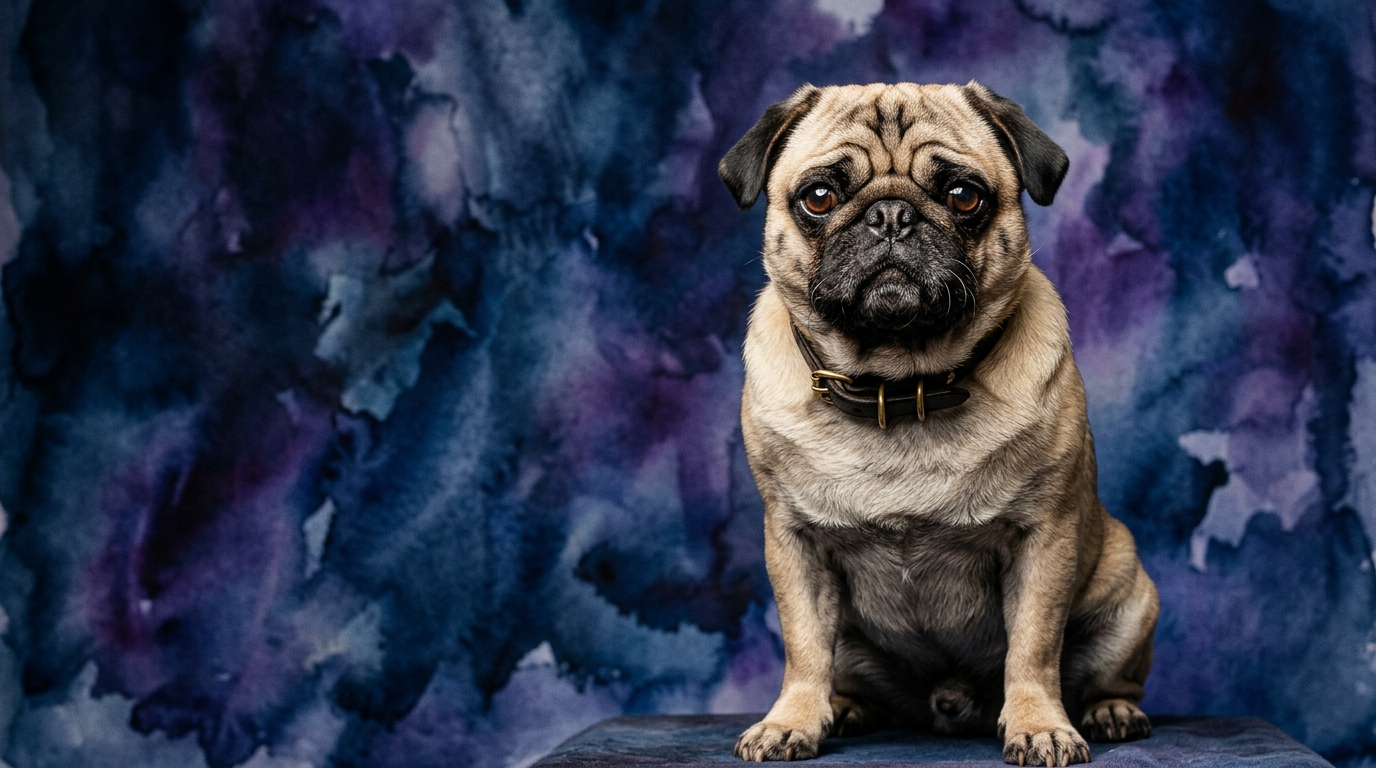
The Pug, ranking #57 on the Coren scale, presents a cognitive profile geared towards companionship and interaction. Their problem-solving is rated at 2/5, suggesting they may not independently devise complex solutions to novel challenges. Training speed also registers at 2/5, indicating a slower pace for command acquisition and requiring more repetition. However, their social intelligence shines at a perfect 5/5, reflecting an exceptional capacity to understand and respond to human cues and emotions. Instinctive drive is moderate at 2/5, meaning they are less compelled by primal hunting or working behaviors, while their memory stands at 3/5, sufficient for routine but perhaps less robust for intricate sequences.
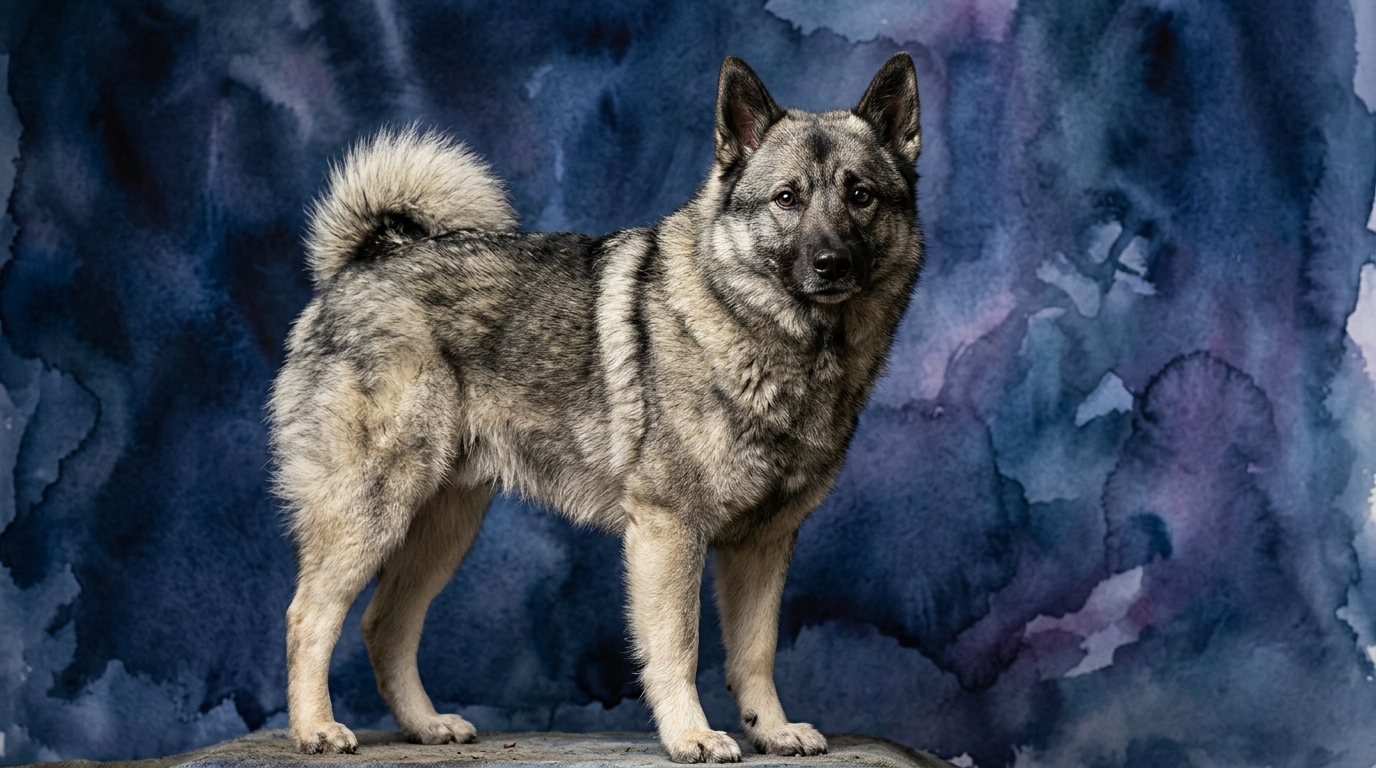
In contrast, the Norwegian Elkhound, positioned at Coren rank #36, exhibits a more robust and independent cognitive makeup, reflecting their heritage as a hunting and herding breed. Their problem-solving ability is strong at 4/5, indicating an aptitude for navigating complex situations and finding independent solutions. Training speed is also commendable at 4/5, suggesting they learn new commands and tasks relatively quickly. Social intelligence is solid at 3/5, allowing for good human interaction, though perhaps not with the same intense focus as a Pug. Their instinctive drive is a significant 3/5, reflecting a natural inclination towards tasks requiring persistence and focus, and their memory is excellent at 4/5, enabling them to retain a wide array of information and experiences.
Where the Pug Wins Cognitively
The Pug's undisputed cognitive strength lies in their exceptional social intelligence, scoring a perfect 5/5. This isn't just about being friendly; it signifies a profound ability to read human emotions, intentions, and subtle body language. A Pug is acutely aware of its owner's mood, often mirroring it or attempting to alleviate distress through proximity and gentle nudges. This makes them incredibly attuned companions, capable of forming deep, empathetic bonds. They excel at understanding social dynamics within a household, often positioning themselves as central figures who thrive on interaction and affection, making them particularly adept at navigating the nuances of human family life.
While their problem-solving and training speed scores are lower, their social intelligence often compensates in a home environment. A Pug might not figure out a complex puzzle toy quickly, but they will likely figure out how to elicit attention or a desired reaction from their human with remarkable efficiency. Their memory, while not top-tier at 3/5, is more than adequate for remembering daily routines, favorite people, and the locations of comfort items, further supporting their role as a devoted and predictable companion.
Where the Norwegian Elkhound Wins Cognitively
The Norwegian Elkhound's cognitive profile showcases a breed built for purpose and independent thought. Their 4/5 problem-solving score indicates a strong capacity for independent decision-making and navigating challenging environments, a trait honed over centuries of tracking game in rugged terrain. This means they are less likely to become flustered by novel situations and are more inclined to experiment with solutions rather than immediately seeking human intervention. This cognitive flexibility makes them excellent candidates for advanced obedience, agility, or scent work, where adaptability and independent reasoning are prized.
Furthermore, their training speed (4/5) and memory (4/5) are considerable advantages. Elkhounds can grasp complex command sequences and retain them over long periods, making them capable of learning a broad repertoire of behaviors and tasks. This quick learning combined with a robust memory allows them to build on past experiences, refining their responses and strategies. Their instinctive drive (3/5) further enhances these abilities, providing the persistence and focus necessary to see tasks through, whether it's a training exercise or an exploration in the backyard.
Which is Easier to Train and Why
Based on their Pet IQ Lab scores, the Norwegian Elkhound is generally easier to train than the Pug. The Elkhound's training speed of 4/5, coupled with a problem-solving score of 4/5 and memory of 4/5, means they acquire new commands and behaviors relatively quickly and retain them effectively. They possess a natural inclination to understand tasks and work towards solutions, making them responsive to varied training methods, especially those that engage their intellect and instinctive drives. Their historical role required them to make independent decisions while also taking direction, fostering a balance that aids trainability.
The Pug, with a training speed of 2/5, often requires more patience and repetition. While their high social intelligence means they are eager to please their human, their lower problem-solving and instinctive drive scores suggest they may not always connect the dots between a command and the desired action as readily. Training a Pug often relies heavily on positive reinforcement and making the process feel like a fun, social interaction rather than a rigorous task. They might be easily distracted by social opportunities, meaning a trainer needs to be engaging and consistent to maintain their focus.
Which Suits Active Owners vs. Relaxed Owners
The Norwegian Elkhound is a better match for active owners. Their robust physical and mental capabilities demand regular engagement; a 4/5 problem-solving score paired with a 3/5 instinctive drive means they thrive on activities that challenge both their bodies and minds. Owners who enjoy hiking, long walks, scent work, or dog sports will find the Elkhound a willing and capable partner. They need consistent mental stimulation to prevent boredom, which can manifest as undesirable behaviors. An Elkhound is not content to simply observe; they want to participate and explore.
Conversely, the Pug is an ideal companion for relaxed owners. Their moderate instinctive drive (2/5) and lower problem-solving (2/5) mean their needs for strenuous activity are minimal. While they enjoy short walks and playtime, their primary desire is often to be close to their human, capitalizing on their 5/5 social intelligence. They are content with a comfortable spot on the couch, thriving on companionship and gentle interaction rather than intense physical or mental challenges. Owners seeking a devoted, low-key presence who offers boundless affection will find the Pug perfectly suited to their lifestyle.
The Verdict
Choose a Pug if your priority is an exceptionally socially intelligent, devoted companion who thrives on close human interaction and requires less intense mental or physical exertion.
Opt for a Norwegian Elkhound if you are an active owner seeking a capable, problem-solving partner for outdoor adventures and enjoy engaging in consistent, stimulating training activities.
🧠 Find Your Pet's IQ Score
Our Pet IQ Lab assessment covers 25+ tests across 5 cognitive dimensions — personalized to your breed.
Take the Full IQ Test →Frequently Asked Questions
Do Pugs learn new tricks easily?
Pugs have a training speed of 2/5, meaning they typically take longer to learn new tricks compared to many other breeds. Consistency, positive reinforcement, and making training feel like a social game are key to success, as they are motivated by pleasing their human.
Are Norwegian Elkhounds good at solving puzzles?
With a problem-solving score of 4/5, Norwegian Elkhounds are quite adept at solving puzzles and navigating complex situations. They enjoy mental challenges and are often persistent in figuring out how to achieve a goal, making them suitable for interactive toys and training scenarios.
Which breed is more independent, Pug or Norwegian Elkhound?
The Norwegian Elkhound, with higher problem-solving and instinctive drive, is generally more independent, capable of making decisions and working through challenges on their own. The Pug, with its 5/5 social intelligence, is more reliant on and attuned to human companionship, preferring guidance and interaction.