Side-by-Side IQ Profile: Pugs and Norwegian Lundehunds Under the Lens
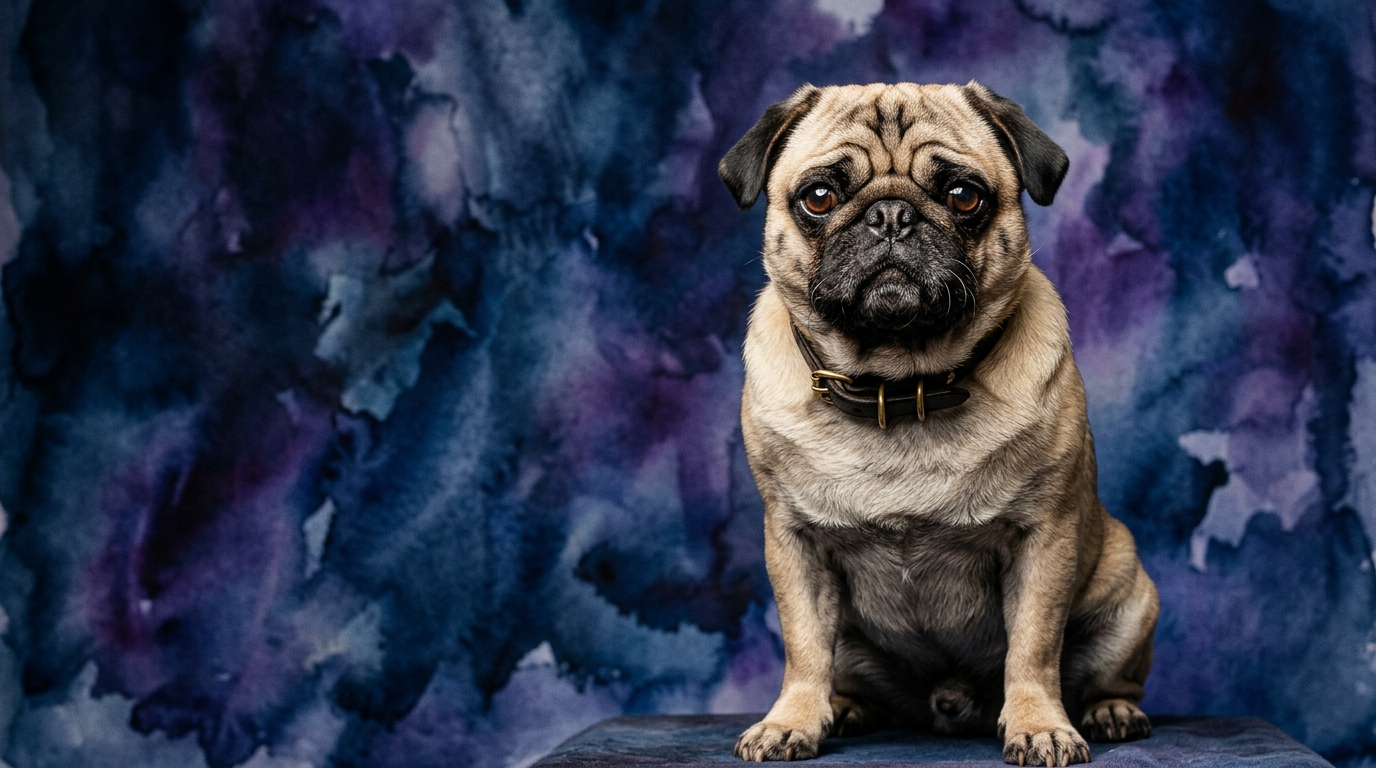
The Cosmic Pet Pet IQ Lab employs a five-dimensional framework to assess canine intelligence, offering a nuanced view beyond mere obedience. For the Pug, a Toy breed, their Coren rank of #57 suggests a moderate capacity for working intelligence and obedience, yet our deeper dive reveals a specialized cognitive makeup. Their Problem Solving score is 2/5, indicating they typically prefer to rely on their human companions rather than devising complex strategies for challenges. Training Speed, also at 2/5, points to a need for patience and consistent positive reinforcement, as they can be easily distracted or simply prefer comfort over rapid compliance. However, their Social Intelligence shines at a perfect 5/5, showcasing an unparalleled ability to read human cues, seek affection, and integrate seamlessly into family dynamics. Instinctive Drive is low at 2/5, reflecting their long history as dedicated companions rather than working dogs, while their Memory stands at an average 3/5, sufficient for routines and basic commands.
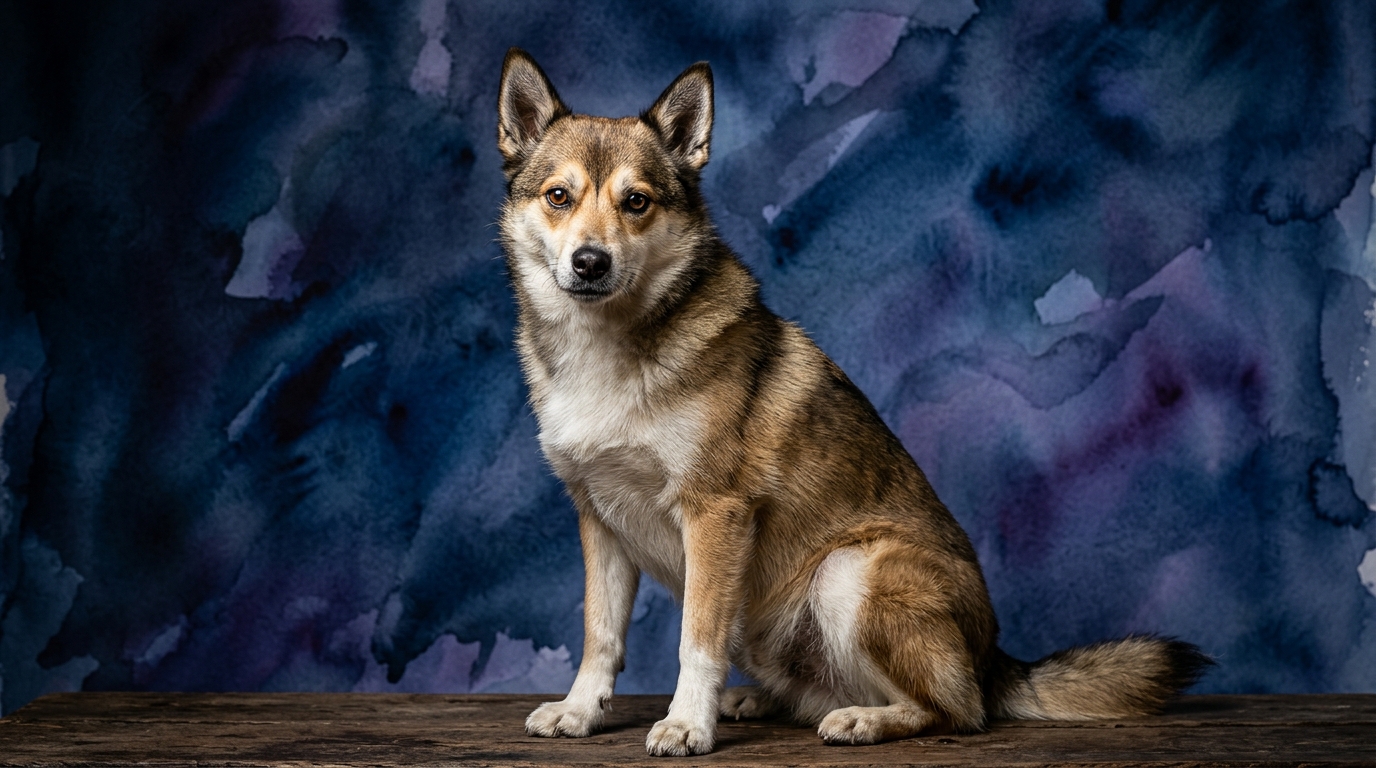
The Norwegian Lundehund, a distinctive Non-Sporting breed, does not hold a Coren rank, yet their profile reveals a different set of cognitive strengths, honed by their historical role. Their Problem Solving capability is rated 3/5, reflecting a moderate aptitude for independent thought and navigating complex situations, a trait essential for their original task of hunting puffins in rugged terrain. Training Speed is also 3/5, suggesting they are capable learners but possess an independent streak that can make training a collaborative, rather than purely compliant, effort. Their Social Intelligence is a balanced 3/5; they form strong bonds with their families but may exhibit more reserve with strangers compared to the universally gregarious Pug. Instinctive Drive is moderate at 3/5, encompassing their unique physical agility and natural curiosity for exploration. Like the Pug, their Memory is scored at 3/5, allowing them to recall relevant information and learned behaviors effectively within their environment.
Where the Pug Wins Cognitively: The Art of Connection
The Pug's undisputed cognitive strength lies in their exceptional Social Intelligence, scoring a perfect 5/5. This isn't merely about being friendly; it's a sophisticated capacity to perceive, interpret, and respond to human emotions and social cues with remarkable precision. A Pug can often sense a shift in a guardian's mood, offering a comforting presence or a playful nudge exactly when needed. Their entire existence revolves around fostering deep emotional bonds, making them masters of non-verbal communication within a family unit. This profound social acuity allows them to integrate into diverse household dynamics with unparalleled ease, intuiting acceptable behaviors and boundaries through observation and subtle feedback. Their cognitive efforts are primarily directed towards maintaining harmony and connection, making them profound emotional anchors for their human companions.
Where the Norwegian Lundehund Wins Cognitively: Independent Problem-Solving and Adaptability
The Norwegian Lundehund's cognitive advantages are rooted in their history as a specialized working dog, particularly evident in their Problem Solving score of 3/5, which surpasses the Pug's 2/5. Their unique physical adaptations, such as six toes and highly flexible joints, are not just physical traits but enable a cognitive approach to navigating challenging environments. Lundehunds were bred to hunt puffins on treacherous coastal cliffs, requiring them to independently assess and overcome obstacles, squeeze into tight crevices, and retrieve prey without direct human oversight. This background fosters a mind that is more inclined to analyze and strategize when faced with novel situations, rather than simply waiting for direction. Their moderate Instinctive Drive also fuels this curiosity and drive to explore and understand their surroundings, giving them an edge in self-directed cognitive tasks.
Which is Easier to Train and Why: A Tale of Two Motivations
When it comes to ease of training, the Pug (Training Speed 2/5) and the Norwegian Lundehund (Training Speed 3/5) present distinct challenges and rewards. Pugs, despite their eagerness to please socially, often find formal training tedious. Their lower problem-solving aptitude and instinctive drive mean they might not grasp complex sequences quickly or maintain focus for extended periods. They can be perceived as stubborn, but it's more often a combination of short attention spans, a preference for comfort, and a tendency to prioritize social interaction over task completion. Effective Pug training requires immense patience, short, fun sessions, and motivation through high-value treats and effusive praise, leveraging their high social intelligence to make learning a positive bonding experience.
The Norwegian Lundehund, with a slightly higher Training Speed of 3/5, is capable of learning a broader range of commands and tasks. However, their independence and moderate problem-solving skills mean they often prefer to figure things out on their own or question the necessity of a command. They aren't inherently stubborn like some breeds; rather, they are thinking dogs who need a clear purpose and engaging methods to stay motivated. Training a Lundehund requires a creative approach, incorporating puzzle-solving elements, agility, and activities that tap into their natural curiosity and desire to explore. Owners must build trust and demonstrate the value of cooperation, as a Lundehund will often comply because they understand the benefit, not just out of blind obedience. Their training is less about rote memorization and more about fostering a partnership.
Which Suits Active Owners vs. Relaxed Owners: Matching Lifestyle to Lobe
The cognitive profiles of the Pug and Norwegian Lundehund clearly delineate which breed aligns better with different owner lifestyles. The Pug, with its low instinctive drive (2/5), lower problem-solving skills (2/5), and unparalleled social intelligence (5/5), is an ideal fit for relaxed owners. Their primary cognitive need is companionship and comfort, thriving in environments where they can be a constant, affectionate presence. They are content with short, leisurely strolls, preferring cozy naps and lap time over rigorous physical or mental challenges. Their cognitive energy is expended on monitoring and responding to their human family's emotional landscape, making them perfect for individuals or families seeking a devoted, low-key indoor companion.
Conversely, the Norwegian Lundehund, with its moderate problem-solving (3/5) and instinctive drive (3/5), coupled with their unique physical capabilities, is better suited for moderately active and engaged owners. These dogs possess a curious mind that needs stimulation beyond simple companionship. They enjoy exploring new environments, engaging in puzzle toys, and participating in activities that challenge both their bodies and minds. While not hyperactive, a Lundehund benefits from regular opportunities to use their problem-solving skills, whether it's navigating an agility course, scent work, or simply exploring a varied hiking trail. Owners who appreciate an independent thinker and are prepared to provide consistent mental and physical enrichment will find a rewarding partnership with a Lundehund.
The Verdict
For those seeking a canine companion whose cognitive strength lies in profound social connection and emotional intuition, the Pug is the unequivocal choice. They offer unparalleled devotion and thrive in a relaxed environment where their primary role is to be a loving, comforting presence.
If your lifestyle favors an independent, curious, and moderately active partner who enjoys solving challenges and exploring the world with a unique physical prowess, the Norwegian Lundehund will be a fulfilling addition to your family.
🧠 Find Your Pet's IQ Score
Our Pet IQ Lab assessment covers 25+ tests across 5 cognitive dimensions — personalized to your breed.
Take the Full IQ Test →Frequently Asked Questions
Are Pugs truly stubborn or just easily distracted?
Pugs are often perceived as stubborn due to their 2/5 Training Speed, but it's more accurately described as a combination of a short attention span, a preference for comfort, and a tendency to prioritize social interaction over complex tasks. They respond best to short, positive, and highly motivating training sessions that leverage their high social intelligence.
What unique physical traits of the Lundehund contribute to its intelligence profile?
The Norwegian Lundehund's six toes and highly flexible joints, including shoulders that can extend at right angles, are not just physical attributes but directly supported their historical problem-solving needs. These traits enabled them to independently navigate treacherous cliffs and squeeze into tight rock crevices while hunting puffins, fostering a cognitive ability to assess and overcome complex environmental challenges.
How does a Lundehund's independent nature manifest in daily life?
A Lundehund's independent nature, reflected in its 3/5 problem-solving and training speed, means they might explore their surroundings with curiosity, sometimes finding their own solutions to situations rather than immediately following a command. They may be reserved with strangers and require engaging, purposeful training that respects their self-reliant thought process, often needing to understand the "why" behind a request.