Side-by-Side IQ Profile: Pug vs. Tibetan Spaniel
At The Cosmic Pet Pet IQ Lab, we analyze canine cognition across five key dimensions. Let’s examine how the Pug and the Tibetan Spaniel measure up:
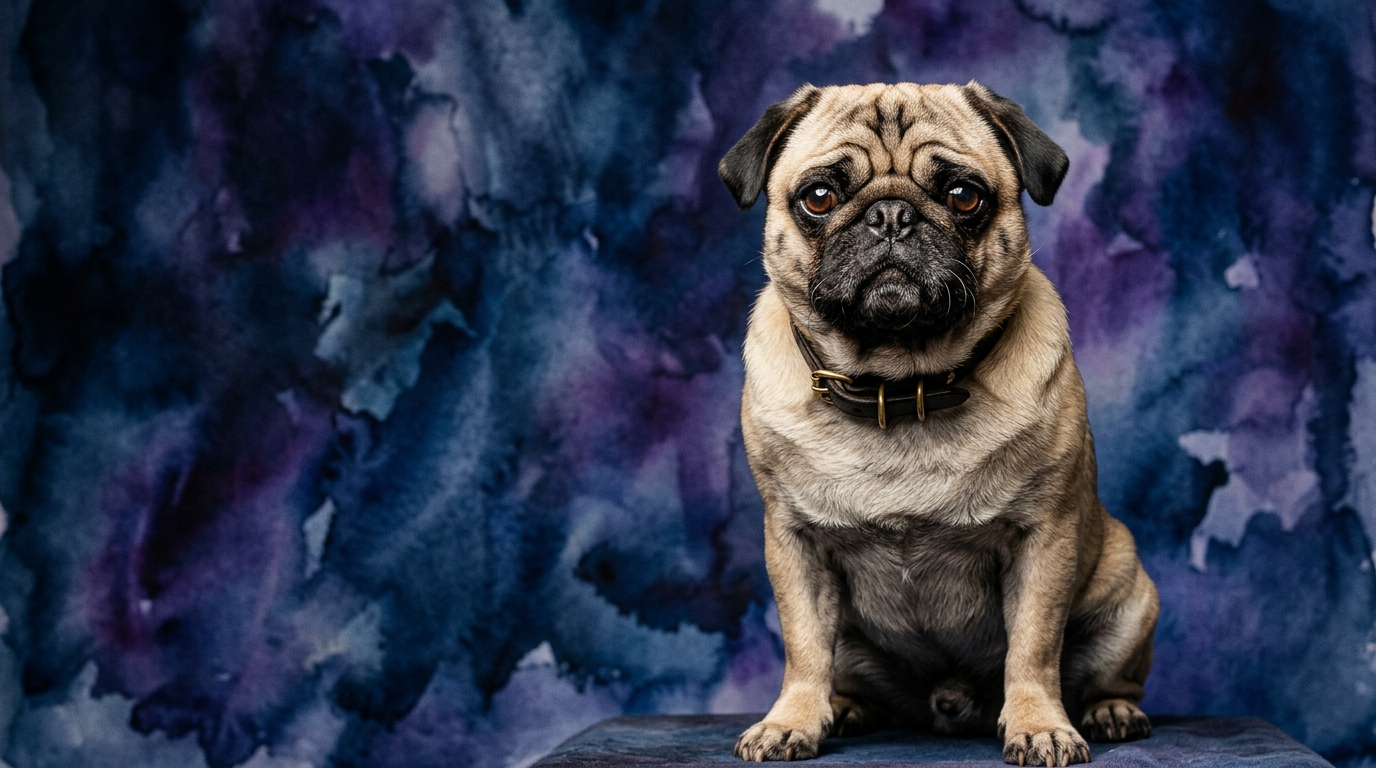
**Pug (Toy Group):** This charming companion breed, ranked #57 by Coren, exhibits a cognitive profile deeply rooted in social connection. Their **Problem Solving** is rated at 2/5, indicating a preference for human assistance over independent task resolution, with limited persistence in intricate puzzles. **Training Speed** stands at 2/5; while eager to please, their focus can waver, requiring more repetitions for consistent command retention. Where Pugs truly shine is in **Social Intelligence**, scoring a perfect 5/5. They possess an exceptional ability to read human emotions, understand subtle social cues, and integrate seamlessly into family dynamics, often seeking and providing comfort. Their **Instinctive Drive** is 2/5, reflecting minimal natural urges for hunting, herding, or guarding, with companionship being their primary instinct. Finally, their **Memory** is 3/5, an average capacity for retaining routines, learned commands, and favored locations.
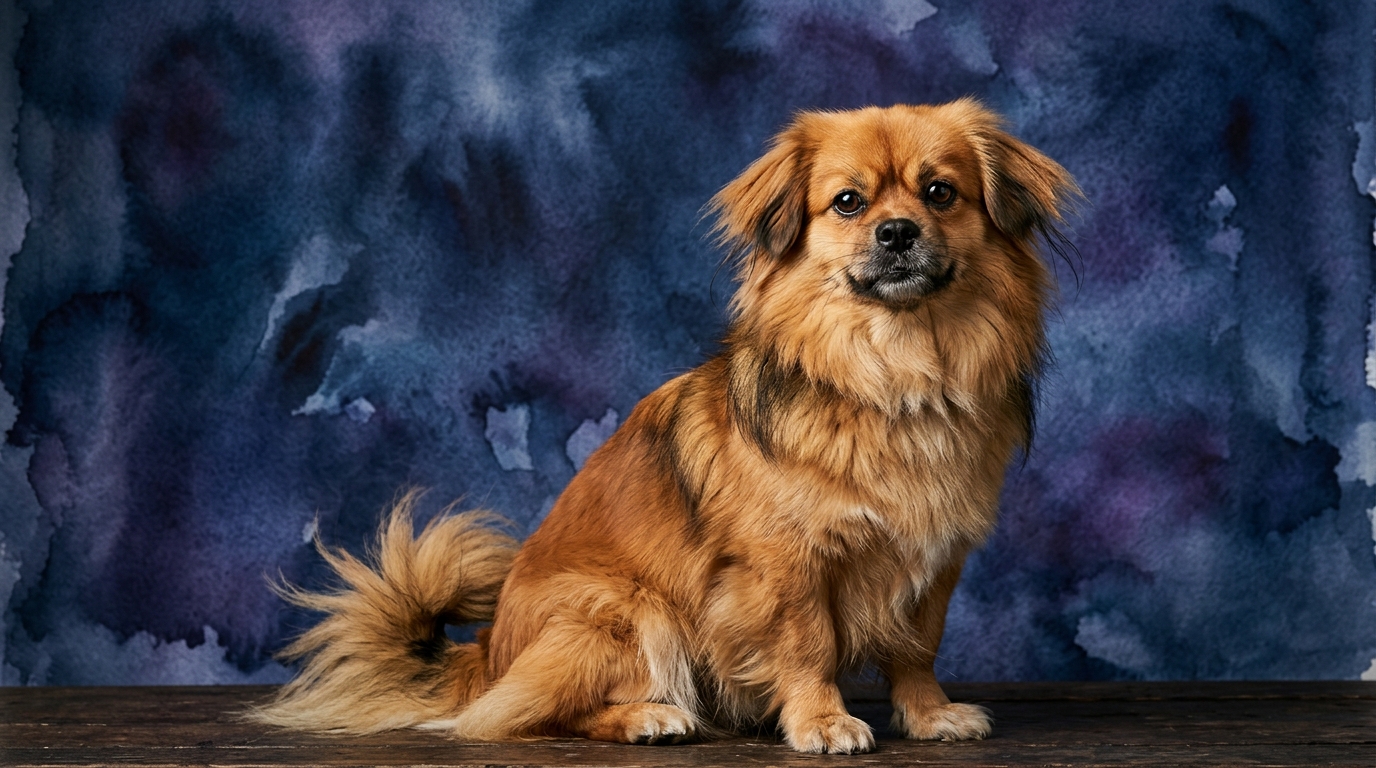
**Tibetan Spaniel (Non-Sporting Group):** This ancient breed, not formally Coren-ranked, presents a more balanced and independent cognitive makeup. Their **Problem Solving** is 3/5, showing a moderate capacity for independent thought and figuring out solutions to environmental challenges, such as opening cabinets. **Training Speed** is rated 3/5; they learn at an average pace with consistent, positive reinforcement, though their independence can sometimes lead to selective hearing. **Social Intelligence** is 3/5; while affectionate with their family, they tend to be more reserved with strangers and possess a balanced understanding of social dynamics without the Pug's intense focus on human emotional states. Their **Instinctive Drive** is 3/5, retaining moderate watch-dog instincts from their monastery heritage, often preferring elevated perches to survey their domain. Like Pugs, their **Memory** is 3/5, demonstrating an average recall for routines, commands, and social interactions.
Where the Pug Wins Cognitively
The Pug's undisputed cognitive strength lies in its profound Social Intelligence (5/5). This isn't just about being friendly; it's a sophisticated ability to understand and respond to the nuances of human emotion and social structures. A Pug is exceptionally adept at reading facial expressions, body language, and vocal tones, often seeming to anticipate its owner's moods or needs, instinctively offering comfort. This high social IQ makes them unparalleled companions for those seeking a deeply empathetic and attuned canine partner. They thrive on human interaction, using their understanding of social dynamics to foster strong, reciprocal bonds, making them masters of co-existence and emotional support.
Where the Tibetan Spaniel Wins Cognitively
The Tibetan Spaniel demonstrates a more balanced cognitive profile, notably outperforming the Pug in Problem Solving (3/5 vs 2/5), Training Speed (3/5 vs 2/5), and Instinctive Drive (3/5 vs 2/5). Their slightly higher problem-solving capacity means they are more inclined to independently assess and navigate novel situations, such as figuring out how to open gates or retrieve toys. Their historical role as monastery watchdogs fostered a degree of self-reliance and environmental awareness. This breed's moderate instinctive drive also contributes to its cognitive advantage, providing natural curiosity and a desire to engage with surroundings, leading to more active mental engagement than the generally more placid Pug. While not as intensely social, their balanced social intelligence (3/5) allows for strong bonds while maintaining independent thought, making them capable of both companionship and self-directed activity.
Which Is Easier to Train and Why
When considering ease of training, the Tibetan Spaniel generally holds an edge. This is primarily due to its higher Training Speed (3/5 vs 2/5) and slightly greater Problem Solving aptitude (3/5 vs 2/5). Tibetan Spaniels tend to pick up new commands with fewer repetitions, provided training is engaging and consistent. Their moderate instinctive drive means they are often more motivated by tasks and exploration, which can be leveraged in training. However, their independent streak can sometimes make them appear stubborn if they don't see immediate value, responding best to positive reinforcement and making training feel like a collaborative game.
The Pug, despite its intense desire to please and high Social Intelligence (5/5), presents different training challenges. Their lower Training Speed (2/5) means they require more repetitions. While they adore human attention, their lower Instinctive Drive (2/5) and shorter attention span can make them less inclined for prolonged, complex training sessions. Pugs are motivated by food and praise, but their independent spirit combined with a tendency towards comfort means they might choose a nap over a drill. They excel in learning routines and social etiquette, but intricate tricks require significant patience and understanding of their primary motivators: social connection and comfort.
Which Suits Active Owners vs. Relaxed Owners
The choice often hinges on an owner's lifestyle. For relaxed owners seeking a deeply empathetic, low-energy companion primarily focused on emotional connection, the Pug is an ideal fit. Their minimal Instinctive Drive (2/5) means they are content with short walks, plenty of snuggles, and being a constant, comforting presence. Their high Social Intelligence (5/5) ensures they thrive on close interaction, happy to spend days napping near their owner, offering silent support, or engaging in gentle play. They are not typically driven by extensive mental or physical challenges, making them perfect for apartment living and a quieter lifestyle.
Conversely, active owners who appreciate a dog with more independent spirit, curiosity, and a moderate need for mental engagement might find the Tibetan Spaniel more suitable. Their moderate Instinctive Drive (3/5) and higher Problem Solving (3/5) capacity mean they benefit from regular walks, engaging play, and opportunities to explore. While not requiring marathon runs, they enjoy varied activities, puzzle toys, and light agility. Their balanced Social Intelligence (3/5) means they bond deeply but also possess self-sufficiency, content to entertain themselves or survey their domain. They offer a blend of affection and independent spirit, suiting owners who enjoy a more interactive and moderately active canine partnership.
The Verdict
Choose a Pug if you prioritize an intensely social, emotionally attuned companion who thrives on close physical presence and offers profound empathetic connection without demanding extensive physical or mental engagement.
Opt for a Tibetan Spaniel if you desire a moderately active, curious companion with a balanced blend of affection and independent spirit, capable of self-amusement and moderate training challenges.
🧠 Find Your Pet's IQ Score
Our Pet IQ Lab assessment covers 25+ tests across 5 cognitive dimensions — personalized to your breed.
Take the Full IQ Test →Frequently Asked Questions
Are Pugs difficult to train?
Pugs aren't inherently difficult, but their training speed is lower (2/5), requiring more repetitions and patience. They are highly motivated by social connection and food, so positive reinforcement and making training fun and short are key to success.
Do Tibetan Spaniels need a lot of exercise?
Tibetan Spaniels have a moderate instinctive drive (3/5), meaning they enjoy regular, moderate exercise. Daily walks, engaging playtime, and opportunities for mental stimulation like puzzle toys are usually sufficient to keep them content.
Which breed is better with strangers?
The Pug, with its high social intelligence (5/5), is generally more outgoing and friendly towards strangers, often seeking attention. The Tibetan Spaniel, with moderate social intelligence (3/5), tends to be more reserved and discerning, often observing before engaging with new people.