Side-by-Side Cognitive Profiles
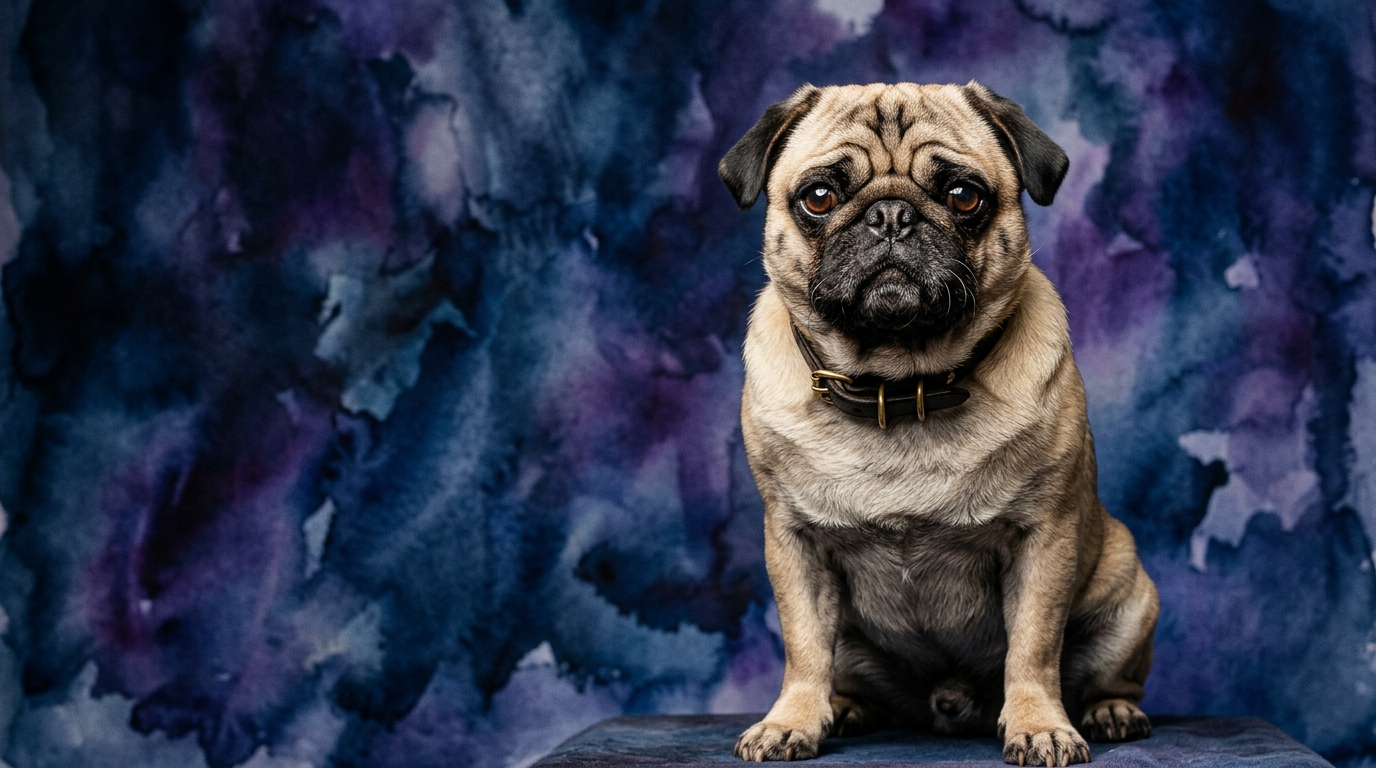
The Cosmic Pet Pet IQ Lab employs a multi-dimensional approach to assess canine cognition, moving beyond simplistic notions of intelligence. For the Pug, ranked #57 in Coren's scale, their profile reveals a Problem Solving score of 2/5, suggesting they aren't naturally inclined to tackle complex puzzles independently. Their Training Speed, also at 2/5, indicates a leisurely approach to learning new commands, often requiring patience and repetition. However, Pugs truly shine in Social Intelligence, scoring a perfect 5/5, reflecting their deep connection to human companions and their ability to read social cues. Their Instinctive Drive is low at 2/5, meaning they possess minimal inherent urges for hunting or working tasks, preferring comfort and companionship. Memory for Pugs stands at a solid 3/5, allowing them to recall routines and familiar faces consistently.
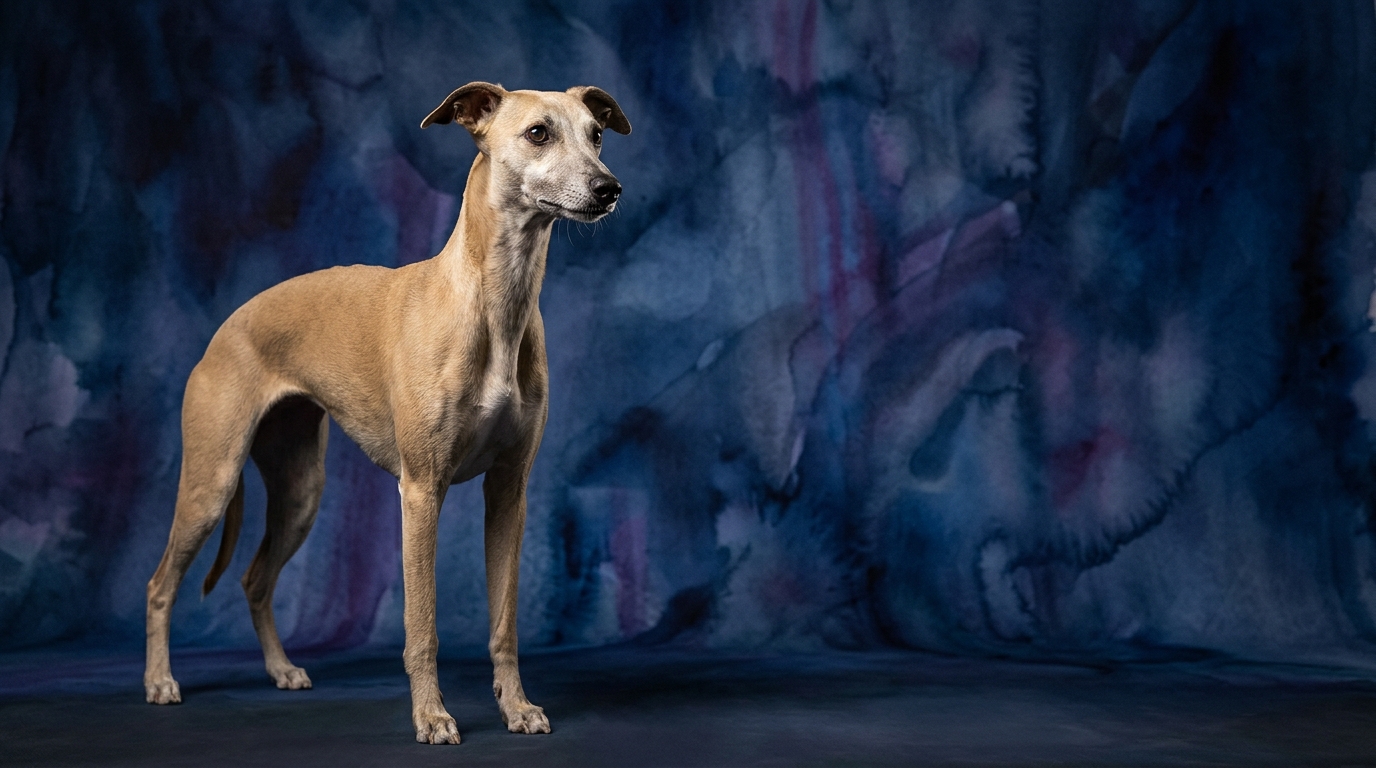
In contrast, the Whippet, with a Coren rank of #51, presents a different cognitive blueprint. Their Problem Solving ability is rated 3/5, indicating a moderate capacity to figure out challenges, particularly when a reward is involved. Training Speed matches the Pug's at 2/5, suggesting similar challenges in rapid command acquisition. Whippets exhibit strong Social Intelligence at 4/5, making them affectionate and attuned to their families, though perhaps with a touch more independence than a Pug. Where Whippets truly differentiate themselves is in Instinctive Drive, scoring an impressive 5/5. This reflects their powerful prey drive and their innate desire to chase and run, a hallmark of their sighthound heritage. Their Memory, like the Pug's, is 3/5, enabling them to retain learned behaviors and recognize their environment effectively.
Where the Pug Wins Cognitively
The Pug's undisputed cognitive strength lies in their exceptional Social Intelligence, scoring 5 out of 5. This isn't merely about being friendly; it signifies a profound capacity to understand and respond to human emotions, subtle body language, and vocal intonations. A Pug is exquisitely sensitive to their owner's mood, often offering comfort or seeking interaction precisely when needed, creating an unparalleled bond of emotional reciprocity. This high social acumen makes them masters of companionship, adept at navigating complex household dynamics and forming strong, empathetic connections. Their memory, while not stellar at 3/5, effectively supports their social roles, enabling them to remember favorite people, routines, and the specific ways to elicit attention or affection from their human family members.
Where the Whippet Wins Cognitively
The Whippet's cognitive advantages are rooted in their inherent athleticism and sighthound lineage. Their Instinctive Drive, a perfect 5/5, is a dominant force, manifesting as a powerful urge to chase and pursue moving objects. This drive, while sometimes challenging in urban environments, fuels their agility and focus during activities like lure coursing or fetch, demonstrating a sharp, instinctual intelligence for predation and movement. Complementing this is their Problem Solving score of 3/5. While not outstanding, it suggests a greater capacity than the Pug to strategize and adapt in situations related to their drives, such as finding the fastest route to a perceived 'prey' or figuring out how to retrieve a toy from a tricky spot. Their memory score of 3/5 effectively aids in recalling these successful strategies and the layout of their running grounds.
Which is Easier to Train and Why
Both Pugs and Whippets share a Training Speed score of 2/5, suggesting neither breed is inherently quick to pick up new commands. However, the *reasons* for this moderate pace differ significantly, influencing the training approach. Pugs, with their low Instinctive Drive (2/5), may lack a strong internal motivation for tasks that don't directly involve social interaction or comfort. Their primary motivator is often human attention and affection, making positive reinforcement, especially praise and gentle interaction, highly effective. Training a Pug requires patience, consistency, and making the learning process feel like a fun, social game rather than a chore, leveraging their 5/5 Social Intelligence.
Whippets, despite the same Training Speed score, present a different set of considerations. Their high Instinctive Drive (5/5) means they can be incredibly focused and driven when motivated by a chase or a reward linked to their natural urges. However, this same drive can also be a significant distraction; a squirrel or a blowing leaf can instantly derail a training session. Their moderate Problem Solving (3/5) allows them to understand the 'how' of a command, but their independent hound nature might mean they question the 'why' if the reward isn't compelling or immediate. Effective Whippet training often involves high-value, quick rewards, short sessions to maintain focus, and working in environments with minimal distractions to manage their powerful instinctive urges. Neither is 'easier' in a universal sense; rather, they require different motivations and training strategies tailored to their unique cognitive profiles.
Which Suits Active vs. Relaxed Owners
Understanding the distinct cognitive profiles of Pugs and Whippets is key to matching them with the right lifestyle. The Pug, with its low Instinctive Drive (2/5) and supreme Social Intelligence (5/5), is an ideal companion for more relaxed owners. Their contentment stems from close proximity to their human family, a comfortable spot on the sofa, and gentle, consistent interaction. While they enjoy short, leisurely walks, their cognitive makeup doesn't demand strenuous physical or mental challenges rooted in traditional dog 'work.' They thrive in environments where their primary role is that of an affectionate, attentive companion, making them perfect for individuals or families seeking a devoted, low-key presence.
Conversely, the Whippet's impressive Instinctive Drive (5/5) and moderate Problem Solving (3/5) make them a better fit for active owners who appreciate and can channel their natural athleticism and chase instinct. While they are calm indoors, a Whippet needs regular opportunities to run freely in a secure area, fulfilling their inherent urge to sprint and exercise their sighthound capabilities. Owners who enjoy activities like lure coursing, long walks where safe off-leash running is possible, or simply appreciate a dog that can keep pace with an active lifestyle, will find the Whippet's cognitive and physical needs align well. Their independence, stemming from their hound nature, also means they might enjoy exploring their environment with a bit more autonomy than a Pug.
The Verdict
Opt for a Pug if your lifestyle prioritizes constant companionship, emotional attunement, and a low-energy canine presence that thrives on social interaction and comfort.
Select a Whippet if you lead an active life, appreciate a dog with strong athletic drives, and can provide ample opportunities for their innate need to run and explore.
🧠 Find Your Pet's IQ Score
Our Pet IQ Lab assessment covers 25+ tests across 5 cognitive dimensions — personalized to your breed.
Take the Full IQ Test →Frequently Asked Questions
Are Pugs untrainable because of their low training speed score?
Not at all; Pugs can be trained effectively, but they require patience, consistency, and positive reinforcement focused on their desire for social connection. Their 2/5 Training Speed means they're not quick learners, but their 5/5 Social Intelligence makes them eager to please their beloved humans, given the right motivation.
Does a Whippet's high instinctive drive make them difficult to live with?
A Whippet's 5/5 Instinctive Drive requires responsible management, especially providing secure spaces for running and being mindful of their prey drive around small animals. While it means they need an outlet for their energy, it also makes them incredibly focused and joyful during activities that engage their natural instincts, leading to a well-exercised and happy companion.
How does a Pug's 5/5 social intelligence manifest in daily life?
A Pug's high social intelligence means they are exceptionally attuned to human emotions and interactions, often acting as a shadow, seeking proximity and offering comfort. They excel at reading moods, adapting to household routines, and forming deep, empathetic bonds, making them highly intuitive and devoted family members.