Side-by-Side IQ Profile: Interpreting Identical Scores
On paper, the Pumi and the Scottish Deerhound appear to share an identical cognitive blueprint, each scoring 3 out of 5 across all evaluated dimensions: Problem Solving, Training Speed, Social Intelligence, Instinctive Drive, and Memory. However, these identical numerical ratings mask profound differences in how these breeds apply their cognitive abilities, a distinction rooted deeply in their historical roles as a herding dog and a sighthound.
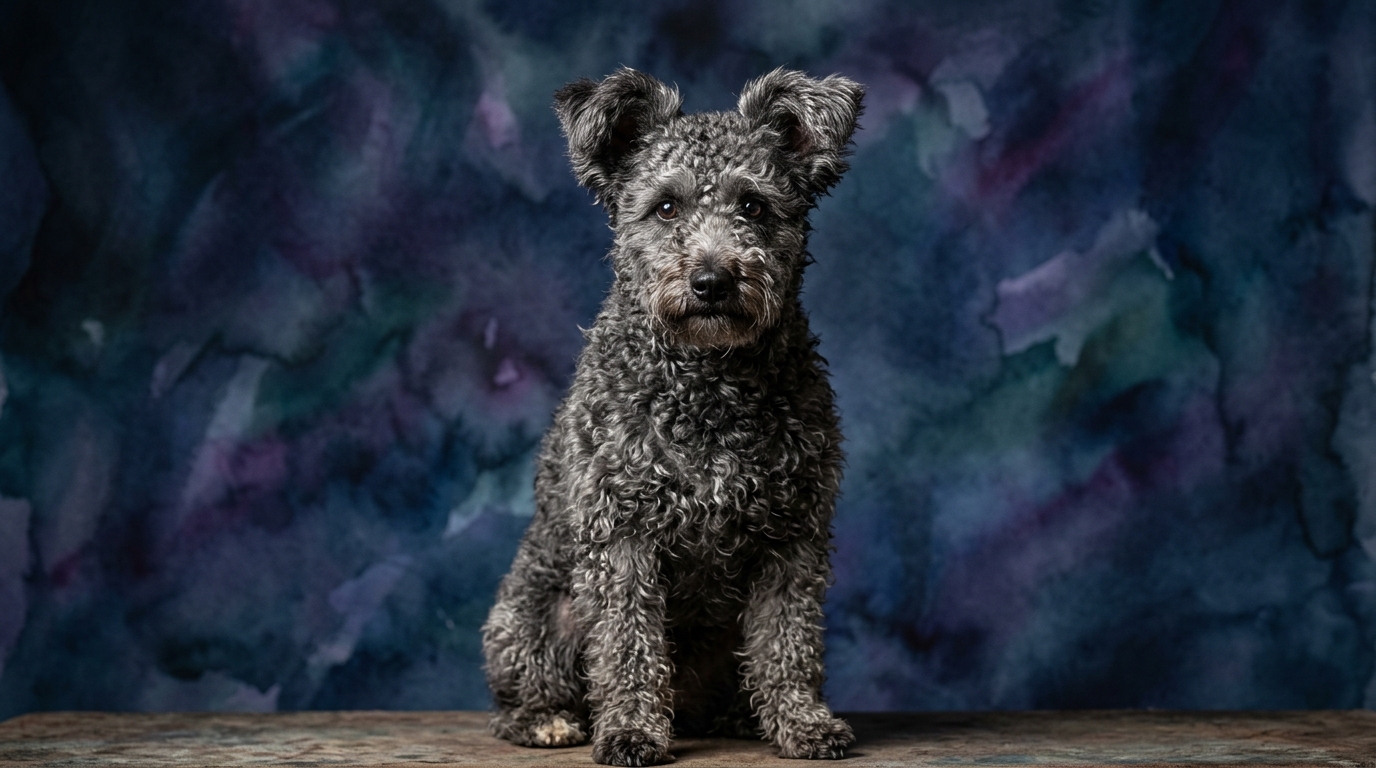
For the **Pumi**, a vibrant Hungarian herding dog, a Problem Solving score of 3/5 signifies an agile mind capable of rapid, on-the-spot decisions necessary for managing livestock. This isn't about complex, abstract puzzles, but rather dynamic, real-time assessments of animal movement and environmental changes. Their Training Speed at 3/5 reflects a keen eagerness to engage with their handler and a capacity to quickly grasp new commands, driven by a desire for purpose and partnership. Social Intelligence, also at 3/5, speaks to their strong attunement to human cues and emotions, fostering a collaborative working relationship. Their Instinctive Drive, a 3/5, is powerfully expressed through their innate herding behaviors—gathering, circling, and controlling—a genetic imperative to work. Finally, a Memory score of 3/5 indicates excellent retention of learned tasks, routines, and the specific commands associated with their work, allowing for consistent performance.
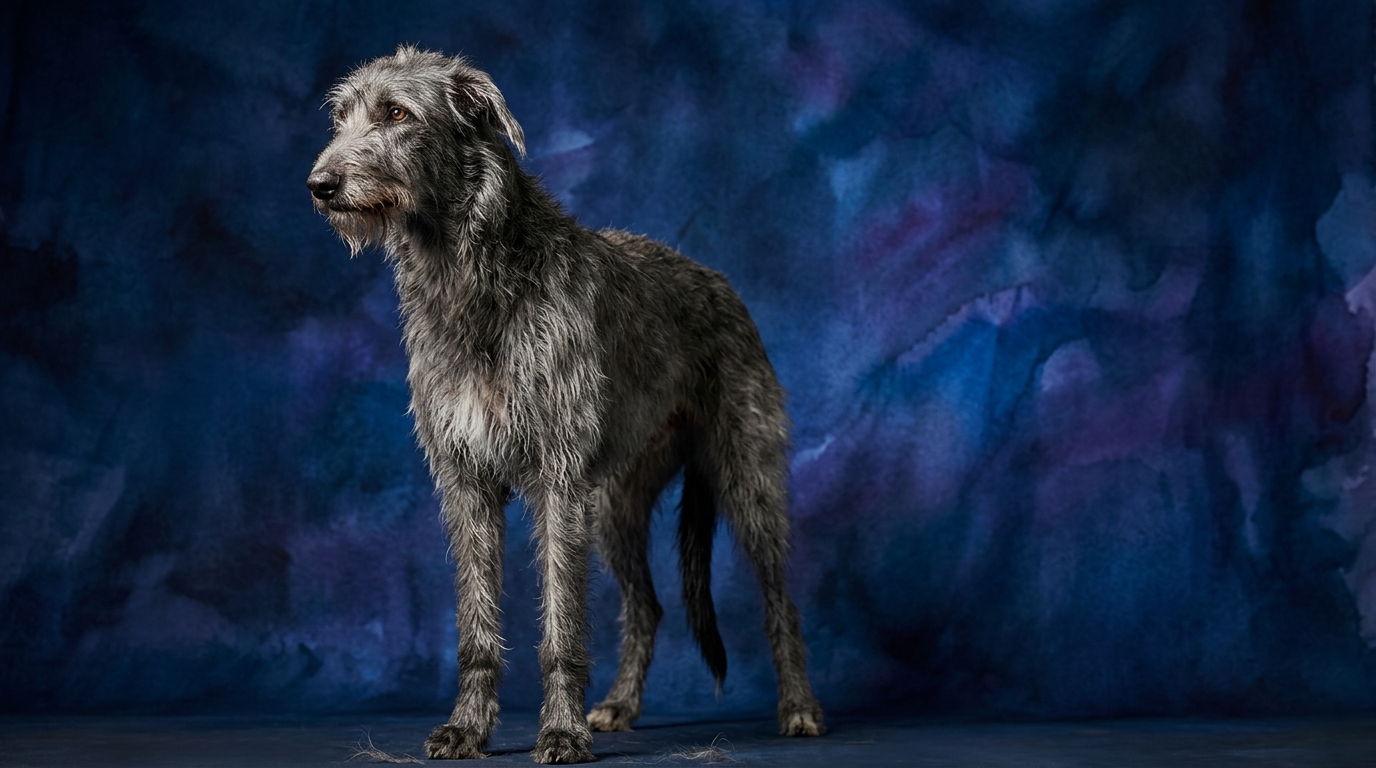
The **Scottish Deerhound**, a majestic sighthound bred for coursing deer, interprets the same 3/5 scores through a very different lens. Their Problem Solving at 3/5 is geared towards independent strategizing in pursuit: assessing terrain, predicting prey movement, and making swift, autonomous decisions over vast distances without direct human instruction. A Training Speed of 3/5 means they can learn quickly, yet their independent spirit often requires compelling motivation beyond simple compliance, a hallmark of many sighthounds. Their Social Intelligence at 3/5 manifests as a deep, quiet affection for their chosen family, often reserved with strangers, and a sharp ability to read subtle shifts in their immediate environment crucial for hunting. The Instinctive Drive, a 3/5, is a potent prey drive, triggered by visual stimuli and expressed in bursts of incredible speed and focus during the chase. Their Memory at 3/5 is adept at recalling hunting strategies, remembering specific locations, and recognizing visual cues associated with their original purpose, rather than complex obedience sequences.
Where the Pumi Excels Cognitively
Despite identical scores, the Pumi's cognitive strengths shine in areas demanding interactive problem-solving and responsive collaboration. Their herding heritage has cultivated a mind that thrives on dynamic, shared tasks. A Pumi's 3/5 Problem Solving score is often applied to situations requiring quick adjustments in response to a handler's direction or changing external variables, making them adept at agility courses or complex obedience routines where continuous communication is key. Their Social Intelligence (3/5) is particularly geared towards understanding and anticipating human intentions, allowing for a seamless partnership in working roles. This breed's cognitive architecture is built for working in concert, adapting their actions based on human leadership and environmental feedback, leading to a proactive yet cooperative intelligence.
Where the Scottish Deerhound Excels Cognitively
The Scottish Deerhound's cognitive prowess, while numerically similar, leans towards independent decision-making and environmental interpretation. Their 3/5 Problem Solving manifests as a capacity for self-directed action, particularly in open spaces where they must make swift, autonomous choices during a chase. This isn't about waiting for a cue, but about immediate, instinctive responses to visual stimuli. Their Instinctive Drive (3/5) is a finely tuned engine for pursuit, involving a sophisticated understanding of spatial dynamics and target trajectory. The Deerhound's cognitive strengths are less about intricate obedience and more about efficient, self-reliant action in specific, high-stakes scenarios, demonstrating a focused, specialized intelligence for their ancestral calling.
Training Dynamics: Pumi's Partnership vs. Deerhound's Independence
When it comes to training, the Pumi generally presents a more eager and biddable student, even with both breeds scoring 3/5 in Training Speed. The Pumi's herding background instills a strong desire to work alongside a human, finding satisfaction in pleasing their handler and completing tasks. They respond well to positive reinforcement, consistency, and varied training exercises that engage their quick wit and physical agility. Their collaborative social intelligence makes them keen observers of human body language and vocal tone, often leading to a quicker understanding of expectations. Their natural inclination is to form a working partnership, making them generally more responsive to traditional obedience methods and less likely to 'tune out' during sessions.
In contrast, the Scottish Deerhound, while capable of learning just as quickly (3/5 Training Speed), often approaches training with a characteristic sighthound independence. They may grasp a command swiftly but then choose whether or not to comply based on their own assessment of the situation or the perceived value of the reward. Their powerful prey drive means that in an open field, a squirrel will almost always take precedence over a 'come' command, requiring owners to understand and manage this inherent behavioral difference. Training a Deerhound often demands immense patience, creativity, and a deep appreciation for their calm yet self-possessed nature. Their social intelligence is deep but often expressed on their own terms, meaning they might learn best through gentle, reward-based methods that respect their independent spirit rather than demanding strict adherence.
Owners: Active Engagement vs. Serene Companionship
The Pumi is a breed that thrives with active owners who can provide consistent mental and physical engagement. Their herding instinct and quick cognitive processing mean they require a 'job' or stimulating activities like dog sports (agility, flyball), advanced obedience, or even trick training to prevent boredom. They are well-suited for families who enjoy an energetic companion for hikes, runs, and interactive play, and who are prepared to channel their substantial energy and problem-solving skills constructively. A Pumi without sufficient mental and physical outlets might invent their own 'work,' which can manifest as undesirable behaviors.
The Scottish Deerhound, while possessing bursts of incredible speed and requiring regular, vigorous exercise in a secure area, is often content to be a serene and dignified companion indoors. They are suited for owners who appreciate their calm, gentle demeanor within the home but can facilitate their need for open-field gallops. Their cognitive needs are less about constant mental puzzles and more about opportunities to fulfill their sighthound instincts in a safe environment, followed by ample relaxation. They are ideal for individuals or families who value a quiet, affectionate presence and understand the specific exercise requirements of a large sighthound, rather than a dog that needs constant, structured mental tasks.
The Verdict: When to Choose Each Breed
The Verdict
Choose a Pumi if you seek an agile, interactive partner for dog sports, advanced training, and an active lifestyle, thriving on collaborative problem-solving and consistent mental challenges.
Opt for a Scottish Deerhound if you appreciate a calm, dignified companion who enjoys bursts of independent, vigorous exercise and whose gentle affection complements a more relaxed home environment.
🧠 Find Your Pet's IQ Score
Our Pet IQ Lab assessment covers 25+ tests across 5 cognitive dimensions — personalized to your breed.
Take the Full IQ Test →Frequently Asked Questions
Do identical IQ scores mean Pumis and Scottish Deerhounds have the same capabilities?
No, identical scores indicate similar raw cognitive potential, but their application differs significantly based on breed purpose. The Pumi applies its intellect to collaborative tasks, while the Scottish Deerhound uses its problem-solving for independent pursuit.
Which breed is better for a first-time dog owner?
Neither breed is typically recommended for absolute first-time owners without prior research, due to the Pumi's high energy and herding drive, and the Deerhound's sighthound independence and exercise needs. However, a Pumi might be slightly more forgiving for a dedicated novice willing to engage in extensive training.
Are Pumis good with children and other pets?
Pumis can be excellent family dogs, often forming strong bonds with children and other pets, especially if raised together. However, their herding instinct might lead to nipping at heels, requiring early training and supervision to ensure appropriate interactions.