Side-by-Side Cognitive Profiles
While both breeds score 3/5 across the board, the expression of these cognitive dimensions is deeply rooted in their breed-specific evolutions. Understanding these nuances reveals a richer picture of their capabilities.
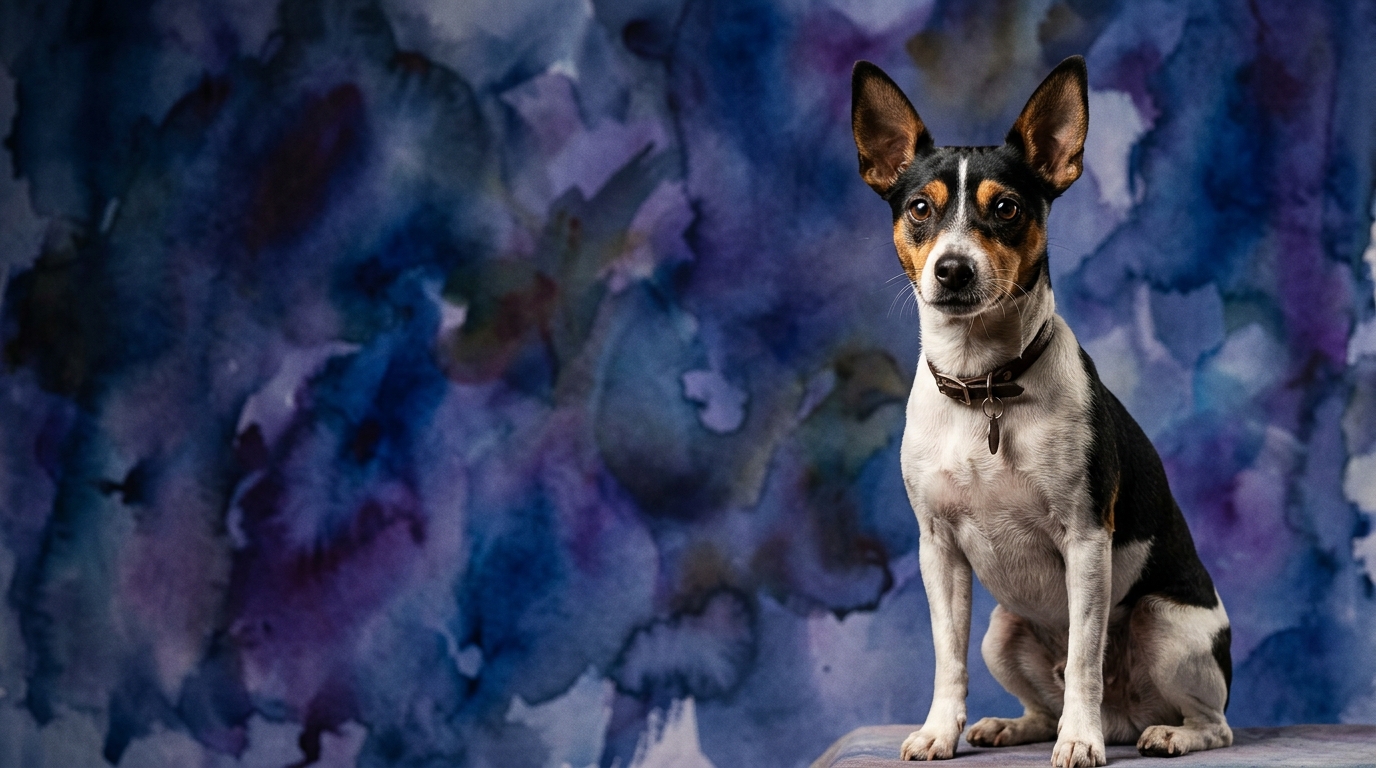
The **Rat Terrier**, a breed forged for pest control, demonstrates its Problem Solving (3/5) through determined focus on a task, such as figuring out how to access a small space or outwit a perceived target. They employ trial-and-error with persistent application, driven by their terrier tenacity to achieve a goal. Their Training Speed (3/5) allows them to learn new commands at a moderate pace; they are often eager to please when engaged, but their independent spirit can sometimes lead to selective hearing if a task isn't sufficiently stimulating. Social Intelligence (3/5) sees them attuned to their human companions, forming strong bonds and understanding household routines, though they might prioritize their own interests or react instinctually in certain social dynamics, especially with smaller animals. Their Instinctive Drive (3/5) is robust for chasing, digging, and "working" in a pest-control capacity, fundamentally influencing their focus and persistence. Finally, their Memory (3/5) is reliable for routines, learned commands, and locations of interest, shaping their future interactions and learning.
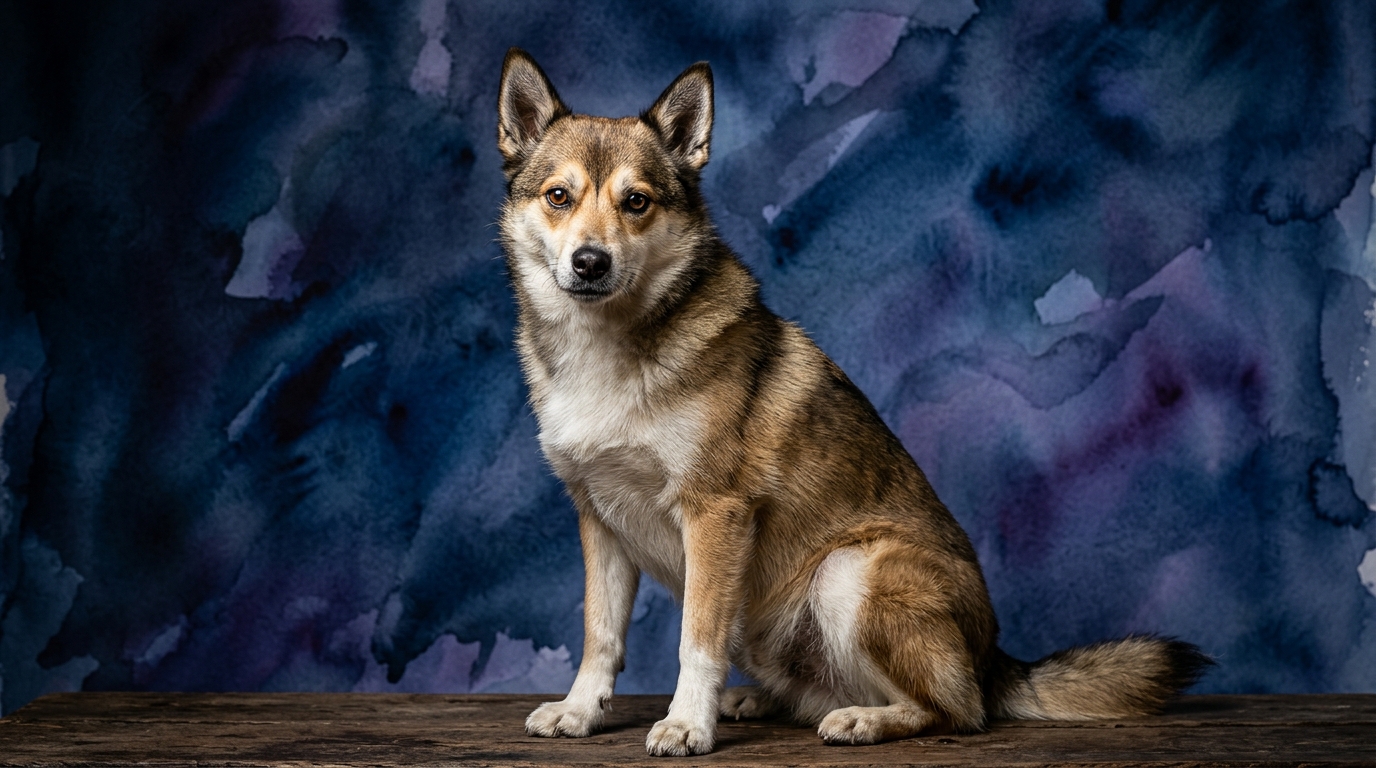
The **Norwegian Lundehund**, originating from puffin hunting in rugged coastal environments, exhibits a distinct cognitive profile within the same 3/5 scores. Their Problem Solving (3/5) manifests as a spatial intelligence and adaptability, meticulously navigating treacherous cliffs and tight crevices. They might approach novel situations with caution, observing before acting, and leveraging their unique physical attributes. Training Speed (3/5) is moderate, yet often requires immense patience and positive reinforcement due to their independent and sometimes reserved nature; they are clever in achieving their own goals, which might not always align with handler expectations. Social Intelligence (3/5) involves forming deep bonds with their immediate family but often remaining reserved or wary with strangers. They are observant of their social environment, but their interactions are filtered through independence and self-preservation. Their Instinctive Drive (3/5) centers on exploration, climbing, and navigating complex terrains, displaying a natural curiosity and a drive to investigate, often using their extraordinary flexibility. Memory (3/5) is strong for complex routes, hidden stashes, and past interactions, speaking to a robust spatial recall.
Where the Rat Terrier Excels Cognitively
Despite identical scores, the Rat Terrier's cognitive strengths often shine in tasks requiring direct, persistent application of effort towards a tangible goal, particularly those involving pursuit or manipulation. Their 'Problem Solving 3/5' is characterized by a focused, iterative approach to overcoming obstacles when a clear objective, like accessing a perceived 'prey,' is present. This terrier tenacity means they are less likely to give up on a puzzle once they've committed to solving it, often employing a variety of physical tactics with unwavering determination. Their 'Instinctive Drive 3/5' translates into a readily available motivation for activities that mimic their historical role, making them excel in fast-paced agility or scent work where a 'quarry' can be located or a target reached. This drive, coupled with their moderate 'Training Speed 3/5,' means they can quickly generalize solutions to similar problems, showing a practical intelligence rooted in efficiency and outcome. For owners seeking a dog that dives headfirst into challenges with energetic resolve, the Rat Terrier's cognitive style often feels more immediate and results-oriented.
Where the Norwegian Lundehund Excels Cognitively
The Norwegian Lundehund's identical cognitive scores manifest in a distinct manner, often excelling in scenarios demanding nuanced spatial reasoning, adaptability, and independent thought. Their 'Problem Solving 3/5' is less about brute force and more about strategic navigation. Originating from puffin hunting in treacherous coastal environments, they developed an ability to meticulously assess complex physical landscapes, finding intricate pathways and utilizing their extraordinary flexibility to access difficult areas. This means they might approach a novel puzzle with a more considered, observational method, exploring different angles before committing to a solution, rather than the Rat Terrier's more direct assault. Their 'Instinctive Drive 3/5' translates into a deep-seated curiosity for exploration and climbing, making them adept at tasks requiring fine motor control and balance. This independent nature, combined with their 'Social Intelligence 3/5,' allows them to make autonomous decisions in challenging environments, a trait that can be both impressive and, at times, perplexing for owners. For those who appreciate a dog that thinks critically about its environment and possesses an inherent grace in complex situations, the Lundehund's cognitive strengths offer a unique partnership.
Training Dynamics: Effort vs. Engagement
Both breeds register a 'Training Speed 3/5,' indicating a moderate capacity for learning, but the perceived ease of training can differ significantly due to their behavioral predispositions. The Rat Terrier, with its strong 'Instinctive Drive 3/5' for work and a generally eager nature when properly motivated, often appears more straightforward to train in traditional obedience or task-oriented activities. They respond well to consistent, reward-based methods, and their focus on a goal can make them quick studies in agility or scent detection. However, their terrier independence and occasional stubbornness mean that training requires an engaging approach to prevent boredom or distraction by environmental stimuli. Their 'Problem Solving 3/5' can also manifest as cleverness in finding loopholes if rules aren't consistently enforced.
The Norwegian Lundehund, while equally capable of learning at a 'Training Speed 3/5,' often presents a different training dynamic. Their 'Social Intelligence 3/5' leans towards independence, and their 'Problem Solving 3/5' is often applied to figuring out how to get what *they* want, rather than solely pleasing their handler. They possess a unique blend of intelligence and a reserved, sometimes cautious, nature. This means training requires immense patience, creativity, and a deep understanding of positive reinforcement to build trust and motivation. They are not typically driven by an overwhelming desire to please, making them appear more challenging to train for those accustomed to more overtly biddable breeds. Their history as independent hunters means they are accustomed to making their own decisions, and convincing a Lundehund to comply often feels more like a negotiation than a command. Owners must embrace their independent spirit, focusing on making training a collaborative and rewarding experience from the dog's perspective.
Lifestyle Match: Active Engagement vs. Independent Exploration
Understanding how their 'Instinctive Drive 3/5' and 'Problem Solving 3/5' manifest is key to matching these breeds with owner lifestyles. The Rat Terrier, despite its moderate scores, generally suits active owners who can channel its inherent terrier energy and drive. Their 'Instinctive Drive 3/5' translates into a need for regular, vigorous exercise and mental stimulation that engages their hunting instincts – think structured play, agility, earthdog trials, or long, varied walks. A relaxed owner who cannot provide sufficient outlets for their physical and mental energy might find a Rat Terrier becoming restless, potentially channeling its problem-solving abilities into undesirable behaviors like digging or excessive barking. They thrive with owners who enjoy an active partnership and can provide consistent engagement.
The Norwegian Lundehund also requires activity, but perhaps a different *kind* of activity, making them suitable for active owners who appreciate exploration and unique challenges. Their 'Instinctive Drive 3/5' is geared towards climbing, navigating, and investigating, often in a more self-directed manner. They benefit from environments where they can explore safely, perhaps on hikes with varied terrain, or engage in activities that challenge their spatial awareness and agility, like canine parkour or puzzle toys. While they are not typically hyperactive, their need for mental engagement and exploration is significant. A truly relaxed owner might struggle with a Lundehund's independent nature and its potential for becoming bored or mischievous if not given opportunities to use its cleverness. They are not typically lap dogs, preferring to observe and engage on their own terms, making them less ideal for owners seeking a constantly cuddly, low-maintenance companion. Owners who enjoy a dog with a quirky, independent streak and are willing to facilitate its exploratory nature will find a rewarding companion.
The Verdict
Opt for a Rat Terrier if you are an active owner seeking an energetic, persistent companion eager to engage in structured activities like agility, scent work, or vigorous outdoor play, and you appreciate a dog that tackles challenges with direct resolve.
Select a Norwegian Lundehund if you are a patient, curious owner who values an independent, spatially intelligent companion for exploration, unique problem-solving, and a more nuanced, collaborative training journey, understanding their reserved nature.
🧠 Find Your Pet's IQ Score
Our Pet IQ Lab assessment covers 25+ tests across 5 cognitive dimensions — personalized to your breed.
Take the Full IQ Test →Frequently Asked Questions
Do Rat Terriers and Norwegian Lundehunds learn at the same pace?
Both breeds score 3/5 for training speed, indicating a moderate learning capacity. However, the Rat Terrier's eagerness to please can make traditional training feel more direct, while the Lundehund's independence requires more patience and creative motivation.
Which breed is better at problem-solving?
Both score 3/5 in problem-solving, but their approaches differ. Rat Terriers excel at persistent, goal-oriented tasks, often using physical methods to overcome obstacles. Lundehunds demonstrate spatial intelligence and careful navigation in complex environments, often observing before acting.
Are these breeds good with other pets?
Their 'Social Intelligence 3/5' varies in manifestation. Rat Terriers have a strong prey drive which needs careful management around small pets. Lundehunds can be reserved and might prefer their own space, requiring careful, supervised introductions to other animals.