
Side-by-Side IQ Profile: Nuances of a '3/5' Score
At The Cosmic Pet Pet IQ Lab, both the Rat Terrier and the Tibetan Spaniel consistently achieve a 3/5 rating across all five cognitive dimensions. This identical numerical score, however, belies a rich tapestry of differing intellectual applications, shaped by their distinct evolutionary paths and purposes. Understanding these nuances is key to appreciating their individual cognitive landscapes.
For the Rat Terrier, a breed honed for vermin control, their **Problem Solving (3/5)** is rooted deeply in practical, immediate challenges: how to locate a hidden rodent, navigate complex terrain quickly, or outsmart a cunning pest. Their solutions are often direct, tenacious, and driven by a clear objective rather than abstract thought. Their **Training Speed (3/5)** reflects an ability to learn commands and routines at a moderate pace, particularly when the training is engaging and rewards are clear. Yet, their independent spirit and inherent drive to explore or chase can sometimes override their desire to comply, meaning consistency and an understanding of their motivations are crucial. Their **Social Intelligence (3/5)** manifests as strong bonds with their chosen family, reading subtle cues from owners, especially regarding activities or potential threats, often initiating interaction as partners rather than just followers. The Rat Terrier's **Instinctive Drive (3/5)** is a defining trait, primarily expressed through a strong prey drive, an urge to chase small animals, and a natural inclination to dig, influencing their focus and curiosity. Lastly, their **Memory (3/5)** is practical, adept at recalling routines, the location of favored toys or 'prey' spots, and learned commands, making them efficient in task-oriented scenarios, though they might also remember past opportunities for mischief.
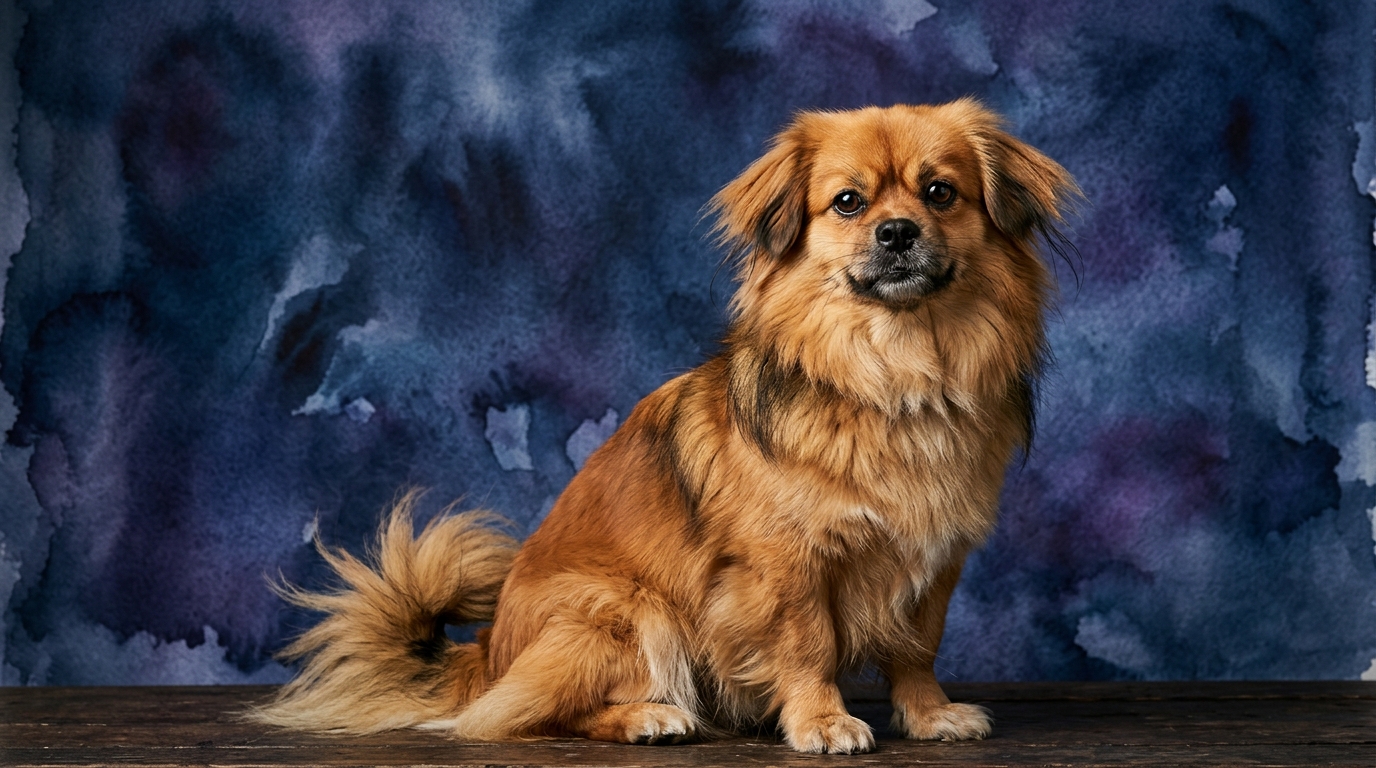
The Tibetan Spaniel, a breed developed as devoted companions and monastery watchdogs, applies its cognitive capacities differently. Their **Problem Solving (3/5)** skills lean towards observation and strategic social interaction, becoming adept at understanding human routines, finding the most comfortable spot, or subtly communicating their needs. Their solutions often involve nuanced social manipulation or clever navigation of their home environment rather than physical conquest. Regarding **Training Speed (3/5)**, they are capable learners, absorbing new information at a moderate pace, especially when training is positive and relationship-based. However, their independent, somewhat cat-like nature means they often need to be convinced that a command is worthwhile or beneficial to them, sometimes leading to selective hearing if a request seems pointless. The Tibetan Spaniel's **Social Intelligence (3/5)** is exceptionally attuned to the moods and emotions of their human family, often acting as sensitive barometers of household dynamics, helping them integrate seamlessly into family life, offering comfort or seeking attention at opportune moments. Their **Instinctive Drive (3/5)** primarily manifests as a keen watchfulness and an urge to survey their surroundings from high vantage points, possessing a strong 'alert' instinct, barking at perceived intruders or unusual sounds, with less emphasis on physical pursuit. Finally, their **Memory (3/5)** is excellent for people, routines, and the social hierarchy of their household, recalling past interactions vividly, both positive and negative, which influences their future behavior and trust levels, and remembering precisely where they left their favorite squeaky toy or the sunniest nap spot.
Where the Rat Terrier Wins Cognitively
Despite identical overall IQ scores, the Rat Terrier's cognitive strengths shine in areas requiring focused, independent action and physical prowess. Their problem-solving, while rated 3/5, is distinctly geared towards overcoming physical obstacles and strategizing in real-time pursuit. This means they often exhibit superior spatial reasoning when navigating complex environments or figuring out how to retrieve a hidden object. Their instinctive drive, also 3/5, translates into an unwavering focus on a task once engaged, allowing them to block out distractions that might deter other breeds. Furthermore, their memory, while rated similarly, is particularly effective for recalling learned physical sequences and pathways, making them quick to re-engage with familiar challenges or hunting patterns.
Where the Tibetan Spaniel Wins Cognitively
The Tibetan Spaniel, while sharing the same 3/5 cognitive ratings, demonstrates its unique strengths in areas demanding refined observation and social acumen. Their social intelligence, though numerically identical, allows for a more nuanced understanding of human emotions and subtle cues, making them exceptionally empathetic and responsive companions. Their problem-solving often involves intricate social strategies, like figuring out how to elicit affection or attention from a busy owner, or subtly guiding family members to meet their needs. The Tibetan Spaniel's memory, also 3/5, is particularly adept at recalling intricate social interactions and understanding the routines and preferences of their human companions, allowing them to anticipate needs and integrate smoothly into family life.
Training Aptitude: Independence vs. Partnership
Both breeds score 3/5 in training speed, yet the journey to a well-trained companion differs significantly. The Rat Terrier, with its independent nature and strong instinctive drives, can present challenges rooted in its desire to follow its nose or chase. While they learn quickly, their focus can be fleeting if an environmental stimulus, like a squirrel, proves more compelling than the training task. Successful training hinges on making lessons engaging, consistent, and recognizing their terrier tenacity. Their intelligence is geared towards independent action, meaning they might question commands that don't immediately align with their perceived self-interest or innate drives. Owners must work to create a strong partnership, leveraging positive reinforcement and making training feel like a collaborative game.
Conversely, the Tibetan Spaniel, while also independent, is often more motivated by a desire for companionship and comfort. Their training speed of 3/5 means they absorb commands well, but their 'what's in it for me?' attitude can lead to selective hearing if they deem a request pointless or lacking sufficient reward. They respond best to positive reinforcement, patience, and a trainer who understands their subtle communication and values their partnership. Their intelligence is geared towards social problem-solving, meaning they are often more responsive to subtle cues and emotional states from their trainer. Neither is inherently 'easier'; rather, they demand different training approaches tailored to their core motivations and the unique ways their 3/5 cognitive capacity manifests.
Lifestyle Match: Active Engagement vs. Observant Companionship
When considering lifestyle fit, the Rat Terrier leans towards owners who embrace an active, engaging routine. Their substantial energy levels and robust instinctive drives necessitate regular physical exercise, such as long walks, vigorous play, or even dog sports like agility. They thrive on mental stimulation and opportunities to 'work,' making them a suitable match for individuals or families who enjoy outdoor adventures and consistent interaction. A Rat Terrier's 3/5 instinctive drive means they need outlets for their chasing and digging tendencies, which an active owner can channel productively. A relaxed owner might find themselves overwhelmed by a Rat Terrier's need for activity, potentially leading to boredom-induced behaviors. Their problem-solving capacity means they will find ways to entertain themselves if not adequately engaged, which may not always align with an owner's preferences.
The Tibetan Spaniel, on the other hand, is a better fit for moderately active to relaxed owners who prioritize companionship and indoor comfort. While they enjoy daily walks and playtime, their exercise requirements are generally lower. They are content to observe their surroundings from a cozy spot, offering alerts as needed, and thrive on being close to their people, making them excellent companions for those seeking a devoted, observant presence. Their 3/5 social intelligence makes them highly adaptable to household routines and sensitive to their owners' needs, often content with simply being near. Their instinctive drive, while present, is more about watchfulness than vigorous physical activity, making them ideal for apartment living or homes with smaller yards, provided they receive regular, moderate exercise and plenty of social interaction.
The Verdict
Choose a Rat Terrier if you seek an agile, tenacious companion for an an active lifestyle, who thrives on independent problem-solving and engaging challenges.
Opt for a Tibetan Spaniel if you desire an observant, empathetic partner for a moderately active home, valuing subtle social intelligence and devoted companionship.
🧠 Find Your Pet's IQ Score
Our Pet IQ Lab assessment covers 25+ tests across 5 cognitive dimensions — personalized to your breed.
Take the Full IQ Test →Frequently Asked Questions
Do Rat Terriers and Tibetan Spaniels learn commands at the same pace?
While both breeds score 3/5 in training speed, their motivations differ. Rat Terriers learn quickly with engaging, consistent training but can be distracted by their prey drive. Tibetan Spaniels also learn at a moderate pace but require positive reinforcement and a clear understanding of the task's benefit due to their independent streak.
Which breed is better at understanding human emotions?
Both score 3/5 in social intelligence, but the Tibetan Spaniel typically exhibits a more nuanced and empathetic understanding of human moods and household dynamics. Their centuries as companion dogs have honed their ability to read subtle social cues, making them highly attuned to their owners' feelings and household dynamics.
Are these breeds prone to destructive behaviors due to their intelligence?
Any dog lacking sufficient mental and physical stimulation can develop unwanted behaviors. A Rat Terrier might resort to digging or excessive chewing if bored, driven by their instinctive drives. A Tibetan Spaniel might become overly vocal or withdrawn if their social needs are unmet. Providing appropriate outlets for their specific cognitive strengths is key.