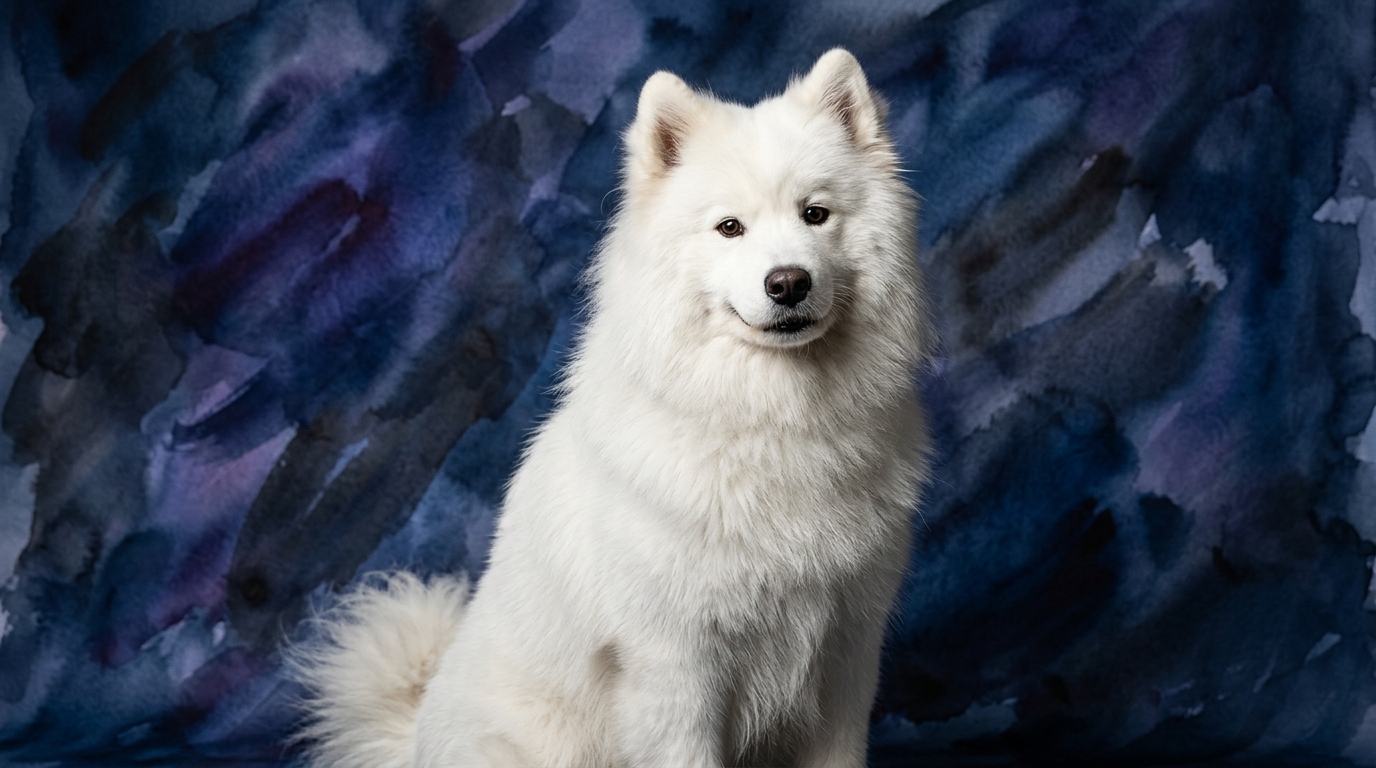
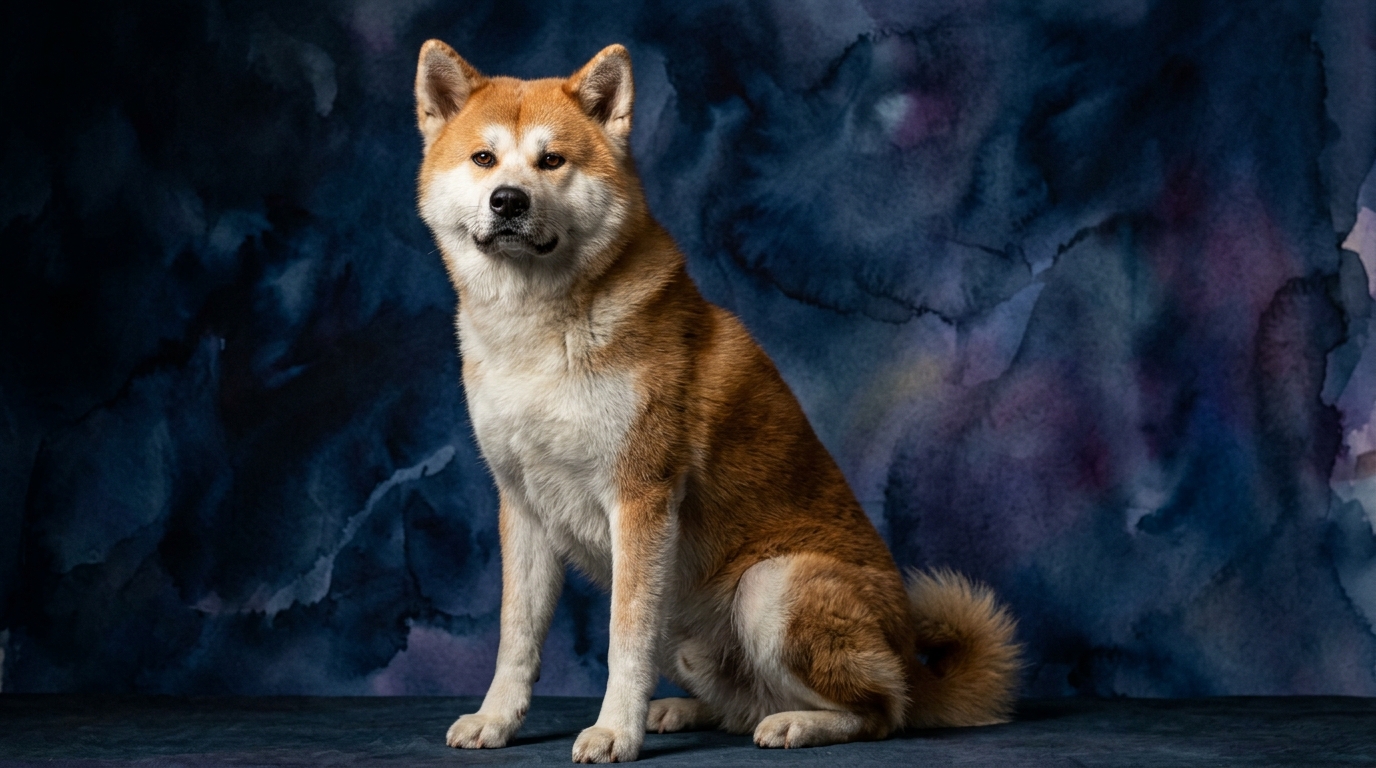
Side-by-Side Cognitive Profile: Samoyed vs. Akita
To truly understand the cognitive landscape of these magnificent breeds, The Cosmic Pet Pet IQ Lab delves into five key dimensions of canine intelligence. The Samoyed, with a Coren ranking of #33, consistently demonstrates a different cognitive approach compared to the Akita, ranked #54, despite both being powerful working dogs.
When it comes to **Problem Solving**, both breeds score a moderate 3/5. This indicates that neither the Samoyed nor the Akita are typically innovators in complex, novel situations, but they possess the capacity to learn and apply solutions to familiar challenges. Their approach to these problems, however, often reflects their underlying social and instinctive drives. For **Training Speed**, the Samoyed earns a 3/5, suggesting a moderate pace of learning and responsiveness to instruction, while the Akita scores a 2/5, indicating a slower acquisition of new commands, often stemming from its independent nature rather than a lack of capacity.
A significant divergence appears in **Social Intelligence**. The Samoyed shines with a perfect 5/5, reflecting its exceptional ability to read human cues, understand social dynamics, and engage cooperatively. This makes them highly attuned companions. The Akita, by contrast, scores a 3/5, demonstrating a more reserved and independent social approach, less inclined to overtly seek human interaction or follow subtle social signals. Their connection is often deep but expressed with more dignity and less effusiveness.
Regarding **Instinctive Drive**, the Akita leads with a powerful 5/5, embodying strong guarding, hunting, and protective instincts deeply embedded in its genetic makeup. The Samoyed, while also a working breed with strong drives for herding and pulling, registers a 4/5, often expressing these drives through more cooperative and less assertive means in a domestic environment. Finally, in **Memory**, the Akita scores a 4/5, indicating a notable capacity to retain information, both positive and negative experiences, which profoundly impacts its long-term behavior and training responses. The Samoyed's memory, at 3/5, is adequate for learning and recall but less pronounced or persistent than the Akita's.
Where the Samoyed Wins Cognitively
The Samoyed's cognitive strengths are most pronounced in its exceptional social intelligence. Scoring a perfect 5/5, this breed excels at understanding and responding to human communication, making them profoundly empathetic and responsive companions. This high social acumen allows them to seamlessly integrate into family structures, anticipating needs and offering comfort through their sensitive nature. Their historical role as herders and sled dogs required close cooperation with humans, fostering a cognitive blueprint geared towards partnership and mutual understanding.
This superior social cognition translates into a greater willingness to engage in shared activities and a more profound desire to please, making them highly receptive to positive reinforcement. They are adept at reading body language and vocal tones, adjusting their behavior accordingly. This cognitive advantage fosters a deeper, more intuitive bond with their human companions, making them exceptionally attuned to the emotional climate of their household and fostering a sense of warmth and connection.
Where the Akita Wins Cognitively
The Akita's cognitive advantages lie in its formidable instinctive drive and impressive memory. With an instinctive drive score of 5/5, Akitas possess an unwavering determination and vigilance, attributes honed over centuries as guardians and hunters. This manifests as a powerful protective instinct for their family and territory, coupled with an independent decision-making capacity that makes them formidable, self-reliant companions. Their cognitive framework supports a strong sense of purpose and a resolute demeanor.
Their memory, scoring 4/5, means an Akita remembers experiences and lessons, both good and bad, with significant clarity and longevity. This deep recall contributes to their consistency in behavior and their ability to learn complex tasks over time, though often at their own pace. This strong memory also underpins their loyalty, as they form lasting bonds and remember those they consider their family. Their independence, while posing training challenges, is also a cognitive strength, allowing them to assess situations and act decisively without constant human direction.
Training Dynamics: Samoyed vs. Akita
When evaluating ease of training, the Samoyed generally presents a more straightforward experience than the Akita. The Samoyed's higher social intelligence (5/5) and moderate training speed (3/5) mean they are more inclined to work cooperatively with their trainers and are more receptive to learning new commands. Their eagerness to please and their sensitivity to human feedback make positive reinforcement highly effective, as they thrive on interaction and approval. They are often quick to form associations between commands and actions, making basic obedience and even more complex tasks achievable with consistent, engaging methods. Their historical role demanded a cooperative spirit, which is reflected in their cognitive wiring for partnership.
The Akita, conversely, presents a greater training challenge due to its lower training speed (2/5) and more reserved social intelligence (3/5), coupled with a powerful instinctive drive (5/5). Akitas are independent thinkers, and while capable of learning, they require a patient, consistent, and highly motivated approach. They are not inherently eager to please in the same way a Samoyed is; instead, training must appeal to their sense of purpose or provide a clear benefit to them. Their strong prey drive and guarding instincts mean that early and extensive socialization is crucial, and training must focus on channeling these drives appropriately. An Akita's training journey demands understanding their motivations and building a relationship based on mutual respect, rather than relying on inherent compliance. They remember lessons well, but their willingness to perform often hinges on their own assessment of the situation and the trainer's credibility.
Ideal Owners: Active Engagement vs. Independent Companionship
Considering their distinct cognitive profiles, the Samoyed and Akita appeal to different types of active owners. The Samoyed, with its high social intelligence and cooperative nature, is an excellent fit for owners who desire a deeply integrated, communicative family member. They thrive with active individuals or families who want to involve their dog in daily activities, from hiking and running to dog sports or even therapy work. Owners who enjoy frequent interaction, positive reinforcement-based training, and a dog that actively seeks out companionship will find the Samoyed's cognitive makeup aligns perfectly with their lifestyle. They need mental stimulation that involves partnership and shared experiences, preventing boredom that can lead to less desirable behaviors.
The Akita, while also requiring an active lifestyle, suits owners who appreciate a more dignified, independent, and protective companion. These owners should be prepared to respect the Akita's self-reliant nature and invest significantly in early socialization and consistent, nuanced training to manage their powerful instinctive drives. They are ideal for individuals or families seeking a loyal guardian who forms a deep, singular bond, and who understand that affection may be expressed more subtly. Owners who can provide clear leadership, consistent boundaries, and channel the Akita's strong drives into appropriate outlets, perhaps through structured walks, secure outdoor spaces, or specific training for their protective instincts, will find a rewarding partnership with this stoic breed. They need mental engagement that respects their independence and challenges their problem-solving skills, often without the constant need for human validation.
The Verdict: Choosing Your Canine Companion
The choice between a Samoyed and an Akita ultimately hinges on your lifestyle, desired level of canine cooperation, and willingness to engage with their specific cognitive strengths.
If you seek a highly communicative, cooperative, and socially engaged companion eager to participate in family life and shared activities, the Samoyed's unique cognitive profile makes it an ideal match. Their profound social intelligence fosters a deep, intuitive partnership.
Conversely, if you appreciate a dignified, independent, and protective companion, and are prepared to invest in consistent, nuanced training that respects strong natural drives, the Akita offers unparalleled loyalty and a profound, albeit more reserved, bond. Their exceptional memory and strong instincts create a formidable, self-reliant presence.
The Verdict
Choose a Samoyed if you desire a highly communicative, cooperative, and socially engaged companion for family life and shared activities, thriving on mutual interaction and a deep, intuitive bond.
Choose an Akita if you appreciate a dignified, independent, and protective companion, willing to invest in consistent, nuanced training and management of strong natural drives for a loyal, self-reliant partnership.
🧠 Find Your Pet's IQ Score
Our Pet IQ Lab assessment covers 25+ tests across 5 cognitive dimensions — personalized to your breed.
Take the Full IQ Test →Frequently Asked Questions
Are Samoyeds good with children and other pets?
Yes, Samoyeds generally do well with children and other pets due to their high social intelligence and cooperative nature. Early socialization helps them integrate smoothly into multi-pet households, but their herding instinct means supervision is always prudent.
Do Akitas bark excessively, especially as guardians?
Akitas are not typically excessive barkers; they tend to be quiet and observant. However, their strong guarding instincts mean they will alert bark when they perceive a threat or something unusual, making them effective but judicious protectors.
Which breed requires more mental stimulation to prevent boredom?
Both breeds require significant mental stimulation, but in different ways. Samoyeds thrive on interactive games and training that involves partnership, while Akitas need tasks that challenge their independence and strong drives, such as scent work or puzzle toys, often with less direct human involvement.