Side-by-Side IQ Profile: Samoyed vs. American Eskimo Dog
The Cosmic Pet Pet IQ Lab employs a multi-dimensional approach to assess canine cognition, moving beyond a single 'intelligence' score. Instead, we evaluate five key areas: Problem Solving, Training Speed, Social Intelligence, Instinctive Drive, and Memory. Understanding these individual facets provides a nuanced picture of each breed's cognitive strengths and inclinations.
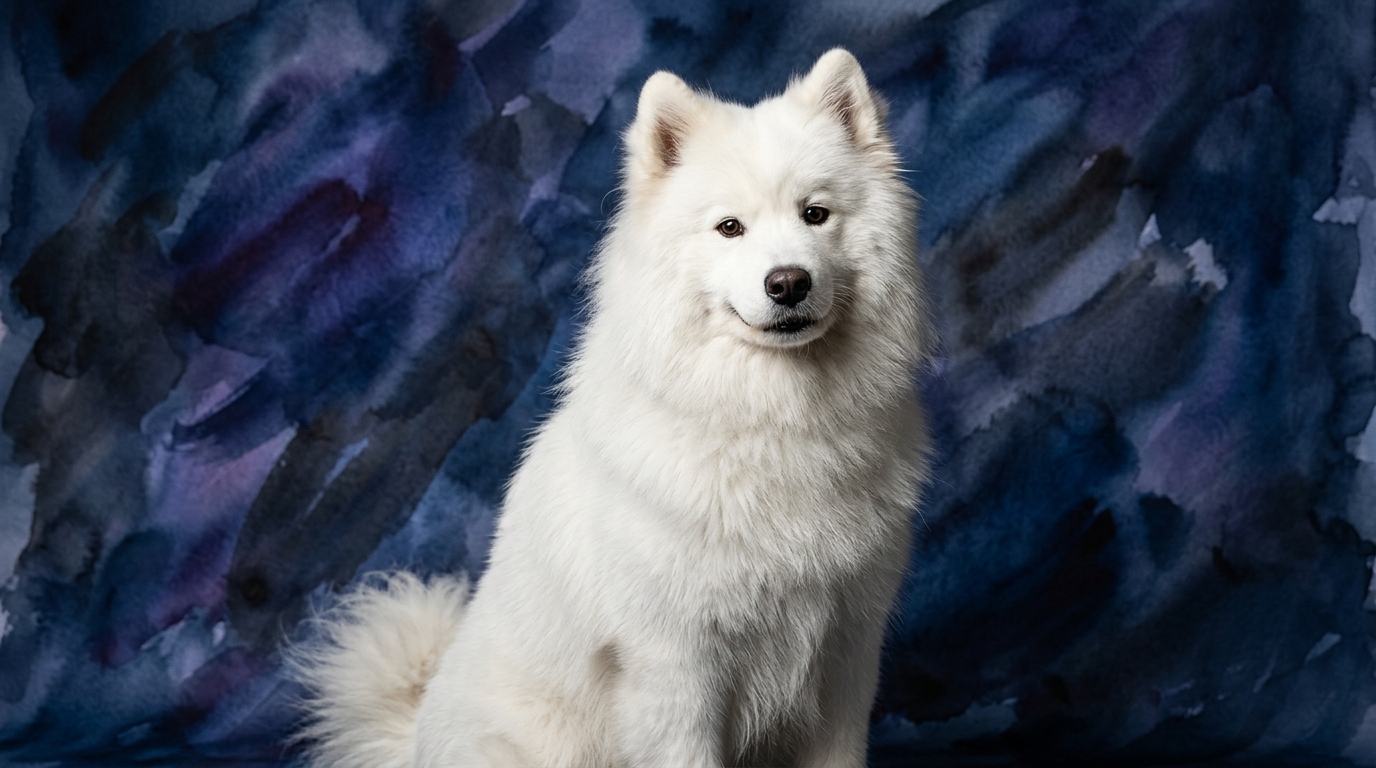
The Samoyed, a venerable working breed, demonstrates a balanced cognitive profile with particular strengths in social dynamics and innate purpose. Their Problem Solving is rated at 3/5, indicating a moderate capacity to navigate new situations and figure out solutions to environmental challenges, such as opening gates or accessing desired objects. Their Training Speed also stands at 3/5, suggesting they absorb new commands at a steady pace, neither exceptionally quick nor particularly slow, often requiring consistent, positive reinforcement. Where the Samoyed truly shines is in Social Intelligence, earning a perfect 5/5. This reflects an extraordinary ability to read human emotions, understand social cues, and form deep, empathetic bonds, making them highly attuned companions. Their Instinctive Drive is strong at 4/5, a testament to their heritage as sled pullers and reindeer herders, meaning they possess a strong innate desire for purpose and activity. Finally, their Memory is rated at 3/5, allowing them to retain learned commands and routines effectively over time, though perhaps not recalling every minute detail of past events with perfect clarity. The Samoyed is also recognized by the Coren ranking system, placing #33 among dog breeds for working and obedience intelligence, indicating a solid foundation for trainability.
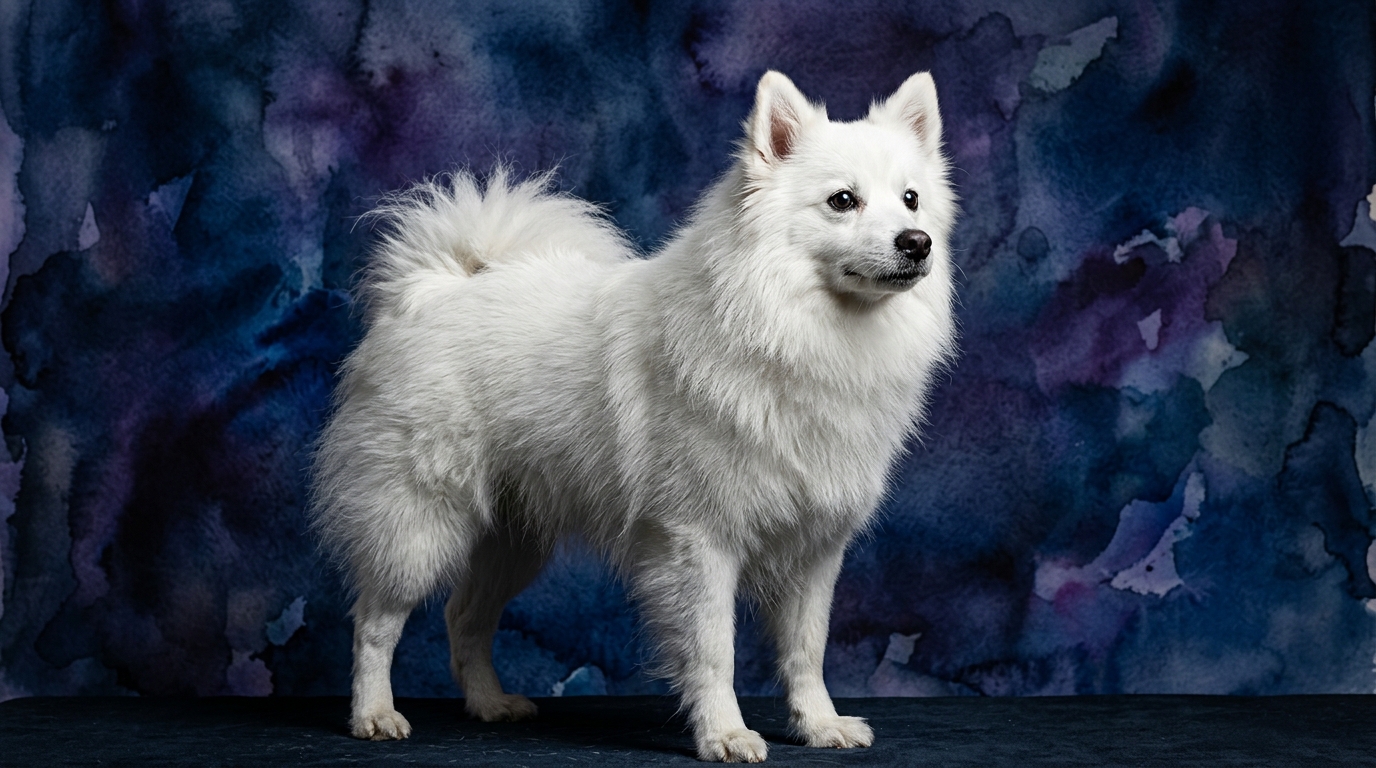
The American Eskimo Dog, belonging to the Non-Sporting group, presents a consistent and well-rounded cognitive profile, often geared towards companionship and interaction. Their Problem Solving capacity is rated at 3/5, mirroring the Samoyed; they are capable of navigating puzzles and adapting to various scenarios with a reasonable degree of ingenuity. Their Training Speed is also 3/5, suggesting they learn at a moderate pace, responding well to clear instructions and positive reinforcement techniques. In Social Intelligence, the American Eskimo Dog scores 3/5. While friendly and engaging, their understanding of complex human emotional nuances might be less profound than a Samoyed’s, focusing more on direct interaction and companionship. Their Instinctive Drive is moderate at 3/5. Originating as performers and companions, their drive is less about intense working tasks and more about interactive play and engagement with their family. Lastly, their Memory is also 3/5, enabling them to reliably recall commands and routines, ensuring a predictable and stable learning experience. The American Eskimo Dog is not specifically ranked within the Coren system, which often highlights breeds with a history of complex working roles, but their consistent cognitive scores indicate a dependable learning partner.
Where the Samoyed Wins Cognitively
The Samoyed's cognitive profile reveals distinct advantages, particularly in areas deeply rooted in their historical working roles. Their unparalleled Social Intelligence (5/5) is a significant cognitive win. This isn't merely about being friendly; it reflects a sophisticated capacity to perceive and interpret human emotions, intentions, and social dynamics. A Samoyed often seems to anticipate their owner's moods or desires, offering comfort or seeking engagement at precisely the right moment. This level of attunement fosters an incredibly deep, almost intuitive bond, making them highly responsive to subtle cues that other breeds might miss. They excel in collaborative tasks where understanding human partnership is key, often showing initiative that aligns with their handler's goals.
Coupled with this, their strong Instinctive Drive (4/5) further solidifies their cognitive edge in purposeful engagement. While many dogs enjoy activity, a Samoyed possesses a deeper, inherent motivation for tasks, whether it's pulling a sled, participating in dog sports, or even 'herding' family members. This drive translates into a cognitive framework that thrives on having a 'job' or a clear purpose. It means they are often more self-motivated to engage in activities that provide mental and physical stimulation, exhibiting a resilient cognitive focus when engaged in goal-oriented tasks. This strong drive, when appropriately channeled, allows them to excel in activities requiring sustained effort and direction, making them cognitively predisposed to complex, multi-stage activities that demand both physical exertion and mental engagement.
Where the American Eskimo Dog Wins Cognitively
While the American Eskimo Dog's individual scores might not reach the Samoyed's peak in specific categories, their cognitive 'win' lies in their remarkable balance and adaptable disposition, particularly for families seeking a more consistently companion-focused experience. With consistent 3/5 ratings across Problem Solving, Training Speed, Social Intelligence, Instinctive Drive, and Memory, the Eskie offers a predictable and approachable cognitive profile. This consistency can be a significant advantage, as it suggests fewer extremes in behavioral tendencies that might require specialized handling or intense redirection. Their moderate Instinctive Drive (3/5), for example, means they are less likely to exhibit the strong, independent working impulses seen in breeds with higher drives, making them more pliable and content in a purely domestic setting without the constant need for a 'job'.
Furthermore, their moderate Social Intelligence (3/5) offers a different kind of cognitive benefit. While they form strong bonds, they may not possess the same level of emotional intensity or intuitive 'mind-reading' as a Samoyed. This can translate into a more straightforward and less demanding emotional dynamic within the family. Owners might find an Eskie's cognitive approach to social interaction to be less complex, leading to fewer potential misunderstandings stemming from nuanced canine interpretations of human behavior. Their cognitive makeup is highly conducive to being an engaging, interactive companion who enjoys learning and participating in family life without the pronounced independent streak or profound emotional sensitivities that can sometimes accompany higher social intelligence or intense working drives.
Which is Easier to Train and Why
When comparing the ease of training between the Samoyed and the American Eskimo Dog, both breeds share a 3/5 rating for Training Speed, implying they learn at a moderate pace. However, the nuances of their cognitive profiles, particularly in Social Intelligence and Instinctive Drive, create distinct training experiences. The Samoyed's exceptional Social Intelligence (5/5) means they are highly attuned to their handler's mood, tone, and expectations. This can make them incredibly responsive to praise and correction, as they deeply value human connection and seek to please. They often pick up on subtle cues quickly, not just the verbal commands. However, their strong Instinctive Drive (4/5) also means they possess a significant independent streak and a desire for purpose. If a task isn't engaging or if they perceive a more interesting alternative, their working drive can manifest as stubbornness or a tendency to make their own decisions. Training a Samoyed often requires creativity and consistency to channel their drive productively, ensuring they view training as a collaborative 'job' rather than a mere command-and-response exercise. They may grasp concepts quickly due to their social attunement but might also 'test' boundaries more frequently due to their inherent drive for independence.
The American Eskimo Dog, with moderate scores across the board, including a 3/5 in both Training Speed and Social Intelligence, generally offers a more straightforward training journey. Their moderate social intelligence means they are responsive to their owners but perhaps less intensely focused on every subtle human emotional cue. This can make them less prone to being distracted by handler anxiety or frustration, allowing for a more consistent learning environment. Their Instinctive Drive (3/5) is also moderate, meaning they are less likely to exhibit the strong independent working behaviors that can complicate training. Eskies tend to be eager to please within a clear structure, thriving on positive reinforcement and consistent routines. While they might not grasp complex multi-step commands as rapidly as a highly socially attuned breed, their consistent willingness to engage and fewer strong competing drives often make them a more predictable and less challenging training partner for novice owners. They might require more repetition to solidify commands but are less likely to diverge from learned behaviors due to strong innate impulses.
Which Suits Active Owners vs. Relaxed Owners
Understanding the activity requirements of each breed, heavily influenced by their cognitive profiles and historical roles, is crucial for owner compatibility. The Samoyed, with its strong Instinctive Drive (4/5) and heritage as a working sled dog, is unequivocally suited for active owners. These dogs possess a cognitive need for purpose and sustained physical and mental engagement. A Samoyed thrives in an environment where they have daily opportunities for vigorous exercise, such as long runs, hikes, or sledding, and mental stimulation through training, puzzle toys, or dog sports like agility. An owner who leads an active lifestyle and is prepared to incorporate their dog into these activities will find the Samoyed to be an enthusiastic and tireless companion. Without sufficient outlets for their strong drive and energy, a Samoyed can become bored, potentially leading to undesirable behaviors stemming from unmet cognitive needs. Their high social intelligence also means they need to be actively involved with their family, not just left alone.
The American Eskimo Dog, characterized by a moderate Instinctive Drive (3/5) and a history as a companion and performer, offers a more versatile fit but still requires engagement. While they are energetic and enjoy activity, their needs are typically less demanding than a Samoyed's. An Eskie will certainly benefit from daily walks, playtime, and interactive games, and many excel in dog sports. However, they can adapt more readily to slightly less intense activity schedules compared to their working-group counterparts. They are well-suited for owners who enjoy regular, moderate activity but perhaps don't need an extreme sports partner. A relaxed owner who is still committed to providing consistent daily exercise and mental enrichment through training and play will find the American Eskimo Dog to be a delightful and manageable companion. They enjoy being the center of attention and participating in family activities, but their cognitive demands for a 'job' are not as pronounced, allowing for a slightly more relaxed integration into various lifestyles, provided their basic needs are met.
The Verdict
Choose the Samoyed if you are an active individual or family seeking a deeply empathetic, purpose-driven companion for adventures and collaborative activities, prepared to channel their strong working instincts.
Opt for the American Eskimo Dog if you desire a consistently engaging, adaptable companion for moderate activity and interactive family life, valuing a predictable temperament and straightforward training experience.
🧠 Find Your Pet's IQ Score
Our Pet IQ Lab assessment covers 25+ tests across 5 cognitive dimensions — personalized to your breed.
Take the Full IQ Test →Frequently Asked Questions
Do Samoyeds or American Eskimo Dogs make better family pets?
Both breeds can be wonderful family pets, but their suitability depends on the family's lifestyle. Samoyeds excel with active families who can provide ample stimulation and appreciate a highly social, empathetic companion. American Eskimo Dogs fit well with families seeking a consistently engaging, moderately active dog that thrives on interaction and attention without the same intensity of working drive.
Which breed is more prone to behavioral issues if not properly stimulated?
The Samoyed, with its higher Instinctive Drive (4/5) and exceptional Social Intelligence (5/5), is generally more prone to developing behavioral issues such as destructive chewing, excessive barking, or anxiety if their cognitive and physical needs are not adequately met. Their strong drive requires consistent channeling, and their social nature means they need plenty of interaction. The American Eskimo Dog, with moderate drives, is less likely to develop extreme issues but still requires regular engagement to prevent boredom.
Are there significant differences in how these breeds approach puzzle toys?
Both breeds score 3/5 in Problem Solving, indicating they can enjoy and figure out puzzle toys. However, a Samoyed's higher Instinctive Drive might mean they approach puzzles with more focused determination and persistence, viewing it as a 'task' to be completed. An American Eskimo Dog will also enjoy puzzle toys, often approaching them with enthusiasm and persistence, but perhaps without the same intensity of innate drive, seeing it more as an engaging game rather than a core purpose.