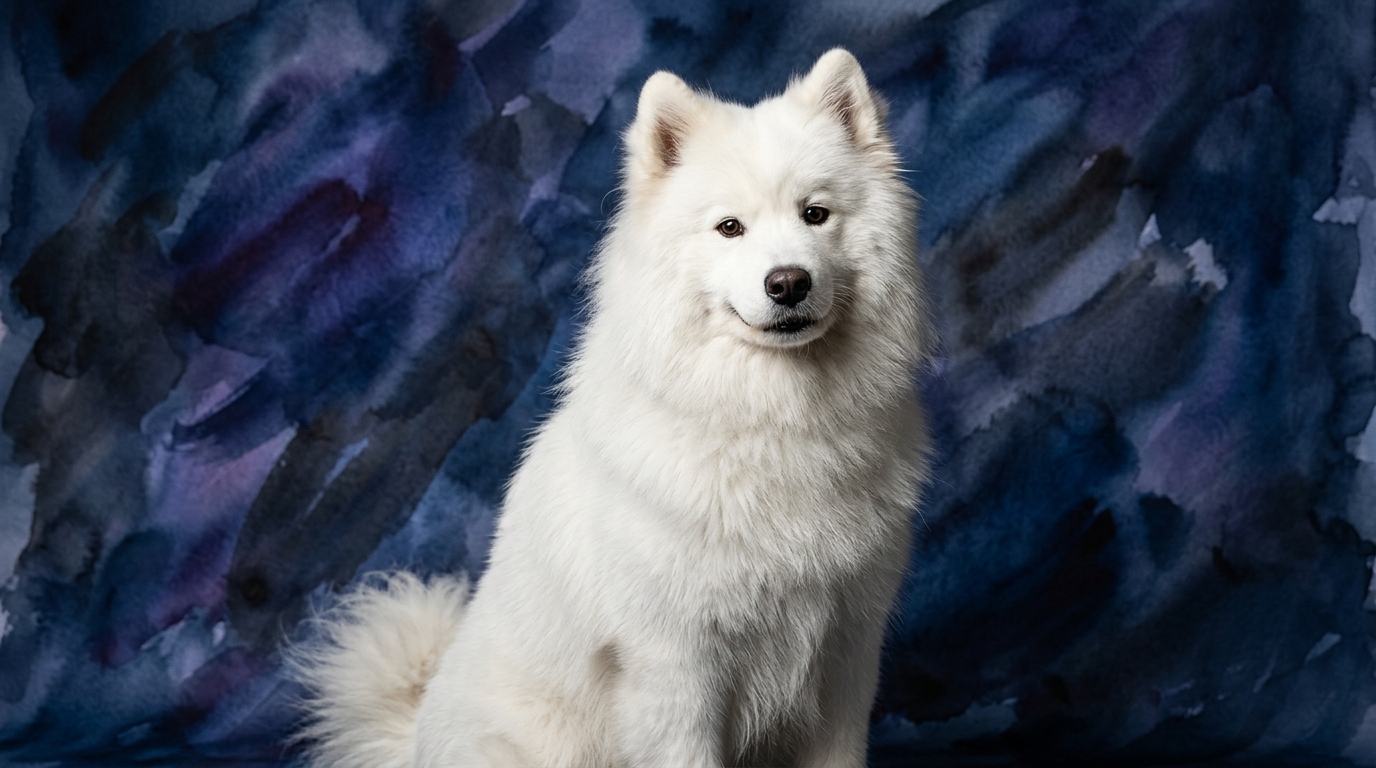
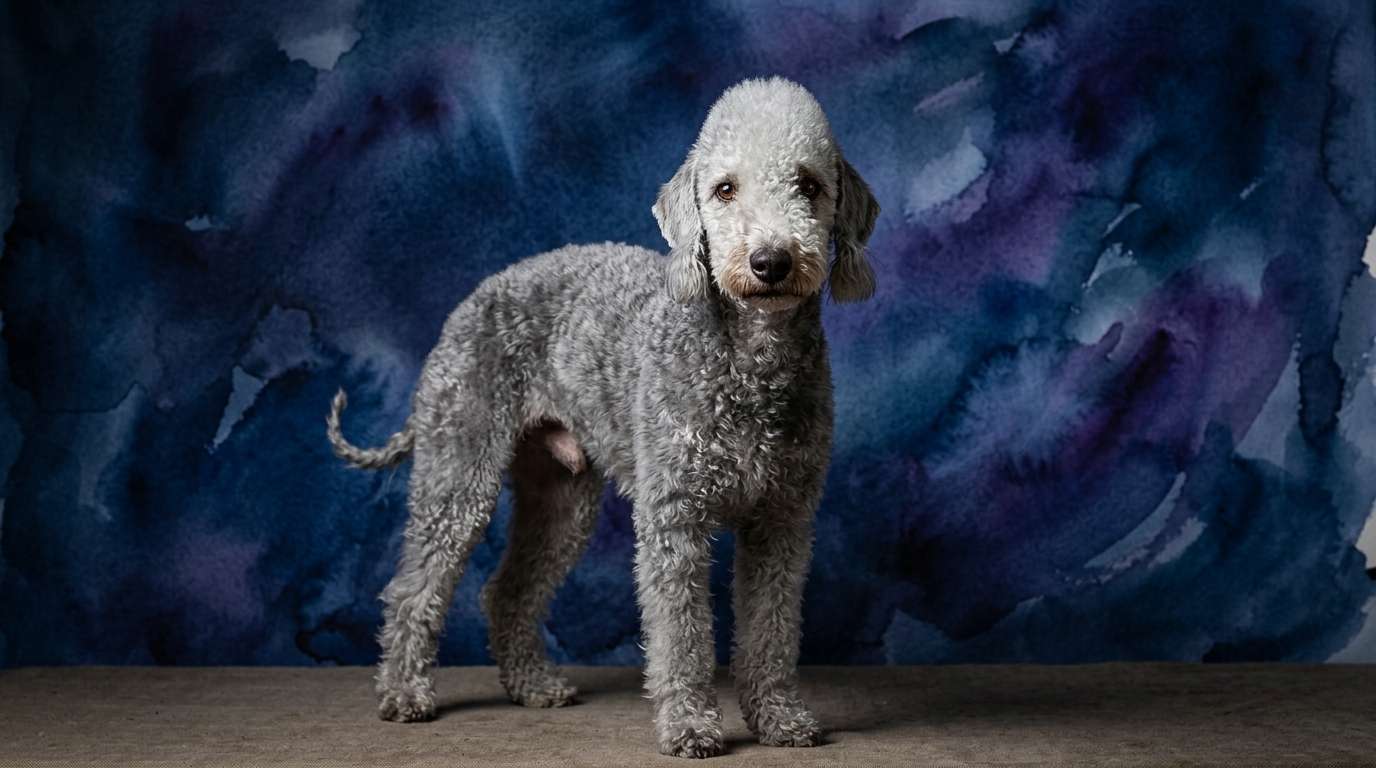
Side-by-Side IQ Profile: Samoyed vs. Bedlington Terrier
The Samoyed, ranked #33 by Coren, exhibits a balanced cognitive profile geared towards cooperative work. Their Problem Solving is rated 3/5, indicating an ability to navigate moderate challenges, while their Training Speed also scores 3/5, suggesting a moderate pace of learning new commands. Where Samoyeds truly shine is in Social Intelligence, earning a perfect 5/5, reflecting their strong desire to connect and work with humans and other dogs. Their Instinctive Drive, at 4/5, speaks to their inherent motivation for tasks like herding or pulling, and their Memory is solid at 3/5, allowing them to retain learned behaviors and routines effectively.
Unranked by Coren, the Bedlington Terrier presents a consistent cognitive landscape across several dimensions. Their Problem Solving, like the Samoyed, is rated 3/5, suggesting similar capacity for independent thought in navigating obstacles or puzzles. Their Training Speed also matches the Samoyed at 3/5, indicating a comparable rate of acquiring new skills. However, their Social Intelligence is rated 3/5, pointing to a more independent nature compared to the highly gregarious Samoyed, while their Instinctive Drive sits at 3/5, reflecting a strong but perhaps more focused drive typical of terriers, such as pursuing small prey. Their Memory is also 3/5, providing a reliable foundation for learning and recall.
Where the Samoyed Wins Cognitively
The Samoyed's cognitive strengths are most apparent in their exceptional Social Intelligence, scoring a 5/5. This translates into an innate eagerness to cooperate, understand human cues, and form deep bonds, making them highly attuned to their human companions' moods and intentions. Their 4/5 Instinctive Drive further supports their working heritage, providing a strong internal motivation for cooperative tasks like sledding, herding, or participating in dog sports that require teamwork. This combination allows Samoyeds to excel in environments where active partnership and mutual understanding are paramount, making them intuitive partners in complex activities.
They often anticipate commands and enjoy the process of working alongside their people, demonstrating a sophisticated ability to integrate into a human-led "pack" structure. Their higher social intelligence means they are often more forgiving of handler errors and more persistent in trying to understand what is being asked of them, offering a significant advantage in sustained collaborative efforts.
Where the Bedlington Terrier Wins Cognitively
While the Bedlington Terrier's individual scores don't numerically exceed the Samoyed's, their cognitive profile offers distinct advantages for specific roles and owners, particularly rooted in their terrier heritage. Their 3/5 Problem Solving, combined with a 3/5 Instinctive Drive, points to a self-sufficient and tenacious approach to challenges. Unlike the Samoyed's cooperative drive, the Bedlington's drive is often geared towards independent pursuit and resolution, making them exceptionally resourceful in situations where human direction might be limited or unnecessary.
This means they are adept at figuring things out for themselves, whether it's navigating a complex scent trail or strategizing how to access a desired object. Their cognitive "win" lies in their independent resilience and determined focus; they possess a single-mindedness that can be incredibly effective for tasks requiring sustained individual effort, such as scent work or pest control, where their cognitive energy is channeled into achieving a specific, often self-rewarding, objective. Their moderate social intelligence means they are less reliant on constant human validation to perform, a trait that can be highly valued by owners who appreciate a dog with strong self-motivation.
Which is Easier to Train and Why
Considering both breeds have a 3/5 Training Speed, the nuances of their other cognitive dimensions heavily influence their perceived trainability. The Samoyed, with its stellar 5/5 Social Intelligence and 4/5 Instinctive Drive, generally presents as the more straightforward breed to train for cooperative tasks. Their inherent desire to please and strong bond with their human means they are typically highly motivated by social praise and interaction, often eager to engage in training sessions as a form of bonding. They tend to be more responsive to verbal cues and body language, making the communication aspect of training smoother. Their working drive translates into a willingness to learn and execute commands that align with their natural inclinations for activity and purpose.
The Bedlington Terrier, while possessing the same 3/5 Training Speed, requires a different approach due to its 3/5 Social Intelligence and 3/5 Instinctive Drive. Their independent nature means they may not always prioritize human directives over their own perceived objectives, especially if those objectives involve a strong terrier instinct like chasing. Training a Bedlington often demands more creativity, patience, and consistent positive reinforcement to make the desired behaviors more rewarding than their independent pursuits. They are capable learners but may require more effort to maintain focus and compliance, particularly in distracting environments. Their training often benefits from making it feel like a game or puzzle they are solving themselves, rather than a direct command, appealing to their individual problem-solving acumen.
Which Suits Active Owners vs. Owners Who Appreciate Independent Drive
Both the Samoyed and the Bedlington Terrier are breeds that thrive with active engagement, but the nature of that engagement differs significantly based on their cognitive profiles. The Samoyed, with its high Social Intelligence and substantial Instinctive Drive for cooperative work, is an ideal companion for active owners who seek a highly interactive and participatory partner. They excel in activities like long hikes, jogging, sledding, agility, or competitive obedience, where they can work closely with their human, channeling their drive into shared goals. These owners enjoy a dog that is constantly seeking interaction and thrives on being an integral part of family activities.
The Bedlington Terrier, while equally needing vigorous exercise, will appeal more to owners who appreciate a dog with independent drive and a strong sense of self. Their cognitive profile suggests they are content with focused, self-directed activities such as exploring a secure yard, engaging in vigorous games of fetch, or participating in earthdog trials where their instinctive drive for pursuit can be fulfilled. While they enjoy their families, their moderate social intelligence means they might not constantly seek out human interaction in the same way a Samoyed does. Owners who appreciate a dog that can entertain itself or work on its own initiative, perhaps alongside them but not necessarily in constant cooperation, would find the Bedlington's cognitive style a better fit. They are excellent for those who can provide consistent, stimulating outlets for their terrier instincts, allowing them to engage their problem-solving and drive in a more self-reliant manner.
The Verdict
Choose the Samoyed if you are an active owner seeking a deeply cooperative, highly social, and communicative canine partner eager to participate in shared activities and bond closely.
Choose the Bedlington Terrier if you appreciate an agile, independently driven companion that thrives on focused activity and self-directed problem-solving, and you are prepared for a consistent, creative training approach.
🧠 Find Your Pet's IQ Score
Our Pet IQ Lab assessment covers 25+ tests across 5 cognitive dimensions — personalized to your breed.
Take the Full IQ Test →Frequently Asked Questions
Do Samoyeds and Bedlington Terriers perform similarly in canine sports?
While both breeds are capable athletes, Samoyeds often excel in cooperative sports like obedience, agility, and sledding due to their high social intelligence and drive for teamwork. Bedlington Terriers, with their independent drive, might shine in activities like earthdog trials or lure coursing, which tap into their natural prey drive and self-reliance.
How do their social intelligence scores impact their interactions with strangers or other pets?
A Samoyed's 5/5 social intelligence typically means they are more open and friendly towards strangers and generally amicable with other pets, often seeking out interaction. A Bedlington Terrier's 3/5 social intelligence suggests they might be more reserved or selective in their social engagements, potentially requiring more careful introductions to new people or animals.
Does the Bedlington Terrier's lack of a Coren rank imply lower intelligence than the Samoyed?
Not necessarily; Coren's ranking primarily focuses on "working and obedience intelligence," which heavily favors breeds eager to please and quick to obey commands, aligning with the Samoyed's profile. The Bedlington's cognitive strengths, rooted in independent terrier work, might simply not be as directly measured by Coren's specific criteria.