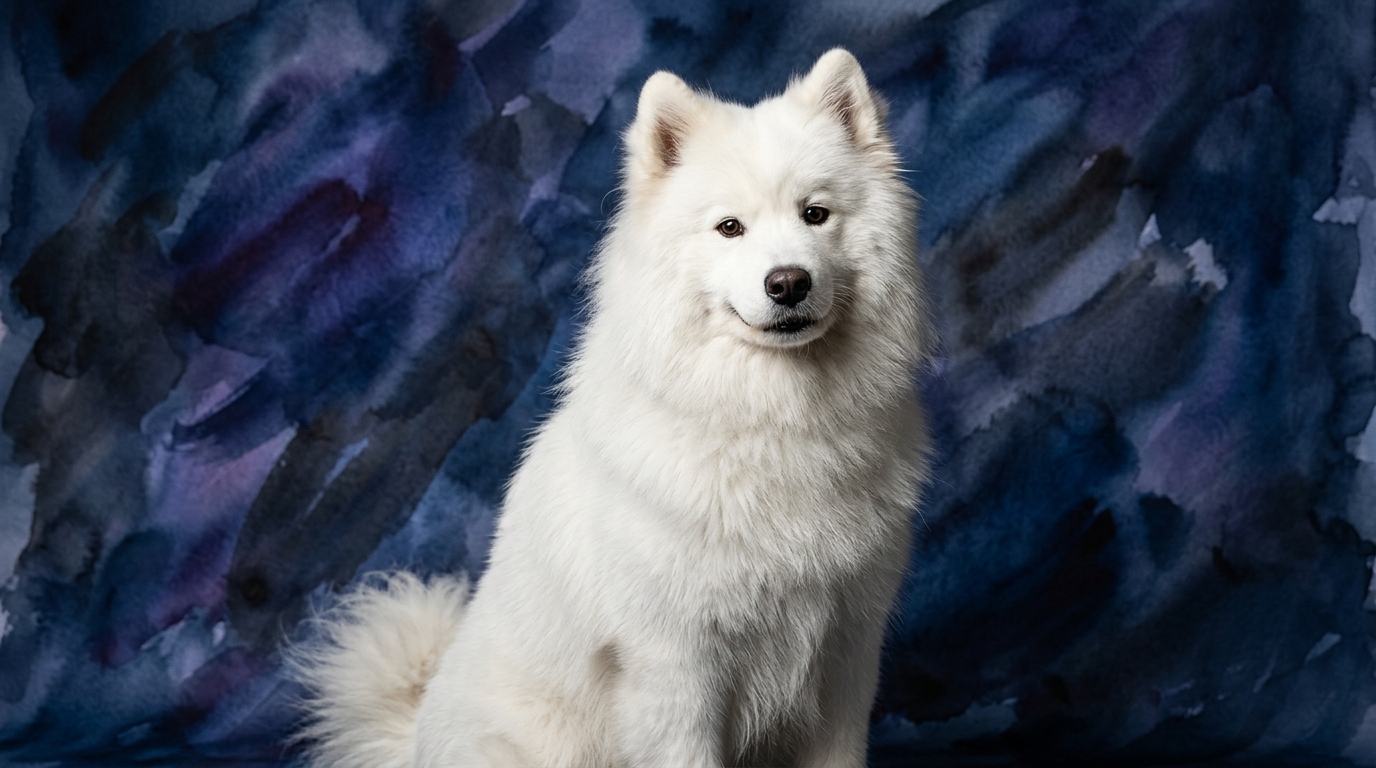
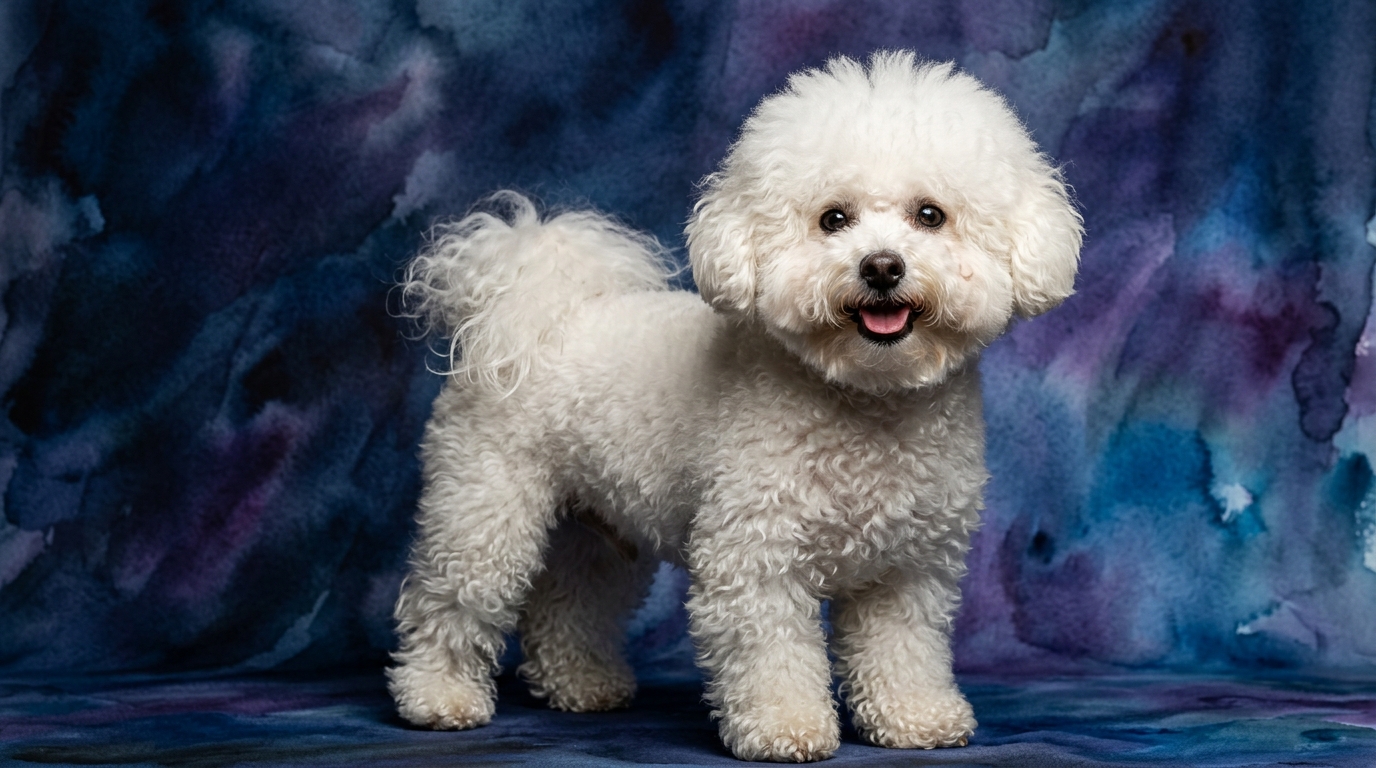
Side-by-Side IQ Profile: Samoyed vs. Bichon Frisé
At The Cosmic Pet Pet IQ Lab, we analyze canine cognition across five key dimensions, offering a nuanced understanding of how breeds perceive and interact with their environment. While both the Samoyed (Working Group, Coren Rank #33) and the Bichon Frisé (Non-Sporting Group, Coren Rank #45) bring unique strengths to the table, their profiles reveal distinct cognitive leanings.
The Samoyed's cognitive blueprint reflects its heritage as a resilient working dog from Siberia. Their Problem Solving is rated 3/5, indicating a practical capacity to navigate complex situations and adapt to environmental challenges, a necessity for their historical roles in herding and sled-pulling. Training Speed also stands at 3/5; while they grasp commands, their independent streak means consistent, engaging methods are key to maintaining focus. Their Social Intelligence is an impressive 5/5, making them exceptionally attuned to human emotions and highly empathetic companions, fostering deep bonds. A robust Instinctive Drive of 4/5 fuels their desire for purpose, often manifesting in herding or pulling behaviors. Finally, their Memory is 3/5, serving practical purposes like remembering routines and family members, though they might selectively recall commands based on perceived value.
In contrast, the Bichon Frisé’s profile highlights its specialization as a charming companion animal. Their Problem Solving is also 3/5, typically manifesting in cleverness related to social interactions and comfort, such as figuring out how to gain attention or access desired items. Training Speed is 3/5; Bichons are enthusiastic learners, but their attention spans necessitate fun, positive, and brief sessions. Like the Samoyed, their Social Intelligence is a perfect 5/5, showcasing their mastery of charming human interaction and their exquisite sensitivity to owner moods, a cornerstone of their companion role. However, their Instinctive Drive is a lower 2/5, focusing more on companionship and comfort rather than strong prey or working behaviors. Their Memory is 3/5, proficient for routines, people, and positive experiences, especially those that bring rewards or affection.
Where the Samoyed Wins Cognitively
The Samoyed’s primary cognitive advantage lies in its robust Instinctive Drive, scoring 4/5 compared to the Bichon Frisé’s 2/5. This inherent drive for purpose and activity, deeply rooted in their working dog heritage, means Samoyeds are often more self-motivated to engage with their environment in productive ways. Their problem-solving capacity (3/5) is frequently channeled through these drives, making them adept at figuring out how to achieve goals related to their instincts, such as navigating obstacles during a hike or strategizing during a canine sport. This deep-seated desire to be useful means they actively seek out challenges and tasks, demonstrating ingenuity and resilience in pursuit of a perceived 'job' rather than simply waiting for direction.
Where the Bichon Frisé Wins Cognitively
While both breeds share an exceptional social intelligence (5/5), the Bichon Frisé’s lower instinctive drive (2/5) provides a distinct cognitive advantage in adaptability within a purely companion role. Their mental energy is less consumed by innate urges to herd, pull, or guard, allowing them to channel their problem-solving (3/5) and memory (3/5) abilities predominantly towards understanding and influencing their human companions. This means Bichons excel at 'reading the room,' intuitively adjusting their behavior to maintain harmony and receive affection, often devising clever ways to garner attention or comfort themselves. Their cognitive strengths are finely tuned for domestic life, rendering them less prone to boredom-induced destructive behaviors that can arise from unfulfilled working drives.
Which is Easier to Train and Why?
Both the Samoyed and the Bichon Frisé hold a 3/5 rating for Training Speed, but their inherent behavioral differences significantly impact the training experience. Training a Samoyed often presents unique challenges due to their strong 4/5 instinctive drive and historical independence. While they are certainly capable of understanding commands quickly, they may choose to prioritize their own instincts—like following a compelling scent or attempting to 'herd' children—over immediate obedience. Successful Samoyed training requires an owner who can make learning feel like a rewarding 'job' or an engaging game, tapping into their innate desire for purpose. Without consistent, positive, and stimulating reinforcement, their moderate memory (3/5) might lead to selective recall, where they remember commands but decide not to execute them if a more interesting or instinctively gratifying activity presents itself. Their confident personality necessitates an owner who can establish clear leadership and cultivate a strong, trusting partnership to overcome potential stubbornness.
The Bichon Frisé, also scoring 3/5 in training speed, typically offers a different training dynamic. Their lower instinctive drive (2/5) means they are generally less distracted by external working urges and more singularly focused on pleasing their people. They respond exceptionally well to positive reinforcement, praise, and treats, leveraging their 5/5 social intelligence to gauge owner satisfaction and elicit rewards. While they are often quick to pick up tricks and basic obedience, their sometimes shorter attention spans and tendency towards a charming but demanding personality mean training sessions must be kept short, fun, and varied to prevent boredom. Their memory (3/5) is reliable for retaining routines and commands, especially those that consistently lead to positive outcomes like attention or rewards, making them generally eager, albeit occasionally easily distracted, students.
Active Owners vs. Relaxed Owners: A Cognitive Match
For owners with an active lifestyle, the Samoyed is an excellent cognitive match. With its 4/5 instinctive drive and historical role as a working dog, Samoyeds thrive when given a 'job.' This could involve participating in dog sports like agility or canicross, embarking on long hikes, or engaging with mentally stimulating puzzle toys that tap into their problem-solving (3/5) abilities. Owners who enjoy spending significant time outdoors and are prepared to channel a Samoyed's substantial energy and intelligent curiosity will find them incredibly rewarding companions. A sedentary lifestyle will likely lead to boredom and potential behavioral issues, as their cognitive makeup craves purpose and engagement.
Conversely, the Bichon Frisé, characterized by its lower 2/5 instinctive drive and intense 5/5 social intelligence, is perfectly suited for more relaxed owners or those living in smaller spaces. While they certainly enjoy daily walks and playful interactions, their primary need is profound human companionship and interaction. They are content with less strenuous physical activity, preferring to be a beloved and interactive member of the family, often curled up comfortably nearby. Owners who seek a devoted, charming, and relatively low-maintenance companion in terms of exercise needs, but high in terms of social interaction and emotional connection, will find the Bichon Frisé a delightful and well-matched fit. Their cognitive strengths are geared towards domestic harmony and deep emotional bonds.
The Verdict
Opt for a Samoyed if you are an active individual or family prepared to commit to significant daily exercise, outdoor adventures, and consistent mental stimulation to engage their strong working drives and problem-solving abilities.
Select a Bichon Frisé if you desire a devoted, adaptable companion whose cognitive strengths shine in social interaction and domestic harmony, and whose exercise needs are moderate, fitting well into a more relaxed lifestyle.
🧠 Find Your Pet's IQ Score
Our Pet IQ Lab assessment covers 25+ tests across 5 cognitive dimensions — personalized to your breed.
Take the Full IQ Test →Frequently Asked Questions
Are Samoyeds difficult to train?
Samoyeds possess moderate training speed (3/5), but their strong instinctive drives (4/5) and independent nature can make training challenging without consistent, engaging, and positive methods. They respond best when tasks feel purposeful, tapping into their working heritage.
Do Bichon Frisés need a lot of exercise?
Bichon Frisés have a low instinctive drive (2/5), meaning their exercise needs are moderate; daily walks and indoor playtime are usually sufficient. Their primary need is social interaction, thriving on companionship rather than intense physical exertion.
Which breed is better with children?
Both breeds have high social intelligence (5/5), making them generally good with children when properly socialized and supervised. Samoyeds can be energetic and need supervision due to their size and playful nature, while Bichons are typically gentle and charming, making them excellent family companions.