Side-by-Side Cognitive Profiles: Decoding Samoyed and Coton de Tuléar IQ
To truly understand the cognitive landscape of these two distinct breeds, The Cosmic Pet Pet IQ Lab breaks down their intelligence across five critical dimensions. This detailed profiling moves beyond broad generalizations, offering specific insights into how a Samoyed’s mind operates compared to a Coton de Tuléar’s.
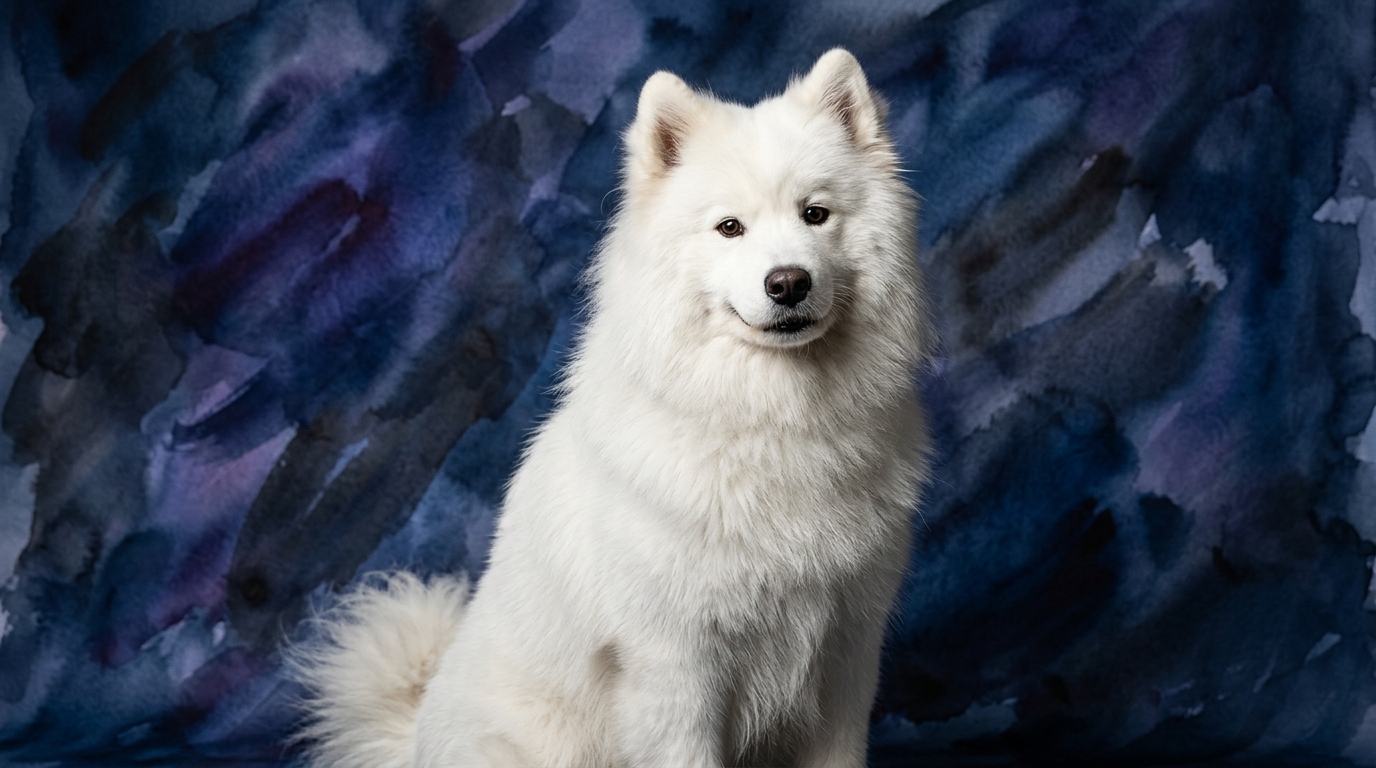
The Samoyed, a member of the Working Group and ranked #33 by Coren for working and obedience intelligence, demonstrates a complex blend of independence and social acuity. Their Problem Solving is rated 3/5, indicating a competent ability to navigate new situations and figure out puzzles, often driven by practical outcomes related to their environment or desires. They aren't typically the breed to invent complex, abstract strategies independently, but they can effectively overcome obstacles to reach a goal. Their Training Speed also stands at 3/5, meaning they learn new commands at an average pace. While capable of grasping concepts, their independent nature means consistent, positive reinforcement and clear communication are crucial for lessons to be absorbed and retained. Where Samoyeds truly shine is in Social Intelligence, earning a remarkable 5/5. They excel at understanding human emotions, intentions, and communication cues, forming deep, empathetic bonds with their families. This allows them to be highly attuned to the mood of their household, often seeking to interact and participate in activities. Their Instinctive Drive is a strong 4/5, rooted in their heritage as sled dogs and herders. This manifests as a significant desire to pull, chase, or engage in tasks, requiring purposeful outlets for their innate energy and focus. Finally, their Memory is rated 3/5, indicating a solid and reliable recall for learned commands and routines, falling within an average, functional range.
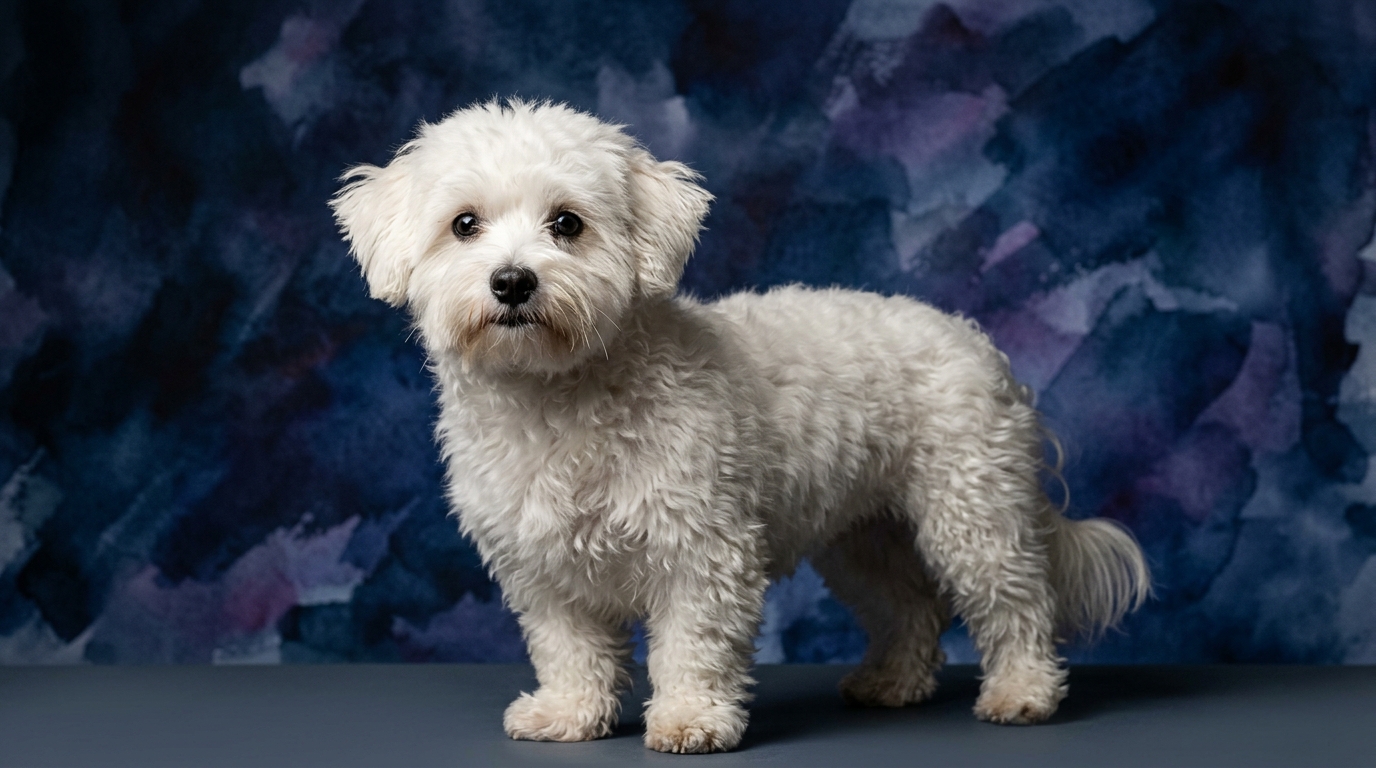
The Coton de Tuléar, a delightful member of the Non-Sporting Group and not ranked by Coren, presents a cognitive profile tailored for companionship and adaptability. Their Problem Solving is rated 3/5, mirroring the Samoyed's capacity. Cotons demonstrate an average ability to navigate their environment effectively, figuring out how to get attention or solving simple toy puzzles. Their solutions tend to be practical and direct, focused on immediate rewards or comfort. Their Training Speed is also 3/5, meaning they learn at an average rate. They respond well to positive reinforcement and patience, and their inherent desire to please their human companions generally aids in the learning process, though structured, consistent training sessions are still beneficial. In Social Intelligence, Cotons score 3/5. They form strong attachments to their families and enjoy interaction, providing devoted companionship. While affectionate and attuned to their owners, their understanding of subtle human cues might not be as profoundly nuanced or far-reaching as a Samoyed's, focusing more on the direct bond. Their Instinctive Drive is a moderate 3/5. While they enjoy play and activity, they typically do not possess the intense working or hunting drives characteristic of many other breeds. This contributes to their adaptability as house pets, making them less prone to strong independent pursuits that could lead to mischief. Like the Samoyed, their Memory is rated 3/5, meaning Cotons possess an average memory, capable of retaining learned behaviors, house rules, and recognizing familiar people and places consistently.
Where the Samoyed's Mind Excels
The Samoyed's cognitive strengths distinctly align with their historical roles, particularly in areas demanding deep social awareness and a strong sense of purpose. Their perfect 5/5 Social Intelligence score is a significant differentiator. This isn't just about being friendly; it reflects an advanced capacity to interpret human emotions, body language, and vocal tones, allowing them to form exceptionally strong, almost intuitive, bonds. A Samoyed can often anticipate their owner's needs or moods, offering comfort or seeking interaction at just the right moment, making them outstanding emotional support animals or therapy prospects. This high social intelligence also contributes to their potential in complex collaborative tasks, where understanding human intent is paramount.
Furthermore, their 4/5 Instinctive Drive gives them an edge in activities that require sustained motivation and a natural inclination towards work. While their Problem Solving and Training Speed are average, their powerful drive means they are often eager to engage in tasks like pulling a sled, participating in agility, or even herding. This inherent motivation, when properly channeled, allows Samoyeds to excel in demanding sports and activities that require endurance and a 'job' to do. Their cognitive processes are geared towards purposeful action, meaning they derive satisfaction from contributing and working alongside their human partners, often showing impressive stamina and focus when engaged in these ingrained behaviors.
Where the Coton de Tuléar's Cognition Shines
While the Coton de Tuléar's individual IQ scores might not reach the peak of the Samoyed's in specific areas, their cognitive profile represents a triumph of adaptability and focused companionship. Their problem-solving (3/5) and training speed (3/5) scores, being on par with the Samoyed, are noteworthy for a smaller companion breed. This indicates a robust capacity for learning and navigating their world effectively, without the intense working background that often underpins similar scores in larger breeds. They demonstrate a practical intelligence, quickly learning household routines, how to gain attention, or how to manipulate their environment for comfort, making them highly integrated family members.
The Coton's moderate 3/5 Instinctive Drive is also a cognitive advantage for many modern households. Unlike breeds with strong independent working drives, Cotons are less prone to self-directed activities like extensive digging, chasing, or exploring vast territories if left unchecked. This lower drive translates into a more focused attention on their human companions and their immediate home environment, making them easier to manage in a typical family setting. Their social intelligence, while 3/5, is perfectly suited for intense, devoted companionship; they are happy to be 'velcro dogs,' thriving on close interaction and easily integrated into daily family life without needing an extensive 'job' to feel fulfilled. Their cognitive strengths lie in their ability to be consistently present, adaptable, and primarily focused on their human relationships.
Training Dynamics: Samoyed vs. Coton de Tuléar
When considering which breed might be easier to train, a nuanced understanding of their cognitive profiles is essential, as their identical 3/5 Training Speed scores don't tell the whole story. The Samoyed, despite its Coren rank #33 suggesting a strong capacity for understanding new commands, can present a unique challenge due to its 4/5 Instinctive Drive and independent working heritage. While they possess a high social intelligence and will understand what you want, their strong inner motivation often means they'll weigh whether complying aligns with their own agenda or innate desires. For instance, a Samoyed might grasp a 'come' command quickly, but if a compelling scent or the urge to chase is stronger, their independent drive might override their learned response. This requires an owner who is patient, consistent, and adept at making training engaging and rewarding enough to compete with their natural inclinations.
The Coton de Tuléar, with its 3/5 Training Speed and more moderate 3/5 Instinctive Drive, often proves more straightforward for novice or less experienced owners. While they might not learn complex multi-step commands with the raw speed of some working breeds, their lower independent drive generally translates to greater consistency and willingness to comply once a command is learned. They are less likely to be distracted by strong external stimuli or internal urges that pull them away from their owner's directives. Their primary motivation is often to please their human companions and maintain close proximity, which simplifies the training process. For an owner seeking a dog that is generally biddable and responsive in everyday situations, the Coton de Tuléar's cognitive makeup may offer a smoother training journey, relying more on consistent positive reinforcement and less on outmaneuvering strong ancestral drives.
Matching Canine Cognition to Lifestyle: Active vs. Relaxed Owners
The distinct cognitive profiles of the Samoyed and Coton de Tuléar offer clear guidance for prospective owners considering their lifestyle. For active owners, the Samoyed's cognitive makeup is a compelling match. Their 4/5 Instinctive Drive demands purposeful engagement; these are dogs who thrive when given a 'job,' whether it's pulling a cart, participating in agility, or accompanying their humans on long hikes. Their high 5/5 Social Intelligence means they want to be involved in family activities and appreciate collaborative efforts. Owners who can provide consistent mental and physical stimulation, channel their natural drives into constructive outlets, and value a deeply interactive and empathetic companion will find the Samoyed's cognitive strengths align perfectly with their dynamic lifestyle. They are not content to be mere couch potatoes; their minds are wired for engagement and partnership in activity.
Conversely, the Coton de Tuléar's cognitive profile is ideally suited for more relaxed owners or those seeking a devoted companion without intense demands for physical or mental exertion. Their moderate 3/5 Instinctive Drive means they are generally content with regular walks, indoor play, and being near their family, rather than needing extensive, purpose-driven tasks. Their 3/5 Social Intelligence ensures they form strong, affectionate bonds and are highly adaptable to family life, thriving on close interaction and attention. While they enjoy play, their cognitive processing doesn't necessitate constant 'work' or extreme challenges. Owners who desire a charming, adaptable, and consistently present companion that doesn't require rigorous training to manage strong independent drives will find the Coton de Tuléar's balanced cognitive profile a perfect fit for a more serene, companion-focused lifestyle.
The Verdict
Choose a Samoyed if you are an active owner prepared to channel a strong instinctive drive and desire a deeply empathetic, highly social canine partner for collaborative activities.
Opt for a Coton de Tuléar if you seek a charming, adaptable companion with moderate drives, ideal for a more relaxed home environment where focused companionship is paramount.
🧠 Find Your Pet's IQ Score
Our Pet IQ Lab assessment covers 25+ tests across 5 cognitive dimensions — personalized to your breed.
Take the Full IQ Test →Frequently Asked Questions
Are Samoyeds good at learning tricks?
With a Training Speed of 3/5 and Problem Solving at 3/5, Samoyeds are capable of learning a variety of tricks. Their high social intelligence means they understand what is being asked, but their independent nature and strong instinctive drive require consistent motivation and engaging methods to ensure compliance and retention.
Do Coton de Tuléars get bored easily if not given 'jobs'?
Coton de Tuléars have a moderate Instinctive Drive of 3/5, meaning they don't typically require complex 'jobs' to prevent boredom. They thrive on companionship and interaction, and while they enjoy play and mental stimulation from toys or short training sessions, their cognitive profile is more geared towards being a focused companion rather than needing extensive purpose-driven tasks.
Which breed is better for a first-time dog owner?
For a first-time dog owner, the Coton de Tuléar might be a more manageable choice. Their moderate instinctive drive and consistent temperament often lead to a more straightforward training experience compared to the Samoyed's strong independent drives, which can require more experienced handling to channel effectively.