Side-by-Side IQ Profile
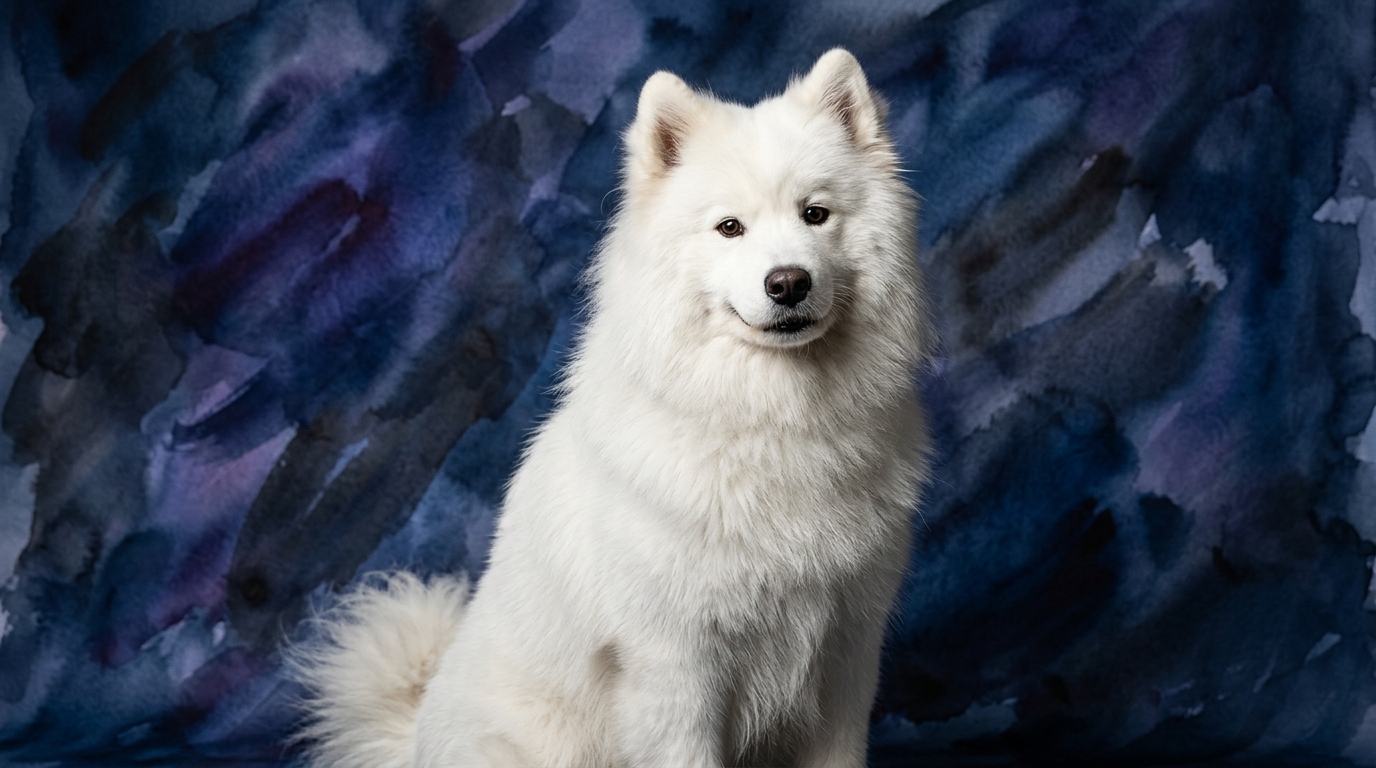
The Samoyed, a dog of the Working group, presents a distinct cognitive blueprint. Its Problem Solving is rated 3/5, indicating a moderate capacity for independent thought and adapting to novel situations, though not always seeking the most complex solutions without guidance. Training Speed also scores 3/5; their willingness to learn is present, requiring consistent positive reinforcement, and while not the fastest, their cooperative nature generally ensures good response to patient instruction. A standout trait is their Social Intelligence, achieving an impressive 5/5, meaning they excel at understanding human cues, forming strong bonds, and thriving on interaction, with an exceptionally high capacity for empathy and connection. Their Instinctive Drive is 4/5, reflecting their heritage for herding and sledding, manifesting as a strong desire for purposeful activity alongside humans, requiring outlets for energy and focus. Finally, their Memory is 3/5, indicating a good, consistent recall for commands, routines, and experiences, contributing to their reliability once trained.
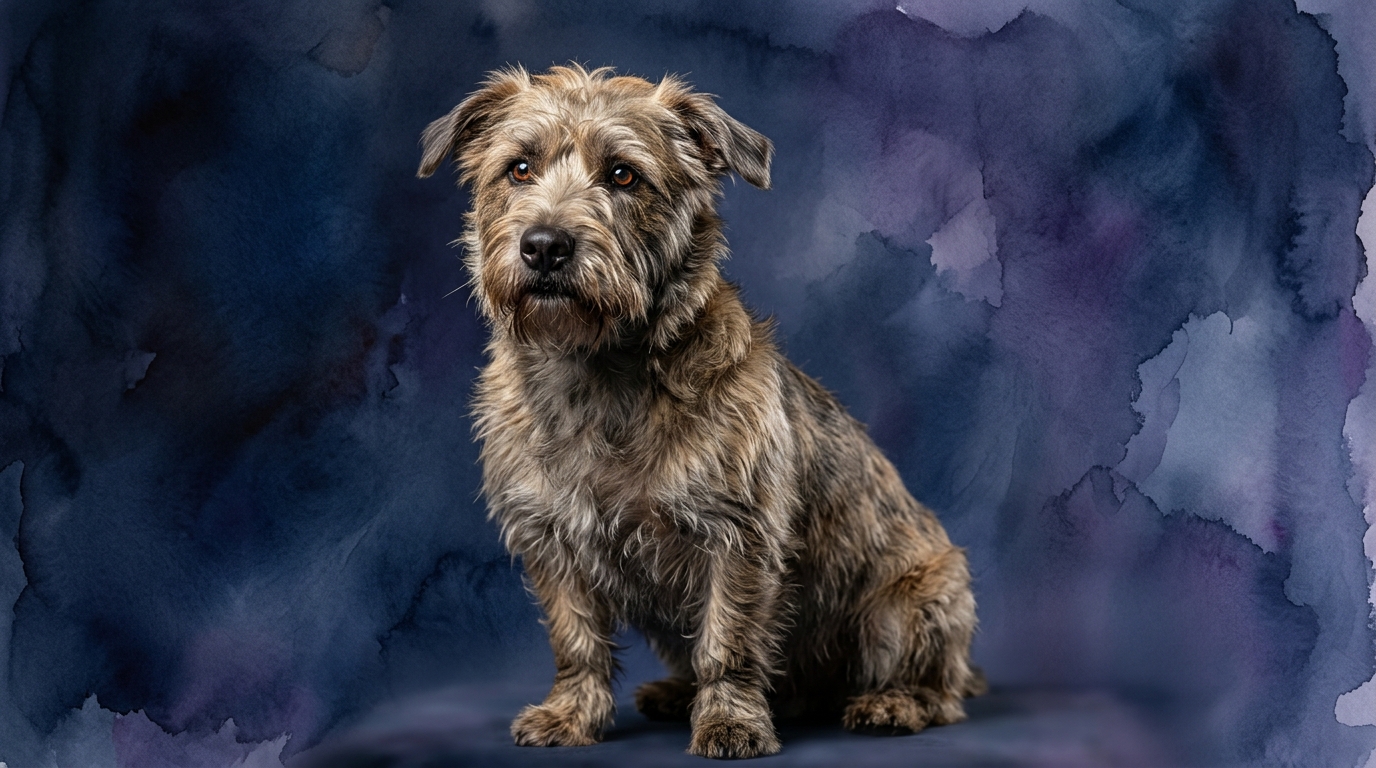
The Glen of Imaal Terrier, a member of the Terrier group, offers a different, yet equally capable, cognitive profile. Its Problem Solving is 3/5, showing a moderate ability to tackle new problems, often applying terrier tenacity. They are practical thinkers, capable of finding solutions, especially when it involves their inherent drives. Training Speed is also 3/5; Glens learn at a moderate pace, but their independent spirit means they respond best to engaging, reward-based training that respects their self-assured nature. Their Social Intelligence is 3/5; Glens form strong family bonds but are generally less effusive in their interactions compared to some breeds. They are attentive to their people but possess a more reserved and independent social demeanor. Instinctive Drive is 3/5; originally bred for hunting badgers and foxes, Glens possess a focused, determined prey drive. This core instinct directs their attention and efforts towards specific tasks. Their Memory is 3/5, reliable for learned commands and experiences; once established, behaviors tend to stick, though their independence might influence application in certain situations.
Where Samoyed Wins Cognitively
The Samoyed's cognitive profile truly shines in its exceptional Social Intelligence (5/5). This score indicates a profound capacity to understand and respond to human emotions, intentions, and communication. They are deeply attuned to their family members, often anticipating needs and seeking interaction, which makes them highly cooperative partners, eager to please and engage in shared activities, fostering a strong, almost intuitive bond with their owners. Their higher Instinctive Drive (4/5) further supports this, translating into a strong desire for purposeful activity alongside humans. Unlike a purely independent drive, the Samoyed's drive is often directed towards collaborative efforts, whether it's participating in dog sports, learning complex tricks, or simply being a diligent companion on a hike. This combination means they are not just capable, but also highly motivated to work with and for their people, making them exceptionally responsive to guidance and appreciative of shared endeavors. Their cognitive strength lies in integrating inherent drives with a strong desire for human connection, leading to a highly engaged, companionable mind.
Where Glen of Imaal Terrier Wins Cognitively
While the Glen of Imaal Terrier doesn't necessarily outscore the Samoyed in any single cognitive dimension, its consistent 3/5 across all categories represents a unique and highly effective cognitive blend, particularly valuable for specific roles and owners. Its 'win' lies in the robust, self-reliant nature of its cognitive profile, perfectly optimized for its original purpose. The Glen's Instinctive Drive (3/5), while numerically lower than the Samoyed's, is intensely focused and unwavering. This isn't a drive for broad cooperation, but for tenacious, independent pursuit of a task, making it exceptionally effective in situations requiring single-minded determination. Its Problem Solving (3/5) and Memory (3/5) are applied with a practical, no-nonsense approach, allowing it to navigate challenges with a pragmatic intelligence that prioritizes results over complex social negotiation. For owners who appreciate a dog with a solid, independent mind, one that is reliable and resolute in its actions without needing constant social validation, the Glen's balanced yet determined cognitive makeup is a distinct advantage. Its cognitive strength is in its unwavering focus and self-sufficiency, a hallmark of its terrier heritage.
Which is Easier to Train and Why
When evaluating ease of training, the Samoyed generally presents a more straightforward experience, despite both breeds sharing a Training Speed score of 3/5. The key differentiator lies in their Social Intelligence and Instinctive Drive. The Samoyed's exceptional Social Intelligence (5/5) means it is highly attuned to human desires and motivations. They inherently want to connect and cooperate with their people, making them more inclined to respond to commands and engage in training sessions as a shared activity. Their Instinctive Drive (4/5), geared towards working alongside humans, further reinforces this cooperative spirit. They thrive on having a 'job' to do with their owner, which makes them eager participants in learning new skills.
The Glen of Imaal Terrier, with its Social Intelligence (3/5) and Instinctive Drive (3/5), is more independent. While capable of learning at a similar pace, their terrier nature means they are less inherently driven to please and more inclined to follow their own instincts, especially if a more interesting scent or sound captures their attention. Training a Glen requires patience, consistency, and a deep understanding of their self-reliant character. They respond best to positive reinforcement and engaging methods that make training feel like a partnership rather than an obligation. Owners might find Samoyeds readily offer behaviors, while Glens require more convincing and motivation, often needing reminders of their own benefit from participating.
Which Suits Active Owners vs. Relaxed Owners
The Samoyed is typically a better fit for active owners who can integrate their dog into a bustling, engaging lifestyle. Their high Instinctive Drive (4/5) means they require regular, purposeful activity beyond simple walks; they thrive on tasks like hiking, jogging, sledding, or participating in dog sports. Their exceptional Social Intelligence (5/5) also means they crave constant interaction and inclusion in family life. Owners who enjoy teaching new tricks, engaging in extended play sessions, and providing ample companionship will find a Samoyed a highly rewarding partner. A relaxed owner might struggle to meet the Samoyed's significant needs for mental and physical engagement, potentially leading to boredom.
The Glen of Imaal Terrier, while benefiting from exercise, can be a better match for moderately active to relaxed owners who appreciate a dog with a robust, independent spirit that doesn't demand constant attention. Their Instinctive Drive (3/5) is focused but generally satisfied with consistent daily walks, opportunities for scent work, and secure outdoor spaces for exploration. Their Social Intelligence (3/5) indicates they are affectionate and loyal to their family but are also content with periods of quiet companionship or independent activity. They are not typically 'velcro' dogs and can be comfortable relaxing indoors after their exercise needs are met. Owners who enjoy a dog that is present but not overly demanding of constant interaction, and who appreciate a quiet, steadfast companion, will find the Glen's temperament well-suited to their pace.
The Verdict
Choose the Samoyed if you seek a highly social, cooperative companion eager to participate actively in your life and thrive on consistent engagement and purposeful activity.
Opt for the Glen of Imaal Terrier if you prefer an independent, steadfast companion with a focused drive, comfortable with moderate activity and periods of self-sufficiency.
🧠 Find Your Pet's IQ Score
Our Pet IQ Lab assessment covers 25+ tests across 5 cognitive dimensions — personalized to your breed.
Take the Full IQ Test →Frequently Asked Questions
Are Samoyeds good with other pets?
Samoyeds, with their high social intelligence, can coexist well with other pets, especially if socialized early. Their herding drive might manifest as gentle nudging, but they generally adapt well to a multi-pet household.
Do Glen of Imaal Terriers bark a lot?
Glen of Imaal Terriers are generally not excessive barkers; they tend to be quieter than many terrier breeds. They might alert bark to strangers or unusual sounds, but their vocalizations are typically more reserved.
What kind of mental stimulation do these breeds need?
Samoyeds thrive on interactive games, advanced obedience, and 'jobs' that engage their social intelligence and working drive. Glens benefit from puzzle toys, scent work, and activities that allow them to use their problem-solving skills and focused instinctive drive independently.