Side-by-Side Cognitive Profiles
When evaluating canine intellect, we move beyond simple notions of 'smart' and delve into specific cognitive dimensions. Dr. Stanley Coren's ranking system, which places breeds based on working and obedience intelligence, offers a useful starting point, with the Samoyed at #33 and the Great Dane at #48. However, a deeper dive into their individual cognitive scores reveals a more nuanced picture of their mental landscapes.
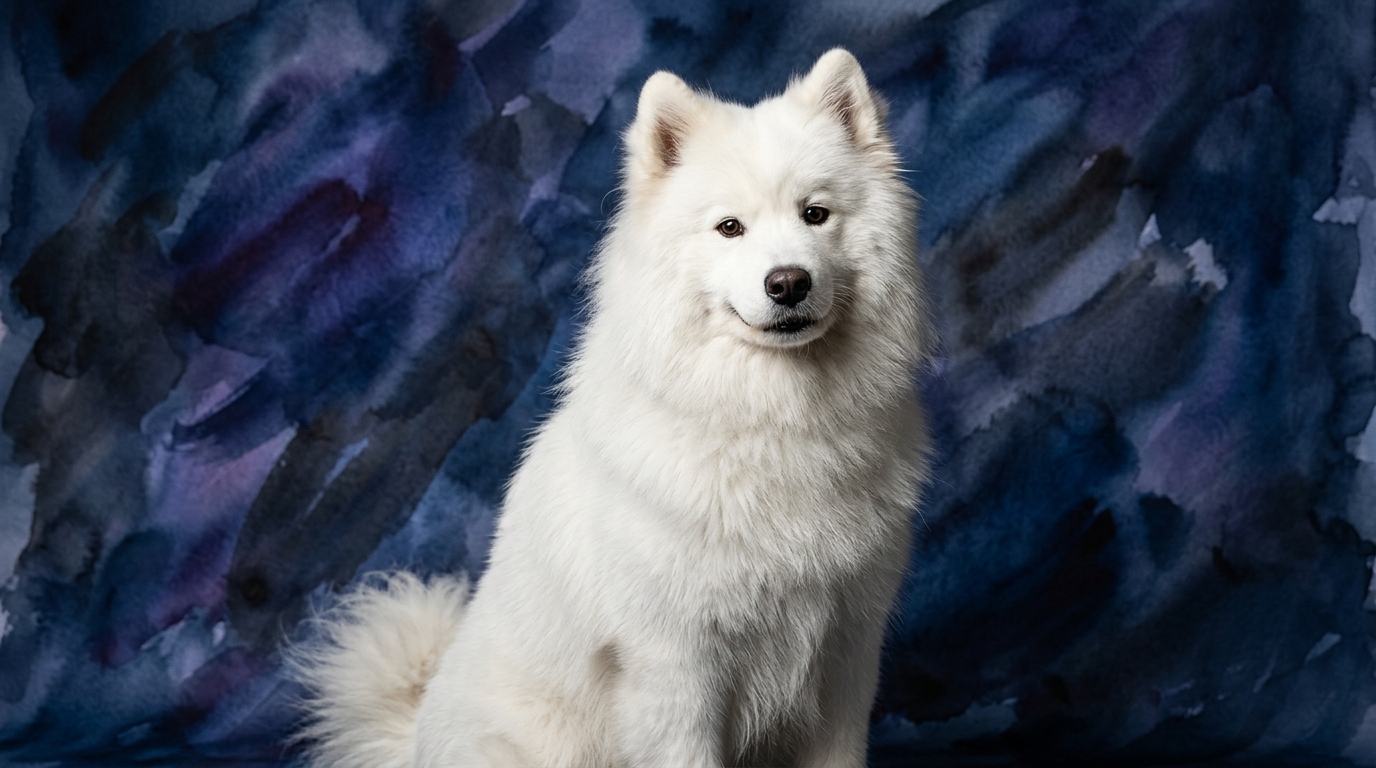
The Samoyed, with its heritage as a sled dog and reindeer herder, demonstrates a balanced cognitive profile. Their Problem Solving is rated 3/5, indicating an ability to navigate practical challenges without being overly complex in their solutions. Training Speed also stands at 3/5, suggesting they learn new commands and routines with consistent effort. Where they truly shine is in Social Intelligence, earning a perfect 5/5, reflecting their exceptional ability to read and respond to human cues and emotions. Their Instinctive Drive is strong at 4/5, a testament to their inherent desire for purpose and activity, while Memory is a solid 3/5, allowing them to retain learned behaviors reliably.
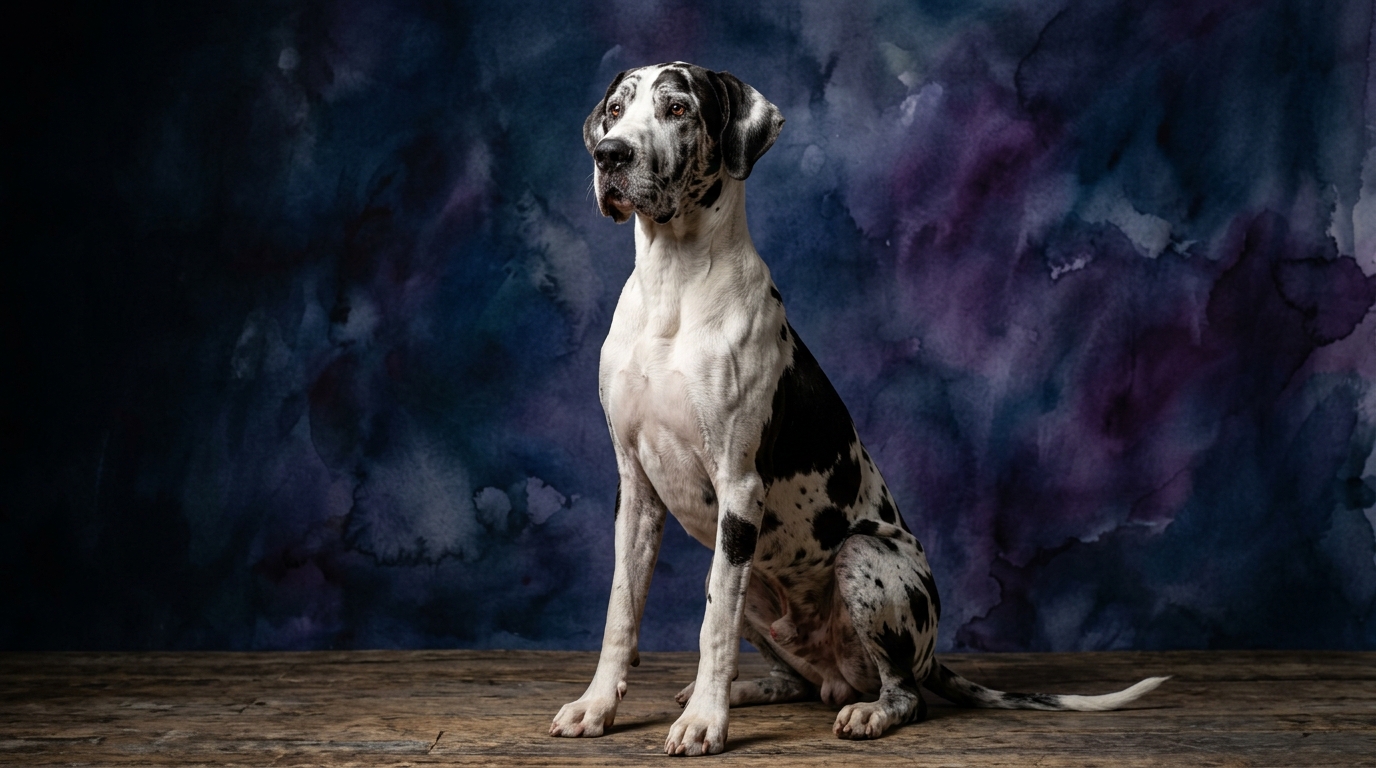
The Great Dane, a breed often revered for its majestic presence, presents a slightly different cognitive emphasis. Like the Samoyed, their Problem Solving is 3/5, indicating a practical rather than abstract approach to challenges. Their Training Speed also matches at 3/5, meaning they require clear, consistent methods to master new skills. Their Social Intelligence is a commendable 4/5, showing a strong connection to their human family, though perhaps less universally attuned than the Samoyed. The Great Dane's Instinctive Drive is 3/5, reflecting a more moderate inclination towards task-oriented work compared to the Samoyed's working heritage. Finally, their Memory is also 3/5, ensuring they hold onto training and routines effectively.
Where the Samoyed's Mind Excels
The Samoyed's cognitive strengths are deeply rooted in their history as close working partners with humans in harsh environments. Their standout attribute is their Social Intelligence, rated at an exceptional 5/5. This isn't just about being friendly; it signifies a profound ability to interpret human body language, vocal inflections, and emotional states. A Samoyed often seems to anticipate their owner's moods and intentions, making them remarkably intuitive companions. This high social acumen translates into a dog that forms incredibly strong, empathetic bonds, often seeking to engage and interact in ways that demonstrate a deep understanding of their human family's dynamics.
Furthermore, the Samoyed's Instinctive Drive of 4/5 sets them apart. This drive stems from centuries of herding and sledding, tasks that required not just physical endurance but also mental fortitude and a collaborative spirit. This means a Samoyed thrives when given a 'job,' whether it's participating in dog sports like agility or sledding, or simply having a consistent role in the household, such as retrieving specific items. Their minds are wired for purpose, and when this drive is properly channeled, it fosters a focused, engaged, and mentally robust companion. They are less content to simply observe; they want to be an active participant, using their cognitive faculties to contribute.
Where the Great Dane's Intellect Shines
The Great Dane’s cognitive profile, while different from the Samoyed’s, possesses its own distinct advantages, particularly in their approach to their environment and family. While their Social Intelligence is 4/5, which is still very good, their cognitive strength often lies in their discerning and composed nature. They are not as driven by an innate need for constant 'work' but rather by a desire for stability and companionship within their family unit. Their practical Problem Solving (3/5) is often directed towards their immediate comfort and the well-being of their household, rather than complex, multi-step tasks.
The Great Dane’s Instinctive Drive of 3/5, while lower than the Samoyed's, is channeled differently. It manifests less as a need for high-octane tasks and more as a quiet, protective attentiveness to their surroundings and their loved ones. They excel at calmly assessing situations, often acting as gentle guardians who are acutely aware of their territory and the people within it. Their cognitive energy is often spent observing and processing information related to their immediate 'pack,' making them adept at discerning unusual occurrences or potential threats with a measured and steady approach. This makes them less prone to the 'busy' mind of a working dog and more inclined towards a thoughtful, steady presence.
Trainability: Samoyed's Eagerness vs. Great Dane's Compliance
Both the Samoyed and the Great Dane share a Training Speed rating of 3/5, suggesting that neither breed is inherently a 'fast' or 'slow' learner in terms of raw acquisition. However, the nuances of their cognitive profiles significantly influence their trainability. The Samoyed's exceptional Social Intelligence (5/5) means they are highly attuned to their handler's desires and generally eager to please. This willingness to engage and understand human intent can make them appear easier to train initially, as they often pick up on cues quickly. Yet, their strong Instinctive Drive (4/5) and independent spirit, a hallmark of many working breeds, means that if training isn't consistently engaging, challenging, and purposeful, they can become stubborn or easily distracted. They respond best to positive reinforcement, variety, and training that feels like a collaborative 'job' rather than rote instruction. Their propensity for vocalization, often a charming trait, can also become a training focus.
The Great Dane, with a Social Intelligence of 4/5, is also very receptive to human instruction, especially from their family members. Their lower Instinctive Drive (3/5) means they are generally less prone to the independent 'missions' or strong prey drives that can sometimes challenge Samoyed owners. Great Danes respond exceptionally well to calm, consistent, and gentle training methods. Their sheer size necessitates early and thorough obedience training, but their desire for companionship and comfort can be leveraged effectively. Harsh or inconsistent methods are counterproductive, as they can be sensitive. While perhaps less overtly 'eager' than a Samoyed, a Great Dane's compliance, born from their desire for a stable routine and close human connection, often makes them very trainable companions when the approach is right. In essence, the Samoyed might be more enthusiastic but requires more strategic engagement, while the Great Dane might be less overtly zealous but often more reliably compliant with clear, gentle guidance.
Matching Minds to Lifestyles: Active vs. Relaxed Owners
Choosing between a Samoyed and a Great Dane based on cognitive needs often comes down to an owner's lifestyle and how much mental and physical engagement they can consistently provide. The Samoyed, with its strong Instinctive Drive (4/5) and background as a working dog, thrives with active owners. These are dogs whose minds are wired for purpose and activity. They require regular, vigorous exercise that goes beyond a simple walk; think long runs, hiking, dog sports like agility, or even urban mushing. Crucially, their cognitive needs also demand consistent mental stimulation through engaging training, puzzle toys, and opportunities to 'work.' A relaxed owner who cannot provide these outlets will likely find a Samoyed becoming bored, potentially leading to destructive behaviors, excessive vocalization, or an overall restless disposition. They are ideal for individuals or families who enjoy integrating their dog into an active, mentally stimulating lifestyle.
Conversely, the Great Dane, with its more moderate Instinctive Drive (3/5) and generally laid-back temperament, is often a better fit for relaxed owners, provided they have adequate space. While Great Danes still require regular exercise for their health, they are not typically high-energy endurance dogs. After a good walk or a play session, they are often content to lounge with their family, becoming a majestic, comforting presence. Their cognitive needs revolve more around companionship, a stable routine, and consistent, gentle interaction rather than constant, intense mental challenges. An owner who values a calm, devoted companion and can provide a comfortable home environment, along with routine exercise and gentle training, will find the Great Dane a perfect match. They are less suited for owners seeking a dog to be constantly 'doing' things or engaging in high-intensity tasks, preferring a more contemplative and integrated role within the family.
The Verdict
Choose a Samoyed if you are an active owner seeking a highly interactive, empathetic companion eager for shared activities and mental challenges, and you appreciate a dog with a strong working drive.
Opt for a Great Dane if you prefer a calm, majestic companion who thrives on close family bonds and a steady routine, offering a discerning presence with less demand for constant, intense mental engagement.
🧠 Find Your Pet's IQ Score
Our Pet IQ Lab assessment covers 25+ tests across 5 cognitive dimensions — personalized to your breed.
Take the Full IQ Test →Frequently Asked Questions
Are Samoyeds difficult to train?
Samoyeds possess a strong social intelligence and desire to please, but their inherent working dog drive means they need consistent, engaging training that taps into their purpose-driven nature. Without sufficient mental stimulation and clear direction, their independent streak can make training feel challenging.
Do Great Danes need a lot of mental stimulation?
While Great Danes benefit from regular training and interaction, their cognitive needs are generally less intense than those of a high-drive working breed. They thrive on companionship, a stable routine, and gentle engagement rather than constant complex problem-solving tasks.
Which breed is better with children?
Both breeds can be excellent with children when properly socialized and trained, but their approaches differ. Samoyeds, with their high social intelligence, often engage playfully and empathetically. Great Danes are typically gentle giants, often very patient and protective within their family unit, though their large size always necessitates supervision with very young children.