The Cognitive Canvas: Samoyed vs. Japanese Chin IQ Profiles
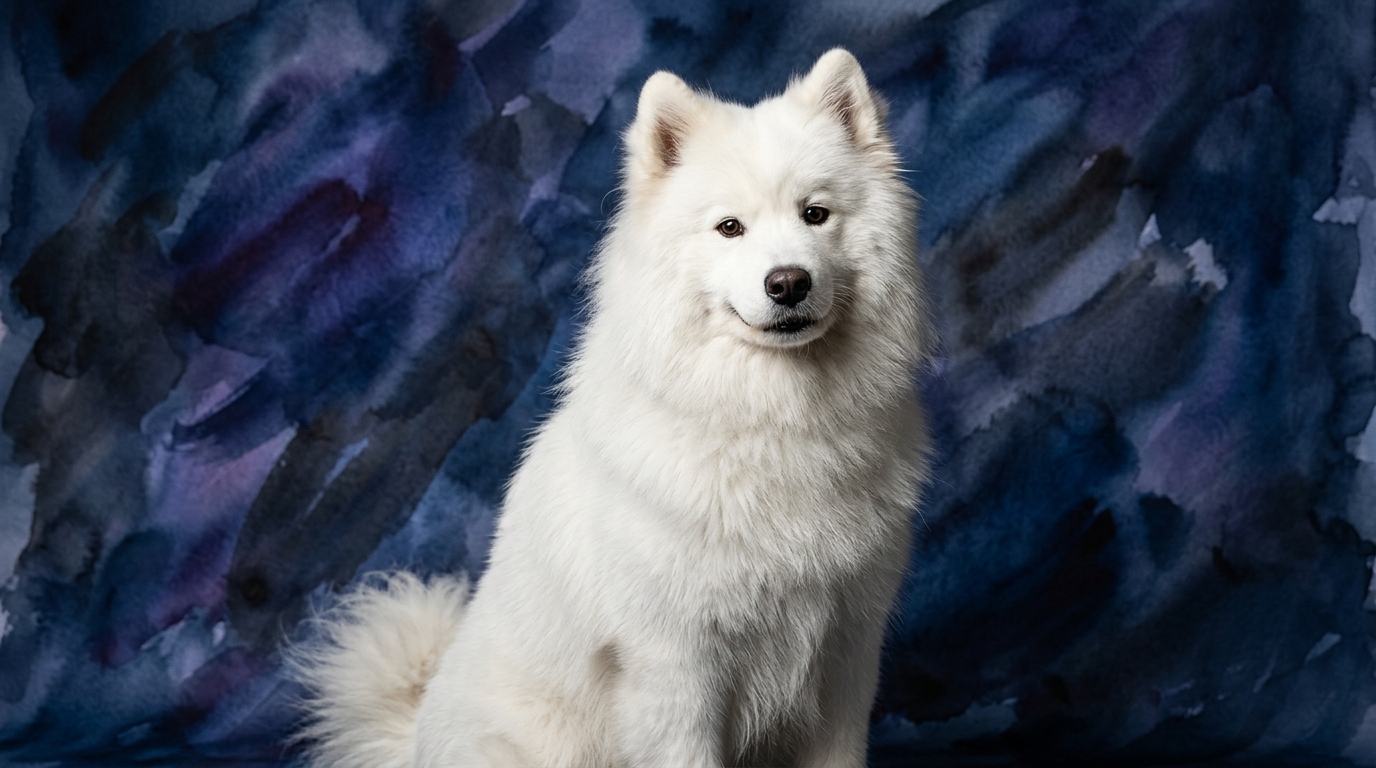
The Samoyed, a robust Working group dog, presents a cognitive profile shaped by centuries of demanding tasks. Our Pet IQ Lab data assigns them a Coren rank of #33, reflecting a specific aptitude for obedience and working intelligence. Delving into the five dimensions, Samoyeds show a moderate capacity for problem-solving (3/5) and training speed (3/5), indicating they are capable learners who benefit from consistent guidance. Their social intelligence stands out remarkably at 5/5, highlighting their deep-seated need for connection and ability to interpret human cues. An instinctive drive of 4/5 underscores their inherent motivation for purpose-driven activities, while their memory registers at a solid 3/5, suggesting reliable recall with reinforcement.
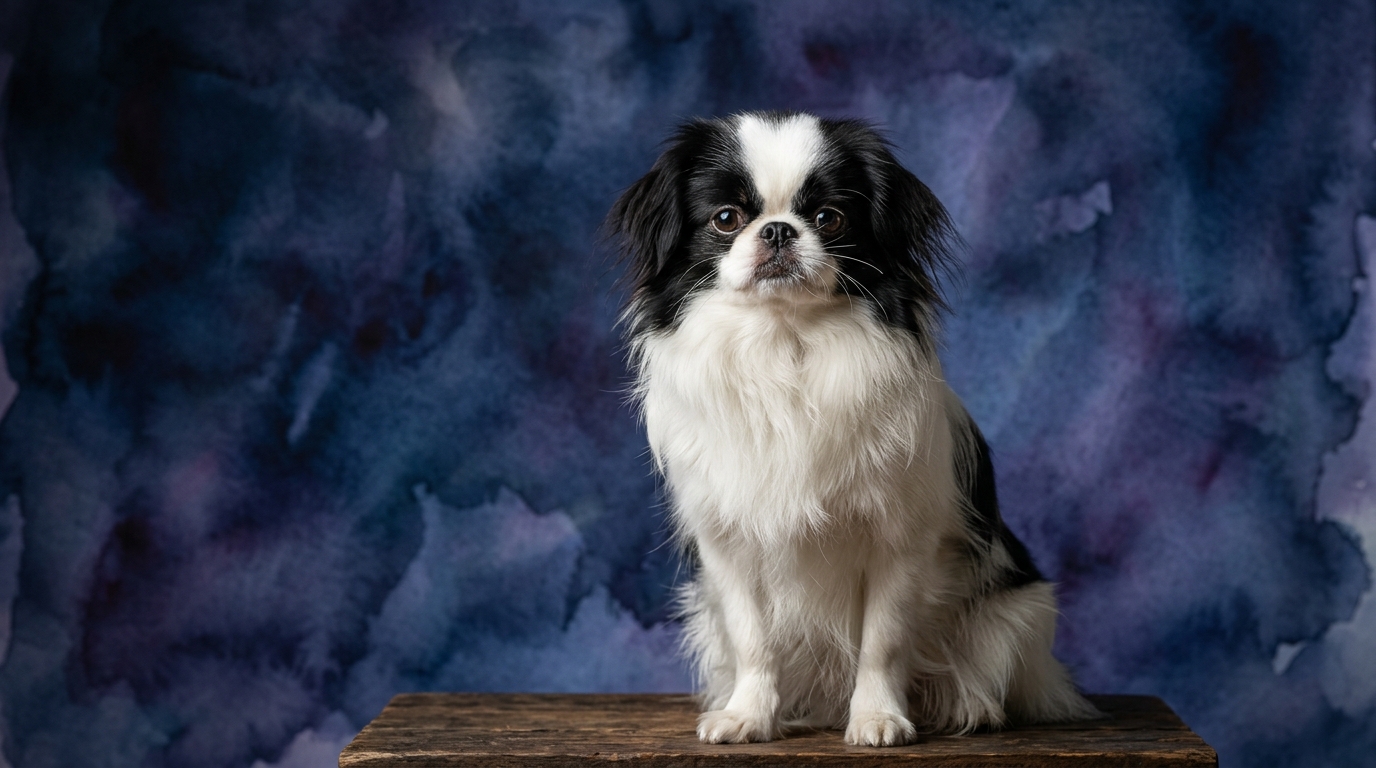
In contrast, the Japanese Chin, a delicate Toy breed, offers a different intellectual blueprint, without a specific Coren ranking, signifying a primary role as a companion rather than a working animal. Across all five cognitive dimensions—problem-solving, training speed, social intelligence, instinctive drive, and memory—the Japanese Chin consistently scores 3/5. This uniform scoring suggests a balanced, adaptable intellect, not prone to extremes in any single area. Their cognitive makeup is perfectly suited for navigating a home environment and forming close bonds with their humans, prioritizing companionship over complex tasks or intense physical exertion.
Where the Samoyed's Mind Shines Brightest
The Samoyed's exceptional social intelligence (5/5) is arguably its most distinguishing cognitive trait. This isn't merely about friendliness; it signifies a profound ability to understand and integrate into human social structures. They thrive on interaction, often seeking to be central to family activities, and possess a keen awareness of their human companions' moods and intentions. This high social acumen means they form incredibly strong bonds, making them highly attuned partners in shared endeavors, whether it's a simple walk or a more complex training routine. Their historical role as close companions to nomadic tribes further cements this deep-seated need for cooperative living.
Complementing their social prowess is a robust instinctive drive (4/5). For Samoyeds, this drive isn't just about raw energy; it's a fundamental urge for purposeful activity, stemming from their heritage of pulling sleds and herding reindeer. While they may not always display the highest scores in pure problem-solving, their drive ensures they are motivated to engage with tasks and learn behaviors that provide a sense of purpose. This means they often excel in activities like agility, obedience, or even therapy work, where their natural inclinations can be channeled productively. Without sufficient outlets for this drive, they can become restless or find their own (potentially undesirable) 'jobs'.
The Subtle Strengths of the Japanese Chin's Cognition
The Japanese Chin's consistent 3/5 across all cognitive dimensions, while not showcasing a single area of extreme aptitude, represents a significant strength in its own right: balance and adaptability. This breed is not predisposed to intense working demands or complex problem-solving, but rather possesses a steady, reliable intelligence that allows them to learn routines, respond to cues, and navigate various household situations with quiet competence. Their cognitive profile makes them particularly well-suited for a calm, indoor lifestyle, where their mental engagement primarily revolves around interactions with their human family and understanding their immediate environment.
Their social intelligence, rated at 3/5, is perfectly adequate for forming deep, affectionate bonds within their chosen family unit. While not possessing the same 'pack' mentality or intense cooperative drive as a Samoyed, the Chin develops strong attachments, often becoming a devoted shadow to one or two primary caregivers. Their moderate problem-solving abilities (3/5) are sufficient for learning household rules, understanding boundaries, and even mastering simple tricks, provided the motivation comes from positive reinforcement and the desire to please their beloved person. This steady cognitive baseline contributes to their reputation as charming, agreeable companions.
Training Trajectories: Ease and Challenges
When it comes to training speed, both the Samoyed and the Japanese Chin share a rating of 3/5, indicating they are capable of learning new commands and behaviors, but neither is a lightning-fast study nor exceptionally resistant. This score suggests that patience, consistency, and positive reinforcement methods are crucial for success with both breeds. Owners should expect a moderate pace of learning and understand that repetition and clear communication will yield the best results, rather than anticipating immediate mastery of complex tasks.
For the Samoyed, their high social intelligence is a double-edged sword in training. Their desire to please and work cooperatively can be a powerful motivator, making them eager to engage in training sessions that feel like a shared activity. However, their strong instinctive drive and moderate problem-solving score mean they can sometimes exhibit independent thinking or become easily distracted if the training isn't sufficiently engaging or if their significant exercise needs aren't met. Owners might encounter moments of 'selective hearing' if the motivation isn't compelling enough, requiring creative and varied training approaches to keep them focused.
The Japanese Chin's training experience is generally more straightforward due to their lower instinctive drive and balanced cognitive profile. While they won't learn at a breakneck pace, their moderate training speed (3/5) combined with their desire for human companionship makes them willing students, especially when treats and praise are involved. Their smaller size and less intense energy levels mean they are typically easier to manage during training sessions, focusing on basic obedience, house manners, and charming tricks. Their consistent cognitive abilities make them reliable in learning and retaining commands, provided the training is kept positive and not overly demanding.
Lifestyle Alignment: Active Explorers vs. Refined Companions
The Samoyed's cognitive profile strongly dictates a lifestyle of active engagement. Their high social intelligence means they require significant interaction and can become anxious or destructive if left alone for extended periods. The strong instinctive drive (4/5) demands outlets for physical activity and mental stimulation, making them ideal for owners who enjoy hiking, running, dog sports, or regular, vigorous play sessions. They thrive in environments where they are considered integral family members, participating in daily routines and receiving consistent attention and purposeful tasks.
Conversely, the Japanese Chin is perfectly suited for a more relaxed, indoor-centric existence. Their balanced cognitive scores, with a moderate instinctive drive (3/5), mean they are content with shorter walks, indoor play, and plenty of lap time. They adapt well to apartment living and prefer the comfort of home over extensive outdoor adventures. Their social intelligence (3/5) ensures they form strong, affectionate bonds, but without the intense demand for constant, high-energy interaction seen in the Samoyed, making them ideal for owners seeking a devoted, calm, and adaptable companion.
Ultimately, the cognitive strengths of each breed directly inform their ideal living situations. The Samoyed's drive for cooperative work and deep social needs require an owner dedicated to fulfilling those impulses through shared activities and constant companionship. The Japanese Chin's consistent, balanced intellect makes it a superb choice for those who value quiet devotion and a less physically demanding partner, where mental stimulation comes from daily interaction rather than structured tasks.
The Verdict
Choose the Samoyed if you are an active individual or family seeking a highly interactive, purpose-driven companion who thrives on shared activities and strong social bonds.
Opt for the Japanese Chin if you desire a gentle, adaptable indoor companion who offers consistent affection without demanding extensive physical or highly structured mental engagement.
🧠 Find Your Pet's IQ Score
Our Pet IQ Lab assessment covers 25+ tests across 5 cognitive dimensions — personalized to your breed.
Take the Full IQ Test →Frequently Asked Questions
Are Samoyeds difficult to train?
No, Samoyeds are not inherently difficult to train, but their moderate training speed (3/5) and strong instinctive drive (4/5) mean they require consistent, positive reinforcement and engaging methods to maintain focus and motivation. Owners should be prepared for a dedicated training commitment.
Do Japanese Chins enjoy learning tricks?
Yes, Japanese Chins can enjoy learning tricks. With patience and positive reinforcement, their moderate problem-solving (3/5) and training speed (3/5) allow them to learn a variety of commands and simple tricks, especially when it involves pleasing their favored person.
Which breed is better for first-time dog owners?
The Japanese Chin often presents fewer challenges for first-time dog owners due to its lower exercise needs, smaller size, and generally adaptable nature. Samoyeds, while affectionate, require a more significant commitment to exercise, mental stimulation, and consistent training, which can be more demanding for a novice owner.