Side-by-Side IQ Profile: Samoyed vs. Keeshond
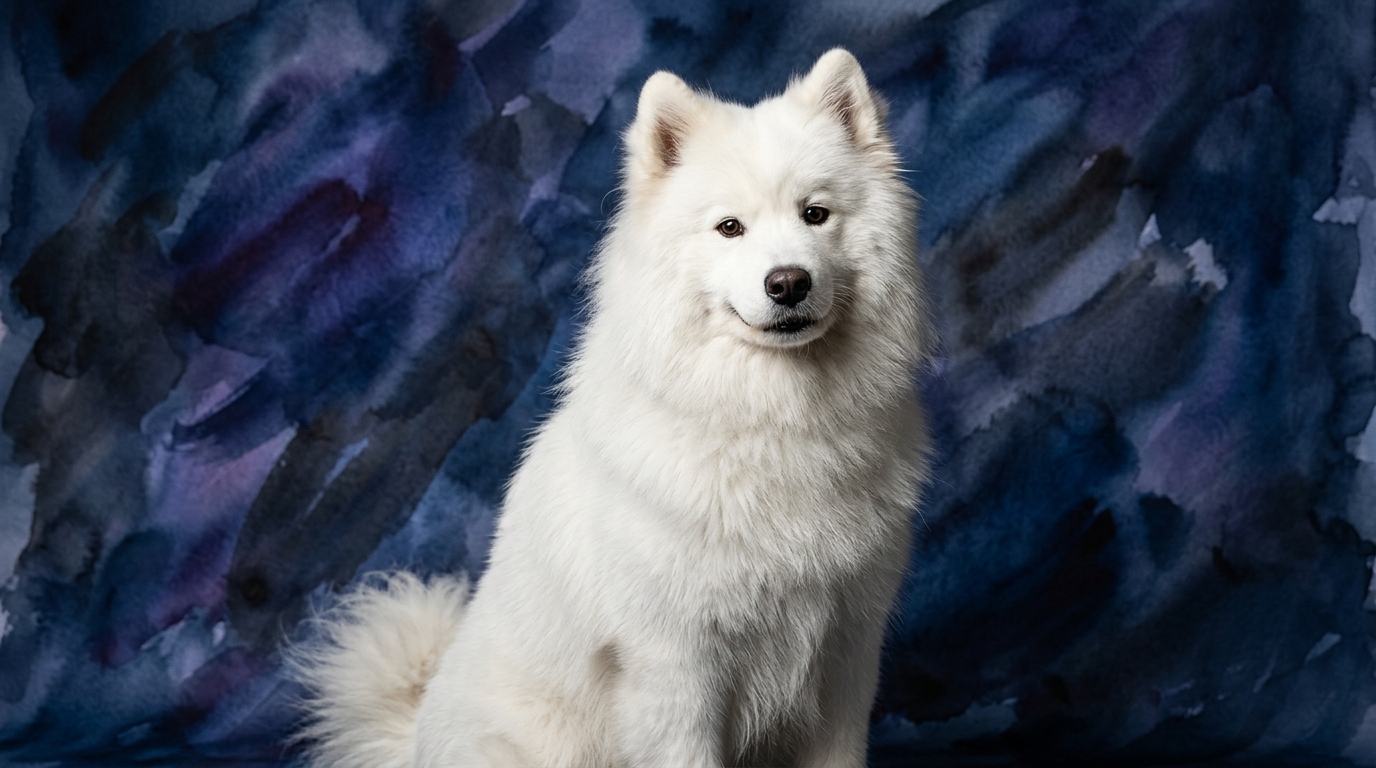
The Cosmic Pet Pet IQ Lab employs a five-dimensional framework to assess canine intelligence, moving beyond simple obedience to encompass a holistic view of cognitive function. For the Samoyed, a Working group dog, their profile highlights specific strengths and areas for development. Their Problem Solving score is 3/5, indicating they can figure things out, especially when it relates to their immediate environment or comfort, but might not always seek out novel solutions for abstract challenges. Training Speed is also 3/5, meaning they learn commands steadily, though perhaps not with the lightning quickness of some breeds, requiring consistent, positive reinforcement. A standout trait is their Social Intelligence at 5/5; Samoyeds are exceptionally attuned to human emotions and social dynamics, thriving on companionship and understanding subtle cues. Their Instinctive Drive is a robust 4/5, reflecting their heritage as working sled dogs with an innate desire to pull, herd, or engage in purposeful activities, often displaying independent motivation. Finally, their Memory is 3/5, retaining information adequately, remembering routines and basic commands, but perhaps not recalling complex sequences with the same precision as breeds with higher memory scores.
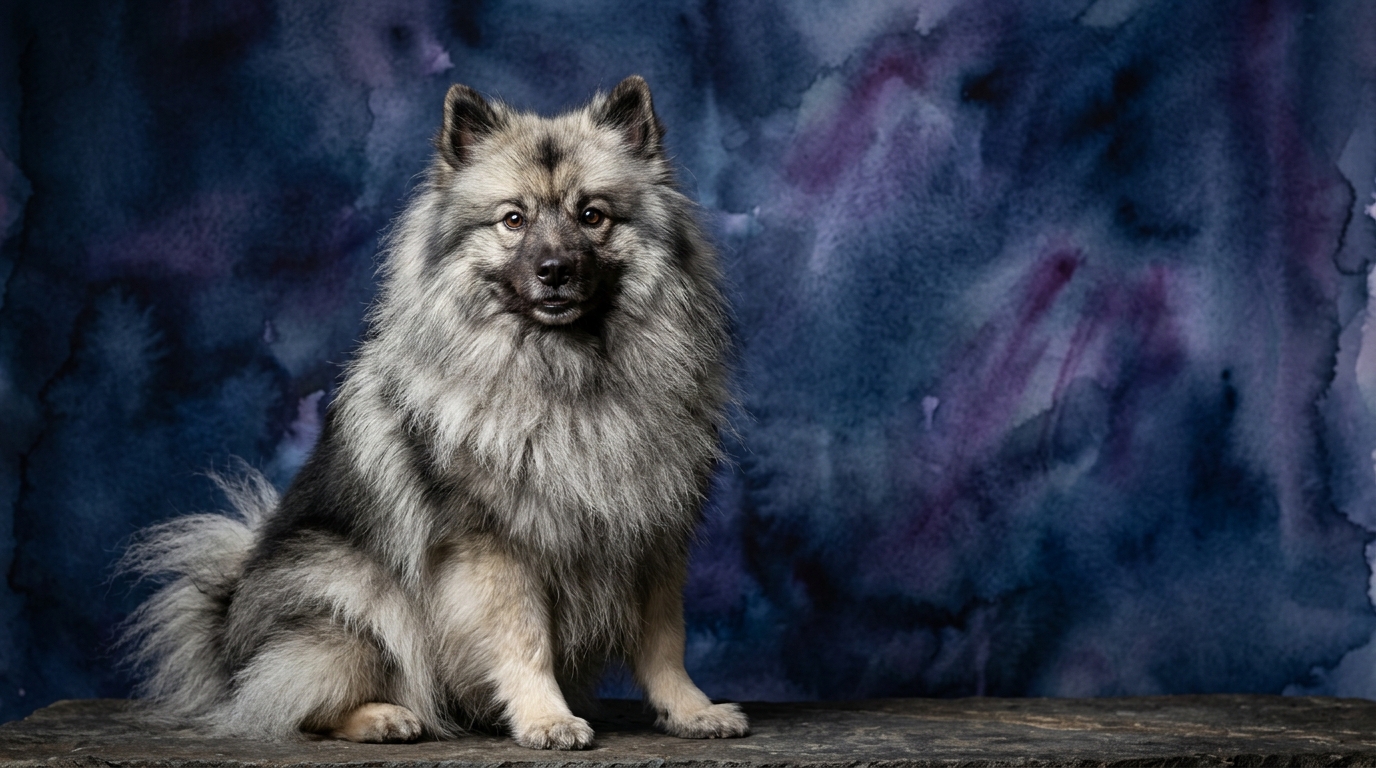
The Keeshond, belonging to the Non-Sporting group, presents a different cognitive blueprint. Their Problem Solving ability rates at 4/5, exhibiting a notable capacity to navigate new situations and devise solutions, often showing ingenuity in figuring out how to achieve their goals. Their Training Speed is 4/5, meaning they pick up new commands and routines relatively quickly, often eager to please and responsive to structured learning environments. In contrast to the Samoyed, their Social Intelligence is 3/5; while affectionate with their families, their social awareness is more focused on their immediate human pack, potentially making them less universally expressive or attuned to broader social nuances. Their Instinctive Drive is 3/5, reflecting their historical role as watchdogs on barges, possessing a moderate drive for alertness and supervision, but less of the intense working drive seen in herding or pulling breeds. A remarkable cognitive asset for the Keeshond is their Memory, scoring a perfect 5/5, allowing them excellent recall and retention of commands, past experiences, and routines with impressive accuracy over extended periods.
Where the Samoyed Wins Cognitively
The Samoyed's undisputed cognitive strength lies in their exceptional Social Intelligence, scoring 5/5. This isn't merely about being friendly; it translates into a profound capacity to read human emotions, understand subtle shifts in tone or body language, and adapt their behavior accordingly. This makes them incredibly empathetic companions, often offering comfort or mirroring moods without direct command, fostering a deep, intuitive bond with their family members. They thrive on connection and can be remarkably sensitive to the social dynamics of their household.
Furthermore, their robust Instinctive Drive, rated at 4/5, is a significant cognitive advantage when channeled appropriately. Rooted in their sled dog ancestry, this drive means they possess a natural inclination for purposeful activity and an internal motivation to engage with tasks. This isn't just about physical exertion; it translates into a willingness to participate in canine sports, pull a cart, or even 'help' with household chores, driven by an inherent desire to be useful. When provided with an outlet, this drive makes them exceptionally resilient and persistent in their chosen activities, often working independently towards a goal.
Where the Keeshond Wins Cognitively
The Keeshond's remarkable Memory, scoring 5/5, is a significant cognitive asset. This superior recall allows them to retain a vast repertoire of commands, past experiences, and routines, making subsequent learning easier and reinforcing good habits over time. This high retention means less reteaching is necessary, leading to a more reliable understanding of household rules and expectations, and a quicker progression through training stages. Owners often observe their Keeshonds remembering specific commands or even sequences of events from months prior.
Coupled with their strong Problem Solving skills, rated at 4/5, Keeshonds demonstrate a notable ability to analyze new situations and adapt quickly. They are often observed independently figuring out how to open a gate, retrieve a hidden toy, or navigate complex routes, showcasing a cleverness that goes beyond simple rote learning. This combination of impressive memory and astute problem-solving makes them adept at navigating intricate environments and learning complex, multi-step tasks, often with a flair for ingenuity. Their faster Training Speed (4/5) further underscores their cognitive advantage in structured learning, as they tend to absorb information and respond to cues with commendable alacrity.
Which is Easier to Train and Why
In the context of formal obedience and structured learning, the Keeshond generally presents as the easier breed to train due to their higher Training Speed (4/5) and exceptional Memory (5/5). They tend to grasp new commands rapidly and retain them with impressive consistency, often requiring fewer repetitions and making advanced training more accessible. Their inherent desire to be involved and a moderately lower Instinctive Drive (3/5) compared to the Samoyed means they are often more focused on the handler during lessons, less prone to independent pursuits or distractions. This combination leads to a more predictable and often quicker learning curve.
Conversely, the Samoyed's Training Speed (3/5) and Memory (3/5) are slightly lower, and their robust Instinctive Drive (4/5) can sometimes lead to a more independent, 'what's in it for me?' attitude. While deeply social, their independent nature means they may require more creative motivation, patience, and a strong, positive relationship-based approach. Training a Samoyed often benefits from tapping into their strong desire for connection and their love of 'working' alongside their human, rather than strict obedience for its own sake. Their slower recall might mean that a command learned one day needs refreshing the next, making consistency paramount and requiring owners to be more engaging in their training methods.
Which Suits Active Owners vs. Relaxed Owners
The Samoyed, with its robust Instinctive Drive (4/5) and deep Social Intelligence (5/5), thrives with active owners who genuinely enjoy engaging in activities together. Their heritage as a working breed means they benefit immensely from regular exercise that goes beyond a simple walk, such as jogging, hiking, or participating in dog sports like agility or carting. They crave companionship and purposeful interaction, making them a perfect fit for individuals or families who want a canine partner deeply integrated into their daily adventures and social life. A truly relaxed owner who prefers minimal structured activity might find the Samoyed's need for engagement challenging, potentially leading to boredom or destructive behaviors.
The Keeshond, while still needing regular exercise and mental stimulation, might be a better match for owners who appreciate a slightly more relaxed pace, yet value a clever, engaged companion. Their strong Problem Solving (4/5) and Memory (5/5) means they excel with puzzle toys, learning tricks, and consistent routines, but their Instinctive Drive (3/5) is less intense than the Samoyed's. They are content with moderate daily walks and intellectual challenges, making them adaptable to various household environments, including those of more relaxed owners who can still commit to providing consistent mental enrichment and companionship, rather than intense physical exertion.
The Verdict
Choose the Samoyed if you seek an extraordinarily empathetic, social companion deeply integrated into an active lifestyle, thriving on shared adventures and purpose-driven engagement.
Opt for the Keeshond if you prioritize a clever, highly trainable companion with impressive recall and problem-solving skills, suitable for a moderately active home that values intellectual stimulation.
🧠 Find Your Pet's IQ Score
Our Pet IQ Lab assessment covers 25+ tests across 5 cognitive dimensions — personalized to your breed.
Take the Full IQ Test →Frequently Asked Questions
Do Samoyeds and Keeshonds bark a lot?
Samoyeds are known for their vocalizations, often expressing themselves through howls and 'talks,' especially when excited or seeking attention. Keeshonds, historically watchdogs, tend to be alert barkers, announcing arrivals or unusual sounds, but can be trained to moderate this behavior with consistent effort.
Which breed is better with children?
Both breeds can be wonderful with children when properly socialized and raised within a respectful family environment. The Samoyed's high social intelligence and gentle nature often make them patient and understanding, while the Keeshond's loyalty and playful demeanor also endear them to family kids. As with any dog, supervision is always key during interactions with young children.
What are the key grooming differences?
Both Samoyeds and Keeshonds possess dense double coats that require regular grooming to prevent matting and manage shedding. Samoyeds generally have a thicker, longer coat that may demand slightly more frequent brushing, especially during seasonal shedding, compared to the Keeshond's somewhat shorter, stand-off coat, though both are significant shedders.