Side-by-Side IQ Profiles: Samoyed vs. Norwegian Buhund
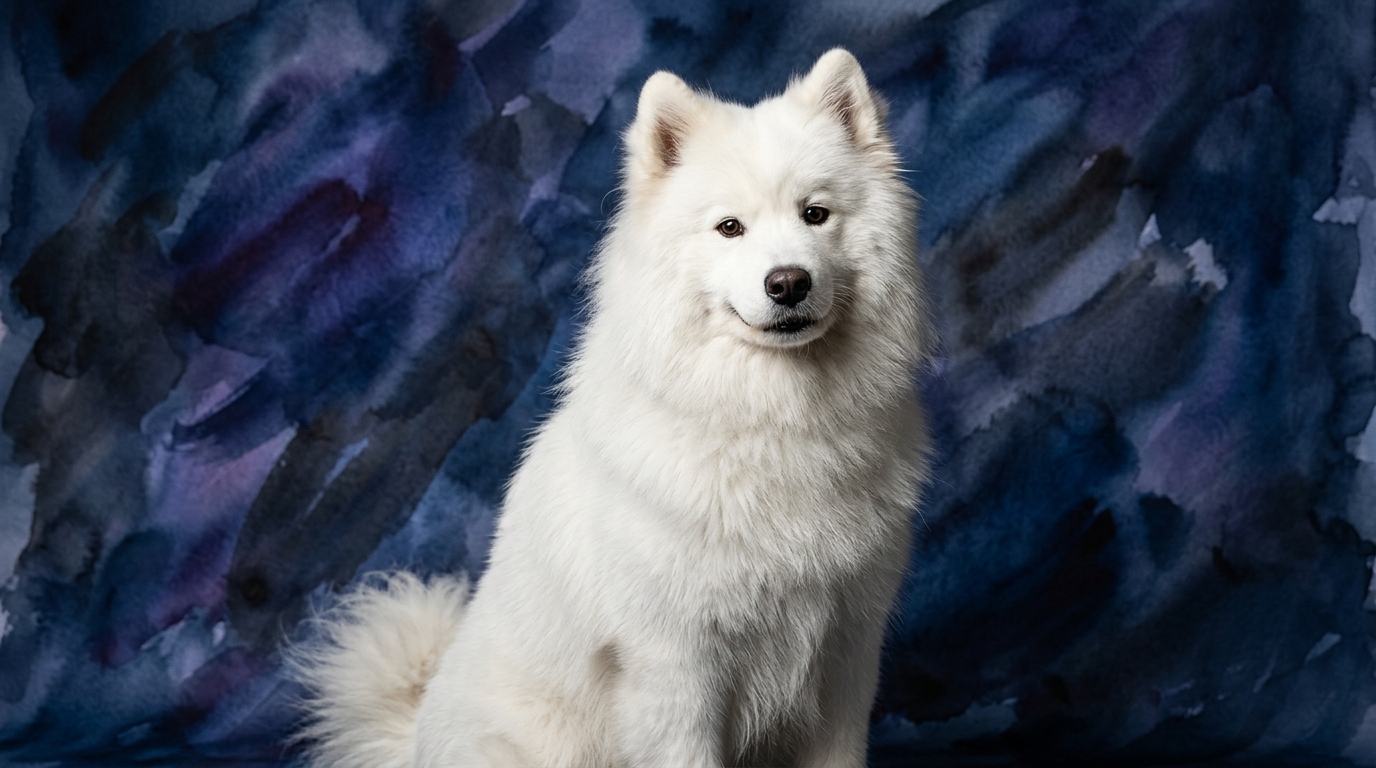
The Samoyed, a Working group dog with a Coren rank of #33, presents a cognitive profile shaped by its heritage as a sled-puller and reindeer herder in Siberia. Its Problem Solving ability is rated at 3/5, indicating a moderate capacity for independent thought and navigation through novel challenges. Training Speed also stands at 3/5, suggesting a steady but not exceptionally swift pace for acquiring new commands. Where the Samoyed truly distinguishes itself is in Social Intelligence, scoring a remarkable 5/5. This reflects an exceptional aptitude for understanding human cues, forming deep bonds, and thriving within social structures. Its Instinctive Drive, rated 4/5, points to a strong, ingrained motivation for purposeful work, often manifesting as a desire for physical exertion and contribution. Memory for the Samoyed is rated 3/5, indicating a solid but not extraordinary recall of learned behaviors and experiences.
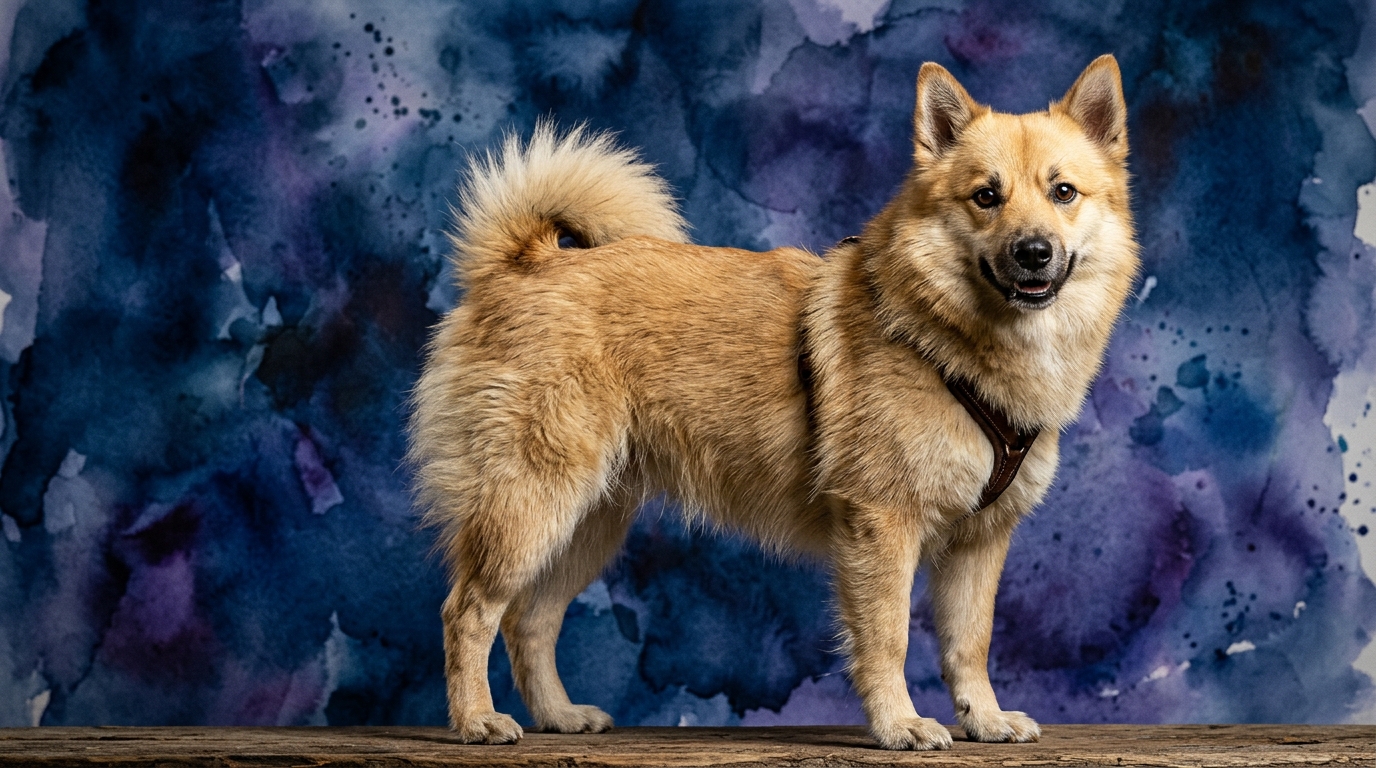
The Norwegian Buhund, a Herding group dog currently without a Coren ranking, showcases a more uniformly balanced cognitive makeup, reflecting its versatile role as a farm dog, herder of sheep and cattle, and watch dog in Norway. Across all five measured dimensions—Problem Solving, Training Speed, Social Intelligence, Instinctive Drive, and Memory—the Buhund consistently scores 3/5. This indicates a moderate and competent level in each area. Its 3/5 Problem Solving suggests a practical approach to challenges, while a 3/5 Training Speed means it learns at a respectable pace. The 3/5 Social Intelligence implies a good, but not highly dependent, connection with humans, allowing for a degree of independence. An Instinctive Drive of 3/5 shows a functional, adaptable motivation for work, less intensely specialized than some breeds. Finally, its 3/5 Memory provides a reliable capacity for retaining information and routines.
Where the Samoyed Wins Cognitively
The Samoyed’s cognitive profile shows distinct advantages rooted in its history of close partnership with humans in harsh environments. Its outstanding 5/5 Social Intelligence is a clear win, indicating a profound capacity for understanding and responding to human communication, emotions, and intentions. This translates to a dog that is exceptionally attuned to its family’s dynamics, often seeking interaction and thriving on companionship. This heightened social awareness makes them adept at navigating complex group settings and can foster a particularly empathetic bond with their owners, often anticipating needs or moods with subtle cues. They excel in environments where close, cooperative human-canine interaction is central to daily life, making them feel like true family members.
Another cognitive strength for the Samoyed is its 4/5 Instinctive Drive. While the Buhund's drive is moderate, the Samoyed's deeper ingrained motivation for purposeful, often endurance-based work gives it a powerful internal engine. This drive, historically channeled into pulling sleds for long distances or herding reindeer, means Samoyeds often possess an inherent persistence and stamina when engaged in tasks they find meaningful. This isn't just about physical energy; it's a cognitive predisposition to engage deeply and consistently with a 'job,' whether it's a demanding sport, a long hike, or a complex training routine. Owners can harness this drive to motivate sustained effort and focus, provided the activity aligns with the Samoyed's inherent working preferences.
Where the Norwegian Buhund Wins Cognitively
While the Samoyed excels in social attunement and specific drives, the Norwegian Buhund's cognitive strengths lie in its balanced versatility and adaptable independence, particularly evident in its consistent 3/5 scores across the board. This more moderate profile in Instinctive Drive (3/5) can be a significant advantage. Unlike the Samoyed's potent, often specialized drive for endurance work, the Buhund's herding instincts are present but often more flexible, allowing them to engage enthusiastically in a wider variety of tasks without the intense, singular focus. This means a Buhund might be more readily adaptable to diverse modern dog sports like agility, obedience, or even scent work, where quick shifts in focus and varied skill sets are paramount, rather than sustained, repetitive effort.
Furthermore, the Buhund’s 3/5 Social Intelligence, while lower than the Samoyed's, indicates a healthy degree of independence. This can be a cognitive win for owners who appreciate a dog that is affectionate but not constantly demanding of human attention. Buhunds are capable of working autonomously, making decisions in dynamic herding situations, and this translates into a companion that can entertain itself or work through problems with less direct human intervention. This cognitive independence means they are less prone to separation-related stress than breeds with extremely high social needs, offering a slightly more self-reliant companionship without sacrificing their connection to their family.
Which is Easier to Train and Why?
Both the Samoyed and the Norwegian Buhund share a 3/5 rating for Training Speed, suggesting that neither breed will learn new commands with exceptional swiftness, but rather at a moderate, consistent pace. However, the Samoyed's superior 5/5 Social Intelligence gives it a distinct edge in overall trainability and cooperation. A Samoyed’s deep desire for human connection and approval means they are often highly motivated by praise, positive reinforcement, and the sheer joy of interacting with their owner. Their ability to keenly read human body language and vocal tones makes them highly responsive to guidance, even if the initial learning curve for a new trick isn't lightning-fast. They tend to be more inherently cooperative partners in training sessions, eager to engage and please.
In contrast, the Norwegian Buhund’s 3/5 Social Intelligence, combined with its herding background, often translates to a more independent approach to training. While capable of learning and eager to engage, a Buhund might require more creative and varied training methods to maintain interest, as they are less driven by the singular desire to please. Their problem-solving capacity is equal to the Samoyed's, but their lower social drive means they might be more inclined to assess the value of a command for themselves or follow their own instincts if a task isn't immediately rewarding. This isn't stubbornness, but rather a cognitive independence that requires trainers to be engaging, consistent, and to establish clear leadership to channel their attention effectively. Therefore, while both learn at a similar pace, the Samoyed's social nature typically makes the training process feel smoother and more collaborative for the average owner.
Suited for Active vs. Relaxed Owners
Neither the Samoyed nor the Norwegian Buhund are suited for truly 'relaxed' owners in the sense of a sedentary lifestyle; both are active working breeds requiring significant engagement. However, their cognitive profiles dictate different *types* of activity and interaction. The Samoyed, with its 4/5 Instinctive Drive for endurance and 5/5 Social Intelligence, thrives with owners who are highly active and deeply integrated into their dog's daily life. They need consistent, vigorous exercise, such as long runs, hikes, or even pulling activities, that tap into their historical working purpose. Crucially, they also demand constant social engagement and companionship; a Samoyed left alone for extended periods will likely become bored and potentially destructive due to its high social needs and drive for purposeful interaction.
The Norwegian Buhund, with its 3/5 Instinctive Drive and 3/5 Social Intelligence, is also for active owners, but perhaps those seeking a partner for more varied and mentally stimulating activities rather than pure endurance. Their herding background means they excel in tasks requiring quick thinking, agility, and problem-solving, like dog sports (agility, flyball) or complex obedience routines. While they need regular exercise, their drive is often less singularly focused on sustained physical output than the Samoyed’s. Their slightly lower social dependence means they can tolerate short periods of independence better, but still require significant daily interaction and mental challenges to prevent boredom. They are ideal for owners who enjoy diverse activities and can provide both physical outlets and consistent mental enrichment.
The Verdict
Choose the Samoyed if you desire an exceptionally social, deeply bonded companion who thrives on close interaction and purposeful, endurance-based activities, offering unwavering loyalty and a keen understanding of your emotions.
Opt for the Norwegian Buhund if you seek an agile, versatile, and moderately independent working partner capable of excelling in diverse dog sports and tasks, bringing a practical intelligence and adaptable spirit to your active lifestyle.
🧠 Find Your Pet's IQ Score
Our Pet IQ Lab assessment covers 25+ tests across 5 cognitive dimensions — personalized to your breed.
Take the Full IQ Test →Frequently Asked Questions
Are Samoyeds prone to separation anxiety due to their high social intelligence?
Samoyeds, with their 5/5 Social Intelligence, form incredibly strong bonds and often thrive on constant companionship. While not guaranteed, their deep need for interaction can make them more susceptible to separation-related stress if left alone for very long periods without sufficient mental and physical enrichment.
Do Norwegian Buhunds bark a lot, given their herding and watchdog instincts?
Norwegian Buhunds do possess a 3/5 Instinctive Drive that includes watchdog tendencies from their herding heritage. They are known for being vocal, often using their bark to alert their owners to new sights or sounds, which can be managed with consistent training but is a natural part of their cognitive makeup.
How do their problem-solving skills differ in everyday situations?
Both breeds share a 3/5 in Problem Solving. In everyday situations, this means both can figure out how to open gates or retrieve hidden toys. However, the Samoyed's higher social intelligence might lead it to 'ask' for help more readily, while the Buhund's independence might encourage it to try more solutions on its own before seeking human assistance.