Side-by-Side Cognitive Profiles
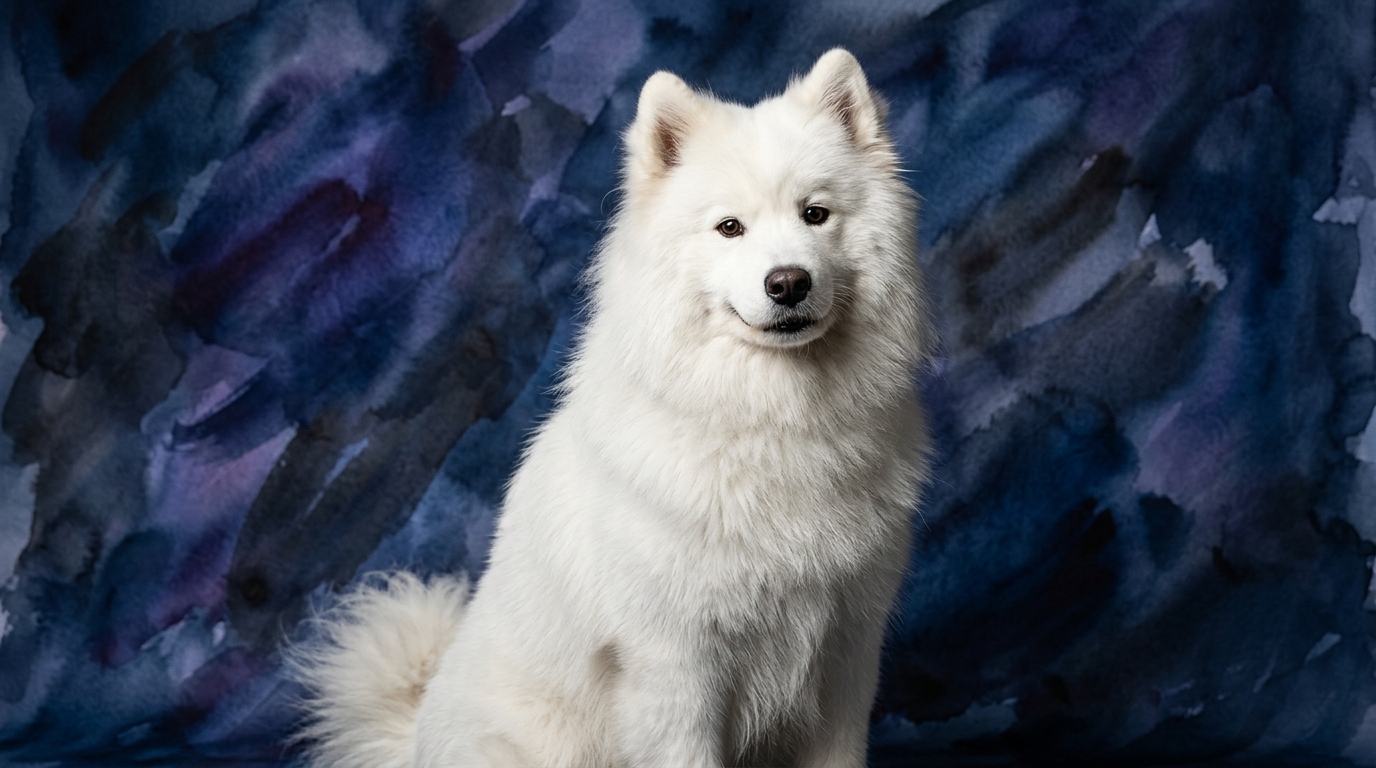
Originating from the frigid north, the Samoyed’s cognitive blueprint reflects centuries of close partnership with humans for herding reindeer and pulling sleds. Their Problem Solving is rated 3/5, indicating an ability to navigate complex situations independently, sometimes with a touch of self-interest in their solutions. Training Speed also scores 3/5; while capable of learning, their strong will and inherent drives can sometimes temper their responsiveness. Where they truly shine is Social Intelligence, earning a perfect 5/5, showcasing an exceptional capacity for understanding human emotions, intentions, and social cues. Their Instinctive Drive, rated 4/5, highlights a robust inclination towards ancestral tasks like herding, pulling, and a notable prey drive. Memory, at 3/5, allows them to retain experiences and learned behaviors effectively over time.
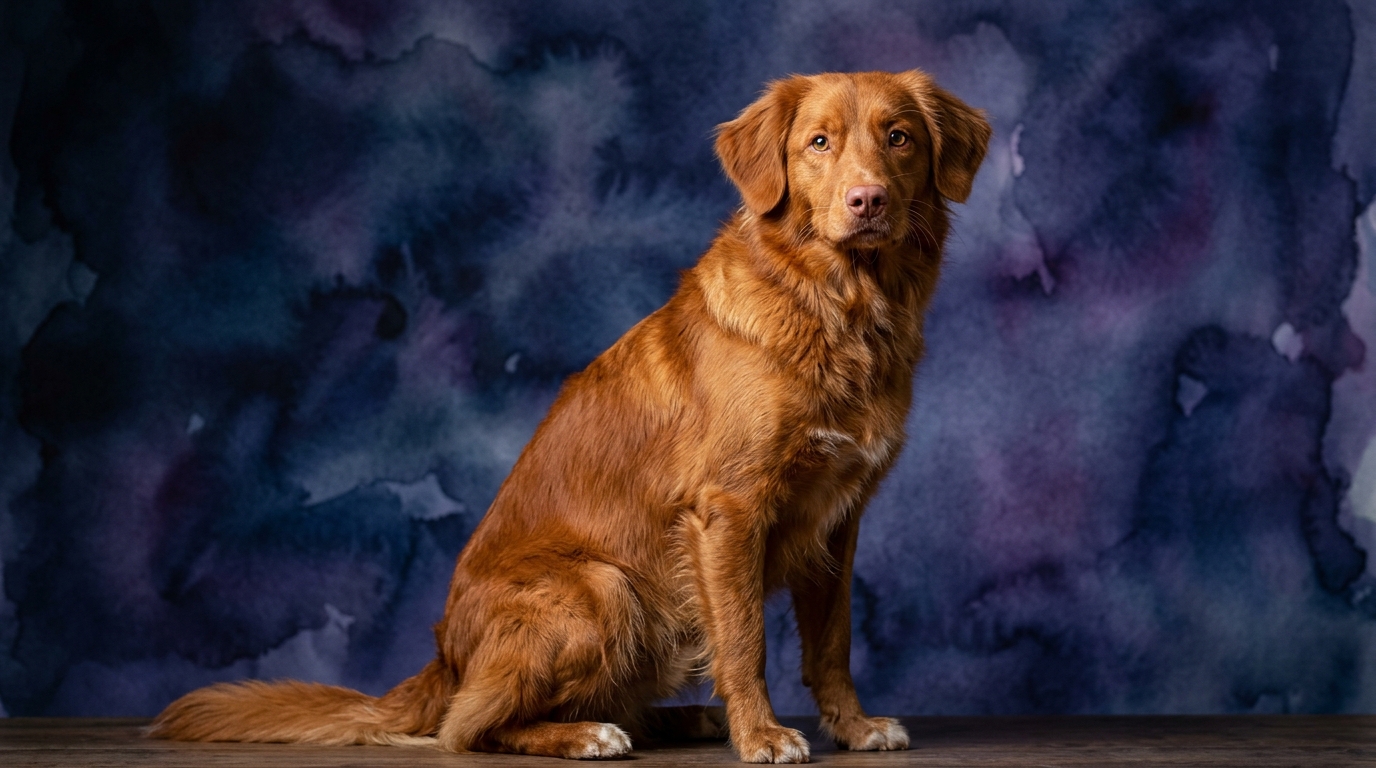
Hailing from Canada’s Maritime provinces, the Toller’s cognitive make-up is finely tuned for their specialized role of luring and retrieving waterfowl. Their Problem Solving is also 3/5, demonstrating resourcefulness in their hunting tasks, adapting to environmental challenges to achieve their objectives. Training Speed matches the Samoyed at 3/5; while eager to engage, their high energy and focused drives require consistent, stimulating methods to keep them engaged. Their Social Intelligence is rated 3/5, meaning they form strong bonds with their primary family unit but may display a more reserved demeanor with strangers, directing their social acumen primarily towards their inner circle. Instinctive Drive scores 3/5, a focused intensity directed towards retrieving and their unique "tolling" behavior, which involves playful antics to lure ducks. Memory, like the Samoyed, is 3/5, ensuring they recall commands and task sequences vital for their working duties.
Where the Samoyed Wins Cognitively
The Samoyed's most pronounced cognitive advantage lies in its unparalleled Social Intelligence, scoring a 5/5 compared to the Toller's 3/5. This isn't merely about friendliness; it signifies a deep, intuitive understanding of human emotional states and social dynamics. A Samoyed is exceptionally attuned to the subtle shifts in your mood, capable of offering comfort or engaging in play precisely when needed, often without overt cues. This high social acumen makes them particularly adept as emotional support animals or family companions where nuanced interpersonal relationships are paramount. Furthermore, their Coren ranking of #33 among working breeds underscores a general "working intelligence" that, while multifaceted, often involves a sophisticated interaction with human directives and intentions within a broader range of tasks beyond specific sporting activities. Their ability to independently assess and react to a human's emotional landscape gives them a distinct edge in fostering profound, empathetic connections.
Where the Nova Scotia Duck Tolling Retriever Wins Cognitively
While the Toller's individual cognitive scores might not always surpass the Samoyed's, their strength lies in the *application* and *specialization* of their abilities, particularly concerning their instinctive drive and focused problem-solving. Their Instinctive Drive, rated 3/5, is a finely honed instrument for their specific purpose: the complex, multi-stage task of "tolling" and retrieving. This involves not just fetching, but also a unique luring behavior that requires strategic thinking and controlled excitement. Their Problem Solving (3/5) is less about broad, independent decision-making and more about efficient task completion within a defined framework—how to best retrieve a bird, navigate terrain, or maintain focus amidst distractions. This focused cognitive energy, coupled with their desire to work cooperatively in a structured environment, means their "wins" are in their reliability and precision for specific, demanding working roles, where their cognitive resources are channeled into achieving a clear, handler-directed objective with remarkable consistency.
Which is Easier to Train and Why
Both breeds share a 3/5 rating for Training Speed, yet their training experiences can differ significantly due to their other cognitive traits. The Samoyed's exceptional Social Intelligence (5/5) means they understand human intentions and social cues deeply, but their strong Instinctive Drive (4/5) and independent problem-solving can translate into a "what's in it for me?" attitude. They might grasp a command quickly but choose to comply only if it aligns with their current desires or if the motivation is compelling enough to override their independent streak. This can make training feel like a negotiation. In contrast, the Toller, with a 3/5 Social Intelligence and 3/5 Instinctive Drive, often exhibits a more direct eagerness to work *with* their handler, especially when tasks involve retrieving or other engaging activities. Their drives are more focused on cooperative tasks, making them generally biddable and keen to please within a structured training environment. While both require patience and positive reinforcement, the Toller's focused drive often makes task-oriented training feel more straightforward, whereas the Samoyed demands a trainer who can consistently engage their independent mind and leverage their social understanding.
Which Suits Active Owners vs. Relaxed Owners
Neither the Samoyed nor the Nova Scotia Duck Tolling Retriever are suitable companions for relaxed or sedentary owners; both breeds demand substantial daily engagement to thrive mentally and physically. The Samoyed, a heritage working dog, possesses immense endurance and requires vigorous exercise, such as long runs, hikes, or participation in dog sports like canicross or skijoring, to fulfill their 4/5 instinctive drive. Their need for mental stimulation is equally high, preventing boredom-induced behaviors. Similarly, the Toller, a member of the Sporting group, is a dynamo of energy, bred for stamina and agility in retrieving waterfowl. They require extensive daily exercise, including swimming, fetching, and engaging in challenging dog sports like agility or flyball. Their 3/5 instinctive drive, while focused, is intense and needs consistent outlets. Therefore, both breeds are best suited for highly active individuals or families who are committed to integrating their dog into a dynamic lifestyle, providing not just physical exertion but also consistent mental challenges and companionship.
The Verdict
Choose the Samoyed if you prioritize a deeply empathetic, socially astute companion who will integrate profoundly into your family's emotional landscape, and you are prepared to channel their independent spirit and strong working drives.
Opt for the Nova Scotia Duck Tolling Retriever if you seek a highly engaged, focused partner for structured activities like retrieving, dog sports, or outdoor adventures, valuing their cooperative nature and specialized working drive.
🧠 Find Your Pet's IQ Score
Our Pet IQ Lab assessment covers 25+ tests across 5 cognitive dimensions — personalized to your breed.
Take the Full IQ Test →Frequently Asked Questions
Do Samoyeds have a stubborn streak?
Yes, Samoyeds can exhibit independence, which some owners interpret as stubbornness. Their 3/5 training speed and 4/5 instinctive drive mean they understand commands but might choose to comply based on their own assessment or motivation, requiring consistent, positive, and engaging training methods.
Is a Nova Scotia Duck Tolling Retriever a good choice for a first-time dog owner?
While eager to please, Tollers are high-energy dogs with specific exercise and mental stimulation needs. Their focused 3/5 instinctive drive requires an owner committed to providing outlets for their retrieving behaviors, making them a better fit for experienced, active owners who understand working breeds.
How do their social needs compare?
The Samoyed, with 5/5 social intelligence, thrives on constant human interaction and deeply understands emotional nuances, needing to be an integral part of family life. The Toller, at 3/5 social intelligence, forms strong bonds with its immediate family but might be more reserved or aloof with strangers, focusing its social energy on its primary pack.