Side-by-Side Cognitive Profiles
To understand the unique mental fabric of the Samoyed and the Otterhound, we examine five key cognitive dimensions: problem-solving ability, training speed, social intelligence, instinctive drive, and memory. These aspects offer a granular view into how each breed processes information and interacts with its environment, moving beyond generalized notions of "smartness" to reveal specific aptitudes.
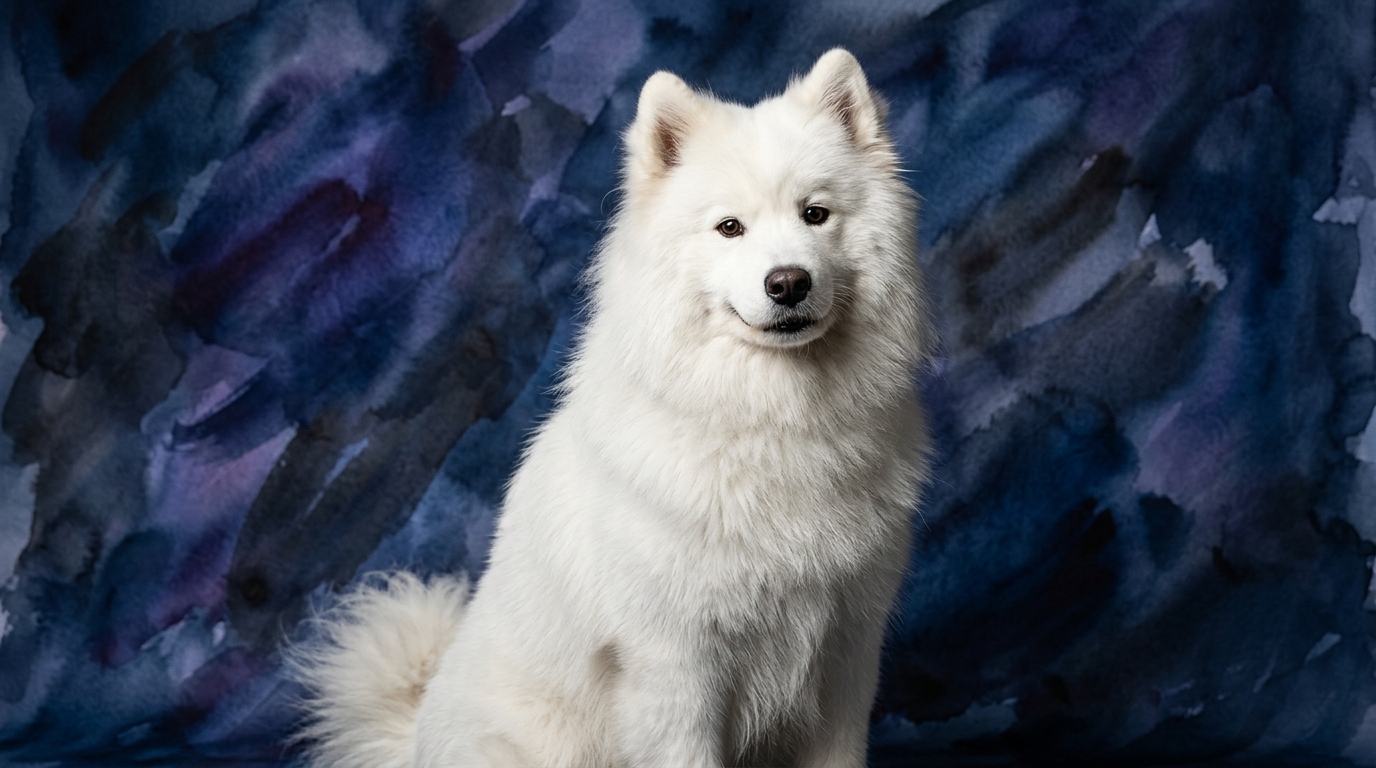
The **Samoyed** presents a profile rooted in cooperative intelligence and a strong desire for connection. Their Problem Solving is rated 3/5, indicating an ability to figure out tasks but often with encouragement or a clear incentive. Training Speed also registers 3/5; they are capable learners, yet their independent spirit means consistency is paramount. Where they truly shine is in Social Intelligence, scoring an exceptional 5/5, demonstrating a profound capacity to read and respond to human cues. Their Instinctive Drive is 4/5, reflecting a history of working roles like herding and pulling, which translates into a need for engagement. Memory stands at 3/5, allowing them to retain learned behaviors and experiences adequately.
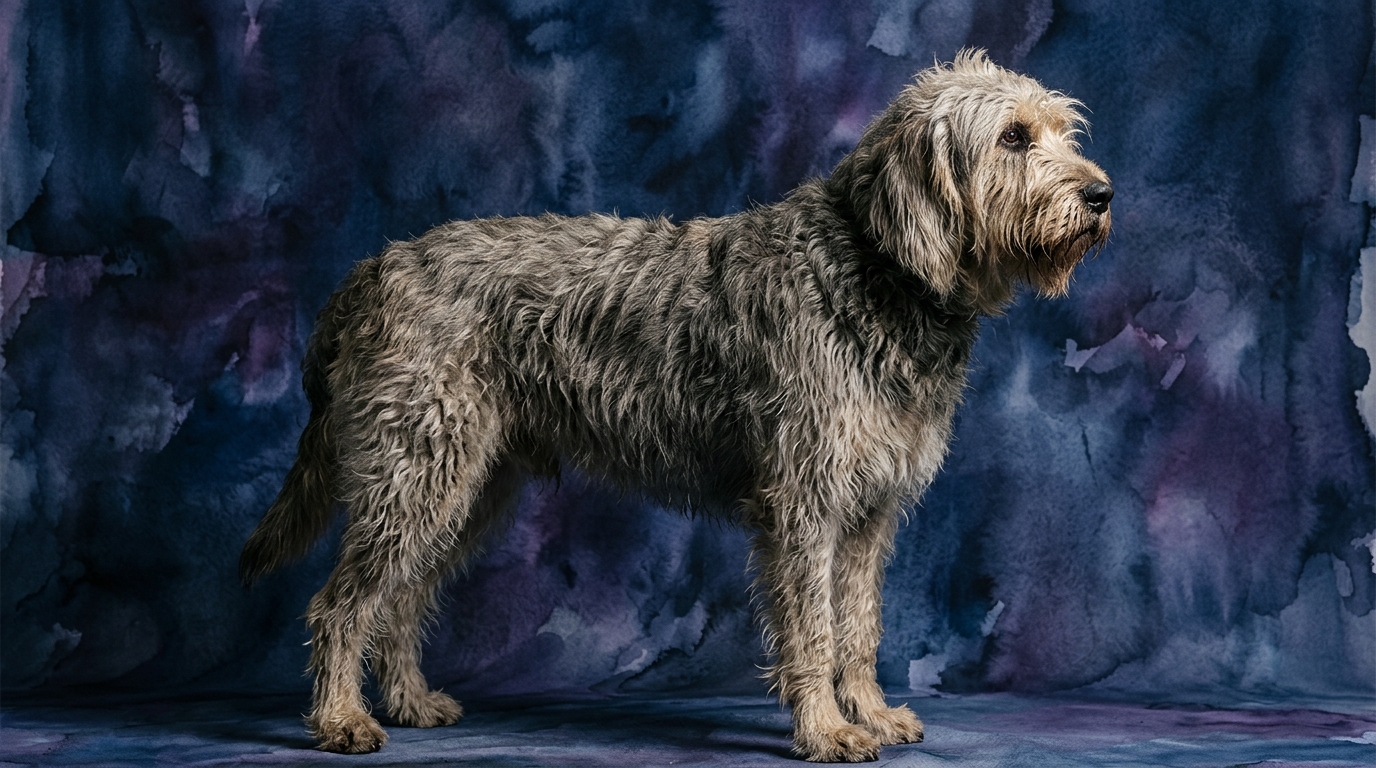
The **Otterhound**, a breed without a specific Coren ranking but with a distinct cognitive makeup, offers a different set of strengths. Their Problem Solving is 3/5, often manifesting as practical persistence, particularly when following a scent. Training Speed is also 3/5; they learn, but their strong scent drive can easily divert their focus. Social Intelligence is 3/5, meaning they form strong bonds with their family but may be more reserved with strangers and less attuned to subtle human emotions than the Samoyed. Their Instinctive Drive is 3/5, overwhelmingly dominated by their extraordinary olfactory capabilities and the pursuit of scent trails. Memory is 3/5, functional for routines and scent recall but perhaps less robust for diverse, abstract commands.
Samoyed's Cognitive Edge
The Samoyed's most pronounced cognitive advantage lies in its exceptional social intelligence, rated 5/5. This isn't merely about being friendly; it signifies a deep capacity to understand and respond to human emotions, intentions, and social dynamics. Samoyeds are remarkably adept at interpreting subtle shifts in tone, body language, and facial expressions, allowing them to anticipate their human companions' needs or moods. This profound empathy fosters incredibly strong, reciprocal bonds, making them highly responsive partners in daily life and training. Their inclination to collaborate stems directly from this social acumen, making them eager participants in family activities and cooperative tasks, often displaying a nuanced understanding of their role within the human 'pack'.
Otterhound's Unique Cognitive Strengths
The Otterhound's unique cognitive strengths are intrinsically linked to its historical purpose as a scent hound. While their general problem-solving is 3/5, their specialized application of this skill, driven by their unparalleled olfactory capabilities, is truly remarkable. They possess an extraordinary ability to process and follow complex scent trails with unwavering dedication and methodical persistence. This translates into a highly effective, sensory-driven problem-solving approach where they can meticulously unravel scent puzzles, demonstrating a resilience to distraction when engaged in tracking. Their instinctive drive (3/5) is almost entirely channeled through their nose, providing them with a focused determination to pursue a goal that few other breeds can match. This isn't about general 'smartness,' but a highly specialized, practical intelligence honed for a specific task.
Training Ease: A Tale of Two Temperaments
Both Samoyeds and Otterhounds share a 3/5 rating for training speed, suggesting neither breed will master commands overnight. However, the *path* to successful training diverges significantly due to their other cognitive traits. Samoyeds, with their outstanding 5/5 social intelligence, often view training as a collaborative activity that strengthens their bond with their human. They are motivated by praise and positive reinforcement, quickly grasping that cooperation leads to positive interactions. While they possess an independent streak and a moderate instinctive drive (4/5) that can lead to moments of playful stubbornness, their inherent desire to please and their ability to read human cues generally make them willing and engaged students.
Otterhounds, on the other hand, present a different training dynamic. Their social intelligence of 3/5 means they might not be as inherently motivated by human approval alone. Their powerful instinctive drive (3/5), overwhelmingly focused on scent, can be a major challenge; a captivating smell can instantly override any command, making consistency difficult. Training an Otterhound demands immense patience, a deep understanding of their hound nature, and the ability to make learning more compelling than the myriad of olfactory temptations in their environment. They are not difficult to train due to a lack of capacity, but rather because their priorities are profoundly ingrained in their nose, requiring a trainer who can adapt to and work with this fundamental aspect of their being.
Matching Breeds to Lifestyles: Active vs. Relaxed Owners
Choosing between a Samoyed and an Otterhound often comes down to aligning their specific cognitive and behavioral traits with an owner's lifestyle. For **active owners**, the Samoyed, with its 4/5 instinctive drive and history as a working dog, is an excellent match. They require consistent physical and mental engagement, thriving in environments where their energy can be channeled into activities like agility, obedience, or long hikes. Their high social intelligence makes them enthusiastic partners in these endeavors, eager to participate and collaborate. Owners who enjoy structured training, interactive games, and a dog that is deeply integrated into family activities will find the Samoyed a fulfilling companion.
For owners who might be characterized as having a more **relaxed approach**, the Otterhound presents a unique proposition. While they are not couch potatoes, their 3/5 instinctive drive is primarily focused on scent work, meaning their exercise needs can be met through leisurely but prolonged sniff-filled walks rather than high-intensity runs. They are well-suited for owners who appreciate a dog's robust, independent personality and are prepared to engage in scent games or tracking activities to satisfy their mental needs. An Otterhound owner might value a dog that is content to explore independently in a secure yard or enjoy a quiet evening after a satisfying 'nose day,' rather than constantly seeking human interaction. They are not ideal for those seeking a perpetually eager-to-please companion, but rather for those who appreciate a dog with a strong sense of self and a unique, sensory-driven world view.
The Verdict
Opt for a Samoyed if you desire a highly social, collaborative companion eager to engage in family activities and structured training, offering a profound emotional connection and responsiveness to human cues.
Select an Otterhound if you appreciate an independent, robust personality with an exceptional nose, and are prepared for patient, consistent training that respects their strong scent drive and unique focus.
🧠 Find Your Pet's IQ Score
Our Pet IQ Lab assessment covers 25+ tests across 5 cognitive dimensions — personalized to your breed.
Take the Full IQ Test →Frequently Asked Questions
Are Samoyeds difficult to train?
Samoyeds possess a moderate training speed (3/5) and an independent streak, but their exceptional social intelligence (5/5) makes them eager to please and responsive to positive reinforcement, meaning consistent effort yields good results.
What kind of mental stimulation does an Otterhound need?
Otterhounds require significant mental stimulation centered around their powerful sense of smell. Activities like scent work, tracking games, and long walks allowing ample sniffing opportunities are crucial to satisfy their instinctive drive.
Do Samoyeds and Otterhounds get along with other pets?
Samoyeds, with their high social intelligence, generally adapt well to other pets when properly socialized. Otterhounds can also coexist, though their strong prey drive, particularly for small, furry animals, might require careful supervision and introduction.