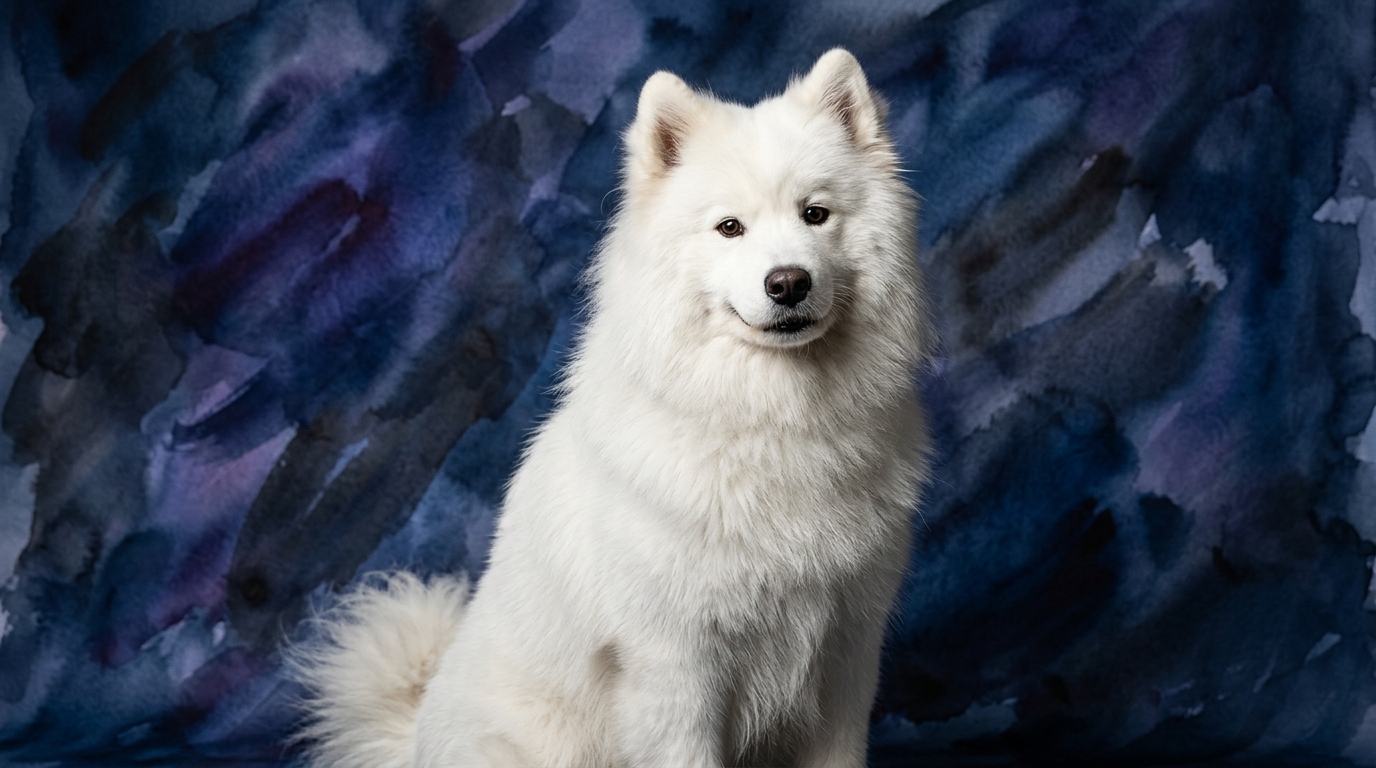
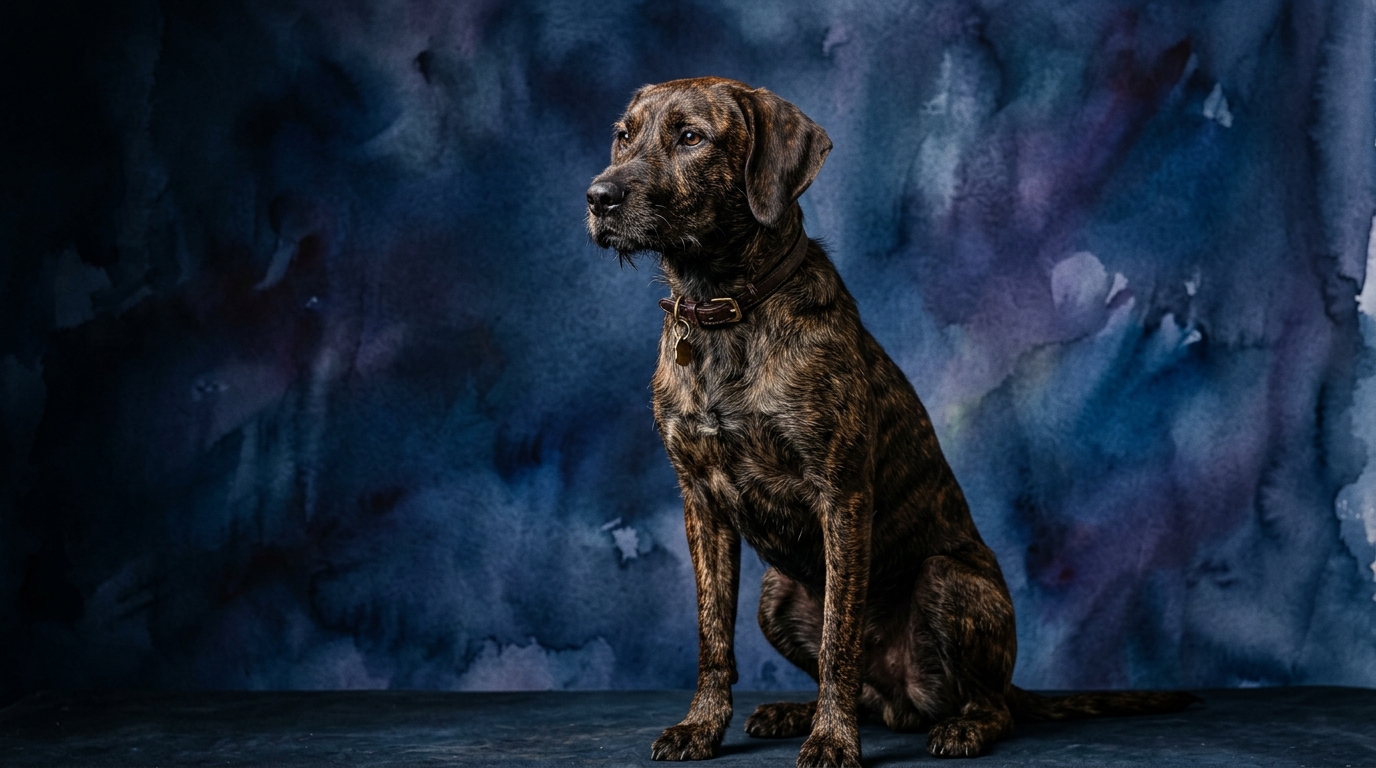
Side-by-Side IQ Profile: Samoyed vs. Plott Hound
At The Cosmic Pet Pet IQ Lab, we delve beyond superficial observations to understand the intricate cognitive landscapes of different dog breeds. Comparing the Samoyed, a Working dog with a Coren rank of #33, to the Plott Hound, a dedicated Hound breed without a Coren ranking, reveals unique intellectual specializations rather than a simple hierarchy. Both breeds possess distinct cognitive strengths molded by their historical roles and genetic predispositions, which we analyze across five crucial dimensions.
The Samoyed's cognitive profile is marked by its strong social orientation and cooperative working drive. In problem Solving, they score a 3 out of 5, indicating a capacity for resourcefulness within familiar contexts, often relying on learned strategies rather than consistently seeking novel solutions. Their training Speed also sits at 3 out of 5; while capable of learning, their independent spirit means consistency and positive reinforcement are paramount. Where the Samoyed truly shines is in social Intelligence, earning a perfect 5 out of 5. This score reflects an exceptional capacity for understanding human emotions, subtle cues, and integrating seamlessly into family dynamics as a deeply empathetic companion. Their instinctive Drive is rated 4 out of 5, manifesting as a strong desire for purposeful activity, whether it's pulling, herding, or simply being a highly engaged and present member of their social group. Finally, their memory is a solid 3 out of 5, allowing them to retain commands and recall experiences, yet perhaps not with the granular detail or long-term precision seen in some other breeds.
In contrast, the Plott Hound's intelligence is deeply rooted in its specialized hunting heritage. Like the Samoyed, their problem Solving ability is rated 3 out of 5, but this manifests differently; it's less about abstract puzzles and more about navigating complex terrains and persistent tracking to achieve a scent-driven goal. Their training Speed also mirrors the Samoyed at 3 out of 5, yet the challenge often lies in overcoming their powerful, innate drive to follow a scent, requiring a highly motivating and consistent approach. Social Intelligence for the Plott Hound is 3 out of 5; they form strong, loyal bonds with their immediate family but are generally less overtly expressive or universally people-pleasing than a Samoyed, often appearing more focused on their immediate task or primary handler. Their instinctive Drive, at 3 out of 5, is almost entirely dedicated to scent work and tracking, an unwavering focus that defines their cognitive landscape. Memory also scores 3 out of 5, primarily excelling in remembering intricate scent trails and patterns over vast distances, rather than recalling unrelated facts or complex human-centric sequences. These distinct profiles highlight how intelligence is not monolithic but rather a spectrum of specialized abilities.
Where the Samoyed Wins Cognitively
The Samoyed's most pronounced cognitive advantage lies in its exceptional social intelligence, scoring a perfect 5 out of 5. This isn't merely about being friendly; it reflects a profound capacity to interpret and respond to human emotions, subtle shifts in body language, and vocal inflections. This deep attunement allows for a highly nuanced and empathetic interaction, fostering an incredibly strong bond where the Samoyed often anticipates needs and mirrors the emotional state of its human companions. This social acuity makes them superb therapy dogs and family members who contribute to the emotional well-being of their household.
Furthermore, the Samoyed's instinctive drive, rated 4 out of 5, is geared towards cooperative engagement and purposeful collaboration within a social unit. While the Plott Hound's drive is about independent tracking, the Samoyed's drive is about being a contributing, active partner. This manifests as a desire to be involved in family activities, whether it's 'helping' with chores, participating in games, or simply demanding interactive attention. Their historical role as sled dogs and herders required close teamwork with humans, and this cooperative spirit remains a cornerstone of their cognitive makeup, making them eager participants in shared endeavors.
Where the Plott Hound Wins Cognitively
While the Plott Hound’s scores might not numerically surpass the Samoyed’s, its cognitive strengths are undeniably superior within its specialized domain. The Plott Hound's problem-solving (3/5) and instinctive drive (3/5) are inextricably linked to its unparalleled ability to follow complex scent trails. This is a highly sophisticated form of intelligence, demanding immense focus, endurance, and the ability to process a vast array of olfactory information while navigating varied and challenging terrains. Their cognitive 'win' is in this specialized, highly effective application of intelligence.
A Plott Hound's mind is a master of olfactory deduction. They exhibit a relentless mental commitment to a scent, demonstrating a unique form of cognitive persistence. This isn't about solving a puzzle box for a treat; it's about solving the 'puzzle' of a faint, intricate trail over miles, often ignoring distractions that would deter other breeds. This singular focus and highly developed sensory processing for scent is a profound cognitive advantage that few other breeds can match, representing a highly specialized form of problem-solving and memory within their specific environmental context.
Which is Easier to Train and Why?
Both the Samoyed and the Plott Hound score a 3 out of 5 for training speed, suggesting neither is inherently 'easier' to train, but rather presents different types of challenges. The Samoyed's training experience is influenced by its independent streak and working dog heritage. While they possess high social intelligence and a desire to please, they also evaluate whether a command is worth their effort or if there's a more interesting alternative. Training a Samoyed requires creativity, consistency, and making learning feel like a fun, cooperative game. They respond best to positive reinforcement and a strong, trusting relationship, leveraging their social intelligence to encourage engagement. If training feels like a chore, their independent nature will likely lead to stubbornness.
The Plott Hound's trainability, though numerically similar, is complicated by its powerful, intrinsic drive to follow a scent. Their world is often dominated by their nose, and once on a trail, their focus can be incredibly difficult to redirect. Training a Plott Hound demands immense patience, high-value rewards (often food or scent-related), and an understanding that their primary motivation is often external (the hunt) rather than internal (human approval). While they can learn commands, achieving consistent recall or focus in a scent-rich environment is a significant undertaking. Their training often involves channeling their instincts into acceptable activities like scent work or tracking sports, rather than trying to suppress them entirely. Therefore, neither is easier, but the *strategies* for successful training differ significantly, requiring tailored approaches based on their unique cognitive and behavioral profiles.
Which Suits Active Owners vs. Relaxed Owners?
Neither the Samoyed nor the Plott Hound are suitable companions for relaxed or sedentary owners; both breeds demand significant physical and mental engagement, albeit in different forms. The Samoyed, originating as a working dog, requires substantial daily exercise that includes both physical exertion and mental stimulation. Their instinctive drive for cooperative activity means they thrive on long walks, runs, hiking, and participating in dog sports like agility, obedience, or even pulling a cart. They are not content to be couch potatoes and will develop undesirable behaviors if their needs for activity and purpose are not met. They need owners who are committed to integrating them into an active lifestyle and providing consistent companionship.
The Plott Hound also demands a highly active owner, but with a specific focus on their scent-driven nature. Their energy levels are robust, and they require extensive opportunities to run, explore, and use their powerful noses. Long, vigorous walks, secure off-leash areas for sniffing expeditions, and engaging in scent work or tracking sports are crucial for their well-being. While they can be calm and affectionate indoors after sufficient stimulation, their outdoor drive is intense and unwavering. Owners must be prepared for their hound's singular focus on scent, which can lead them to follow a trail over great distances if not properly contained or trained. Both breeds are for owners who lead active lives, but the Samoyed prefers cooperative adventure, while the Plott Hound thrives on independent, scent-guided exploration.
The Verdict
For owners seeking a deeply empathetic, socially attuned companion who thrives on cooperative activities and wants to be an integral, active part of family life, the Samoyed is an excellent choice.
The Plott Hound suits owners who are dedicated to channeling a powerful scent drive, appreciate an independent spirit, and are prepared for robust outdoor adventures focused on tracking and exploration.
🧠 Find Your Pet's IQ Score
Our Pet IQ Lab assessment covers 25+ tests across 5 cognitive dimensions — personalized to your breed.
Take the Full IQ Test →Frequently Asked Questions
Do Samoyeds get along well with other pets?
Samoyeds, with their high social intelligence and historical pack mentality, often integrate well into multi-pet households, especially if socialized early and raised with other animals they consider family members.
What kind of mental stimulation does a Plott Hound need?
Plott Hounds require significant mental stimulation through scent work, puzzle toys that involve sniffing out treats, and extensive opportunities to explore varied outdoor environments to satisfy their innate tracking instincts and prevent boredom.
Are Samoyeds difficult to train for first-time dog owners?
While Samoyeds are capable learners, their independent streak and need for consistent, positive reinforcement can present a moderate challenge for first-time owners; patience, structure, and making training engaging are key for success.