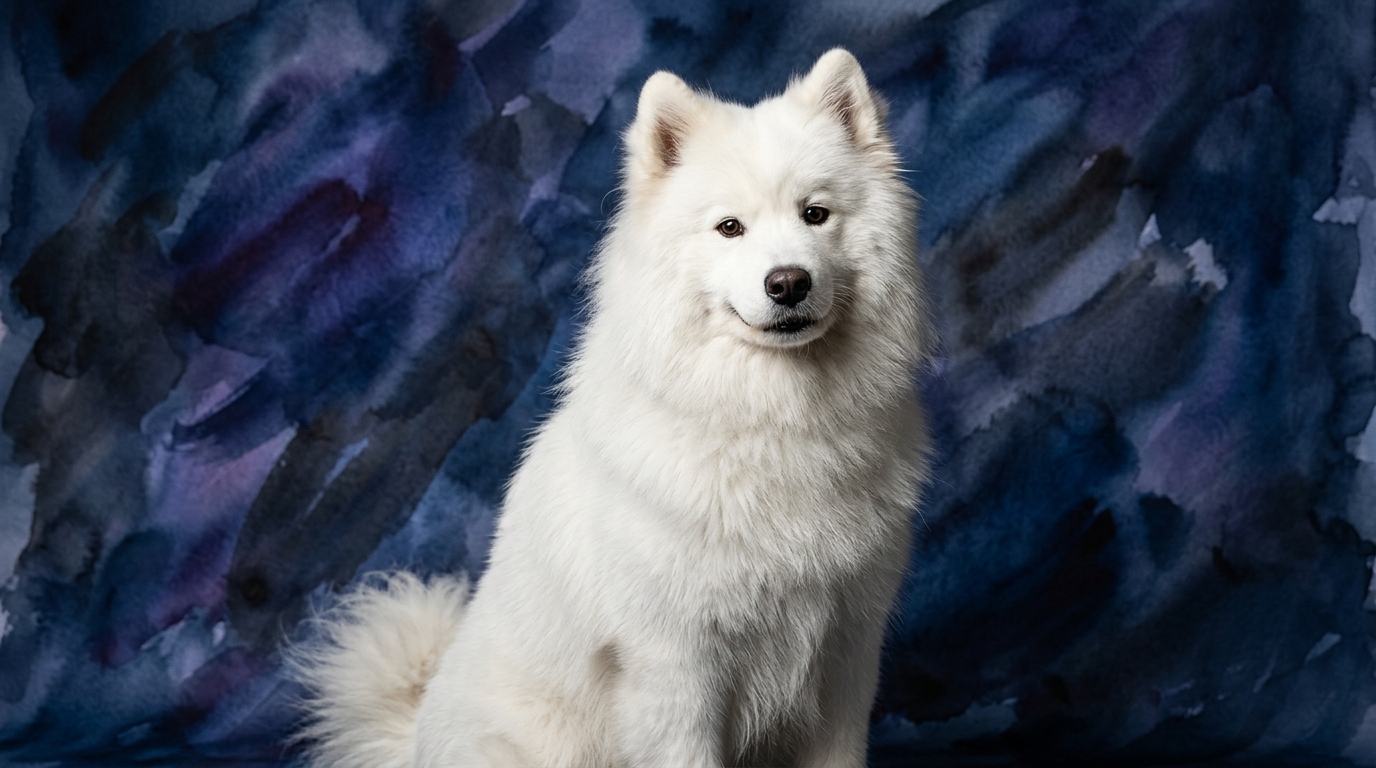
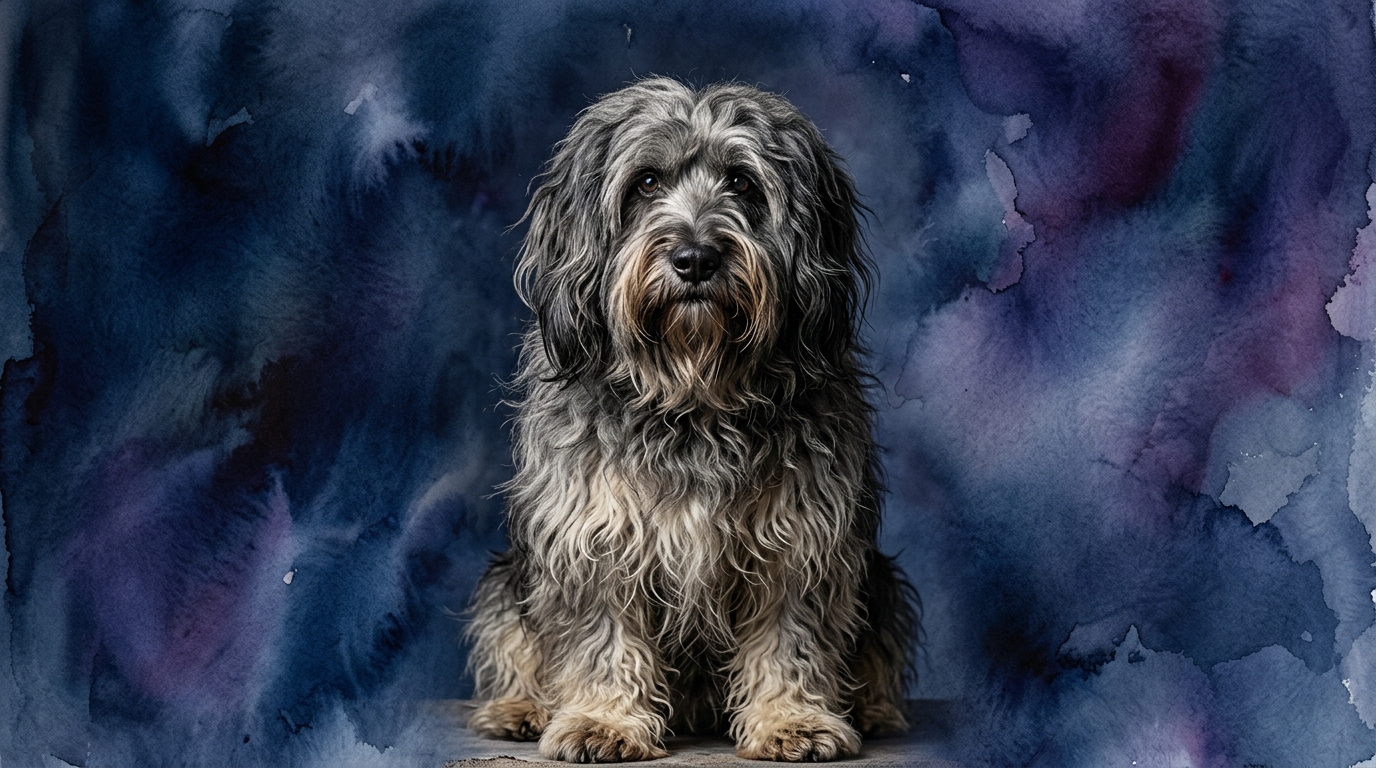
Side-by-Side Cognitive Profile: Samoyed vs. Polish Lowland Sheepdog
Both Samoyeds and Polish Lowland Sheepdogs score 3/5 in problem-solving, indicating a practical intelligence rather than abstract reasoning. The Samoyed applies this in its working heritage, navigating tasks like sled pulling or assisting hunters, often relying on learned patterns and some independent decision-making within a structured context. The PON, conversely, uses its cognitive skills to manage livestock, anticipating movements and identifying challenges in a dynamic environment, with solutions often rooted in instinct and practical application. Neither breed is prone to solving complex, novel puzzles without guidance, preferring established routines or instinct-driven responses.
With a 3/5 training speed, both breeds require consistent effort and patience. The Samoyed's independent nature, a legacy of its Nordic working past, means it processes commands and decides whether to comply, often needing clear motivation and repetition. Similarly, the Polish Lowland Sheepdog's strong will, developed from its self-reliant herding role, means it's not a quick study. Both breeds are trainable but demand a fair, consistent approach and may not always see the immediate value in performing human-initiated tasks without strong positive reinforcement.
This is a significant divergence: the Samoyed truly excels with a 5/5 in social intelligence, demonstrating an exceptional capacity to read human emotions, intentions, and body language. They form profound, empathetic bonds, actively seeking companionship and thriving on deep interaction. In contrast, the Polish Lowland Sheepdog, at 3/5, is loyal and affectionate towards its family but typically more reserved. While observant and protective, their social expression is less overt, often content to be near rather than constantly engaging in intense, reciprocal interaction.
The Samoyed's 4/5 instinctive drive stems from its robust working heritage, manifesting as a strong desire to pull, a moderate prey drive, and a need to be an active “pack” member. This drive requires regular, structured outlets to prevent independent exploration or excessive vocalization. The Polish Lowland Sheepdog's 3/5 drive is primarily focused on herding and guarding. They naturally gather and protect, often “herding” family members or patrolling their territory. While present, this drive is often more situationally activated and less pervasive than the Samoyed's all-encompassing working energy.
Both breeds score 3/5 for memory, indicating reliable recall for routines, learned commands, and environmental layouts. This serves their practical needs well: Samoyeds remember sledding routes or hunting cues, while PONs recall flock patterns and territory boundaries. While capable of retaining a good amount of information, complex sequences or infrequently practiced commands might require refreshers, suggesting a functional rather than photographic memory.
Where the Samoyed Wins Cognitively
The Samoyed's standout cognitive strength lies in its exceptional social intelligence (5/5). This means they are unparalleled in their ability to understand and respond to human emotions, body language, and subtle cues. They form deep, empathetic connections, often anticipating their owner's needs or offering comfort intuitively. This profound social attunement makes them incredibly responsive to human interaction and a highly collaborative partner in shared activities, fostering a connection that feels deeply reciprocal. Their higher instinctive drive (4/5) also provides a more consistent internal motivation for engaging in strenuous activities alongside their human companions, making them eager participants in adventures.
Where the Polish Lowland Sheepdog Wins Cognitively
The Polish Lowland Sheepdog's cognitive edge is rooted in its highly specialized herding and guarding instincts. While their social intelligence is rated moderately (3/5), their problem-solving (3/5) and memory (3/5) are expertly applied within their inherent drives. They excel at independent decision-making when it comes to managing their “flock” (be it sheep or family members), often showing remarkable foresight in anticipating movements or potential dangers without direct human command. This self-reliance and acute spatial awareness, combined with a protective instinct, allow them to act as vigilant, discerning guardians who can assess situations and respond appropriately, a cognitive strength distinct from the Samoyed's more human-centric social engagement.
Which is Easier to Train and Why
Despite both breeds scoring 3/5 in training speed, the Samoyed generally presents as slightly easier to train for obedience commands, primarily due to their superior social intelligence (5/5). While they possess an independent streak and require patience, their strong desire to please and deep connection with their humans often translates into a greater willingness to engage in training sessions. They are highly motivated by positive interaction and praise, and their ability to read human cues helps them understand what is being asked more readily. The Polish Lowland Sheepdog, conversely, with its 3/5 social intelligence and strong independent herding mindset, can be more opinionated and requires a trainer who understands their inherent drive to make their own decisions. They are not untrainable, but their motivation often stems from purpose and respect for their leader rather than a pure desire for human approval, making consistency and clear communication even more critical.
Which Suits Active Owners vs. Relaxed Owners
For active owners seeking a constant companion for outdoor adventures, the Samoyed is often a more natural fit. Their 4/5 instinctive drive, rooted in pulling and working, means they thrive on consistent physical activity like hiking, running, or dog sports. They are happiest when integrated into an active lifestyle, eager to participate in family outings and explore new environments alongside their people. Their high social intelligence also means they genuinely enjoy sharing these experiences. The Polish Lowland Sheepdog, while certainly capable of activity due to its herding background, might be better suited for owners who are active but also appreciate a dog that can be content with periods of watchful relaxation. Their instinctive drive (3/5) is more focused on patrolling and managing territory, meaning they need mental stimulation related to their guarding and herding instincts, but might not demand the same relentless pace of physical exercise as a Samoyed. They can adapt to a moderately active household that values their independent spirit and protective nature, rather than requiring a constant partner for high-energy pursuits.
The Verdict
Choose the Samoyed if you seek a deeply empathetic, highly social companion who thrives on active participation in family life and outdoor adventures, valuing a strong, visible partnership.
Opt for the Polish Lowland Sheepdog if you appreciate an independent, watchful guardian with a keen sense of purpose, suitable for an owner who can channel their herding instincts and respects their self-reliant nature.
🧠 Find Your Pet's IQ Score
Our Pet IQ Lab assessment covers 25+ tests across 5 cognitive dimensions — personalized to your breed.
Take the Full IQ Test →Frequently Asked Questions
Are Samoyeds difficult to train given their 3/5 training speed?
While Samoyeds score 3/5 in training speed, suggesting they aren't instant learners, their high social intelligence means they are generally very willing to engage with their owners. Patience, consistency, and positive reinforcement are key, but their desire to please their family makes the training process rewarding.
What kind of mental stimulation does a Polish Lowland Sheepdog need?
Polish Lowland Sheepdogs benefit from mental stimulation that taps into their herding and guarding instincts. This can include puzzle toys, scent work, training for specific tasks, or supervised “herding” games that allow them to use their natural intelligence to manage and organize.
How do their social needs differ significantly?
Samoyeds, with their 5/5 social intelligence, have a profound need for constant human interaction and connection, often seeking to be the center of family life and displaying strong empathy. Polish Lowland Sheepdogs, at 3/5, are loyal and affectionate with their family but tend to be more reserved, content observing from a distance and not always demanding the same intense level of direct social engagement.