Side-by-Side IQ Profile: Samoyed vs. Schipperke
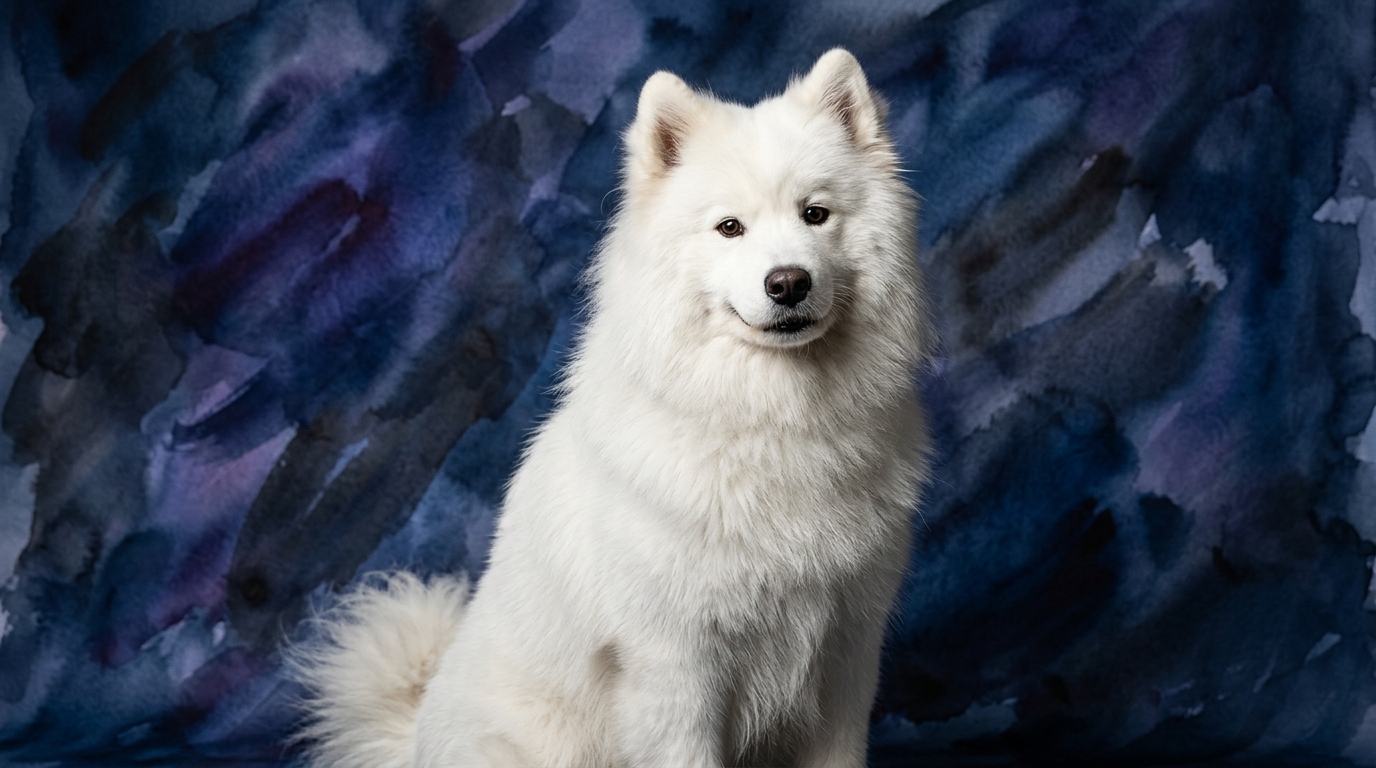
At The Cosmic Pet Pet IQ Lab, we evaluate canine intelligence across five key dimensions. The Samoyed, a Working breed, ranks #33 in Coren's list, reflecting a cooperative yet deliberate cognitive approach. Their problem Solving scores 3/5, indicating competence in familiar tasks but less inclination for abstract puzzles. Training Speed is also 3/5, suggesting they absorb information at a steady pace, requiring consistent methods. Where the Samoyed truly shines is in social Intelligence, scoring a perfect 5/5, demonstrating an exceptional ability to connect and communicate with humans. Their instinctive Drive is a robust 4/5, tied to their historical roles of pulling and herding, while their memory scores 3/5, sufficient for routines but not for highly intricate, long-term recall without frequent reinforcement.
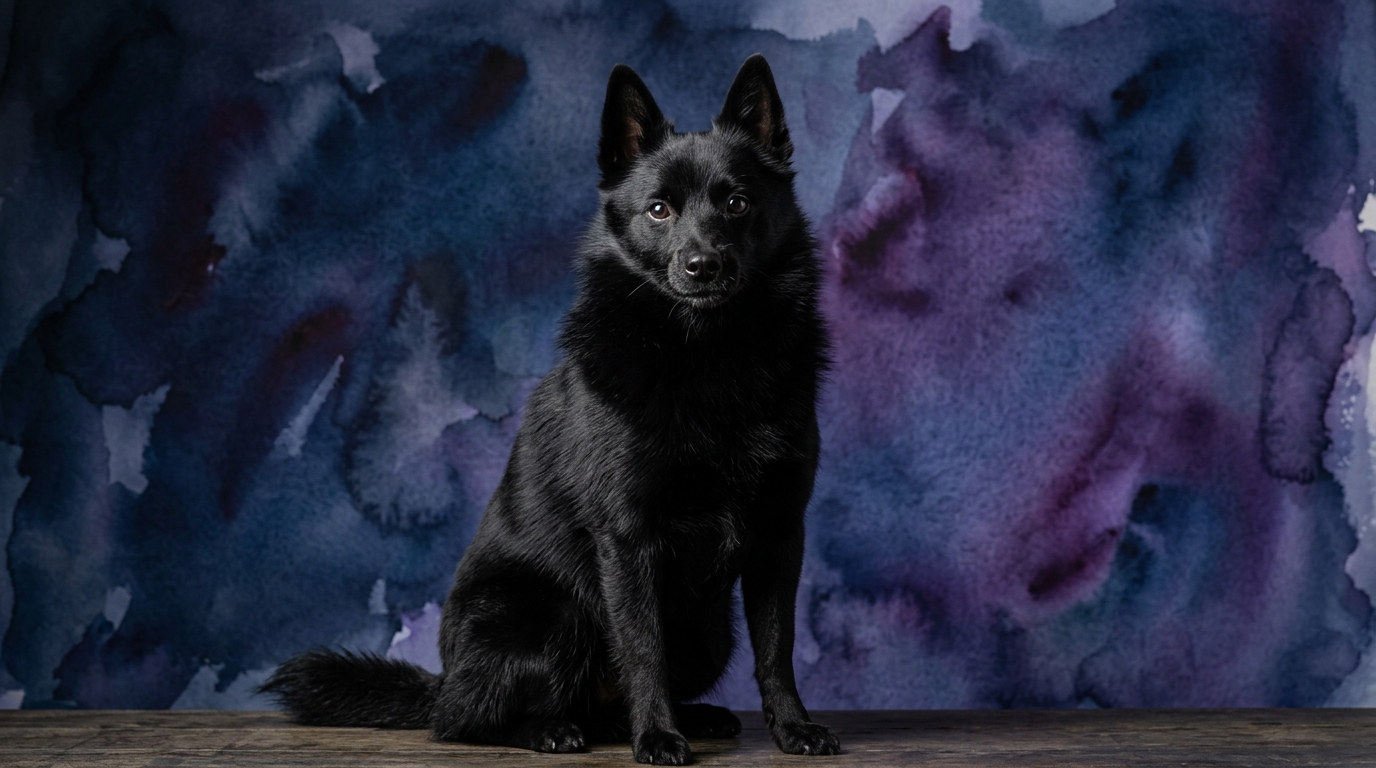
The Schipperke, a Non-Sporting breed, holds an impressive Coren rank of #15, signaling a sharp, independent mind. Their problem Solving ability is a remarkable 5/5, indicating a strong aptitude for figuring out novel situations and navigating complex environments. Training Speed matches this at 5/5, meaning they grasp new concepts and commands with exceptional rapidity. However, their social Intelligence is 3/5, suggesting a more independent, observant nature rather than a deeply people-pleasing one. Their instinctive Drive is 3/5, geared towards vigilance and vermin control, distinct from the Samoyed's cooperative working drive. Finally, their memory stands out at 5/5, allowing them to retain vast amounts of information and experiences with enduring clarity.
Where the Samoyed's Cognition Shines
The Samoyed's cognitive strengths are profoundly rooted in social connection and cooperative living. Their 5/5 social Intelligence score means they possess an exceptional capacity for understanding human emotions, intentions, and subtle cues. This isn't merely about affection; it's a sophisticated ability to integrate into a human family unit, anticipating needs and responding with empathy. This high social acumen makes them adept at forming strong, reciprocal bonds, often acting as intuitive companions.
Furthermore, their 4/5 instinctive Drive, combined with their social intelligence, translates into a remarkable aptitude for cooperative tasks. Historically, they worked in partnership with humans, pulling sleds and herding reindeer, which required them to understand and respond to specific directions within a shared goal. While their problem-solving isn't about abstract thought, it's highly functional in a cooperative context, allowing them to perform their roles reliably and with a keen awareness of their human partner's presence and guidance. This makes them particularly responsive to activities that involve joint effort, such as hiking or drafting, where their enthusiasm and willingness to work alongside their person are paramount.
Where the Schipperke's Mind Excels
The Schipperke's cognitive profile is marked by an acute, independent intellect. Their 5/5 problem Solving ability means they are masters at navigating their environment, figuring out how mechanisms work, and often devising creative solutions to perceived obstacles, such as opening cabinets or finding escape routes. This isn't about following directions; it's about active, independent thought and strategic planning to achieve their own objectives. Owners frequently report their Schipperkes outsmarting them in various scenarios, a testament to their sharp, resourceful minds.
Coupled with their superior problem-solving is an equally impressive 5/5 training Speed and 5/5 memory. Schipperkes are incredibly quick studies, absorbing new commands, tricks, and routines with minimal repetition. They retain this information long-term, making them formidable competitors in dog sports like agility and obedience, where complex sequences and rapid execution are rewarded. This combination of rapid learning, excellent retention, and independent thought means a Schipperke isn't just learning *what* to do, but often understanding *why* it's being asked, and then applying that knowledge in novel situations. Their cognitive agility allows them to adapt quickly to new challenges, constantly seeking mental engagement and demonstrating a profound capacity for learning throughout their lives.
Ease of Training: A Behavioral Tug-of-War
When it comes to ease of training, the Schipperke generally presents a more straightforward path to command acquisition, largely due to their Coren rank of #15 and their 5/5 scores in both training Speed and memory. They grasp concepts rapidly and retain them, which makes teaching new behaviors efficient. However, their independent social intelligence (3/5) means they are not inherently driven to please. The challenge with a Schipperke often lies in convincing them that complying with a command is more rewarding or interesting than pursuing their own clever agenda. Consistency, engagement, and making training a mentally stimulating game are crucial to harness their quick learning without encountering stubbornness.
The Samoyed, with a Coren rank of #33, and 3/5 scores in training Speed and memory, requires a different approach. They will take longer to understand and solidify new commands, necessitating more repetition and patience. Their strength, however, lies in their 5/5 social Intelligence and 4/5 instinctive Drive. Samoyeds thrive on cooperation and genuinely enjoy working alongside their human partners. While they may not learn as quickly as a Schipperke, their desire to be involved and their cooperative nature can make them very willing participants once they understand what is expected. The key with a Samoyed is positive reinforcement, building a strong bond, and appealing to their desire for shared activity, rather than relying on rapid rote memorization.
Cognitive Fit: Active Enthusiasts vs. Relaxed Companions
For owners who define 'active' by shared physical adventure and deep emotional connection, the Samoyed is an ideal match. Their 4/5 instinctive Drive means they require substantial physical exercise, but their 5/5 social Intelligence dictates that this activity should ideally be shared. They thrive when involved in family life, participating in hikes, runs, or sledding-like activities, and crave interaction rather than solitary play. A relaxed owner who cannot commit to both physical exertion and significant social engagement will find a Samoyed prone to boredom and potential behavioral issues rooted in loneliness.
The Schipperke, while physically energetic, demands a different kind of 'active' owner – one who is prepared for constant mental engagement and to channel their dog's formidable problem-solving skills. Their 5/5 problem Solving and memory mean they are always thinking, observing, and plotting. A 'relaxed' owner who provides minimal mental stimulation may find their Schipperke inventing their own forms of entertainment, which often manifest as mischief, such as devising ways to explore restricted areas or manipulating situations to their advantage. Owners must be proactive in offering complex training, puzzle toys, and varied experiences to satisfy this sharp, independent mind. Their guarding instincts also mean they are alert and vocal, which may not suit an owner seeking a perpetually quiet companion.
The Verdict
Choose the Samoyed if you value a highly social, cooperative companion who thrives on shared physical activities and deep emotional bonds, and you are prepared for patient, consistent training.
Opt for the Schipperke if you are ready for an independent, quick-witted canine partner who excels at problem-solving and rapid learning, and you can provide ample mental stimulation and structured challenges.
🧠 Find Your Pet's IQ Score
Our Pet IQ Lab assessment covers 25+ tests across 5 cognitive dimensions — personalized to your breed.
Take the Full IQ Test →Frequently Asked Questions
Are Schipperkes harder to live with due to their high problem-solving abilities?
Schipperkes are not necessarily 'harder,' but they require an owner who understands and can channel their exceptional problem-solving and independent thinking. Their cleverness can lead to mischief if their minds are not adequately stimulated with training, puzzles, and varied activities, making proactive engagement essential.
Do Samoyeds need a lot of mental stimulation despite lower problem-solving scores?
Yes, Samoyeds absolutely need mental stimulation, though it often manifests through social engagement and cooperative tasks. Their high social intelligence and instinctive drive mean they thrive on interacting with their family, participating in shared activities, and having a 'job' that involves their human partners, rather than complex independent puzzles.
Which breed is better suited for a first-time dog owner?
Neither breed is typically recommended for an absolute first-time dog owner without significant research and commitment. The Samoyed's social needs and physical demands require dedication, while the Schipperke's independent problem-solving and quick wit can be challenging without prior experience in managing a clever, self-directed dog. Both benefit greatly from structured training and socialization from an early age.