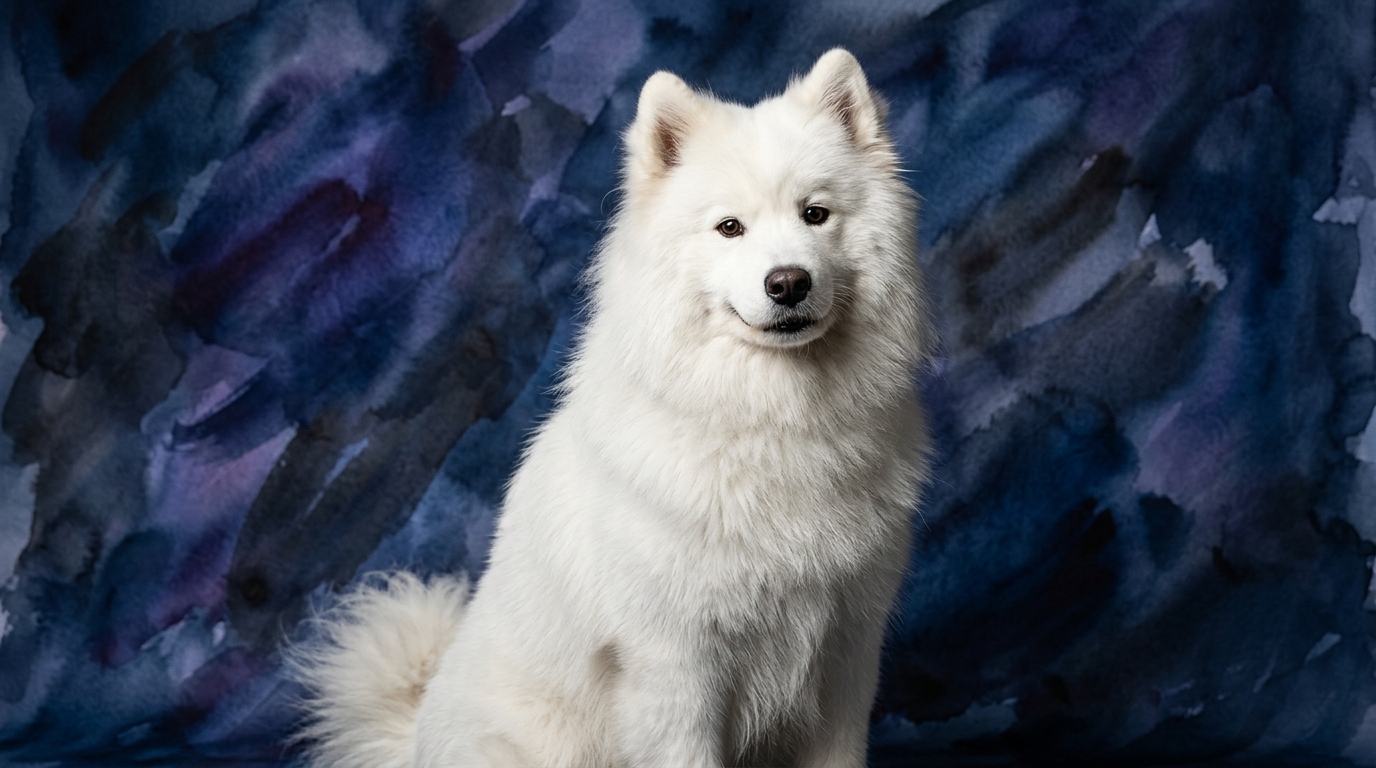
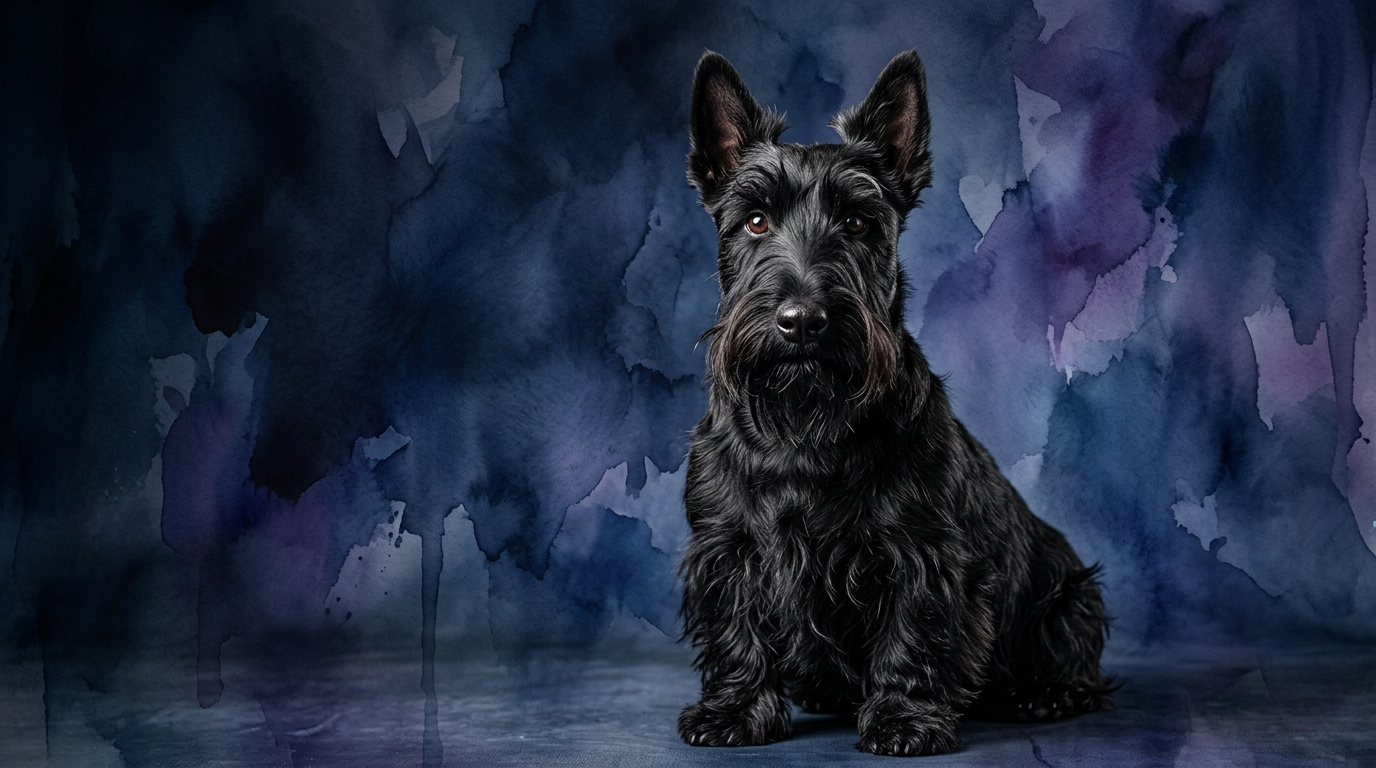
Side-by-Side IQ Profile: Samoyed vs. Scottish Terrier
The Cosmic Pet Pet IQ Lab assesses canine intelligence across five crucial dimensions, revealing unique mental landscapes for each breed. For the Samoyed, a breed historically tasked with herding reindeer and pulling sleds, their cognitive profile reflects their need for cooperation and environmental awareness. Their Problem Solving is rated at 3/5, indicating an ability to navigate moderate challenges and learn from experience, but perhaps not to devise highly complex strategies independently. Training Speed also stands at 3/5, suggesting they grasp new commands at an average pace, responsive to consistent, positive reinforcement. Where Samoyeds truly shine is in Social Intelligence, scoring an impressive 5/5; this signifies their profound capacity for understanding human cues, forming strong bonds, and thriving in a cooperative social structure. Their Instinctive Drive is 4/5, manifesting as a strong desire to work alongside humans, herd, or engage in activities that mimic their historical roles. Memory, at 3/5, allows them to retain learned behaviors and routines effectively.
In contrast, the Scottish Terrier, bred to hunt vermin in challenging terrain, exhibits a cognitive makeup geared towards independent thought and focused determination. Their Problem Solving is rated 3/5, similar to the Samoyed, but often applied to more self-directed tasks, such as figuring out how to access a perceived burrow. Their Training Speed is also 3/5, meaning they learn at an average rate, but their independent streak often requires more patience and creative motivation from their handler. Social Intelligence for the Scottish Terrier is 3/5; while they form deep bonds, they tend to be more reserved and less overtly demonstrative than a Samoyed, valuing their personal space and requiring less constant social interaction. Their Instinctive Drive scores 3/5, primarily focused on hunting, digging, and exploring independently rather than cooperative tasks. Memory, like the Samoyed, is 3/5, enabling them to remember routes, learned commands, and preferred routines.
Where the Samoyed Wins Cognitively
The Samoyed's clear cognitive advantage lies in its exceptional Social Intelligence (5/5). This breed possesses an innate ability to read human emotions, respond to subtle cues, and engage deeply with their human companions, making them incredibly attuned to family dynamics. This high social drive translates into a strong desire for companionship and a willingness to participate in shared activities, fostering a profound sense of partnership. Furthermore, their superior Instinctive Drive (4/5) for cooperative work, whether it’s pulling, herding, or simply being a vigilant companion, means they are often more naturally inclined to engage in structured activities with their owners, channeling their energy into productive, shared efforts that reinforce their social bonds.
Where the Scottish Terrier Wins Cognitively
While the Scottish Terrier's raw scores might appear more modest than the Samoyed in some areas, its cognitive strengths are rooted in tenacious independence and focused determination. Their Problem Solving (3/5), though numerically similar, is often applied with a singular focus on achieving a self-appointed goal, like investigating a scent trail or persistent digging, showcasing a unique brand of cognitive resilience. This breed excels at independent decision-making in the field, a trait honed by generations of solitary hunting. Their Instinctive Drive (3/5) is less about cooperative work and more about a persistent, self-motivated pursuit of their inherent terrier tasks, making them formidable and single-minded when engaged in activities that tap into their prey drive or exploratory nature.
Training Aptitude: Samoyed vs. Scottish Terrier
Both breeds share a Training Speed score of 3/5, suggesting they grasp new concepts at an average pace. However, the Samoyed's significantly higher Social Intelligence (5/5) offers a distinct advantage in the training arena. Samoyeds typically possess a strong desire to please their human 'pack' and thrive on positive interaction, making them more receptive to commands and eager to cooperate. Their willingness to engage and their ability to keenly observe human body language and vocal tones often translate into a more enthusiastic and less challenging training experience, despite the average learning speed.
The Scottish Terrier, with its 3/5 Social Intelligence and pronounced independence, can present a different training dynamic. While capable of learning, their strong-willed nature and self-directed drives mean they often require more consistent motivation, patience, and creative approaches to maintain focus. They are less inherently driven to 'please' in the traditional sense and may question the necessity of a command, preferring to follow their own instincts. Owners must understand and respect this terrier tenacity, employing positive reinforcement techniques that make training feel like a rewarding game rather than a chore, leveraging their problem-solving skills to overcome challenges.
Suitability for Active vs. Relaxed Owners
The Samoyed, with its background as a working dog, typically suits active owners who can meet their substantial needs for physical exercise and mental stimulation. Their 4/5 Instinctive Drive for activity and 5/5 Social Intelligence mean they thrive on being an integral part of family outings, enjoying long walks, runs, hiking, or even dog sports. They require consistent engagement and can become restless or vocal without sufficient activity and social interaction. An owner who enjoys outdoor adventures and wants a highly social, interactive companion will find the Samoyed a fulfilling match.
The Scottish Terrier, while possessing bursts of energy and a need for regular walks and mental engagement to satisfy their exploratory instincts, can be a better fit for owners who appreciate a more independent companion. Their 3/5 Instinctive Drive is often satisfied by focused activities like scent work, supervised digging, or short, brisk walks where they can explore. They are not typically suited for extreme endurance activities but do require consistent opportunities to investigate their surroundings. Owners who prefer a less overtly social dog, enjoy quiet evenings at home, but are still committed to daily walks and mental enrichment will find the Scottish Terrier a devoted, albeit discerning, companion.
The Verdict
Choose a Samoyed if you seek a highly social, cooperative companion eager to participate in an active lifestyle and deeply connect with your family.
Opt for a Scottish Terrier if you appreciate an independent, tenacious companion with a unique personality, suited for focused activities and a less overtly demanding social dynamic.
🧠 Find Your Pet's IQ Score
Our Pet IQ Lab assessment covers 25+ tests across 5 cognitive dimensions — personalized to your breed.
Take the Full IQ Test →Frequently Asked Questions
Which breed is more prone to stubbornness during training?
While both breeds have a 3/5 Training Speed, the Scottish Terrier's independent nature and lower social intelligence (3/5) can make them appear more stubborn. They often require more patience and creative motivation to comply, whereas the Samoyed's desire to please can make them more amenable despite the same learning pace.
Do Samoyeds or Scottish Terriers require more mental stimulation?
Samoyeds, with their 4/5 Instinctive Drive and 5/5 Social Intelligence, generally require more varied mental stimulation that involves cooperative tasks and social interaction. Scottish Terriers (3/5 Instinctive Drive) need mental challenges that tap into their prey drive and independent problem-solving, such as scent games or puzzle toys, but less often in a highly cooperative context.
Which breed is better for first-time dog owners?
The Samoyed's high social intelligence and desire to please (despite average training speed) often make them a more forgiving choice for dedicated first-time owners who are prepared for their exercise and grooming needs. The Scottish Terrier's independent streak and terrier tenacity can be more challenging for inexperienced owners who might struggle with their self-directed nature and focused drives.