Side-by-Side IQ Profile: Samoyed vs. Toy Poodle
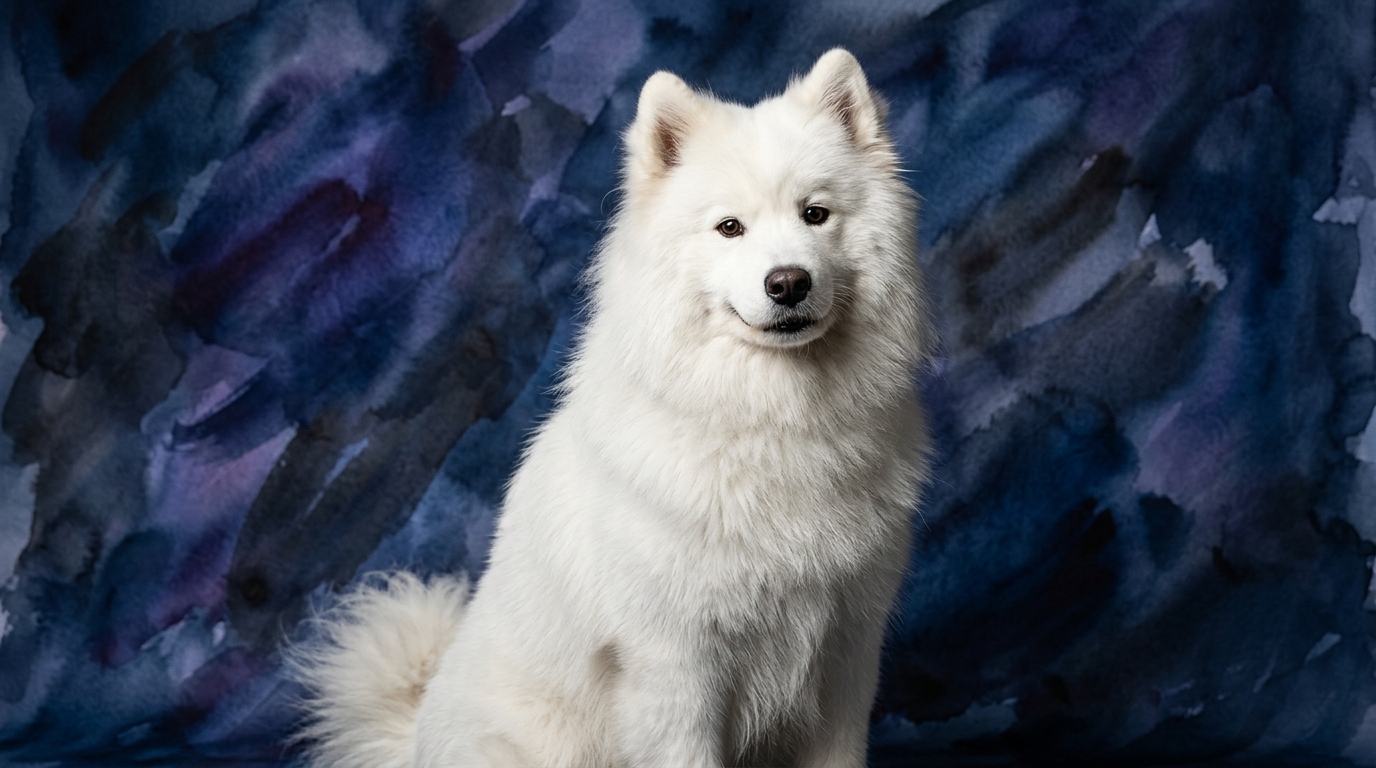
Our Cosmic Pet IQ Lab framework assesses canine intelligence across five key dimensions, providing a granular view beyond generic assumptions. For the Samoyed, a breed rooted in herding and sled-pulling, their profile reflects a balance of independence and keen social awareness. Their Problem Solving is rated 3/5, indicating they can navigate challenges but might prefer established methods over novel solutions. Training Speed also scores 3/5, suggesting a moderate pace for acquiring new commands. Where they truly shine is Social Intelligence, earning a perfect 5/5, highlighting their deep understanding of human emotions and pack dynamics. Their Instinctive Drive is strong at 4/5, reflecting a purposeful, action-oriented nature, while Memory is a solid 3/5.
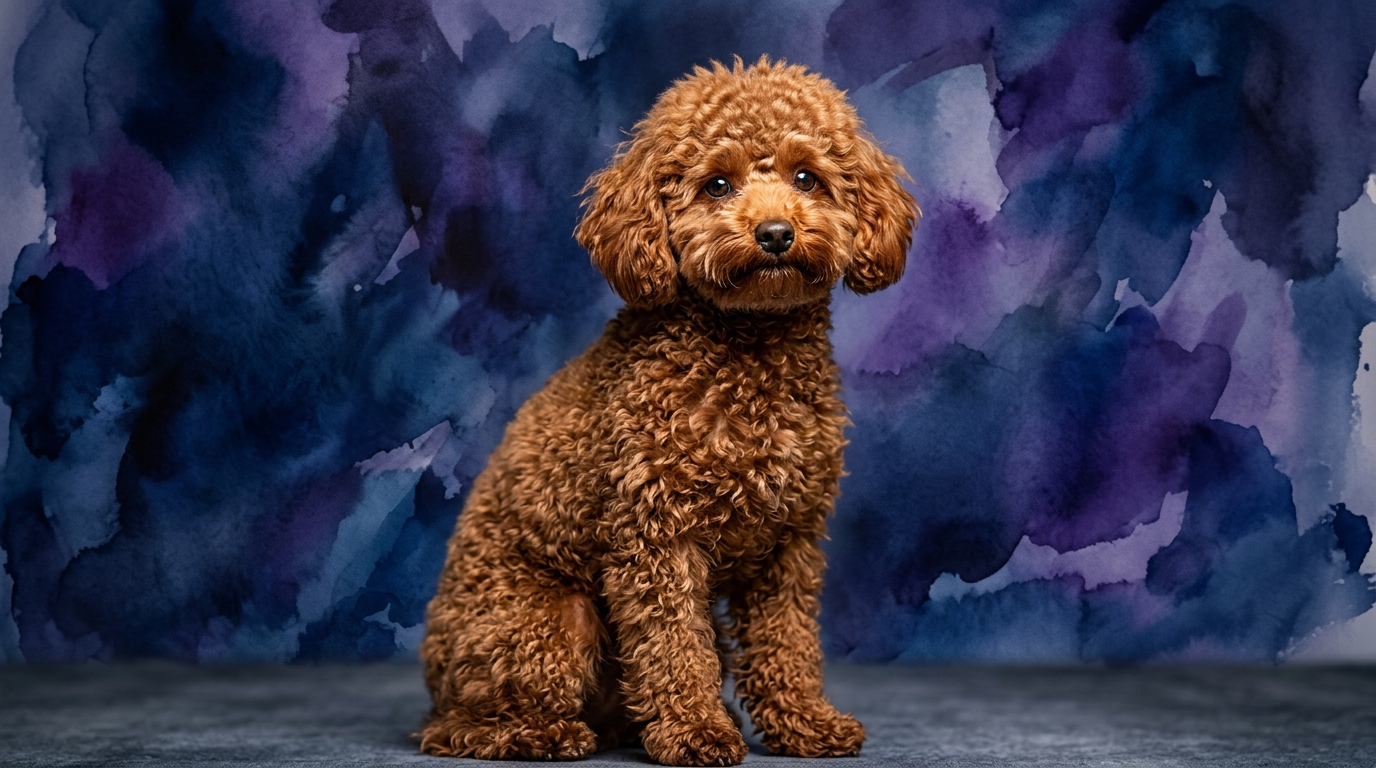
The Toy Poodle, despite its dainty size, boasts a formidable cognitive blueprint, indicative of its heritage as a water retriever and show dog. Their Problem Solving ability is exceptional, rated 5/5, demonstrating a capacity for complex thought and strategic planning. Training Speed mirrors this at 5/5, meaning they grasp concepts with remarkable rapidity. Social Intelligence is rated 3/5, suggesting they form strong bonds but might be less attuned to subtle human emotional shifts compared to the Samoyed. Instinctive Drive is moderate at 3/5, focusing more on mental engagement than raw physical output, and their Memory is outstanding, scoring 5/5, allowing them to retain vast amounts of information and routines.
Where the Samoyed Wins Cognitively
The Samoyed's primary cognitive advantage lies in their exceptional Social Intelligence, scoring a perfect 5/5. This isn't just about being friendly; it signifies a profound capacity to read and respond to human emotions, intentions, and social cues. A Samoyed can often anticipate their owner's mood, offering comfort or space as needed, and they excel in cooperative tasks where understanding their human partner is paramount. This makes them highly empathetic companions, deeply integrated into the family unit and capable of nuanced communication within their social group.
Furthermore, their robust Instinctive Drive (4/5) gives them an edge in tasks requiring sustained effort and purpose. While not always seeking the quickest solution, a Samoyed possesses the mental fortitude and intrinsic motivation to pursue goals, whether it's navigating a complex hiking trail, participating in dog sports like agility or sledding, or simply accompanying their owner through various daily routines with unwavering commitment. This drive, combined with their social acumen, allows them to thrive in roles where a strong bond and shared objective are key, such as therapy work or search and rescue, where understanding the human element is as crucial as the task itself.
Where the Toy Poodle Wins Cognitively
The Toy Poodle's cognitive superiority is most evident in their extraordinary Problem Solving ability (5/5). They are adept at navigating novel situations, figuring out intricate puzzles, and devising strategies to achieve desired outcomes. This manifests in their capacity to quickly understand complex sequences of actions, manipulate objects to open latches, or learn multi-step commands. Their minds are wired for analytical thinking and adapting rapidly to new information, making them formidable competitors in obedience, rally, and trick training.
Complementing their problem-solving prowess is an equally impressive Training Speed (5/5) and Memory (5/5). A Toy Poodle can often learn a new command or trick in just a few repetitions, absorbing information like a sponge. Their exceptional memory ensures that once a skill is learned, it is retained with remarkable fidelity over long periods. This combination allows them to master vast repertoires of behaviors, from simple commands to elaborate routines, making them exceptionally versatile and responsive partners in any training endeavor. Owners find that the Toy Poodle remembers past lessons, even after a break, making refresher training quick and efficient.
Which is Easier to Train and Why
Based on our IQ metrics, the Toy Poodle is objectively easier to train for a wide array of commands and tricks. Their 5/5 Training Speed means they grasp concepts remarkably quickly, often requiring fewer repetitions than many other breeds. Coupled with their 5/5 Memory, once a Toy Poodle learns a behavior, they are likely to retain it with little effort, making for efficient and rewarding training sessions. For instance, teaching a Toy Poodle a complex agility course or a series of chained tricks will often see them connect the steps and remember the sequence rapidly, translating into smoother execution and fewer training hours.
The Samoyed, with a Training Speed of 3/5 and Memory of 3/5, presents a different training dynamic. While certainly capable of learning, they may require more consistent repetition and a patient approach. Their independent nature, stemming from their working heritage, means they might weigh the value of a command against their own inclinations. For example, a Samoyed might understand 'come' but choose to investigate an interesting scent instead, requiring the owner to build stronger motivation and consistency. Their high Social Intelligence, however, can be leveraged; training methods that build a strong, trusting relationship and tap into their desire for cooperation will be more effective than purely command-based approaches, as they respond well to emotional connection and shared purpose. While they might not pick up new tricks as fast, they deeply value the bond formed during training.
Which Suits Active Owners vs. Relaxed Owners
The Samoyed, with its 4/5 Instinctive Drive and heritage as a working dog, typically suits active owners who can provide consistent engagement and a sense of purpose. These dogs thrive on activities that challenge them both physically and mentally, such as long hikes, jogging, sledding, or even rigorous games of fetch. Owners who enjoy outdoor adventures and are prepared to involve their Samoyed in daily routines that simulate 'work' — like carrying a pack on a walk or participating in dog sports — will find them to be incredibly rewarding companions. Their need for social interaction, driven by their 5/5 Social Intelligence, also means they prefer to be involved in family activities rather than left alone for extended periods.
The Toy Poodle, while often perceived as a 'lap dog,' is far from a purely relaxed companion. Their 5/5 Problem Solving and 5/5 Memory mean they require significant mental stimulation, which can be provided through interactive puzzle toys, advanced obedience training, agility, or trick training. Owners who enjoy teaching and engaging in brain games will find the Toy Poodle an eager and capable partner. While they don't necessarily need the same level of strenuous physical exercise as a Samoyed, a Toy Poodle can become bored and develop undesirable behaviors if their sharp minds are not adequately challenged. Therefore, they suit owners who are mentally active and committed to providing consistent intellectual engagement, whether through structured training or creative play, rather than strictly 'relaxed' owners who prefer minimal interaction.
The Verdict: When to Choose Each Breed
The Verdict
Choose the Samoyed if you are an active owner seeking a deeply empathetic, socially attuned companion for outdoor adventures and cooperative tasks, valuing a strong emotional bond over rapid trick acquisition. You should be prepared to engage their working drive and provide consistent, relationship-based training.
Opt for the Toy Poodle if you are an owner who enjoys intellectual engagement, complex training, and seeing your dog master a vast array of commands and tricks with speed and precision. You will thrive with a Toy Poodle if you can provide consistent mental challenges and appreciate a dog that excels in problem-solving.
🧠 Find Your Pet's IQ Score
Our Pet IQ Lab assessment covers 25+ tests across 5 cognitive dimensions — personalized to your breed.
Take the Full IQ Test →Frequently Asked Questions
Are Samoyeds difficult to train due to their independence?
Samoyeds are not difficult to train, but they require consistency, patience, and motivation that appeals to their social and working drives. Their independence means they might not always comply if they don't see the value, so building a strong bond and making training fun is key.
Do Toy Poodles need a lot of physical exercise?
While Toy Poodles are energetic, their primary need is mental stimulation rather than extensive strenuous physical exercise. Regular walks combined with puzzle toys, training sessions, and interactive games are often more important for their well-being than long runs.
Which breed is better for first-time dog owners?
For first-time owners seeking a dog that is generally easier to train and excels in obedience, the Toy Poodle might be a more straightforward choice due to their high training speed and memory. Samoyeds, while affectionate, can be more challenging for novices due to their independent streak and higher exercise requirements.