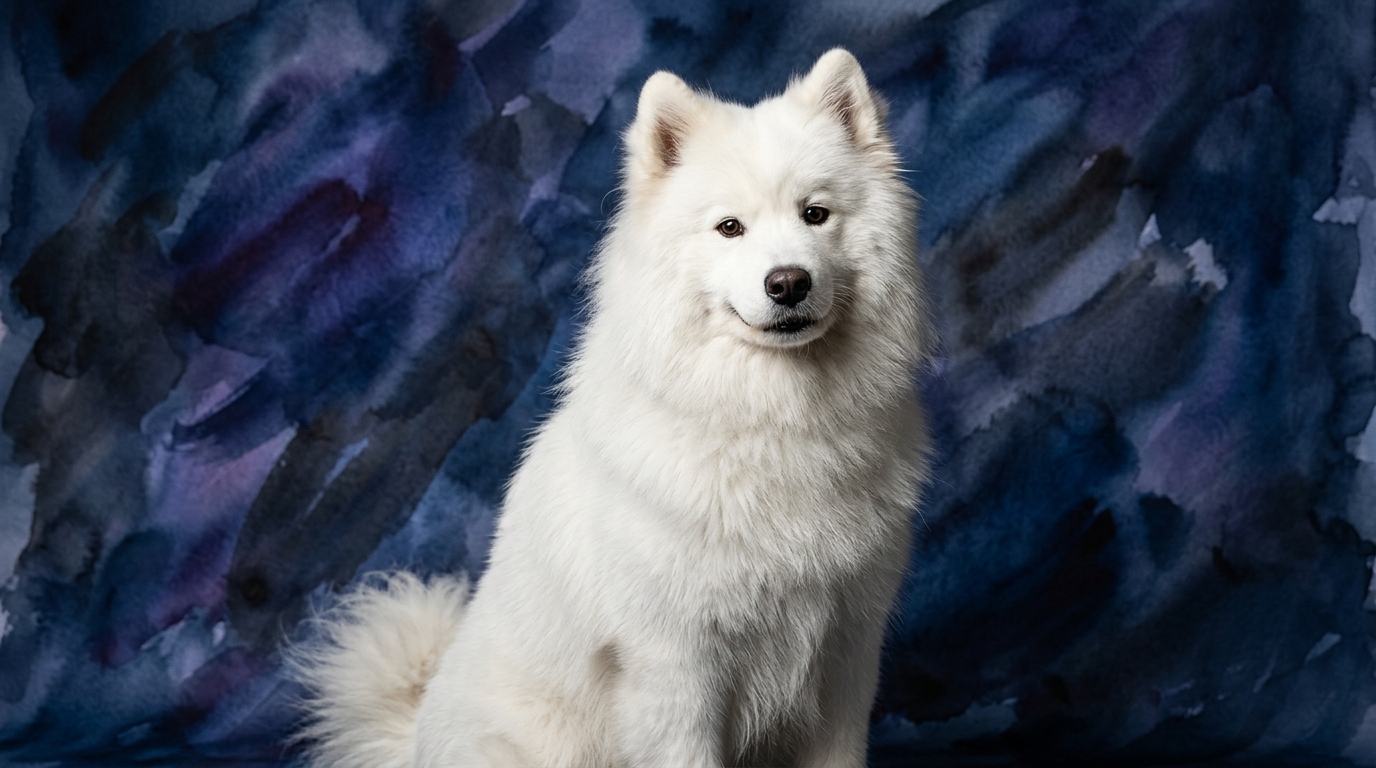
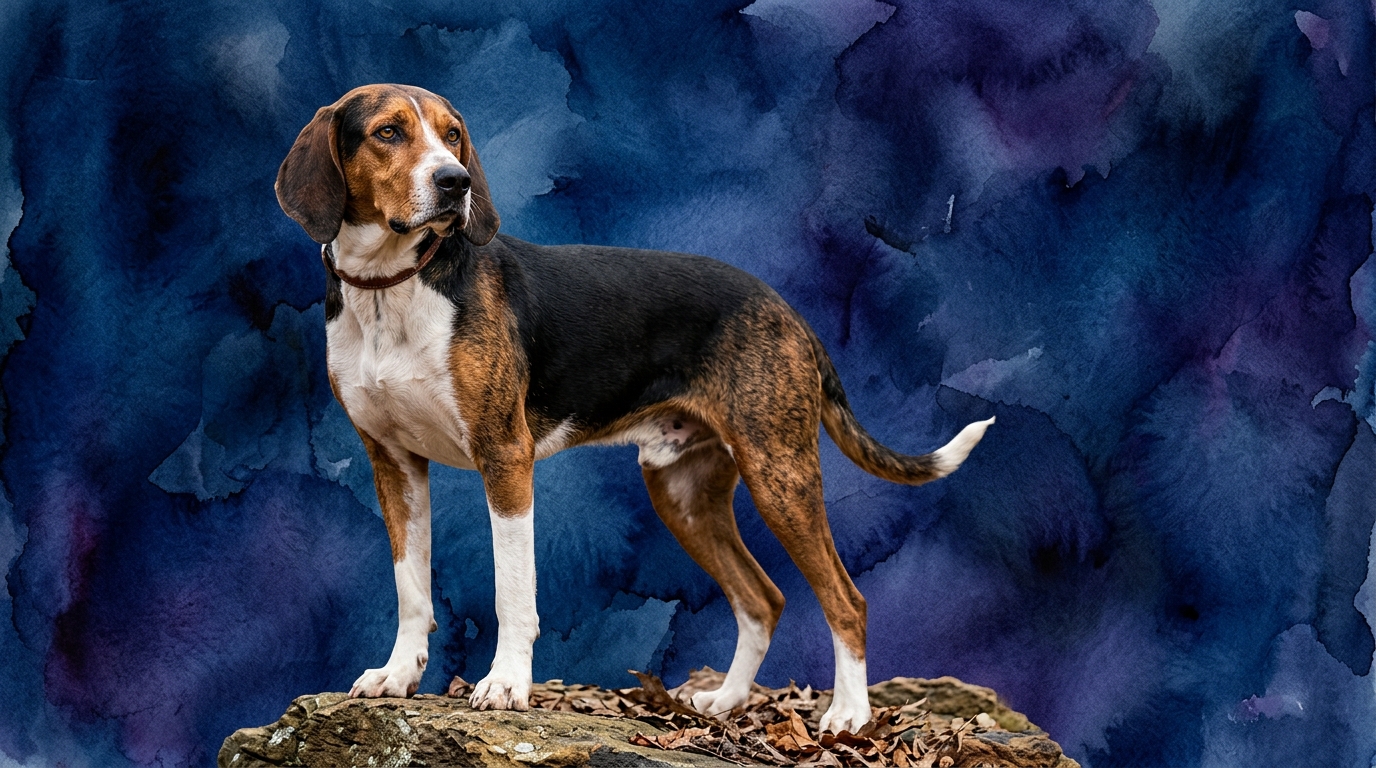
Side-by-Side Cognitive Profiles: Samoyed vs. Treeing Walker Coonhound
At The Cosmic Pet Pet IQ Lab, we evaluate canine intelligence across five key dimensions to offer a nuanced understanding beyond simple rankings. For the Samoyed, a breed often celebrated for its radiant demeanor, we observe a Problem Solving score of 3/5, indicating a moderate capacity to navigate new challenges and figure things out. Their Training Speed is also 3/5, suggesting they learn new commands at a steady, consistent pace rather than being exceptionally quick or slow. Where the Samoyed truly excels is in Social Intelligence, scoring a remarkable 5/5, reflecting their profound attunement to human emotions and social cues. Their Instinctive Drive is strong at 4/5, manifesting in traits like herding or pulling, while their Memory stands at a solid 3/5, enabling them to recall routines and commands reliably. The Samoyed also holds a respectable Coren ranking of #33.
In contrast, the Treeing Walker Coonhound, a breed less focused on human-centric obedience, presents a different cognitive blueprint. They share a Problem Solving score of 3/5, though their application of this skill is often rooted in practical, environmental challenges rather than abstract puzzles. Their Training Speed is similarly 3/5, meaning they learn at a moderate pace, but their motivation often stems from different sources. The Coonhound's Social Intelligence is 3/5, indicating a friendly but more independent nature, less inclined towards the intense human focus seen in Samoyeds. Their Instinctive Drive, rated 3/5, is primarily channeled into their extraordinary olfactory abilities and pursuit of game. Memory for the Treeing Walker Coonhound is 3/5, focusing on recalling scent trails and learned hunting strategies. Notably, this breed is not listed in Coren's rankings, which speaks to the specialized nature of their intelligence.
Where the Samoyed's Cognition Shines Brightest
The Samoyed's cognitive profile truly illuminates in its exceptional Social Intelligence (5/5). This isn't merely about being friendly; it signifies a deep, intuitive understanding of human emotional states, intentions, and communication nuances. Samoyeds are adept at reading body language and tone, often anticipating their owner's needs or moods, which fosters an incredibly strong, cooperative bond. This high social acumen makes them particularly responsive in family settings and adaptable to various social situations, allowing them to integrate seamlessly and even provide emotional support.
Furthermore, their robust Instinctive Drive (4/5) is a significant cognitive asset. This drive, rooted in their heritage as working dogs for herding reindeer and pulling sleds, translates into a strong desire for purpose and activity. While not always evident in complex problem-solving on its own, this drive fuels their engagement in tasks, their ability to learn multi-step commands, and their enthusiasm for shared activities. It showcases a purposeful cognitive function that thrives on structured engagement and partnership, making them eager participants in activities that leverage their natural inclinations.
The Treeing Walker Coonhound's Unique Cognitive Strengths
While the Treeing Walker Coonhound shares a 3/5 score with the Samoyed in Problem Solving and Instinctive Drive, the *nature* of these strengths is profoundly different and highly specialized. Their Problem Solving is acutely focused on navigating complex environmental puzzles, such as deciphering intricate scent trails, requiring sustained concentration, discrimination between subtle odors, and strategic decision-making to locate quarry. This isn't about solving a puzzle box in a living room but about intricate, real-world analytical work in diverse terrains.
Their Instinctive Drive (3/5) is almost entirely dedicated to this remarkable olfactory capability and the relentless pursuit of a scent. This singular focus demonstrates an extraordinary cognitive endurance and an unwavering commitment to their primary purpose. They can maintain a 'working state' for extended periods, filtering out myriad distractions to stay locked onto a scent. This specialized form of intelligence, prioritizing sensory input and sustained tracking, highlights a breed whose cognitive architecture is finely tuned for a specific, demanding task, showcasing a robust mental fortitude within their domain.
Ease of Training: Samoyed vs. Treeing Walker Coonhound
Both the Samoyed and the Treeing Walker Coonhound score a 3/5 for Training Speed, implying they learn new commands at a moderate, consistent pace. However, the *approach* and *experience* of training these two breeds diverge significantly due to their distinct cognitive profiles. The Samoyed's exceptional Social Intelligence (5/5) means they are highly motivated by human interaction, praise, and the desire to please. This intrinsic drive for cooperative partnership makes them generally more responsive to positive reinforcement and consistent guidance, as they value the bond and attention fostered through training. Their strong Instinctive Drive (4/5) can also be effectively channeled into structured activities, turning training into an engaging, purposeful endeavor.
The Treeing Walker Coonhound, with a Social Intelligence of 3/5, is more independent and less inherently driven by constant human approval. Their Instinctive Drive (3/5) is powerfully focused on scent work, meaning training unrelated to their natural hunting instincts may require more creative motivation and patience. While they are capable of learning commands, their independent nature and highly developed nose mean they are easily distracted by environmental scents, making consistent recall and off-leash obedience in stimulating environments more challenging. Owners must understand that for a Coonhound, the world of scent often takes precedence, requiring a patient, consistent, and often game-based training approach to keep them engaged.
Matching Cognitive Profiles to Lifestyles: Active vs. Relaxed Owners
For active owners, both breeds offer engaging companionship, but they cater to different types of activity. An active owner seeking a highly interactive, cooperative partner for adventures like hiking, pulling tasks, or even dog sports would find the Samoyed's robust Instinctive Drive (4/5) and exceptional Social Intelligence (5/5) immensely rewarding. They thrive on shared experiences and mental stimulation that involves working alongside their human, making them excellent companions for outdoor adventures where they feel like an integral part of a team. Their moderate Problem Solving and Memory (3/5) mean they enjoy learning new tricks and routines, but their strong drive needs consistent, purposeful outlets.
The Treeing Walker Coonhound also suits active owners, but those whose activity aligns with their breed's specialized cognitive strengths. This means owners passionate about long walks, scent work, or even hunting, where the dog can utilize its acute olfactory senses and focused Instinctive Drive (3/5). They are not typically suited for 'relaxed' owners due to their significant need for physical and mental exercise, primarily through scent exploration. Their independence and moderate Social Intelligence (3/5) mean they are less likely to be 'velcro dogs' and more content exploring their environment independently, making them ideal for owners who appreciate a dog with a strong, independent drive for exploration rather than constant human-focused interaction.
Coren Ranking & What It Implies for These Breeds
Stanley Coren's ranking system primarily assesses what he terms 'working and obedience intelligence,' focusing on a dog's capacity to learn and execute human commands. The Samoyed's placement at #33 signifies a solid capacity for understanding and complying with new instructions, typically grasping new commands in 15-20 repetitions and obeying the first command about 85% of the time or better. This aligns well with their moderate Training Speed (3/5) and high Social Intelligence (5/5), which predisposes them to cooperative learning and responsiveness to human direction.
The Treeing Walker Coonhound is not listed in Coren's rankings, a common occurrence for many hound breeds. This absence does not suggest a lack of intelligence, but rather that their primary cognitive strengths lie outside the specific parameters Coren measured. Hounds are bred for independent thought and action in the field, relying on their Instinctive Drive (3/5) and Problem Solving (3/5) to follow a scent trail without constant human direction. Their intelligence is highly specialized, focused on olfactory discrimination and tracking endurance, which Coren's obedience-centric metrics do not fully capture. This difference underscores why a holistic view of canine cognition, beyond a single ranking, is crucial for understanding breeds like the Coonhound.
The Verdict
Choose a Samoyed if you seek a highly socially intelligent, cooperative companion eager to engage in shared activities and form deep emotional bonds, capable of learning diverse tasks with consistent guidance.
Opt for a Treeing Walker Coonhound if you are an active owner who appreciates a dog with an independent, specialized intelligence, driven by an exceptional nose and a passion for scent exploration.
🧠 Find Your Pet's IQ Score
Our Pet IQ Lab assessment covers 25+ tests across 5 cognitive dimensions — personalized to your breed.
Take the Full IQ Test →Frequently Asked Questions
Are Samoyeds good at problem-solving?
Samoyeds have a moderate problem-solving ability (3/5), meaning they can figure out practical challenges, especially those related to their working instincts or when motivated by their human companions. They are not typically known for abstract puzzle-solving but excel at navigating tasks with a clear purpose.
How does the Treeing Walker Coonhound's memory compare to a Samoyed's?
Both breeds score a 3/5 for memory, indicating an average capacity for remembering routines and commands. The Coonhound's memory is particularly adept at recalling scent trails, while the Samoyed's often focuses on remembering established household rules and family member interactions.
Which breed is better for first-time dog owners?
The Samoyed's high social intelligence and eagerness to please often make them a more forgiving choice for first-time owners who are committed to consistent training and socialization. The Treeing Walker Coonhound's independent nature and strong scent drive can be more challenging for novices, requiring a deeper understanding of hound behavior and consistent, specialized engagement.