Side-by-Side Cognitive Profiles: Samoyed vs. Yorkshire Terrier
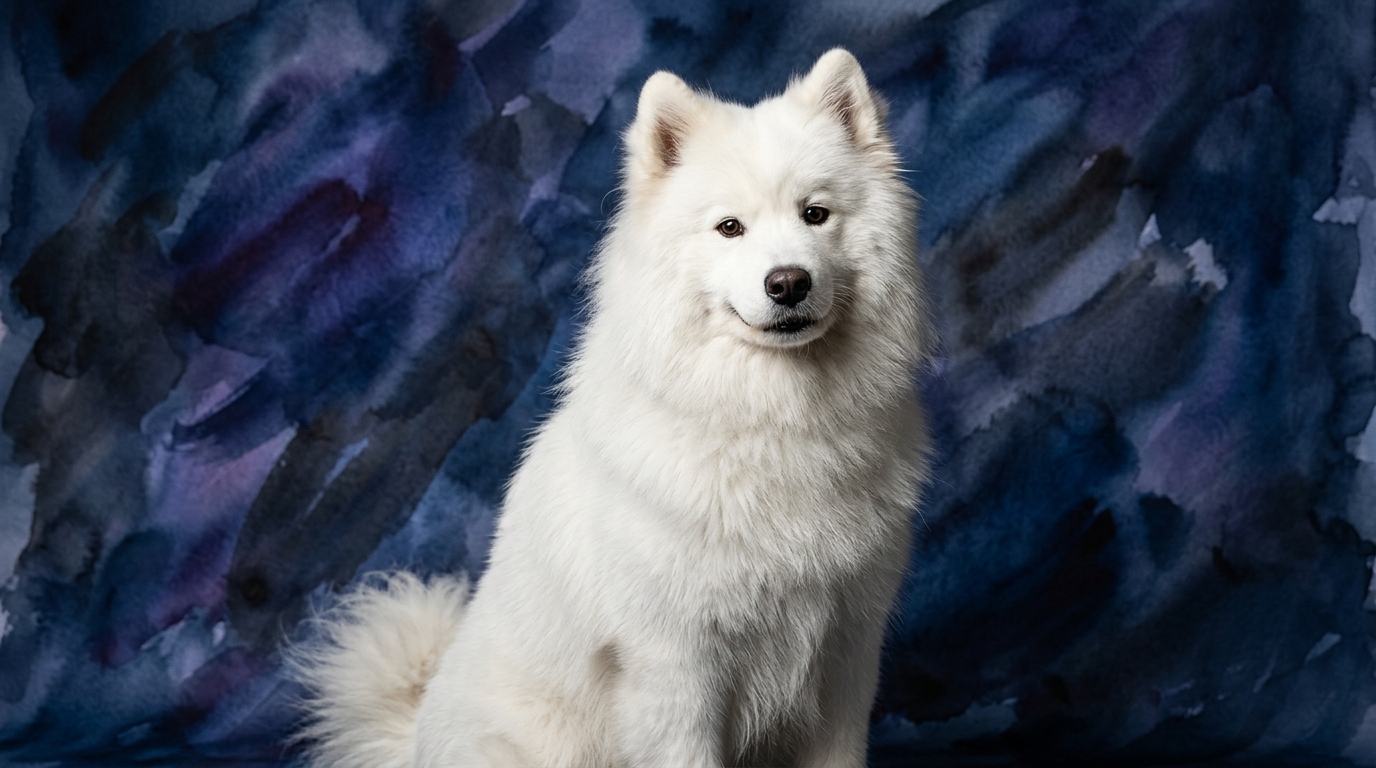
The Cosmic Pet Pet IQ Lab provides a comprehensive framework to understand the unique cognitive strengths of different breeds. For the Samoyed, a majestic working dog, its profile paints a picture of a socially adept but moderately independent thinker. Its Problem Solving is rated 3/5, indicating a moderate capacity for navigating novel situations, often preferring established routines or handler guidance over devising complex new solutions independently. Training Speed stands at 3/5; this breed requires moderate repetition to learn new commands, as its independent nature, a remnant of its working past, means compliance can sometimes hinge on sufficient motivation. Where the Samoyed truly shines is in Social Intelligence, earning a perfect 5/5, showcasing an exceptional ability to understand and interact with both humans and other animals, demonstrating high empathy and bonding capabilities. Its Instinctive Drive is 4/5, a substantial innate urge stemming from sled-pulling and herding, manifesting as a desire for purpose and activities requiring endurance or teamwork. Finally, Memory is 3/5, meaning recall of learned behaviors and experiences is moderate; while routines are remembered, extensive or infrequent lessons may necessitate refreshers.
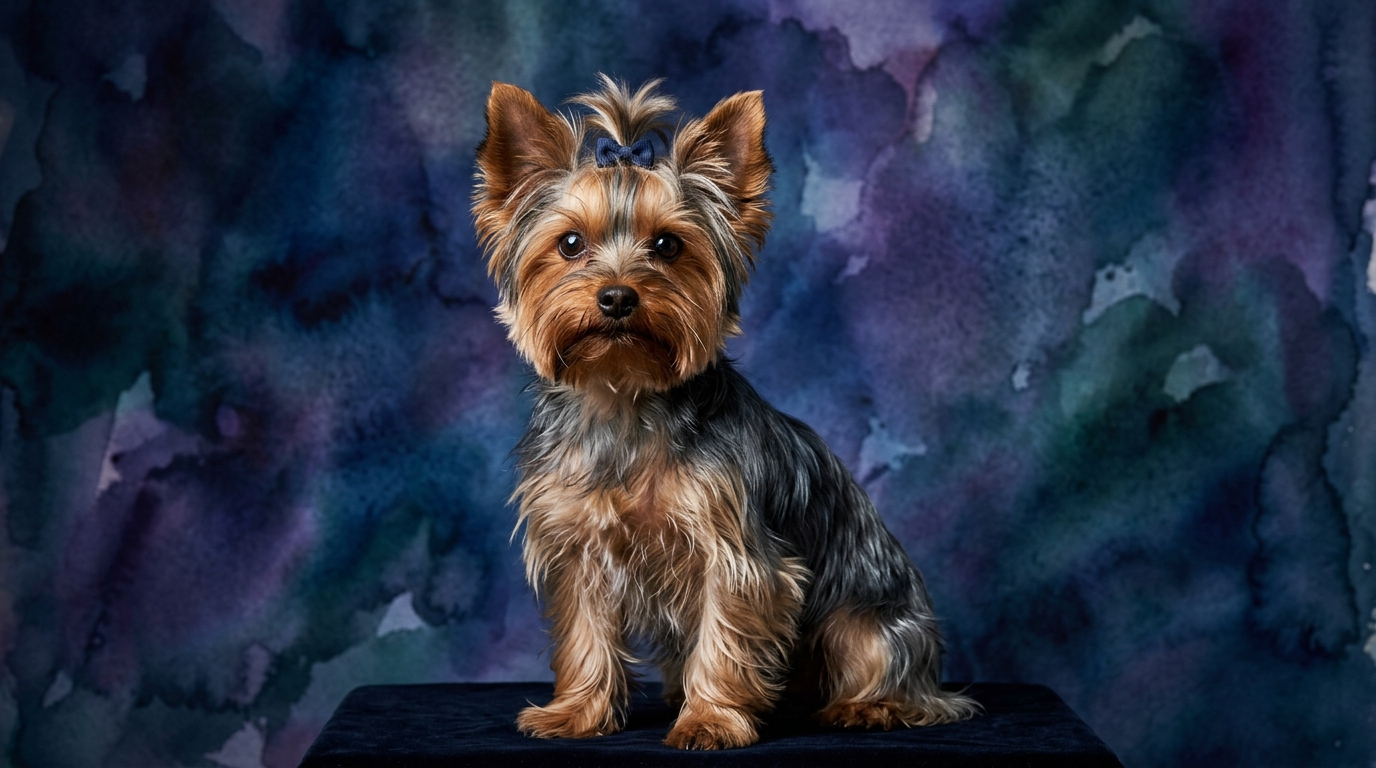
In contrast, the Yorkshire Terrier, a spirited terrier, presents a slightly different cognitive emphasis. Its Problem Solving is also rated 3/5, indicating a moderate capacity for problem-solving; Yorkies often use persistence and cleverness to navigate simple challenges or achieve desired outcomes rather than complex strategic thinking. However, its Training Speed is a higher 4/5; generally, Yorkies pick up new commands quickly, with their eagerness to engage and focused attention contributing to a more efficient learning curve. Social Intelligence is 4/5, showing a substantial capacity for social interaction, forming strong attachments, and skillfully communicating needs within their social circle, though not quite at the Samoyed’s peak. The Yorkshire Terrier’s Instinctive Drive is also 4/5, deeply rooted in its terrier heritage, translating into a significant drive for chasing small prey and exploring, leading to a spirited and tenacious approach to its environment. A key difference lies in Memory, rated 4/5; Yorkshire Terriers tend to retain learned information and experiences well, ensuring that once established, commands and routines are recalled consistently, aiding in advanced training.
Where the Samoyed's Cognition Shines
The Samoyed's unparalleled social intelligence, rated at a perfect 5 out of 5, is where its cognitive strengths truly stand apart. This isn't merely about friendliness; it signifies a profound capacity for empathy, understanding complex social hierarchies, and integrating into human family units with remarkable grace. A Samoyed can often sense shifts in mood, offering comfort or adapting their behavior to the emotional climate of their household, a trait invaluable for a companion animal. Their ability to form deep, reciprocal bonds and act as a cohesive team member, stemming from generations of working alongside humans, means they intuitively grasp intricate social cues that might elude other breeds. This high social acumen allows them to navigate household dynamics with a nuanced understanding, making them exceptional family members who contribute positively to the emotional well-being of their human companions.
Where the Yorkshire Terrier's Cognition Excels
The Yorkshire Terrier carves out its cognitive niche with superior training speed and memory, both rated at 4 out of 5, surpassing the Samoyed in these critical areas. Their quicker grasp of new commands means fewer repetitions are often needed to solidify a behavior, making initial training phases more efficient and rewarding for both dog and owner. This accelerated learning is often fueled by their eager-to-please nature and focused attention when engaged in a task with their primary handler. Furthermore, their stronger memory ensures that once a lesson is learned, it tends to stick. This robust recall extends beyond simple commands to routines and even specific experiences, allowing them to build a comprehensive behavioral repertoire over time. For owners interested in progressing through various levels of obedience or trick training, the Yorkie's retention capabilities provide a significant advantage, fostering consistent performance and a deeper understanding of expectations.
Training Ease: Samoyed vs. Yorkshire Terrier
When it comes to the practicalities of training, the Yorkshire Terrier generally presents a more straightforward experience than the Samoyed. The Yorkie's higher training speed (4/5) and memory (4/5) mean they typically learn new commands with fewer repetitions and retain those lessons more consistently. Their terrier drive often translates into a focused determination when engaged in training, coupled with an inherent desire to please their primary handler, making them highly responsive to positive reinforcement. This combination facilitates quicker progress in obedience and trick training.
The Samoyed, with its moderate training speed (3/5) and memory (3/5), requires a different approach. Their strong instinctive drive (4/5) and a historical role that encouraged independent decision-making mean they can sometimes exhibit a "what's in it for me?" attitude. While they are certainly capable of learning, their independent spirit means an owner must be patient, consistent, and highly motivating, often needing to make commands more appealing than the Samoyed's own inclinations. For example, a Samoyed might prioritize exploring a new scent over a recall command if the reward isn't compelling enough, whereas a Yorkie might be quicker to return, driven by the interaction and smaller distractions. This difference in intrinsic motivation and retention makes the Yorkie generally easier for first-time or less experienced trainers.
Lifestyle Suitability: Active Owners vs. Relaxed Owners
The Samoyed, a breed steeped in a history of demanding physical and mental work, is unequivocally better suited for active owners. Their high instinctive drive (4/5) and need for mental stimulation mean they thrive on regular, vigorous exercise that goes beyond a simple walk around the block. Activities like hiking, running, or participating in dog sports such as agility or carting provide essential outlets for their energy and cognitive engagement. Owners who can commit to daily structured activities and consistent training will find their Samoyed to be a joyful, well-adjusted companion. A relaxed or sedentary lifestyle can lead to boredom and the manifestation of undesirable behaviors, as their minds and bodies are not sufficiently challenged.
The Yorkshire Terrier, while spirited, exhibits a more adaptable energy level that can accommodate a wider range of owner lifestyles. Their strong instinctive drive (4/5) for chasing and exploring still necessitates daily walks and play sessions, but these are typically less demanding than those required by a Samoyed. A Yorkie can be content with indoor games, puzzle toys, and shorter outdoor excursions, making them suitable for owners who prefer a more relaxed pace but are still committed to daily engagement. They enjoy being involved in family activities and appreciate mental stimulation through training or interactive toys, but they don't possess the same inherent need for extensive, sustained physical exertion as their larger counterpart. Therefore, owners seeking a companion that fits into a moderately active or even apartment-dwelling lifestyle without requiring hours of daily outdoor activity might find the Yorkie a more fitting choice.
The Verdict
Choose a Samoyed if you value a deeply socially intelligent companion, are prepared for consistent, patient training, and can provide ample opportunities for their strong working drive through an active lifestyle.
Opt for a Yorkshire Terrier if you seek a quick-learning companion with strong recall, enjoy focused training sessions, and desire a spirited dog adaptable to a moderately active or apartment-dwelling life.
🧠 Find Your Pet's IQ Score
Our Pet IQ Lab assessment covers 25+ tests across 5 cognitive dimensions — personalized to your breed.
Take the Full IQ Test →Frequently Asked Questions
Are Samoyeds difficult to train?
Samoyeds are not inherently difficult, but their independent nature and moderate training speed mean they require consistent, patient, and highly motivating training methods. Owners must make training sessions engaging and rewarding to overcome their historical inclination for independent decision-making.
Do Yorkshire Terriers need a lot of exercise?
While spirited, Yorkshire Terriers have moderate exercise needs compared to larger working breeds. Daily walks, indoor play, and mental stimulation through training are sufficient to keep them content, making them adaptable to various living situations, including apartments.
Which breed is better with children?
Both breeds can be good with children, but the Samoyed's exceptional social intelligence (5/5) often makes them particularly adept at understanding family dynamics and being gentle companions. Yorkshire Terriers (4/5 social intelligence) also form strong bonds but may require more supervision with very young children due to their smaller size and spirited nature.