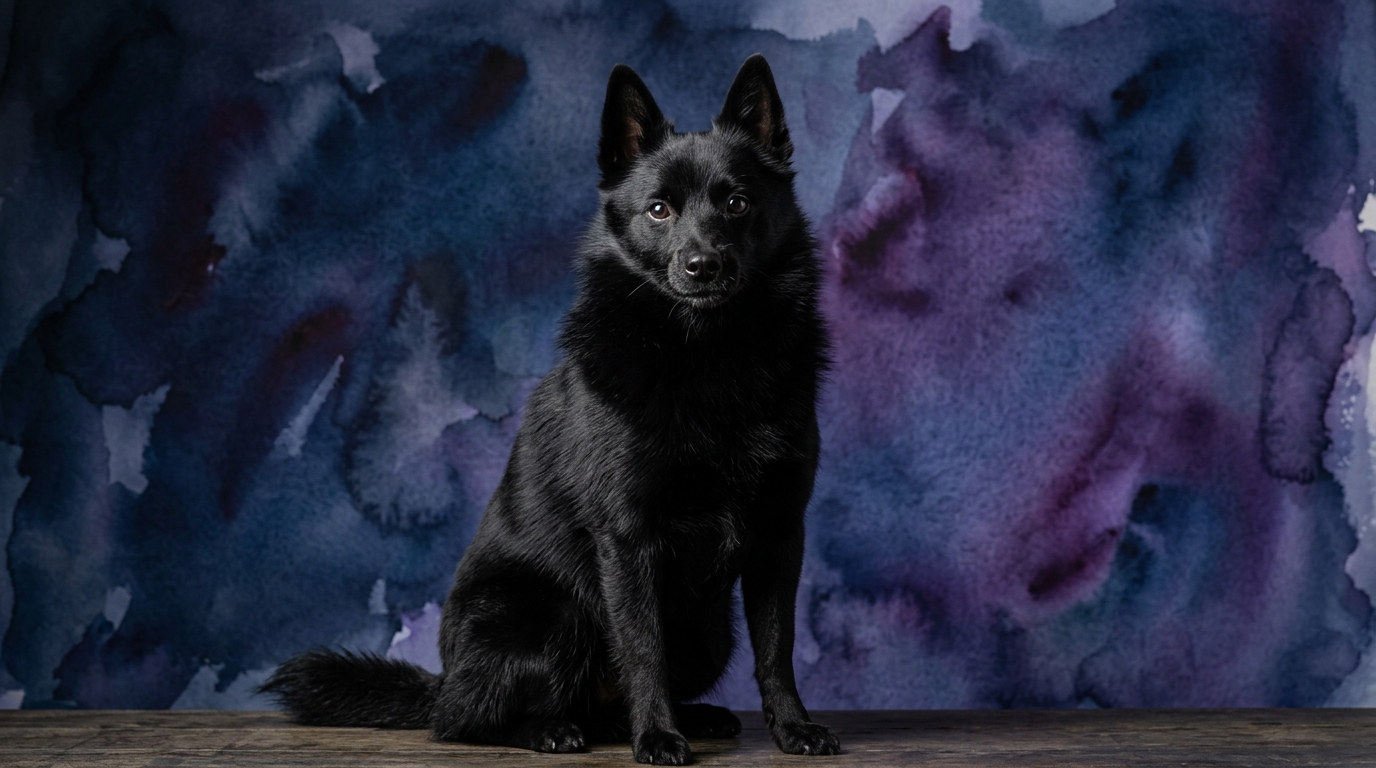
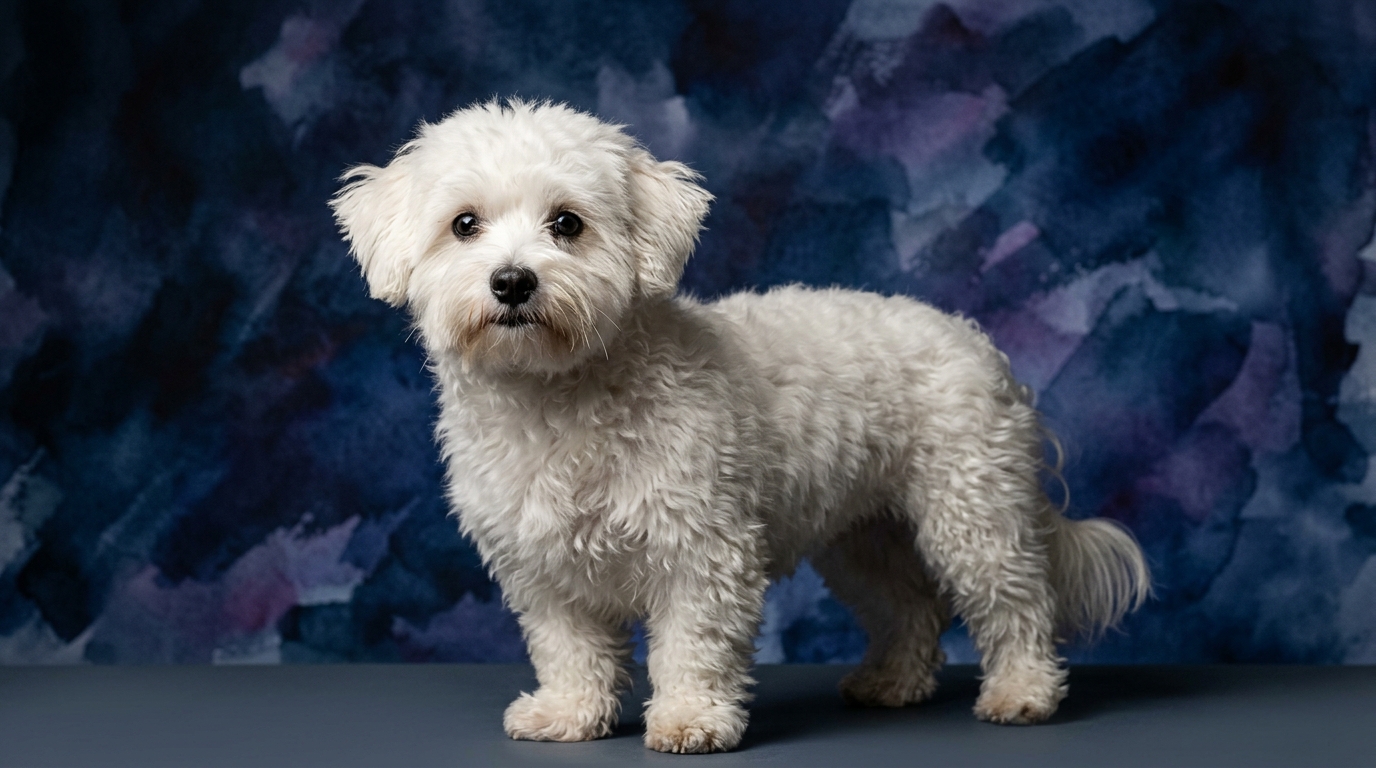
Side-by-Side Cognitive Profile: Schipperke vs. Coton de Tuléar
To understand the distinct mental landscapes of these two breeds, The Cosmic Pet Pet IQ Lab employs a five-dimensional cognitive assessment. The Schipperke, a dog with a Coren rank of #15, showcases a keen mental agility, while the Coton de Tuléar, though not Coren-ranked, presents a balanced and endearing cognitive makeup.
The Schipperke's profile reveals exceptional Problem Solving (5/5), indicating an impressive aptitude for independently figuring out complex tasks and navigating novel situations. They possess a keen observational ability, quickly grasping environmental cues to solve puzzles or achieve desired outcomes. This breed also demonstrates a perfect Training Speed (5/5), meaning they are remarkably swift learners, rapidly associating commands with actions and retaining new information. Their Social Intelligence (3/5) is moderately developed, capable of forming strong bonds but often preferring their chosen few. Instinctive Drive (3/5) reflects their historical role as vigilant barge dogs, translating into a manageable curiosity and desire to explore. Finally, their Memory (5/5) is formidable, contributing significantly to their rapid training speed and ability to recall learned behaviors with clarity.
In contrast, the Coton de Tuléar exhibits a consistently moderate cognitive profile. Their Problem Solving (3/5) suggests they can learn to navigate everyday challenges and simple puzzles, though more intricate tasks might require additional guidance. Training Speed (3/5) indicates they are receptive to training but typically require more consistent repetition and positive reinforcement to solidify new behaviors. Their Social Intelligence (3/5) mirrors the Schipperke's, showing a deep attunement to their family's moods and desires, thriving on companionship. Instinctive Drive (3/5) is moderate, often expressed as gentle playfulness geared towards social engagement rather than intense working tasks. Similarly, their Memory (3/5) is adequate for daily living and training, retaining information and routines, though complex sequences might require occasional refreshers.
Where the Schipperke Excels Cognitively
The Schipperke's cognitive profile clearly excels in specific domains, making it a truly engaging partner for those seeking an active mental connection. Its top-tier Problem Solving (5/5) means this dog doesn't just follow instructions; it actively thinks for itself. Owners often observe them independently figuring out how to open gates, retrieve hidden toys, or even manipulate objects to achieve a desired outcome. This isn't merely about obedience; it's about initiating solutions to environmental challenges.
Coupled with a perfect Training Speed (5/5), Schipperkes absorb new information with impressive efficiency. They don't just learn a trick; they master it rapidly, often after only a few repetitions. This makes them ideal candidates for advanced obedience, agility, or complex trick training where rapid skill acquisition is paramount. Furthermore, their superior Memory (5/5) ensures that once a lesson is learned, it tends to stick. This robust recall means less time spent on reteaching and more time building upon existing knowledge, allowing for a broader and deeper repertoire of learned behaviors over their lifetime. For an owner seeking a canine partner capable of continuous cognitive growth and independent problem-solving, the Schipperke presents a compelling package.
Where the Coton de Tuléar's Cognitive Strengths Shine
While the Coton de Tuléar's scores might not reach the peaks of the Schipperke, its cognitive strengths lie in its balanced and adaptable nature, particularly suited for its role as a dedicated companion. The Coton's moderate scores across the board (3/5 for all categories) suggest a dog that is less prone to the potential pitfalls of excessive drive or independent problem-solving. A dog with a 5/5 problem-solving score might invent its own "problems" if not sufficiently challenged, leading to destructive behaviors born of boredom.
The Coton, with its 3/5 problem-solving, is content with simpler mental engagement, making it less likely to be perpetually seeking out complex mental puzzles to solve on its own. Its moderate Instinctive Drive (3/5) means it's generally less distracted by environmental stimuli like squirrels or distant sounds, allowing for a more focused presence within the home environment. This balanced cognitive profile contributes to their reputation as adaptable and easygoing family members. Their moderate Social Intelligence (3/5) ensures they are affectionate and responsive to their family's needs without being overly demanding or exhibiting extreme separation anxiety, fostering a harmonious household dynamic. The Coton's cognitive strengths are therefore centered on their capacity for stable, affectionate companionship rather than intense intellectual pursuits, making them a consistently pleasant presence.
Training Dynamics: Which Breed Learns with Greater Ease?
When it comes to ease of training, the Schipperke holds a distinct advantage, primarily due to its exceptional Training Speed (5/5) and Memory (5/5). These dogs quickly grasp what is expected of them, processing new commands and associating them with actions almost instinctively. Their superior memory ensures that once a behavior is learned, it is retained for the long term, reducing the need for constant refreshers. For instance, a Schipperke might master "sit" and "stay" in a handful of short sessions, and reliably perform them weeks later without practice.
In contrast, the Coton de Tuléar, with its Training Speed (3/5) and Memory (3/5), requires a more patient and consistent approach. While certainly trainable, Cotons typically need more repetitions and a longer period of reinforcement to solidify new commands. Owners might find themselves revisiting basic cues more often to ensure retention. The Schipperke's problem-solving aptitude also plays a role, as they can sometimes generalize learned behaviors to new situations more readily, understanding the underlying concept rather than just memorizing a specific action. This difference means the Schipperke can progress through training levels more rapidly, whereas the Coton, while trainable, benefits from a slower, steadier pace with abundant positive reinforcement.
Matching Cognitive Profiles to Owner Lifestyles
The cognitive profiles of these two breeds offer clear guidance for matching with owner lifestyles. The Schipperke, with its high Problem Solving (5/5) and Instinctive Drive (3/5), is better suited for active owners who relish providing consistent mental and physical challenges. These dogs thrive when given a "job" to do, whether it's learning complex trick sequences, participating in dog sports like agility or obedience, or even engaging in extended puzzle toy sessions. Their sharp minds and desire for engagement mean they require more than just a daily walk; they need their intellect stimulated to prevent boredom, which can manifest as unwanted behaviors. A relaxed owner who prefers minimal engagement beyond basic care might find a Schipperke too demanding of their time and mental energy.
Conversely, the Coton de Tuléar, with its moderate scores across the board, is an excellent fit for more relaxed owners. Their moderate problem-solving and instinctive drive mean they are content with a comfortable routine, regular walks, and ample cuddle time. While they enjoy play and can certainly learn tricks, their need for intense mental stimulation is lower. They are generally adaptable to various living situations as long as they receive consistent companionship, making them a joyful presence for those seeking a charming, less demanding canine friend.
The Verdict
Choose the Schipperke if you are an engaged owner seeking a mentally agile partner eager to learn advanced commands, excel in dog sports, and consistently solve environmental puzzles.
Opt for the Coton de Tuléar if you prefer a charming, adaptable companion whose cognitive strengths lie in harmonious companionship and a steady, less demanding mental engagement.
🧠 Find Your Pet's IQ Score
Our Pet IQ Lab assessment covers 25+ tests across 5 cognitive dimensions — personalized to your breed.
Take the Full IQ Test →Frequently Asked Questions
Does the Schipperke's high problem-solving score mean it's harder to manage?
Not necessarily harder, but it does mean a Schipperke requires consistent mental stimulation to prevent them from inventing their own "problems" out of boredom. Owners should channel this intelligence into constructive activities and training.
Can a Coton de Tuléar excel in dog sports despite its moderate training speed?
Absolutely. While they may learn at a steadier pace, Cotons are eager to please and can certainly participate and enjoy dog sports like agility or rally. Success will come with patience, consistency, and positive reinforcement.
How do their social intelligence scores impact their interactions with children or other pets?
Both breeds have moderate social intelligence (3/5), meaning they can form strong bonds with their immediate family. Early socialization is crucial for both to ensure they interact politely and comfortably with new people and other animals.