Side-by-Side IQ Profile
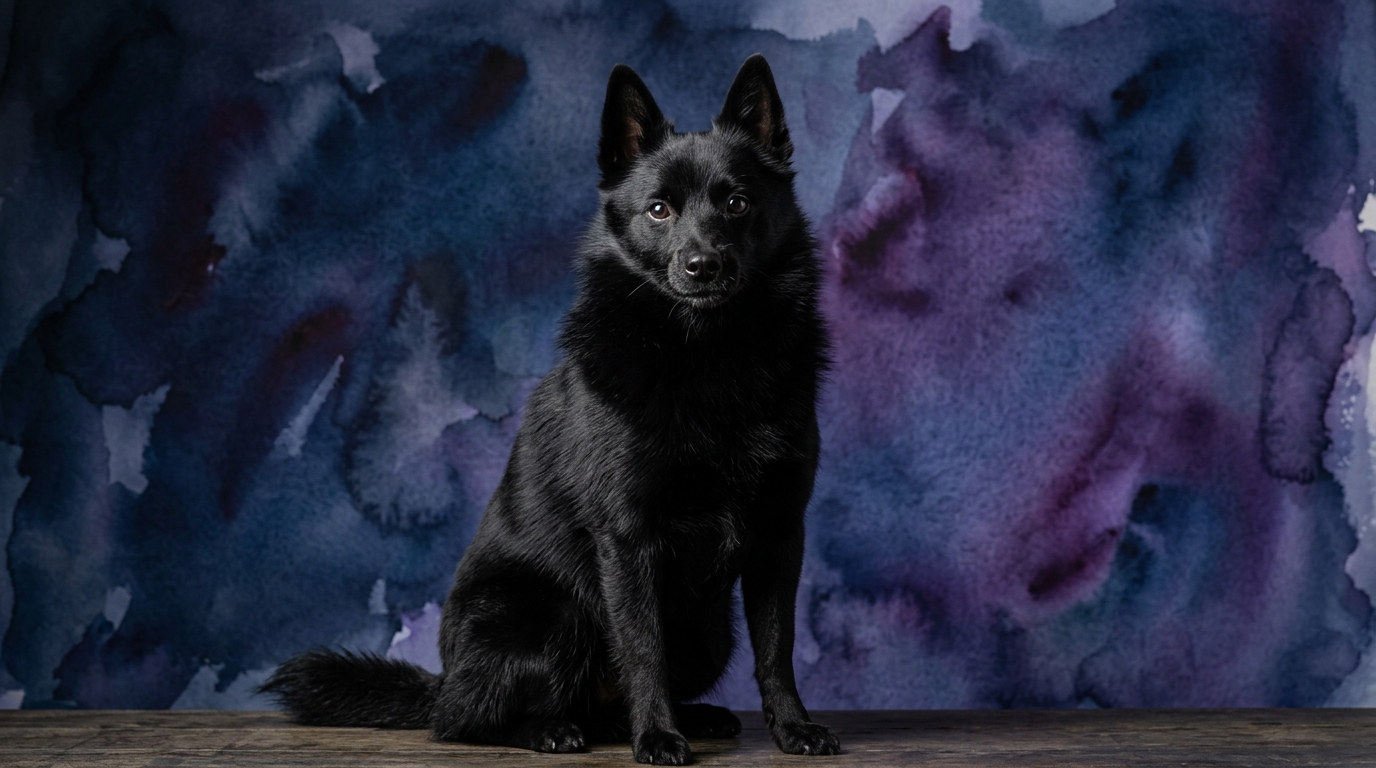
The Schipperke presents a striking cognitive profile, marked by exceptional abilities in several key areas. With a stellar 5/5 in Problem Solving, they are adept at independently analyzing situations and devising clever solutions, often surprising owners with their ingenuity in navigating challenges or achieving goals. This keen mental agility is paired with a 5/5 Training Speed, meaning they grasp new commands and complex routines with remarkable swiftness, requiring minimal repetition. Their 5/5 Memory further solidifies their learning capacity, allowing them to retain vast amounts of information and recall past lessons with ease, making advanced training highly efficient.
Complementing these strengths, their Social Intelligence and Instinctive Drive both register at a moderate 3/5. While capable of strong bonds, their social interactions can be discerning, and their innate drives, such as guarding, are present but generally manageable without dominating their overall behavior, contributing to their independent yet loyal nature.
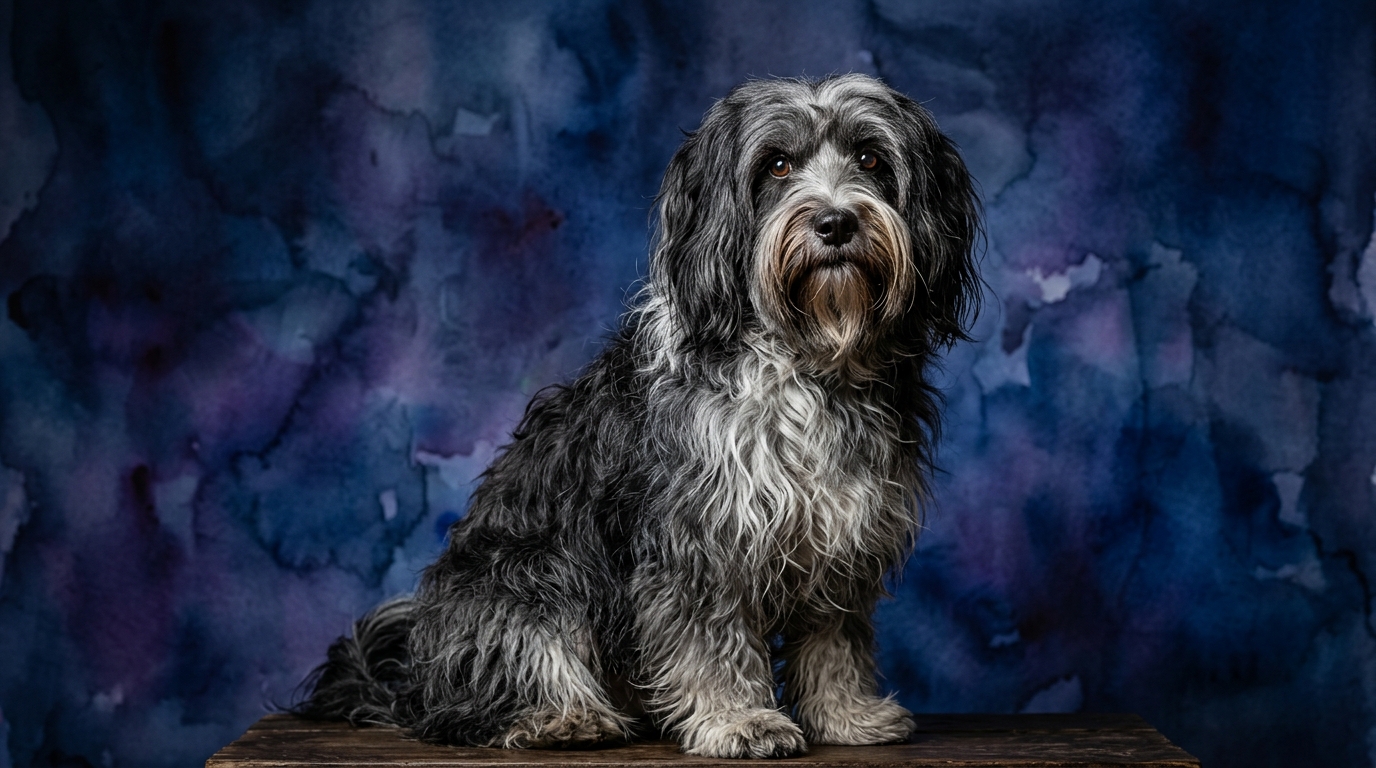
In contrast, the Tibetan Terrier exhibits a remarkably consistent cognitive profile, with all five dimensions — Problem Solving, Training Speed, Social Intelligence, Instinctive Drive, and Memory — scoring a balanced 3/5. This means they approach challenges with a moderate capacity, capable of solving straightforward problems but preferring established methods over novel improvisation. Their training speed is steady, requiring consistent, patient instruction and a reasonable number of repetitions to solidify new commands and routines. Socially, they are affectionate with their family but maintain a degree of independence and can be reserved with strangers, understanding cues without always prioritizing deference. Their instinctive drives are present at a manageable level, reflecting their historical roles without becoming overwhelming. Finally, their memory is solid, reliably retaining learned behaviors and experiences once ingrained, though not with the instantaneous recall seen in breeds with higher scores, sometimes needing refreshers.
Where Schipperke Wins Cognitively
The Schipperke undeniably holds a significant advantage in several cognitive domains. Its stellar 5/5 Problem Solving score means it's a canine Houdini, often finding ingenious ways to open gates, escape enclosures, or retrieve hidden toys without direct instruction. This isn't mere mischief; it's a testament to their analytical minds and ability to formulate multi-step plans. Coupled with a 5/5 Training Speed, a Schipperke can pick up complex sequences of commands, such as agility courses or intricate trick training, with astonishing rapidity. They don't just learn; they absorb information. This speed is further bolstered by their 5/5 Memory, allowing them to retain vast amounts of information and apply past lessons to novel contexts seamlessly. An owner might teach a Schipperke a new trick, and months later, with a single cue, the dog recalls it perfectly. This combination of quick learning, deep retention, and inventive problem-solving makes the Schipperke a profoundly engaging and mentally agile companion, often surprising owners with their cleverness and capacity for independent thought.
Where Tibetan Terrier Wins Cognitively
While the Tibetan Terrier’s individual IQ scores are consistently moderate, this balanced profile presents its own distinct advantages, particularly for owners seeking a steady and predictable cognitive companion. With a 3/5 in Problem Solving, Training Speed, Social Intelligence, Instinctive Drive, and Memory, the Tibetan Terrier offers a consistent and less intensely demanding intellectual presence. They are not prone to the same level of independent problem-solving that might lead to unexpected escapades, making them less likely to outwit their owners’ containment strategies. Their moderate training speed means they are trainable without being overly demanding of constant new challenges, fostering a more relaxed learning environment. This consistency across all dimensions means their behavior and responses are generally more predictable, lacking the sudden bursts of intense cognitive activity or deep-seated memory recall that can sometimes make higher-scoring breeds feel like they're always a step ahead. For an owner who appreciates a dog that learns at a comfortable pace and offers stable, reliable responses, the Tibetan Terrier’s balanced cognitive profile represents a win in terms of harmonious coexistence and manageable mental engagement.
Which is Easier to Train and Why
Without question, the Schipperke is significantly easier to train due to its superior cognitive attributes. Its 5/5 Training Speed is a direct indicator of how quickly it processes and internalizes new commands and routines. This breed often requires only a handful of repetitions to understand what is expected, making basic obedience, advanced tricks, or even specialized tasks a relatively swift process. Their exceptional 5/5 Memory ensures that once a command is learned, it's rarely forgotten, reducing the need for constant refreshers. Furthermore, their 5/5 Problem Solving ability means they can often generalize learned behaviors to new situations, applying principles rather than just rote memorization. For instance, if taught to 'fetch' a specific toy, they might quickly extrapolate to 'fetch' other items. In contrast, the Tibetan Terrier’s 3/5 Training Speed and Memory mean that while perfectly capable of learning, they will require more consistent reinforcement and patience. They might need more repetitions to solidify a command and may occasionally 'forget' a less frequently practiced skill. Their moderate problem-solving means they might struggle more with novel scenarios, preferring to stick to what they’ve been explicitly taught rather than improvising. Therefore, for owners prioritizing quick results and complex training endeavors, the Schipperke offers a much smoother and more rewarding training journey.
Which Suits Active Owners vs Relaxed Owners
The cognitive profiles of these two breeds align them with different owner lifestyles. The Schipperke, with its 5/5 Problem Solving and Memory, thrives with active owners who are prepared to provide substantial mental stimulation beyond just physical exercise. This breed needs puzzles, training challenges, and opportunities to use its sharp mind to prevent boredom and potential undesirable behaviors. An owner who enjoys teaching complex tricks, participating in dog sports like agility or obedience trials, or engaging in regular brain games will find the Schipperke an enthusiastic and capable partner. Their quick grasp and retention mean they are always ready for the next mental challenge. Conversely, the Tibetan Terrier, with its consistent 3/5 scores across all cognitive dimensions, is better suited for owners who seek a companion with a moderate and predictable intellectual demand. While they still benefit from consistent training and engagement, they don't require the same intensity of mental gymnastics as the Schipperke. A relaxed owner who enjoys daily walks, consistent but not overly complex training sessions, and a generally stable routine will find the Tibetan Terrier's balanced cognitive profile a harmonious fit. They appreciate companionship and a moderate level of interaction without constantly seeking to outsmart their environment or push cognitive boundaries.
The Verdict
Choose the Schipperke if you seek a highly trainable, mentally agile companion eager to engage in complex problem-solving and rapid learning, thriving on consistent cognitive challenges and advanced training.
Opt for the Tibetan Terrier if you prefer a dog with a balanced, moderate cognitive profile, offering consistent trainability and a predictable intellectual presence that thrives on routine and steady engagement rather than intense mental demands.
🧠 Find Your Pet's IQ Score
Our Pet IQ Lab assessment covers 25+ tests across 5 cognitive dimensions — personalized to your breed.
Take the Full IQ Test →Frequently Asked Questions
Does a Schipperke's high problem-solving ability make them difficult to manage?
A Schipperke's 5/5 problem-solving often manifests as cleverness and independent thought. While this makes them highly engaging, it means owners must provide ample mental stimulation to prevent them from applying their intellect to unwanted activities like escaping or counter-surfing.
Can a Tibetan Terrier participate in dog sports despite its moderate training speed?
Absolutely. A Tibetan Terrier's 3/5 training speed means they are perfectly capable of learning and excelling in dog sports like obedience or agility, though they may require more patient, consistent training and repetition compared to breeds with higher scores. Their moderate instinctive drive can also be channeled effectively.
How does memory differ between these two breeds in daily life?
A Schipperke's 5/5 memory means they recall commands and experiences quickly, often needing fewer refreshers and remembering subtle cues. A Tibetan Terrier's 3/5 memory is reliable for established routines but might require more frequent practice for less common commands, or they might take slightly longer to recall past lessons.