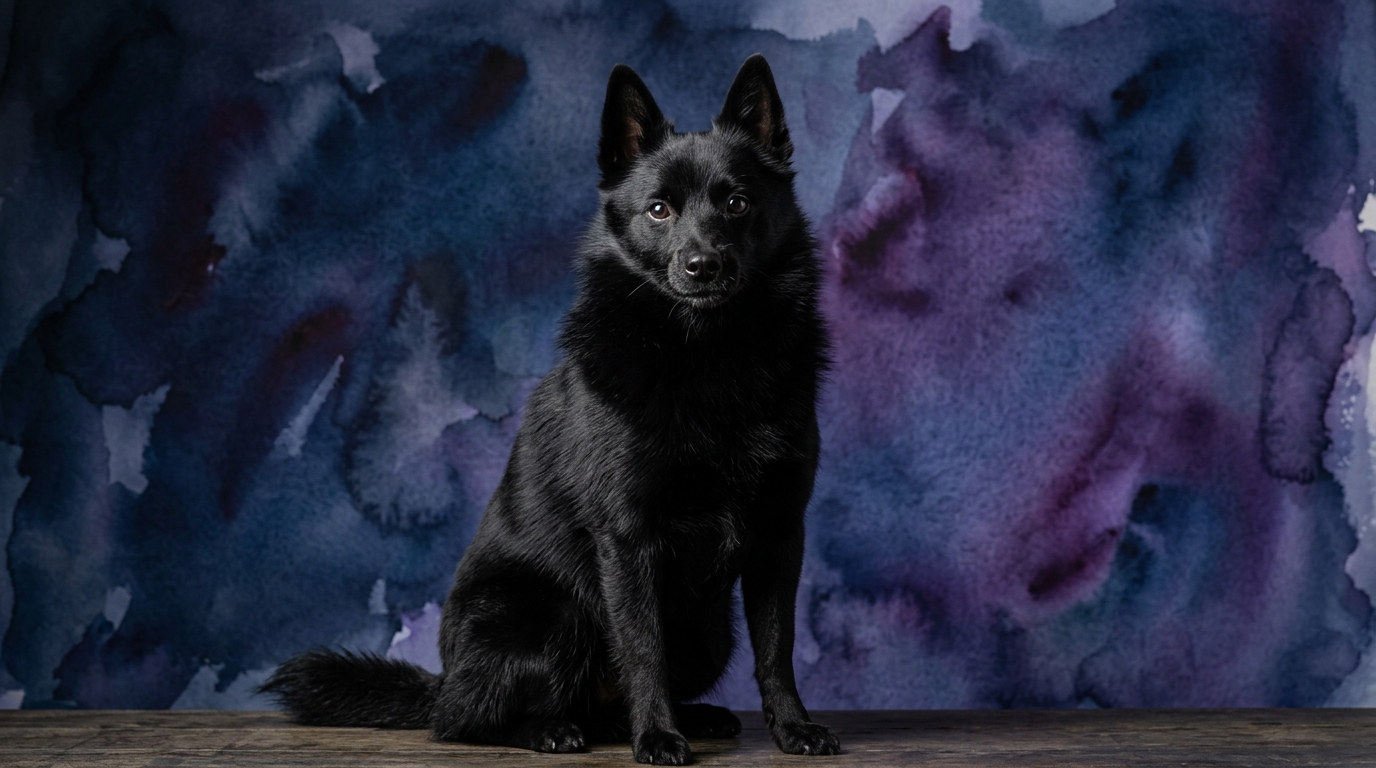
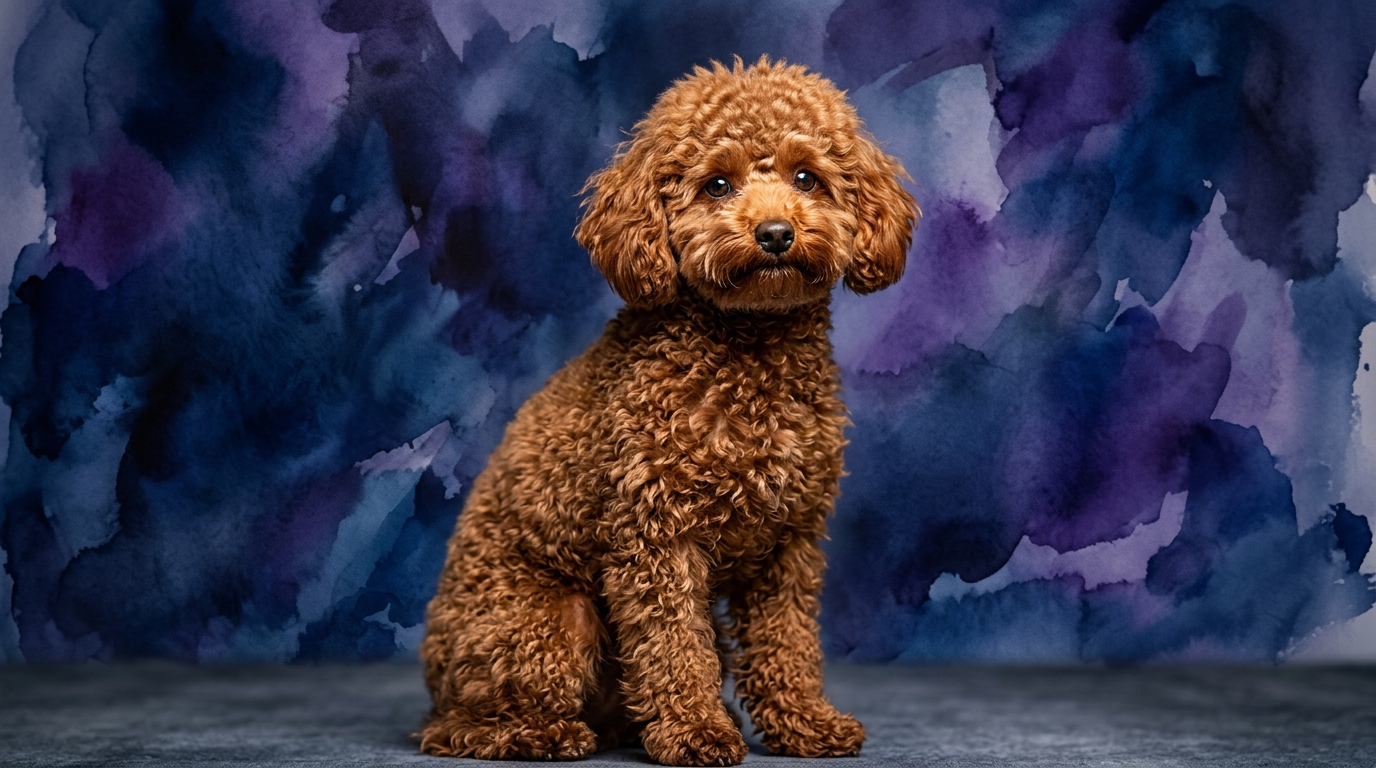
Side-by-Side IQ Profile: Schipperke vs. Toy Poodle
A deep dive into The Cosmic Pet Pet IQ Lab's metrics reveals a striking similarity in the core cognitive capabilities of the Schipperke and the Toy Poodle, yet their overall Coren ranks, #15 and #2 respectively, hint at fascinating nuances in the application of these skills.
Both breeds score a perfect 5 out of 5 in Problem Solving, indicating an exceptional capacity for navigating novel situations and devising effective solutions. Whether faced with a puzzle toy or a complex environmental challenge, their minds are wired to analyze, strategize, and overcome obstacles with remarkable ingenuity.
Their Training Speed also stands at an impressive 5 out of 5 for both, meaning both the Schipperke and Toy Poodle can rapidly grasp and retain new commands and behaviors. They process information quickly, forming strong associations between actions, cues, and consequences with minimal repetition, making them highly receptive to learning.
In Social Intelligence, both breeds register a moderate 3 out of 5. This suggests that while capable of forming strong bonds and interpreting basic human intentions, neither breed is exceptionally adept at deciphering subtle social cues or navigating intricate social hierarchies with the nuanced understanding seen in some other breeds. Their focus is more on individual interaction than complex group dynamics.
Their Instinctive Drive is also rated at 3 out of 5, placing both breeds in a balanced range. This indicates they possess sufficient internal motivation for engagement without being overwhelmingly driven by primal instincts like intense hunting, herding, or guarding. This moderate drive contributes to a more adaptable temperament, less prone to being governed by innate urges.
Finally, both the Schipperke and Toy Poodle boast a perfect 5 out of 5 in Memory. This outstanding recall ability underpins their rapid training speed and problem-solving prowess, allowing them to retain learned tasks, routines, and experiences over long periods, applying past solutions to present challenges with impressive consistency.
The seemingly contradictory Coren rankings, despite these identical IQ scores, underscore that cognitive capacity alone doesn't dictate practical trainability or perceived intelligence; rather, it’s the willingness and motivation to apply that intelligence cooperatively that often shapes a breed's overall reputation.
Where the Schipperke Excels Cognitively
The Schipperke's cognitive strengths shine particularly in scenarios demanding independent thought and self-directed problem-solving. While sharing a 5/5 Problem Solving score with the Toy Poodle, the Schipperke often applies this capacity with a distinct self-sufficiency. Originating as vigilant barge dogs, their historical role fostered a need for autonomous decision-making and a keen observational intellect to protect their territory and resolve issues without constant human direction.
This manifests as a resourceful cunning, where they might devise their own methods to achieve a goal, rather than strictly adhering to a human-prescribed sequence. Their 5/5 Memory also supports this, allowing them to recall past independent successes and apply those lessons to new challenges, making them adept at navigating their environment and outsmarting perceived obstacles on their own terms. This breed demonstrates a unique ability to leverage their rapid learning and problem-solving skills to act as a truly self-reliant companion, a cognitive edge for owners who value a dog with a strong, independent mind and appreciate a partner who thinks for themselves, even if it means bending the rules occasionally.
Where the Toy Poodle Excels Cognitively
Conversely, the Toy Poodle's cognitive superiority lies in their exceptional aptitude for cooperative learning and applying their mental prowess in close partnership with humans. Possessing identical 5/5 scores in Problem Solving and Training Speed, the Toy Poodle differentiates itself through an unparalleled eagerness to please and a profound focus on their handler. This inherent biddability elevates their raw cognitive capacity into highly consistent and responsive performance, explaining their impressive Coren ranking of #2.
Their strength lies not just in their ability to solve a problem, but in their unwavering desire to solve it *for* you, often anticipating commands and responding with precision. This translates into rapid mastery of complex obedience routines, agility courses, and even intricate tricks, where their outstanding memory (5/5) ensures long-term retention of these cooperative skills. The Toy Poodle's cognitive advantage is therefore rooted in their collaborative spirit, making them exceptionally rewarding for owners who seek a highly engaged and compliant canine partner capable of advanced shared tasks and who relish a true working partnership.
Training Dynamics: Schipperke vs. Toy Poodle
Despite both breeds scoring a perfect 5/5 in Training Speed, the Toy Poodle generally proves to be the easier breed to train, largely due to fundamental differences in their motivational drivers and approach to cooperation. The Toy Poodle's high Coren ranking of #2 is a direct reflection of their inherent biddability and strong desire to work in tandem with their human companions. They thrive on positive reinforcement and handler approval, making them highly responsive to cues and eager to repeat behaviors that earn praise or rewards. Their focus during training sessions is typically unwavering, allowing them to quickly absorb new information and consistently execute commands.
In contrast, while the Schipperke also boasts a 5/5 Training Speed, their Coren ranking of #15 indicates a more independent and sometimes self-willed nature. They are certainly capable of learning rapidly, but they require training methods that respect their autonomy and maintain their interest. A Schipperke might quickly understand a command but choose not to perform it if they perceive a more engaging alternative or if the reward isn't sufficiently compelling. Training a Schipperke often demands creativity, consistency, and a deep understanding of their independent spirit to harness their considerable cognitive abilities effectively. Therefore, for owners seeking a dog that readily embraces cooperative training and responds with consistent enthusiasm, the Toy Poodle presents a more straightforward path.
Matching Breeds to Lifestyles: Active vs. Relaxed Owners
When considering suitability for active versus relaxed owners, both the Schipperke and Toy Poodle, despite their compact sizes, possess significant cognitive needs that preclude them from being truly 'relaxed' companions in terms of mental engagement. With 5/5 Problem Solving and Memory scores, both breeds require consistent mental stimulation to prevent boredom and potential behavioral issues. A 'relaxed owner' in this context would still need to provide ample puzzle toys, training sessions, and interactive games.
However, their physical activity requirements do differ subtly. The Schipperke, originating as a working barge dog, often possesses a surprisingly robust and energetic demeanor for its size. They thrive on purposeful activity, enjoying brisk walks, exploring new environments, and engaging in activities that allow them to exercise their independent and vigilant nature. Their moderate instinctive drive (3/5) means they aren't driven by overwhelming urges, but they do appreciate having a 'job' or a sense of purpose. An active owner who enjoys hiking, consistent training for dog sports like agility or rally, or even just long, exploratory walks would find the Schipperke a willing, albeit sometimes opinionated, companion.
The Toy Poodle, while also energetic and capable in dog sports, often finds fulfillment in more handler-centric activities. Their focus is less on independent exploration and more on shared experiences. They are equally suited to active owners who enjoy rigorous training for obedience, agility, or performing tricks, as long as these activities are collaborative. For a more relaxed owner, the Toy Poodle's desire for companionship means they are content with indoor games, shorter but mentally stimulating walks, and cuddle time, provided their cognitive needs are met through regular training and puzzle-solving. The key distinction lies in the Schipperke's preference for self-directed activity versus the Toy Poodle's inclination towards shared, handler-guided engagement.
The Verdict
Choose the Schipperke if you appreciate an independent problem-solver with a self-willed spirit, capable of rapid learning but requiring creative motivation to engage their cognitive prowess on your terms.
Opt for the Toy Poodle if you seek a highly cooperative and eager-to-please companion, exceptionally adept at shared learning and consistently applying their formidable intelligence in a true partnership.
🧠 Find Your Pet's IQ Score
Our Pet IQ Lab assessment covers 25+ tests across 5 cognitive dimensions — personalized to your breed.
Take the Full IQ Test →Frequently Asked Questions
Is there a significant difference in the memory capabilities of Schipperkes and Toy Poodles?
No, according to The Cosmic Pet Pet IQ Lab, both Schipperkes and Toy Poodles score a perfect 5 out of 5 for memory. This indicates both breeds possess an outstanding ability to retain learned behaviors, commands, and past experiences over extended periods, contributing to their rapid training speeds.
Given their similar IQ scores, why is the Toy Poodle ranked so much higher by Coren than the Schipperke?
The Coren ranking primarily assesses 'obedience and working intelligence,' which heavily weighs a dog's willingness and consistency in obeying human commands. While both breeds have high problem-solving and training speed, the Toy Poodle's innate eagerness to please and handler focus translates into more consistent cooperative performance, whereas the Schipperke's independent nature can lead to less predictable obedience despite equal cognitive capacity.
Which breed, Schipperke or Toy Poodle, is more suited for a household with other pets?
Both breeds have a moderate social intelligence score of 3/5, suggesting they are generally capable of coexisting with other pets but may require careful introductions and socialization. The Toy Poodle's cooperative nature might make it slightly more adaptable to new companions, while the Schipperke's independent streak means it might prefer to establish its own space and boundaries.