Scottish Deerhound Cognitive Profile
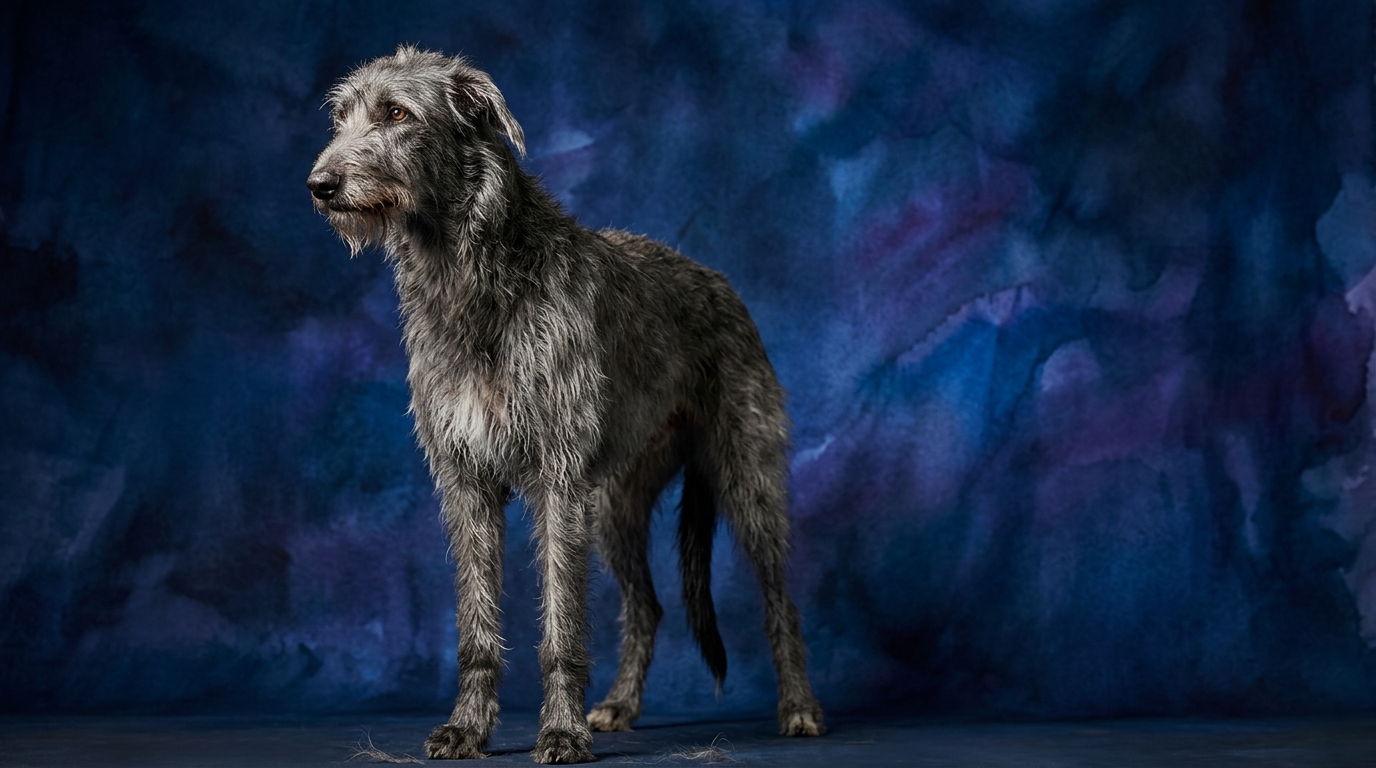
For the Scottish Deerhound, problem-solving (3/5) often manifests in dynamic, visual contexts. Their intelligence shines when evaluating a moving target's trajectory, navigating varied terrain during a chase, or finding the most efficient path to intercept. This isn't about intricate puzzles, but rather rapid, on-the-spot strategic thinking in pursuit scenarios, relying heavily on their keen eyesight and agility to overcome immediate obstacles.
Deerhounds possess the capacity to grasp new commands with reasonable training speed (3/5), often showing an understanding of what's asked. However, their independent sighthound nature means their willingness to execute a command can be highly dependent on environmental distractions, particularly the presence of movement. They respond best to positive reinforcement and gentle consistency, but their inherent desire to chase can momentarily override learned behaviors if not managed.
These gentle giants are typically reserved but form deep, sensitive bonds with their human families, showcasing their social intelligence (3/5). Their social awareness is often expressed through subtle cues and an intuitive understanding of household routines and emotional atmospheres. While not overtly demonstrative with strangers, they are perceptive of their family's moods and can offer quiet companionship, demonstrating an ability to navigate complex social dynamics within their established pack.
The Deerhound's instinctive drive (3/5) is profoundly rooted in their sighthound heritage – a powerful urge to pursue and course fast-moving objects. This drive is visual and immediate, compelling them to give chase with incredible speed and focus. While manageable with proper training and secure environments, this instinct remains a core part of their cognitive makeup, influencing their attention and motivation.
Deerhounds exhibit a good memory (3/5) for established routines, familiar people, and learned commands, especially those associated with positive experiences. They can recall specific locations and pathways, and their memory aids in navigating their home environment with ease. Their recall of visual cues and patterns is particularly strong, contributing to their ability to anticipate events.
Black and Tan Coonhound Cognitive Profile
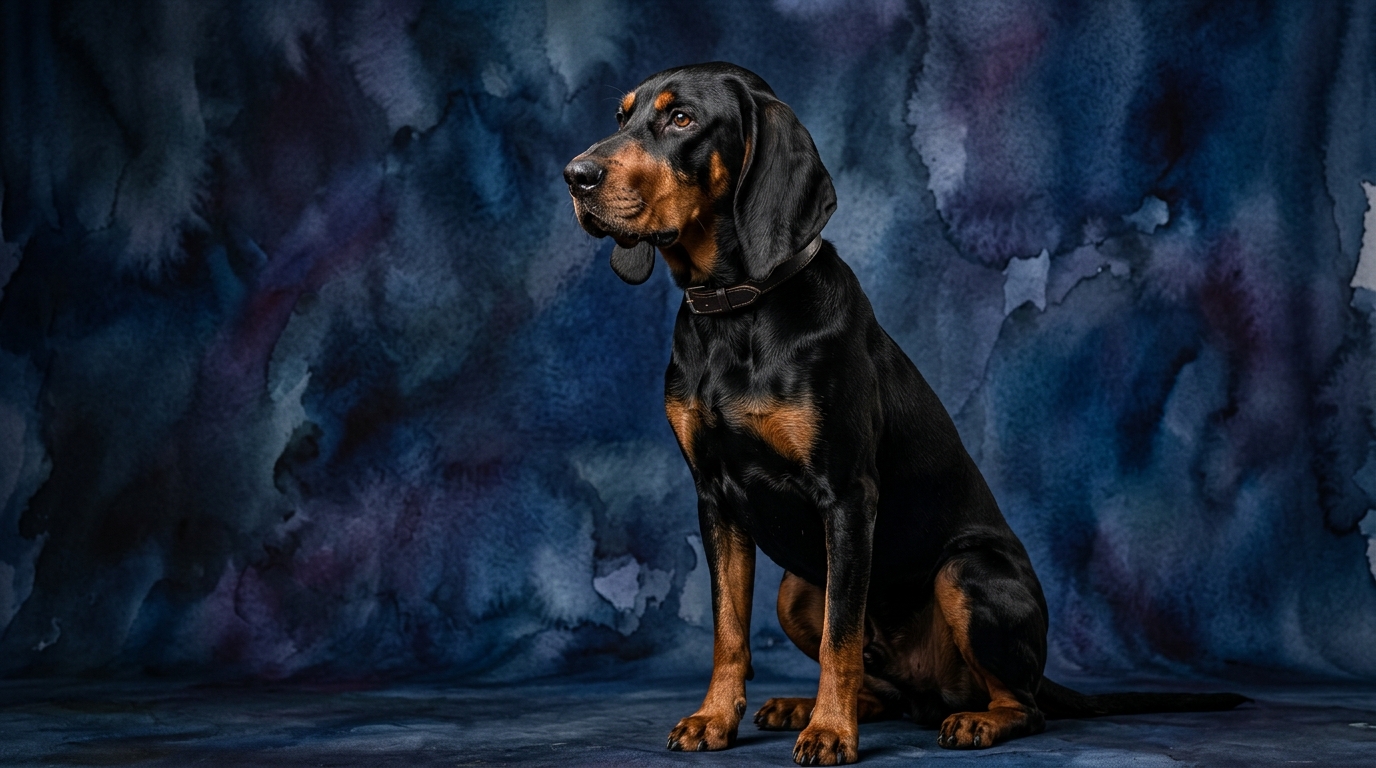
The Black and Tan Coonhound's problem-solving prowess (3/5) is deeply intertwined with their olfactory world. Their intelligence excels in deciphering complex scent trails, differentiating between fresh and old scents, and systematically working through environmental challenges to locate a hidden quarry. This involves persistent analysis of olfactory data, often requiring them to overcome physical barriers or distractions through methodical tracking rather than visual speed.
Coonhounds are capable learners, but their training speed (3/5) is often tempered by their powerful, all-consuming scent drive. While they can quickly understand commands, their focus can be significantly diverted by an interesting odor, making consistent obedience a challenge in stimulating environments. Training them requires immense patience, repetition, and highly motivating rewards to compete with the allure of a captivating scent trail.
Known for their amiable and often boisterous nature, Black and Tan Coonhounds typically possess robust social intelligence (3/5). They are often outgoing and friendly, adept at communicating their needs and desires, particularly through their characteristic vocalizations. Their social awareness extends to understanding pack dynamics, whether with human family members or other dogs, and they thrive on interaction and being an integrated part of their group.
The Coonhound's primary instinctive drive (3/5) is an unparalleled commitment to scent work. Once they pick up a trail, they are relentlessly driven to follow it to its conclusion, often to the exclusion of all else. This deep-seated instinct makes them exceptionally persistent and focused on their task, embodying the dedication required for sustained tracking over long distances and challenging terrains.
Coonhounds demonstrate a strong memory (3/5), particularly for scent patterns and the progress of a trail they are working. They recall specific locations associated with interesting smells and can remember learned commands and routines. Their memory for the intricate details of their olfactory experiences is a cornerstone of their tracking ability, allowing them to build a mental map of their environment through scent.
Where Scottish Deerhound Wins Cognitively
The Scottish Deerhound's cognitive strengths lean into their visual processing and rapid decision-making in open spaces. While both breeds score 3/5 in problem-solving, a Deerhound's 'win' often comes in scenarios demanding quick, adaptive responses to visual stimuli, such as navigating an agility course that emphasizes speed and precise turns, or reacting instantly to a lure coursing 'prey.' Their ability to synthesize visual information and execute a swift physical response gives them an edge in tasks requiring immediate, fluid adaptation based on sight.
Where Black and Tan Coonhound Wins Cognitively
Conversely, the Black and Tan Coonhound excels where sustained focus and intricate sensory analysis are paramount. Their 3/5 problem-solving score translates into a superior capacity for complex scent discrimination and following faint trails over varied terrain. A Coonhound's cognitive 'win' manifests in activities like tracking games or scent work competitions, where their meticulous, systematic approach to olfactory puzzles allows them to unravel mysteries that a visually-oriented breed might entirely overlook. Their persistence in breaking down a scent problem, despite distractions, is a distinct cognitive advantage.
Which Is Easier to Train and Why
Despite both breeds scoring 3/5 in training speed, the practical experience of training them differs significantly due to their primary instinctive drives. The Scottish Deerhound, while possessing an independent streak, can often be more responsive to verbal commands and visual cues in a controlled environment. Their sensitivity means they thrive on positive reinforcement and clear, calm communication, making them generally easier to shape for basic obedience if their prey drive is managed. The Black and Tan Coonhound, however, presents a unique challenge: their overwhelming scent drive can make them seem 'stubborn' or unresponsive. Training requires exceptional patience, high-value rewards, and a consistent effort to break through their olfactory tunnel vision. While both learn, the Coonhound demands a more dedicated and creative approach to override their deep-seated instinct to follow a scent, making them generally perceived as more challenging to train for off-leash reliability in stimulating environments.
Which Suits Active Owners vs. Relaxed Owners
For owners with an active lifestyle focused on outdoor adventures and space, both breeds offer companionship, but with different demands. An active owner who enjoys brisk walks, lure coursing, or having a dog that can keep pace with a run in a securely fenced area might find the Scottish Deerhound a fitting companion. Their need for bursts of speed and visual stimulation aligns with an owner who appreciates elegant athleticism. For more relaxed owners, a Deerhound can adapt to a calmer indoor life after their exercise needs are met, enjoying quiet companionship. The Black and Tan Coonhound, however, often requires a more consistently active owner who can fulfill their intense need for scent work and exploration. Their relentless drive means they thrive on long, sniffing walks, tracking games, or even participation in scent detection sports. A relaxed owner might find their persistent vocalizations and powerful urge to follow a scent overwhelming without sufficient mental and physical outlets.
The Verdict
Opt for the Scottish Deerhound if you appreciate a gentle, reserved companion who thrives on visual stimulation, requires bursts of athletic exercise in a secure area, and offers quieter companionship indoors.
Select the Black and Tan Coonhound if you are an active individual dedicated to fulfilling a powerful scent drive, enjoy engaging in tracking or scent work, and appreciate a boisterous, vocal companion.
🧠 Find Your Pet's IQ Score
Our Pet IQ Lab assessment covers 25+ tests across 5 cognitive dimensions — personalized to your breed.
Take the Full IQ Test →Frequently Asked Questions
Do Scottish Deerhounds and Black and Tan Coonhounds require different types of mental stimulation?
Yes, their mental stimulation needs diverge significantly. Deerhounds benefit from activities that engage their visual processing and quick reflexes, such as lure coursing or puzzle toys that involve manipulating objects. Coonhounds, conversely, are best stimulated by scent-based games, tracking exercises, and opportunities to methodically follow a trail, leveraging their powerful olfactory senses.
Are these breeds suitable for first-time dog owners given their intelligence scores?
While their 3/5 cognitive scores indicate capable learners, neither breed is typically recommended for novice owners without a strong commitment to understanding their specific needs. Both possess strong breed-specific instincts that require consistent management and training, which can be challenging for someone new to dog ownership.
How do their social intelligence scores (3/5) translate to living with other pets?
A 3/5 social intelligence score means both can adapt to multi-pet households, but with caveats. Deerhounds generally coexist well with other dogs, but their high prey drive means small, fast-moving pets like cats or rabbits might be viewed as quarry. Coonhounds are often amicable with other dogs, but their vocal nature and persistent scenting can sometimes disrupt quieter household dynamics.