Side-by-Side Cognitive Profiles
The Cosmic Pet Pet IQ Lab assesses canine intelligence across five key dimensions, each rated on a scale of 1 to 5. While both the Scottish Deerhound and the Chow Chow share identical scores of 3/5 across the board, the nature of their ancestral roles means these scores manifest in distinct and breed-specific ways.
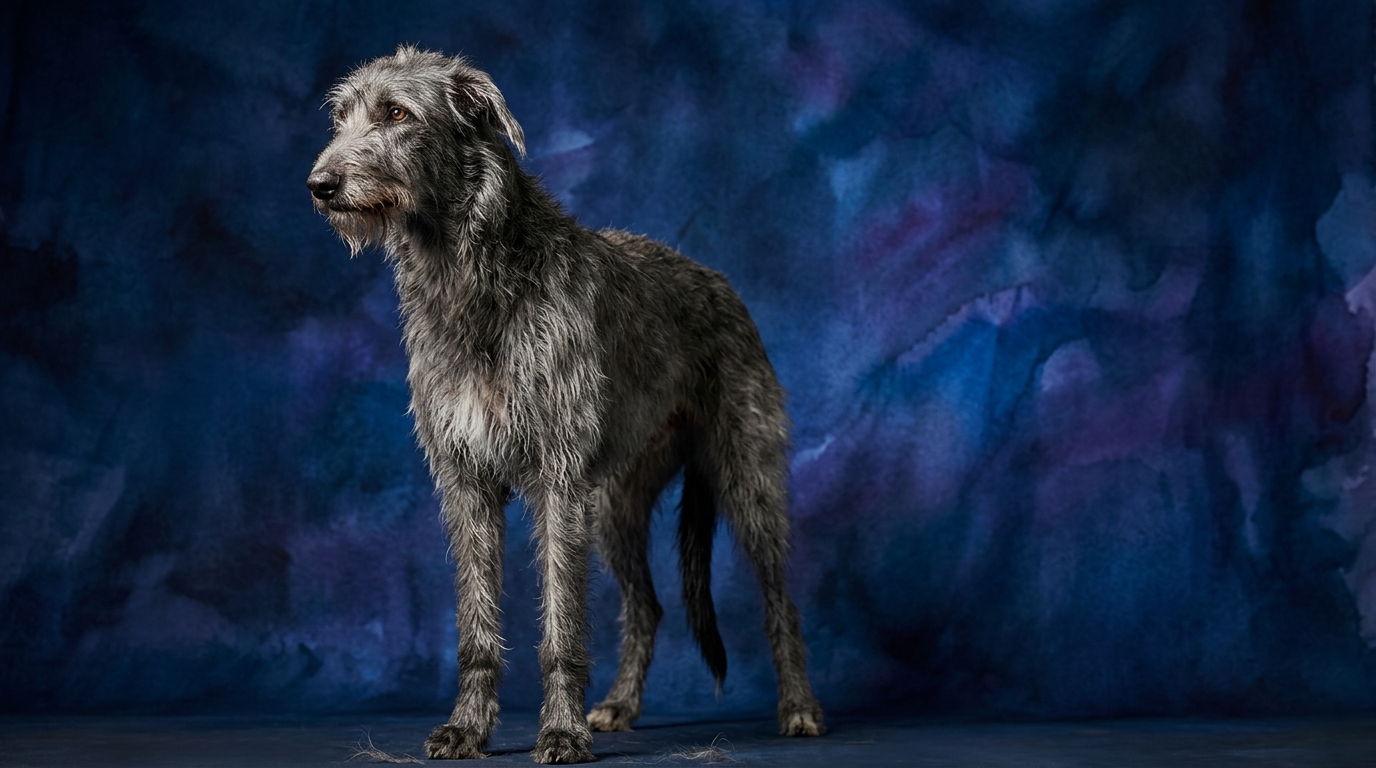
For the **Scottish Deerhound**, a majestic sight hound, their cognitive profile is deeply rooted in their history as deer hunters. Their **Problem Solving (3/5)** centers on tasks requiring endurance and strategic thinking in expansive outdoor environments, such as tracking and outmaneuvering prey. This isn't about solving intricate puzzles but rather about persistent, goal-oriented navigation and adaptation in the field. Their **Training Speed (3/5)** reflects a moderate learning curve, where consistency and clear motivation are crucial. While capable of learning commands, their independent hound nature means they might follow their nose over a direct instruction if a compelling scent arises. **Social Intelligence (3/5)** for a Deerhound involves forming strong, dignified bonds with their immediate family, understanding subtle cues, but often maintaining a reserved stance with strangers. They are keen observers of their human partners. Their **Instinctive Drive (3/5)** is primarily a powerful prey drive, compelling them to chase moving objects at high speeds, a core cognitive process influencing their focus and engagement. Finally, their **Memory (3/5)** is reliable for routines, learned commands, and the layout of familiar territories, particularly those associated with positive experiences or hunting patterns.
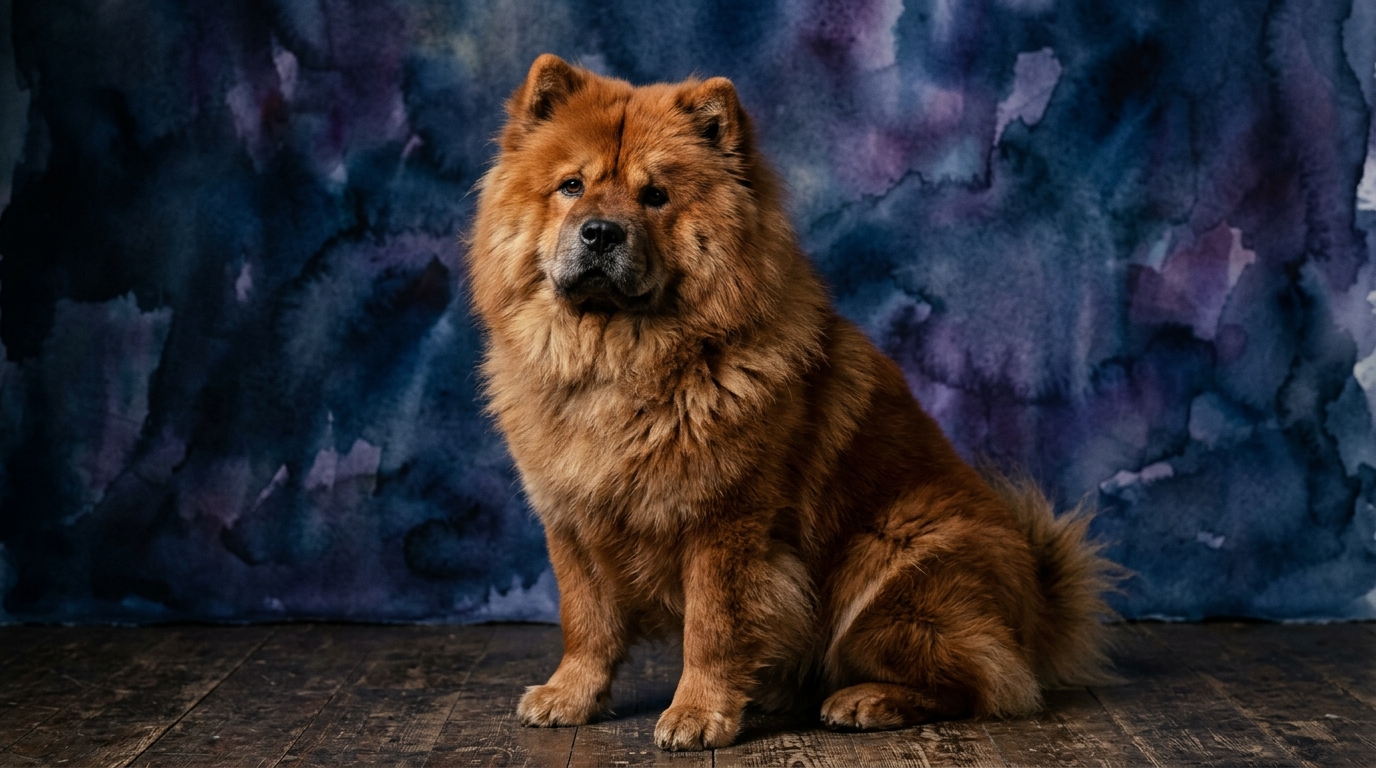
The **Chow Chow**, a robust and ancient breed from the Non-Sporting group, presents a different interpretation of the same cognitive scores. Their **Problem Solving (3/5)** is highly practical and often self-serving, focused on achieving comfort, efficiency, or protecting their resources. They might ingeniously figure out how to open a door or secure a prime napping spot, demonstrating an astute, rather than overtly complex, form of intelligence. Their **Training Speed (3/5)** is marked by a notable independence and strong will. While they learn commands, they often require significant patience, consistency, and a clear, respectful leadership from their human. They are not inherently eager to please and will evaluate the necessity or benefit of compliance. **Social Intelligence (3/5)** in a Chow Chow is characterized by profound loyalty to their chosen family, expressed subtly, and a discerning nature towards outsiders. They are excellent at reading their family's moods but are slow to trust new individuals. Their **Instinctive Drive (3/5)** is predominantly a strong guarding and protective instinct, stemming from their history as versatile working dogs, influencing their territoriality and cautious approach to the unfamiliar. Their **Memory (3/5)** is excellent for established rules, boundaries, and routines, as well as for remembering perceived injustices or those they trust implicitly.
Where the Scottish Deerhound Wins Cognitively
The Scottish Deerhound's cognitive strengths truly shine in environments that allow them to utilize their ancestral hunting abilities. Their problem-solving capacity excels in open, dynamic landscapes, where they must navigate complex terrain, interpret environmental cues like wind direction and scent trails, and maintain sustained mental focus during long pursuits. This isn't just physical endurance; it's a cognitive marathon of observation and decision-making. Their specific form of social intelligence allows them to work in a cooperative partnership during a task, even if they operate with a degree of independence, forming a silent understanding with their human companion. This keen awareness of their surroundings, combined with a memory for routes and past experiences, gives them an edge in activities requiring sustained attention to detail in a vast outdoor setting.
Where the Chow Chow Wins Cognitively
The Chow Chow's unique cognitive advantages lie in their discerning social intelligence and practical resourcefulness. They possess an exceptional ability to evaluate character and intent, particularly when encountering strangers, making them astute judges of situations within their perceived territory. Their problem-solving often manifests as finding efficient ways to ensure their own comfort or security, demonstrating a shrewd understanding of their immediate environment and how to manipulate it to their benefit. Furthermore, their memory for established boundaries and rules, coupled with a strong sense of self, means they are consistent in their expectations and can hold a 'grudge' if they perceive unfairness. This combination of independent decision-making and acute observational skills makes them formidable guardians and self-sufficient companions.
Which is Easier to Train and Why
Despite both breeds scoring 3/5 in training speed, the 'ease' of training them differs significantly due to their underlying temperaments. The Scottish Deerhound, while independent, often views training as a collaborative activity, especially if it involves engaging their senses or providing a clear, rewarding outcome. Their independence tends to manifest as distractibility, particularly by scents or movement, rather than outright defiance. A patient owner using positive reinforcement and engaging methods can achieve good results, as the Deerhound is generally willing to partner in a task once motivated.
The Chow Chow, conversely, brings a strong-willed and self-determined nature to the training arena. Their independence is not merely distraction; it's a deliberate evaluation of whether a command aligns with their current desires or perceived self-interest. They are not driven by an inherent desire to please and will only comply if they respect the trainer and understand the purpose of the command. Training a Chow Chow requires immense patience, consistency, and a firm but gentle hand that establishes clear boundaries and leadership without resorting to harshness. While both require dedication, a novice owner might find the Chow Chow's steadfast autonomy more challenging to navigate than the Deerhound's environmental distractions.
Which Suits Active Owners vs. Relaxed Owners
When considering lifestyle compatibility, the divergence between these two breeds becomes particularly clear. The Scottish Deerhound is unequivocally suited for active owners. They are large, athletic dogs bred for stamina and speed, requiring substantial daily exercise to maintain both physical and mental well-being. This includes opportunities for long, brisk walks, secure off-leash running in a fenced area, or engaging in activities like lure coursing. Owners who enjoy hiking, jogging, or simply spending significant time outdoors will find a Deerhound a rewarding, albeit demanding, companion. Their cognitive engagement is often intertwined with physical activity and exploration.
The Chow Chow, on the other hand, is generally better suited for more relaxed owners. While they do require moderate daily exercise – a leisurely walk or two – they are not built for high-intensity or prolonged physical exertion. They are often content to lounge, observe their surroundings, and enjoy a predictable, calm indoor environment. Their mental stimulation comes more from routine, discerning interactions, and overseeing their domain rather than vigorous physical challenges. Owners who appreciate a quiet, dignified, and somewhat independent companion who doesn't demand constant activity will find the Chow Chow a suitable match, provided they can offer consistent, respectful leadership.
The Verdict
Choose the Scottish Deerhound if you are an active individual or family seeking a graceful, independent, and athletic companion who thrives on outdoor adventures and partnership in structured activities.
Opt for the Chow Chow if you appreciate a dignified, discerning, and loyal companion who prefers a calmer lifestyle, values routine, and respects a patient, consistent leader.
🧠 Find Your Pet's IQ Score
Our Pet IQ Lab assessment covers 25+ tests across 5 cognitive dimensions — personalized to your breed.
Take the Full IQ Test →Frequently Asked Questions
Are Scottish Deerhounds suitable for apartment living?
Due to their large size and significant exercise requirements, Scottish Deerhounds are generally not suitable for apartment living. They need ample space, ideally a large, securely fenced yard, to run and stretch their long legs daily to prevent boredom and destructive behaviors.
Do Chow Chows typically get along with other pets?
Chow Chows can be selective about other pets. Their strong guarding instincts and independent nature mean they often prefer to be the only dog or require careful, early socialization with other animals. Introductions should always be supervised and gradual.
What is the main challenge in training a Chow Chow?
The primary challenge in training a Chow Chow is their inherent independence and strong will. They are not typically eager to please, requiring a patient, consistent trainer who can establish clear boundaries and earn their respect, rather than expecting blind obedience.