Side-by-Side Cognitive Profiles
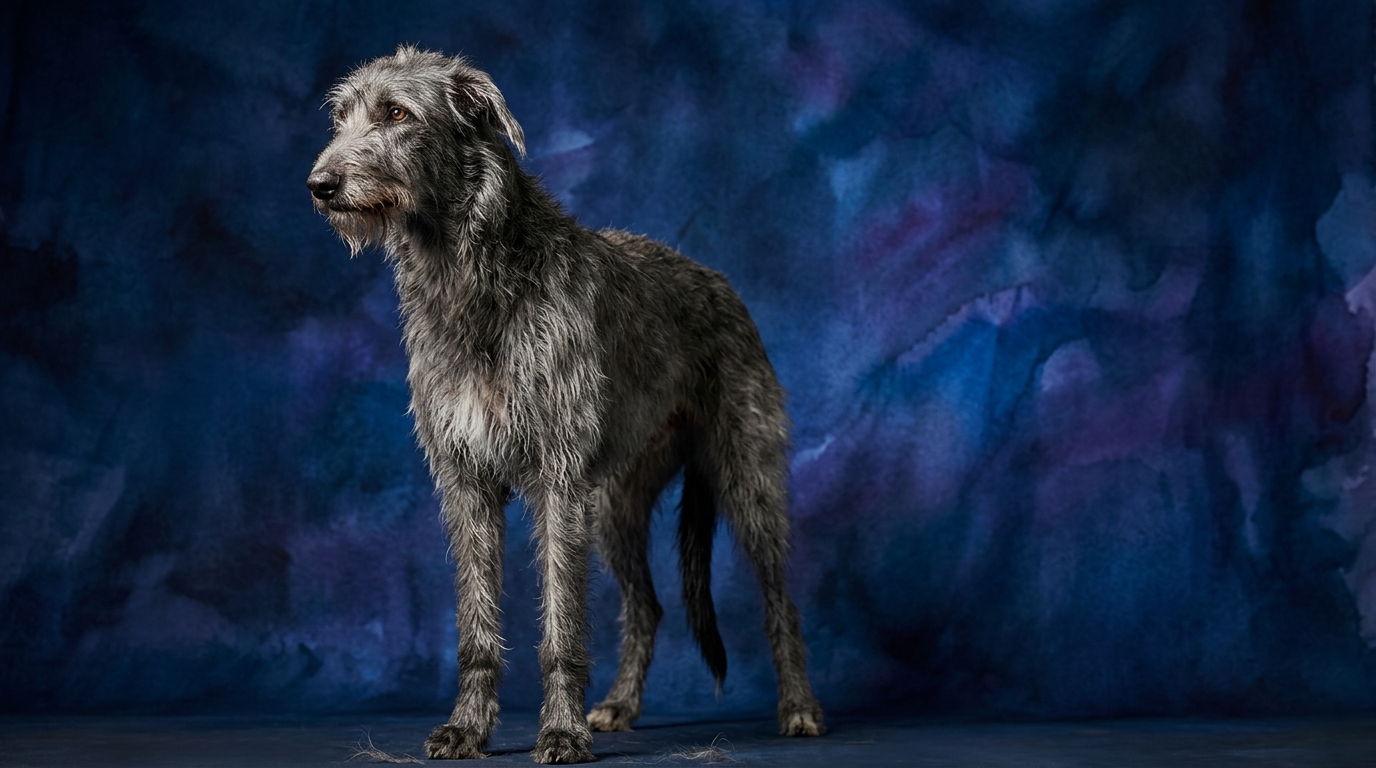
**Scottish Deerhound (Hound)**
**Problem Solving (3/5):** This score reflects the Deerhound's capacity for rapid, independent decision-making during a chase. Bred to hunt large, swift prey like deer over varied terrain, they assess situations, choose the best path, and strategize to outmaneuver game, relying on keen sight and speed without constant human direction. Their problem-solving is reactive and visually driven, requiring quick assessment of a dynamic environment.
**Training Speed (3/5):** While capable of learning at a moderate pace, their sighthound nature means they often prioritize visual stimuli over human commands, especially outdoors. This 3/5 indicates they can grasp concepts and commands, but consistent, engaging, and highly rewarding positive reinforcement is crucial to maintain their attention from wandering towards perceived "prey" or distant movement.
**Social Intelligence (3/5):** Known as "gentle giants," their social intelligence manifests as a calm, affectionate demeanor with their family unit. They are generally sensitive to human moods and capable of forming deep, quiet bonds, often displaying an intuitive understanding of household dynamics. Their interactions with strangers tend to be reserved and polite rather than overtly boisterous.
**Instinctive Drive (3/5):** The Deerhound's powerful prey drive is central to their being. This 3/5 represents an intense urge to chase and pursue anything that moves quickly, a drive honed over centuries of hunting deer. This instinct is ever-present and requires careful management, as their focus can be completely consumed by a visual trigger, overriding other considerations.
**Memory (3/5):** A 3/5 memory suggests they retain learned behaviors, routines, and experiences well. They remember training cues, familiar routes, and the location of favored resting spots with good retention. However, their memory of a fleeting visual stimulus (like a rabbit) can instantaneously trigger their potent instinctive drive, occasionally overriding recently learned obedience.
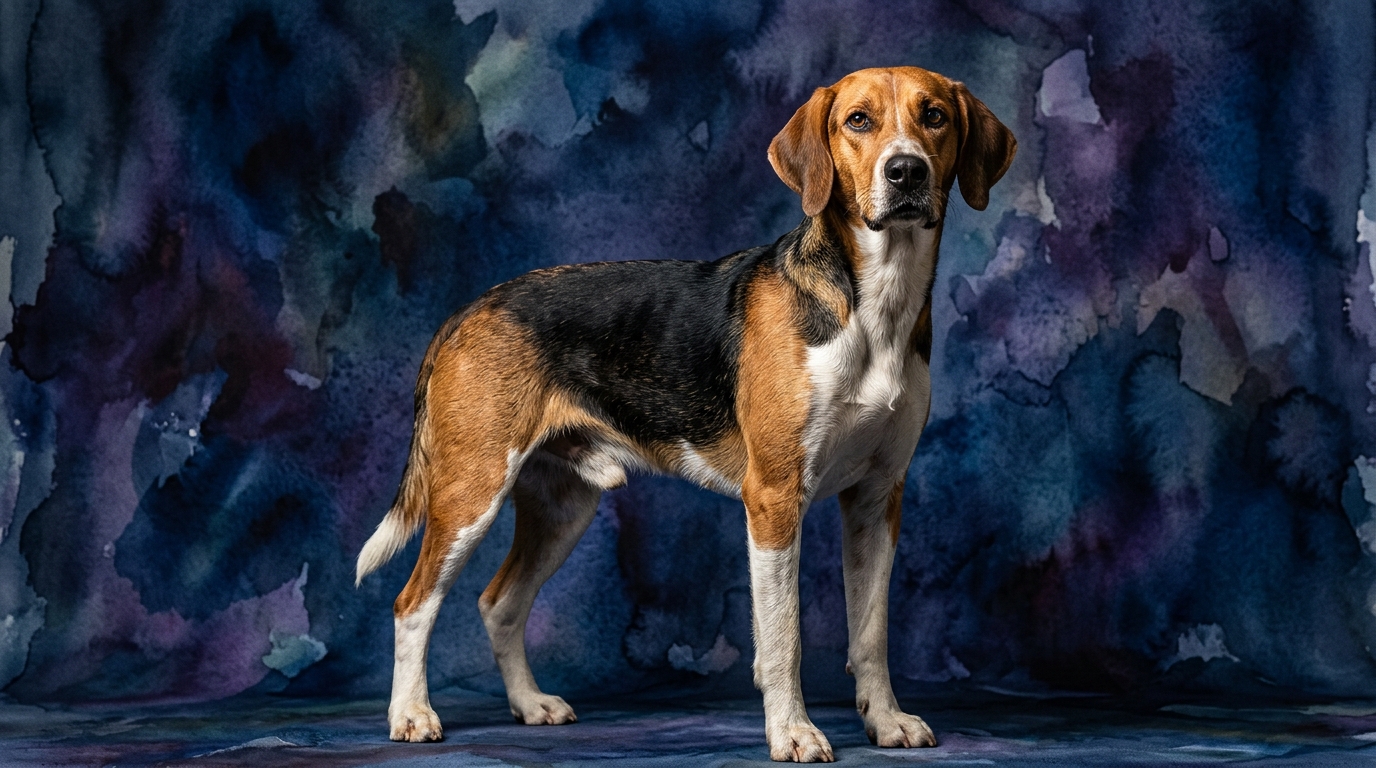
**English Foxhound (Hound)**
**Problem Solving (3/5):** Developed for sustained, cooperative pack hunting, following a scent trail for hours, the Foxhound's 3/5 problem-solving revolves around navigating complex scent puzzles. This includes working as a unit to unravel intricate trails and maintaining singular focus despite environmental distractions. Their problem-solving is methodical, persistent, and primarily olfactory, requiring endurance and precision.
**Training Speed (3/5):** Like many hounds, their strong independent streak and overwhelming scent drive can make training a patient endeavor. This 3/5 means they are perfectly capable of learning, but their primary motivation is often the scent world itself. Consistency and making training feel like a "game" or a "hunt" for rewards can be effective, but their focus is easily diverted by a captivating smell.
**Social Intelligence (3/5):** As a pack animal, their social intelligence is largely geared towards interaction within a canine group, demonstrating clear communication and cooperation with other dogs. With humans, they are often friendly but can be more independent or aloof than some breeds, valuing their work over constant cuddles. They understand human cues but might prioritize their nose.
**Instinctive Drive (3/5):** The English Foxhound's instinctive drive is overwhelmingly centered on scent. This 3/5 indicates an almost insatiable urge to follow a trail once detected, a drive that can completely override other stimuli or commands. Their endurance and unwavering focus on scent are legendary, making them tireless pursuit machines in their element.
**Memory (3/5):** Their memory of scent patterns and successful hunting strategies is exceptionally strong, contributing significantly to their effectiveness in the field. A 3/5 memory means they recall training, routines, and familiar people. They are adept at remembering where a scent was last strong or the general direction of a trail they've been working on, crucial for their hunting role.
Where the Scottish Deerhound Wins Cognitively
Despite identical scores, the Deerhound's historical role as an independent sighthound for large prey suggests superior individual strategic planning in open, varied environments. Their sighthound nature implies a quicker assessment of visual cues and a more immediate, reactive decision-making process when engaging with a moving target. Their inherent sensitivity might also give them an edge in interpreting subtle human emotional states, fostering a deeper, more nuanced human-canine bond based on mutual understanding rather than pure task-orientation.
Where the English Foxhound Wins Cognitively
The Foxhound's strength lies in sustained, focused cognitive endurance and cooperative problem-solving within a group. Their relentless dedication to a scent trail, ignoring distractions for hours, showcases an unmatched mental stamina and singular focus on a specific, abstract task. Furthermore, their centuries of pack work have honed their ability to communicate and coordinate effectively with other dogs, demonstrating a specialized form of social intelligence geared towards collective effort rather than individual human-centric bonding.
Which is Easier to Train and Why
Neither breed is typically considered "easy" in the traditional sense, given their strong hound instincts, but their challenges differ significantly. The Scottish Deerhound, while possessing a sighthound's independent streak and powerful prey drive, often responds well to gentle, consistent, and reward-based training due to their inherent sensitivity and desire to please their primary human companion. Their 3/5 training speed is hampered more by visual distraction than outright defiance; if you can capture their attention with high-value rewards, they learn readily and appreciate positive interactions.
The English Foxhound, conversely, presents a different training puzzle. Their 3/5 training speed is heavily influenced by their all-consuming scent drive. Once a captivating smell registers, their focus on human commands can vanish entirely, making recall and off-leash work particularly demanding. Training a Foxhound requires immense patience, understanding their olfactory world, and finding ways to make training more compelling than the most interesting scent. While capable learners, their motivation is often external (the scent) rather than internal (pleasing the owner), making them less pliable for diverse commands that don't align with their primal drive.
Which Suits Active Owners vs. Relaxed Owners
The Scottish Deerhound can be a surprising fit for a relaxed owner, provided their specific exercise needs are met. Indoors, they are typically calm, quiet, and content to lounge, earning them the moniker "velvet couch potato." However, this serene domesticity belies a profound need for intense, short bursts of high-speed running in a safe, enclosed area to satisfy their sighthound instincts. An owner who appreciates a tranquil home environment but is committed to providing regular, vigorous outdoor sprints will find a harmonious balance with a Deerhound.
The English Foxhound, by contrast, demands a truly active owner who can fulfill their profound need for sustained physical and mental engagement. Their historical role as a tireless pack hunter means they require extensive daily exercise, often several hours, and thrive on having a "job" to do, such as scent work, long hikes, or participation in canine sports that channel their drive. They are not content with short walks around the block; their endurance and drive are far too great. A relaxed owner would quickly find themselves overwhelmed by an under-exercised, potentially destructive Foxhound searching for its own mental and physical outlets.
The Verdict
Opt for the Scottish Deerhound if you seek a gentle, sensitive companion who will be a calm presence indoors, yet can explode into magnificent bursts of speed outdoors, and you appreciate a dog with independent decision-making capacity.
Select the English Foxhound if you are an incredibly active individual or family, passionate about outdoor adventures, and prepared to channel a relentless scent drive into structured activity and cooperative endeavors.
🧠 Find Your Pet's IQ Score
Our Pet IQ Lab assessment covers 25+ tests across 5 cognitive dimensions — personalized to your breed.
Take the Full IQ Test →Frequently Asked Questions
Do Scottish Deerhounds and English Foxhounds have similar temperaments despite their identical IQ scores?
While both are hounds, their temperaments diverge significantly due to their specific historical roles. Deerhounds are generally more sensitive, reserved, and affectionate with family, whereas Foxhounds, bred for pack work, tend to be more independent, robust, and driven by scent, often displaying a more aloof demeanor.
How do their 'problem-solving' skills manifest differently with the same 3/5 rating?
A Deerhound's 3/5 problem-solving typically involves individual, visual-based strategy for pursuit over varied terrain, making quick, independent decisions. A Foxhound's 3/5 problem-solving centers on persistent, cooperative scent-tracking, methodically unraveling complex trails as part of a group, demonstrating sustained focus on an abstract challenge.
Is it true that both breeds are hard to train because they are hounds?
'Hard to train' is an oversimplification; both breeds are capable learners but require specific approaches due to their strong instincts. Deerhounds respond well to positive, gentle methods if their attention can be held, while Foxhounds demand immense patience to overcome their overwhelming scent drive, which often takes precedence over human commands.