Side-by-Side IQ Profile: Deerhound vs. Finnish Spitz
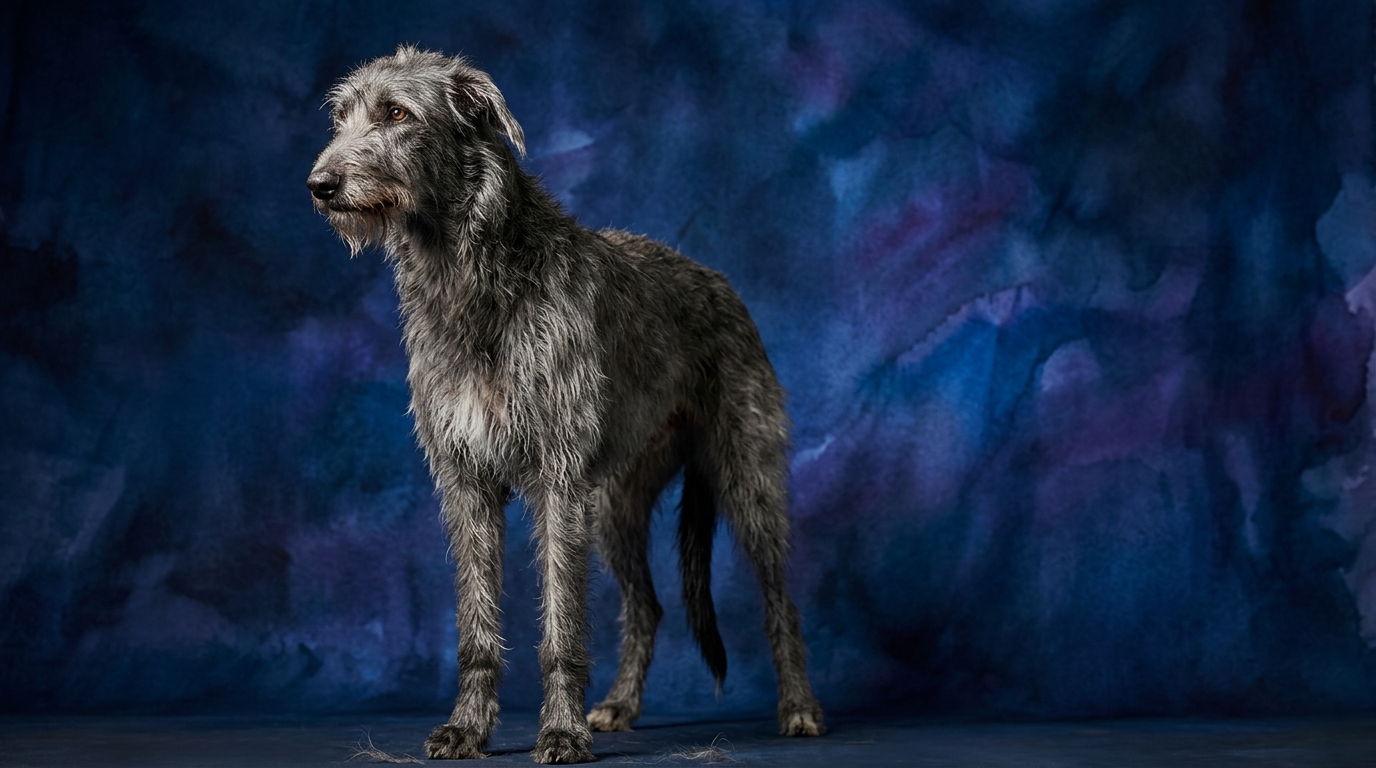
The Scottish Deerhound, an ancient coursing hound, exhibits a Problem Solving score of 3/5. This suggests an aptitude for practical problem-solving, particularly those related to pursuit and navigating complex terrain. They might excel at finding the most efficient path to a distant object or strategizing how to outmaneuver prey, relying on observation and swift decision-making rather than intricate puzzle-solving. Their Training Speed, also at 3/5, indicates they are capable learners, absorbing commands and routines with consistent, patient instruction. However, their independent sighthound nature means they often require compelling motivation and may not be driven by a strong desire to please, preferring to assess the utility of a command. Social Intelligence at 3/5 reflects a generally gentle and affectionate disposition towards their family, yet they can be reserved with strangers, interpreting social cues within their established pack but not necessarily seeking extensive social interaction beyond it. The Instinctive Drive score of 3/5 is deeply rooted in their sighthound heritage; this manifests as a strong, innate urge to chase and capture, requiring careful management in environments with small animals. Finally, their Memory, also 3/5, allows them to retain a vast mental map of their territory, recall specific individuals, and remember learned routines, though perhaps not with the precision of a breed built for complex, multi-stage tasks.
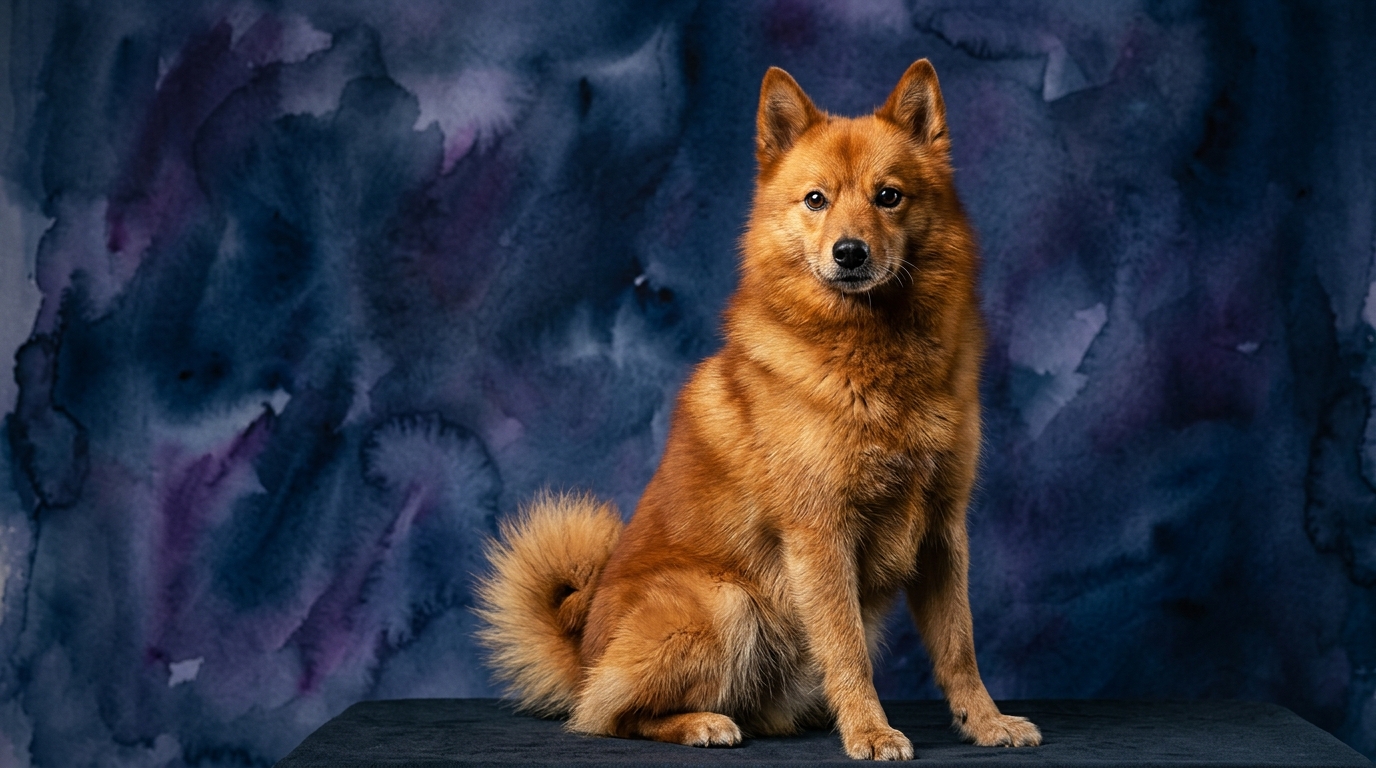
The Finnish Spitz, a lively hunting dog originating from Scandinavia, also scores 3/5 in Problem Solving. For this breed, problem-solving often revolves around their primary historical role: locating and signaling game. They might demonstrate cleverness in pinpointing the source of a sound or figuring out how to get attention, using their environment to their advantage. Their Training Speed, scoring 3/5, means they are receptive to learning, particularly when tasks align with their natural instincts or are presented in an engaging, positive manner. However, like many spitz breeds, they possess an independent streak and can be selective in their obedience if they don't see the immediate benefit. A Social Intelligence of 3/5 indicates they are typically friendly and alert, forming strong bonds with their families and understanding household dynamics, though they can be wary of newcomers and quick to vocalize their observations. Their Instinctive Drive, also 3/5, is powerfully expressed through their vocalizations and bird-hunting prowess; they possess a deep-seated urge to bark at perceived threats or indicate the presence of game, a defining characteristic of the breed. Their Memory, at 3/5, enables them to remember specific locations where game was found, recall family members, and master the routines of their daily lives, demonstrating a reliable capacity for recall relevant to their daily existence.
Where the Scottish Deerhound Wins Cognitively
While both breeds hold similar scores, the Scottish Deerhound's cognitive strengths lean towards independent, large-scale spatial reasoning and rapid, intuitive decision-making in open environments. Their 3/5 Problem Solving manifests as an exceptional ability to assess vast distances and potential obstacles during a chase, making split-second judgments on trajectory and speed. This is less about intricate puzzle-solving and more about dynamic, real-time environmental navigation. Their memory, also 3/5, particularly shines in recalling complex outdoor landscapes, remembering scent trails, and identifying the most efficient routes through varied terrain, a direct reflection of their sighthound lineage. This cognitive edge makes them remarkably adept at tasks requiring sustained focus on a distant target and quick, adaptive physical responses.
Where the Finnish Spitz Wins Cognitively
The Finnish Spitz, conversely, demonstrates a cognitive advantage in auditory discrimination, alert vocalization, and localized environmental awareness. Their 3/5 Problem Solving often involves figuring out how to effectively communicate an observation, whether through a distinctive bark or by drawing attention to a specific spot. This is a targeted, communicative form of intelligence. Their Instinctive Drive, also 3/5, is channelled into a highly refined ability to detect subtle changes in their surroundings, particularly auditory ones, and to respond with precise, characteristic vocalizations. Their social intelligence, while rated 3/5, often includes a heightened awareness of household dynamics and a proactive approach to alerting their family to anything unusual, making them excellent, if sometimes noisy, guardians of their immediate environment. They excel at 'reading' their immediate surroundings and reacting with purpose.
Which Is Easier to Train and Why
When considering ease of training, despite both breeds scoring 3/5 in Training Speed, their behavioral nuances create distinct experiences. The Scottish Deerhound, with its deep-seated sighthound independence, can be more challenging for owners seeking unwavering obedience. They learn quickly but may choose to comply only if they perceive the command as worthwhile or if the reward is highly enticing. Their primary drive is often self-directed pursuit, meaning recall can be difficult to solidify in stimulating environments. Training a Deerhound requires immense patience, positive reinforcement, and a deep understanding of their independent spirit, focusing on building a partnership rather than enforcing strict hierarchy. They are not prone to repetitive drilling and will often offer a 'why?' before a 'how?'.
The Finnish Spitz, while also possessing an independent streak typical of spitz breeds, can be perceived as slightly more amenable to training for owners who understand their motivations. Their 3/5 Training Speed benefits from their desire to be involved with their family and their natural inclination to communicate. They respond very well to positive reinforcement, especially when training taps into their natural instincts, such as scent work or 'find it' games, or when it addresses their need for mental engagement. However, their strong instinctive drive for vocalization means training to manage barking can be a significant undertaking. While they may not be as 'biddable' as some working breeds, their eagerness to engage and their responsive nature can make them feel more cooperative in a home setting, provided training is kept fun and varied.
Which Suits Active Owners vs. Relaxed Owners
For active owners, the Scottish Deerhound presents an excellent companion for those who enjoy long, vigorous walks or gentle jogs in secure, open spaces. While they possess a tremendous burst of speed, their energy often comes in spurts, followed by periods of lounging. An active owner for a Deerhound isn't necessarily a marathon runner, but someone who appreciates their need for regular, expansive exercise and understands their independent exploration. They are not typically suited for highly structured canine sports that require constant, precise obedience, but thrive in activities like lure coursing that tap into their innate drives. Their relaxed demeanor indoors makes them a calm presence, provided their outdoor exercise needs are met. Owners who value quiet companionship after a good run will appreciate the Deerhound's balance.
The Finnish Spitz, on the other hand, suits an owner who is actively engaged with their dog's mental and physical stimulation on a daily basis, but perhaps not in the same 'long distance' way as a Deerhound. Their energy level is consistent and requires regular outlets for both mind and body. They thrive on interactive play, puzzle toys, and training sessions that challenge their problem-solving and communication skills. An active owner for a Finnish Spitz might enjoy hiking, agility, or obedience, where the focus is on engagement and working together. They are not dogs content to be left alone for extended periods without interaction, and their vocal nature means they require an owner who appreciates and can manage their communicative tendencies. They suit owners who enjoy a 'busy' dog presence and are prepared for a lively, interactive companion.
The Verdict: When to Choose Each
Choosing between these two distinct breeds hinges on the specific activities you envision sharing and the subtle cognitive traits you value most. Both are intelligent in their own right, but their intelligence is specialized.
If your lifestyle involves expansive outdoor adventures, an appreciation for graceful independence, and a calm, reserved companion indoors, the Scottish Deerhound could be an ideal match. They thrive with owners who understand their need for bursts of freedom and can respect their thoughtful, somewhat aloof nature. If you seek a vocal, highly interactive companion who will alert you to every rustle and engage enthusiastically in problem-solving games, the Finnish Spitz might be the perfect fit. They suit owners who appreciate a dog with a strong personality, a constant presence, and a desire to communicate their observations.
The Verdict
Choose the Scottish Deerhound if you value a calm, independent companion with bursts of athletic energy and an aptitude for navigating open spaces, appreciating their quiet companionship after a good run.
Opt for the Finnish Spitz if you seek a lively, communicative dog eager to engage in mental challenges and alert you to their surroundings, thriving on consistent interaction and varied activities.
🧠 Find Your Pet's IQ Score
Our Pet IQ Lab assessment covers 25+ tests across 5 cognitive dimensions — personalized to your breed.
Take the Full IQ Test →Frequently Asked Questions
Are Scottish Deerhounds good at problem-solving?
Scottish Deerhounds score 3/5 in problem-solving, which means they are competent at practical, dynamic challenges, especially those related to navigating terrain and strategizing during pursuit. They excel at real-time environmental assessment rather than intricate puzzles, reflecting their sighthound heritage.
Is the Finnish Spitz easy to train?
The Finnish Spitz scores 3/5 in training speed, indicating they are capable learners but possess an independent spirit. They respond well to positive, engaging training methods that tap into their natural instincts, but their strong vocal drive may require dedicated training to manage barking.
How do their social intelligence levels compare?
Both breeds score 3/5 in social intelligence, but this manifests differently. Deerhounds are generally gentle and affectionate with family but reserved with strangers, while Finnish Spitz are friendly and alert within their family unit, often more vocal in expressing their social observations or concerns about newcomers.