Side-by-Side IQ Profile: Understanding Identical Scores
At first glance, the Pet IQ Lab scores for both the Scottish Deerhound and the German Pinscher appear identical: 3/5 across problem solving, training speed, social intelligence, instinctive drive, and memory. However, these scores are not simply interchangeable; they represent a 'medium' capacity that is profoundly shaped by each breed's unique heritage and physiological design. Understanding this nuance is key to appreciating their distinct cognitive landscapes.
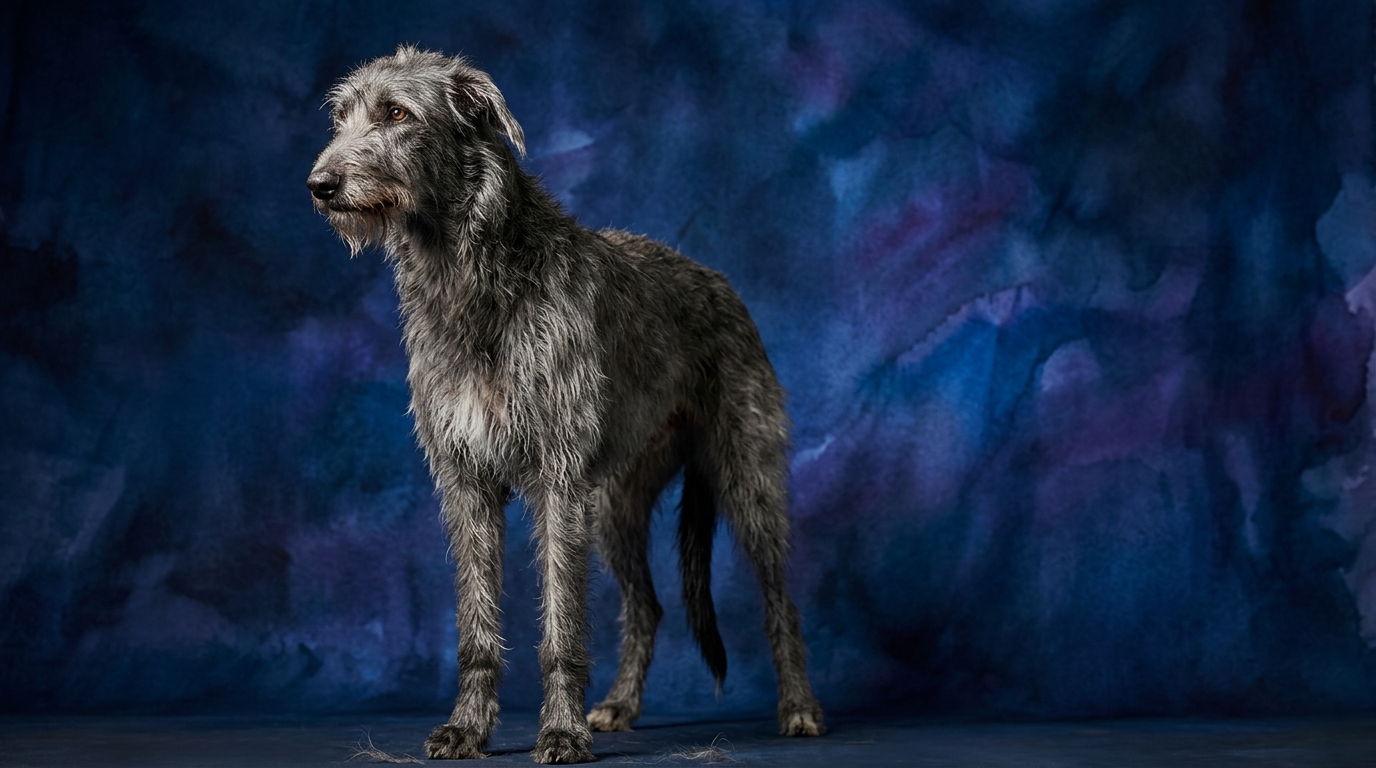
For the **Scottish Deerhound**, a majestic sighthound bred to chase and bring down large game, a Problem Solving score of 3/5 manifests as an independent ability to strategize during a pursuit. This isn't about solving complex puzzles, but rather about intuitively navigating terrain, anticipating prey movements, or finding the most efficient path during a high-speed chase. Their Training Speed of 3/5 reflects a capacity to learn commands, but often with a distinct 'what's in it for me?' attitude; while capable, their strong prey drive can make them selectively attentive. Social Intelligence at 3/5 indicates a gentle and generally polite disposition, often reserved with strangers but deeply affectionate with their inner circle, understanding pack dynamics without being overly eager to please. Their Instinctive Drive of 3/5 is powerfully expressed in their visual hunting prowess and an almost magnetic pull towards moving objects. Finally, a Memory score of 3/5 means they retain routines and learned behaviors effectively, especially those tied to pleasurable activities or successful hunts, and they will certainly remember where the best napping spots are.
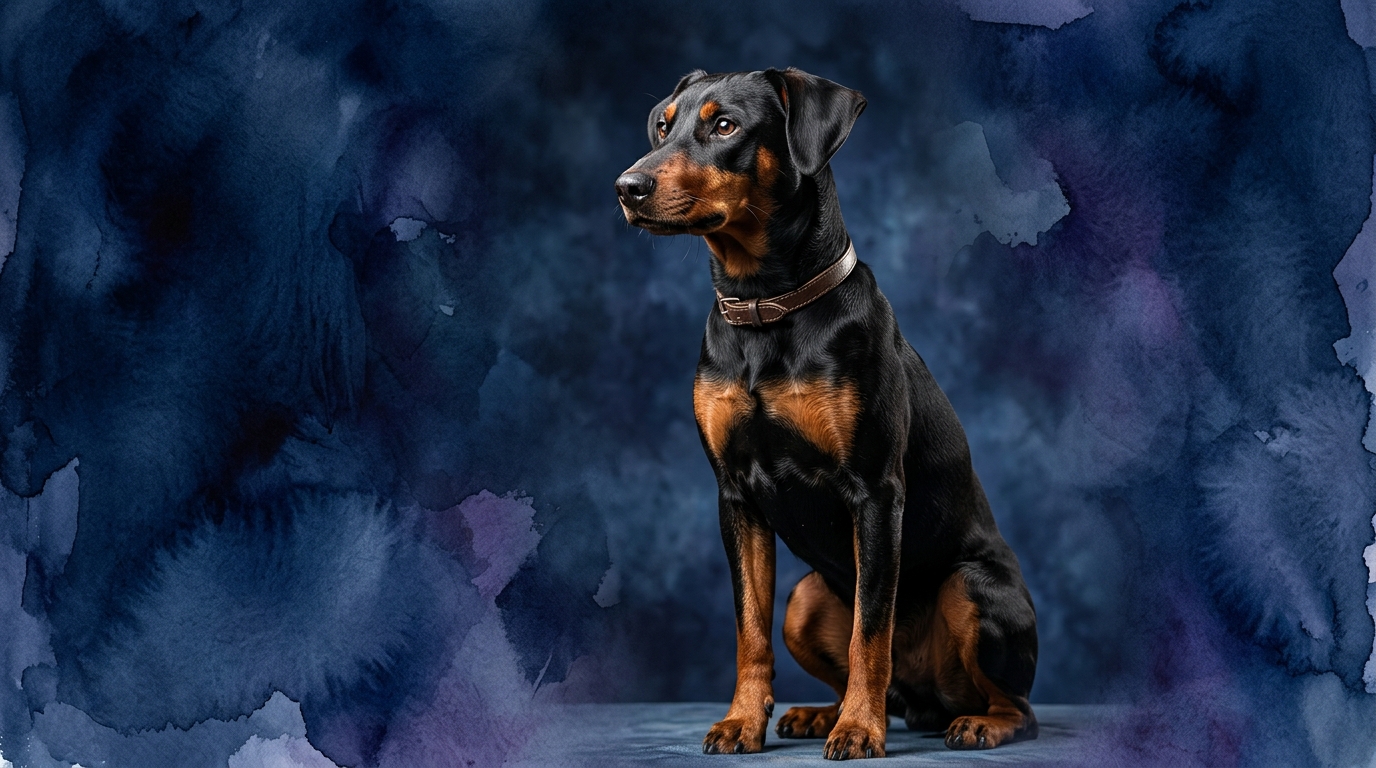
The **German Pinscher**, a robust working dog originally bred for vermin control and guarding, also scores 3/5 in each cognitive area, but with a different emphasis. Their Problem Solving at 3/5 is evident in their resourcefulness in finding and dispatching pests, or in figuring out how to navigate tight spaces to achieve a goal. This is a practical, hands-on problem-solving that is often quick and decisive. Training Speed at 3/5 means they are quick to pick up new tasks and commands, often displaying an eager-to-work mentality, though their independent streak means they might also try to put their own spin on things. Social Intelligence at 3/5 describes an alert, watchful nature, highly attuned to their family's dynamics and quick to identify perceived threats, often reserved or wary with outsiders. Their Instinctive Drive of 3/5 is split between a strong prey drive for small animals and a potent territorial and guarding instinct. Their Memory at 3/5 ensures they vividly recall training, boundaries, and especially any perceived past injustices or successful 'missions,' making consistency crucial for their development.
Where the Scottish Deerhound Wins Cognitively
The Scottish Deerhound's cognitive strengths primarily lie in its specialized sensory processing and decision-making during high-speed, open-field pursuits. Their visual acuity and ability to process rapid movement, combined with an innate understanding of physics in motion, allows them to make split-second adjustments to trajectory and speed while chasing. This is a highly specialized form of 'intelligence' – not analytical, but rather an intuitive, fluid problem-solving that is deeply rooted in their sighthound heritage. Furthermore, their generally calmer, more reserved social intelligence in familiar settings means they often require less active management of their emotional responses compared to more reactive breeds, contributing to a more relaxed household atmosphere once their exercise needs are met.
Where the German Pinscher Wins Cognitively
The German Pinscher truly excels in its alert vigilance and adaptive resourcefulness within a more confined, complex environment. Their cognitive 'wins' are seen in their sharp observational skills, allowing them to quickly assess situations and identify potential threats or targets (like a scurrying mouse). This translates into a quicker reaction time for protective or vermin-hunting duties. Their problem-solving capacity, while rated similarly, leans towards practical cunning – figuring out how to access a hidden treat or outmaneuver a small pest. Their robust social intelligence involves a keen awareness of their human family's emotions and intentions, making them excellent, albeit sometimes overzealous, protectors who are quick to learn household rules and routines, especially when a 'job' is involved.
Which is Easier to Train and Why?
When considering ease of training, the German Pinscher typically presents as more overtly responsive, though both breeds require a skilled hand. The Pinscher's inherent drive to work and their often-eager-to-please temperament means they frequently engage more readily in structured obedience and learn new commands with enthusiasm, especially when tasks are varied and stimulating. However, their strong-willed nature and high energy demand consistent, firm, and positive reinforcement to prevent them from developing their own 'rules.' Their alertness can also make them prone to distraction if not properly focused, but their desire for interaction often brings them back to the task.
The Scottish Deerhound, while capable of learning (3/5 training speed), often requires more patience and understanding of their sighthound independence. Their strong instinctive drive means that if a squirrel or a distant movement captures their attention, recalling them can be a significant challenge, regardless of how well they 'know' the command. They respond best to positive reinforcement and a trainer who understands their gentle yet independent spirit, rather than one seeking absolute, drill-like obedience. Their motivation is often internal or tied to immediate rewards, making them less inclined to perform simply to 'please' a handler compared to many working breeds. Therefore, while both learn at a similar pace, the Pinscher's engagement and desire for a 'job' can make the *process* of training feel more straightforward for an experienced owner, whereas the Deerhound demands a more nuanced approach to harness their specific motivations.
Which Suits Active Owners vs. Relaxed Owners?
Defining 'active' versus 'relaxed' ownership is crucial when considering these two breeds, as their energy profiles are quite different. The Scottish Deerhound, despite its large size, often suits a specific type of 'active' owner: one who can provide opportunities for bursts of high-speed running in a secure, open area, followed by extensive periods of quiet relaxation. They need regular, vigorous exercise to maintain their physical and mental well-being, but once exercised, they are typically calm, gentle companions indoors, often content to lounge gracefully. They are not typically suited for owners seeking a constant companion for intense, sustained activity like long-distance running or complex agility every day, but rather those who appreciate their majestic bursts of speed and serene indoor presence, perhaps with a large, securely fenced yard or access to open fields.
The German Pinscher, in contrast, requires a consistently active and engaged owner. Their high energy, combined with their intelligent and often tenacious nature, means they thrive on regular, structured physical activity and mental stimulation. They are well-suited for owners who enjoy daily vigorous walks, runs, or engaging in dog sports like agility, obedience, or even scent work. A 'relaxed' owner who cannot meet their substantial needs for activity and mental engagement will likely find a German Pinscher becomes bored, potentially leading to undesirable behaviors. They are busy, watchful dogs who need a 'job' or consistent activity to channel their considerable drive, making them ideal for owners who lead an active lifestyle and are prepared to involve their dog in many aspects of it.
The Verdict
Choose the Scottish Deerhound if you appreciate a gentle, independent giant who thrives on intense, periodic bursts of exercise followed by quiet, elegant lounging, and you understand their sighthound-specific motivations during training. They are ideal for owners with secure, open spaces for running and a calm home environment.
Opt for the German Pinscher if you desire an alert, energetic, and highly engaged companion who needs consistent mental and physical stimulation, and you are prepared to provide firm, consistent training and an active lifestyle to channel their robust working drive.
🧠 Find Your Pet's IQ Score
Our Pet IQ Lab assessment covers 25+ tests across 5 cognitive dimensions — personalized to your breed.
Take the Full IQ Test →Frequently Asked Questions
Do Scottish Deerhounds bark a lot?
Scottish Deerhounds are not typically excessive barkers. They may bark at unusual sights or sounds, especially if something triggers their sighthound instincts, but they are generally quieter than many other breeds. Their communication is often more subtle, relying on body language and occasional vocalizations rather than constant noise.
Are German Pinschers good with children?
German Pinschers can be good with children, especially if raised with them from a young age and properly socialized. However, their high energy, strong prey drive, and protective instincts mean they require careful supervision with very young children and proper training to ensure safe interactions. They thrive in homes where boundaries are clear and consistent.
Which breed is better for first-time dog owners?
Neither breed is typically recommended for first-time dog owners without significant prior research and commitment. Both the Scottish Deerhound and German Pinscher have unique needs regarding exercise, training, and socialization that require an experienced or highly dedicated owner. The Pinscher's intensity and the Deerhound's independence present distinct challenges that benefit from a knowledgeable approach.