Side-by-Side Cognitive Profile: Deciphering the 3/5 Scores
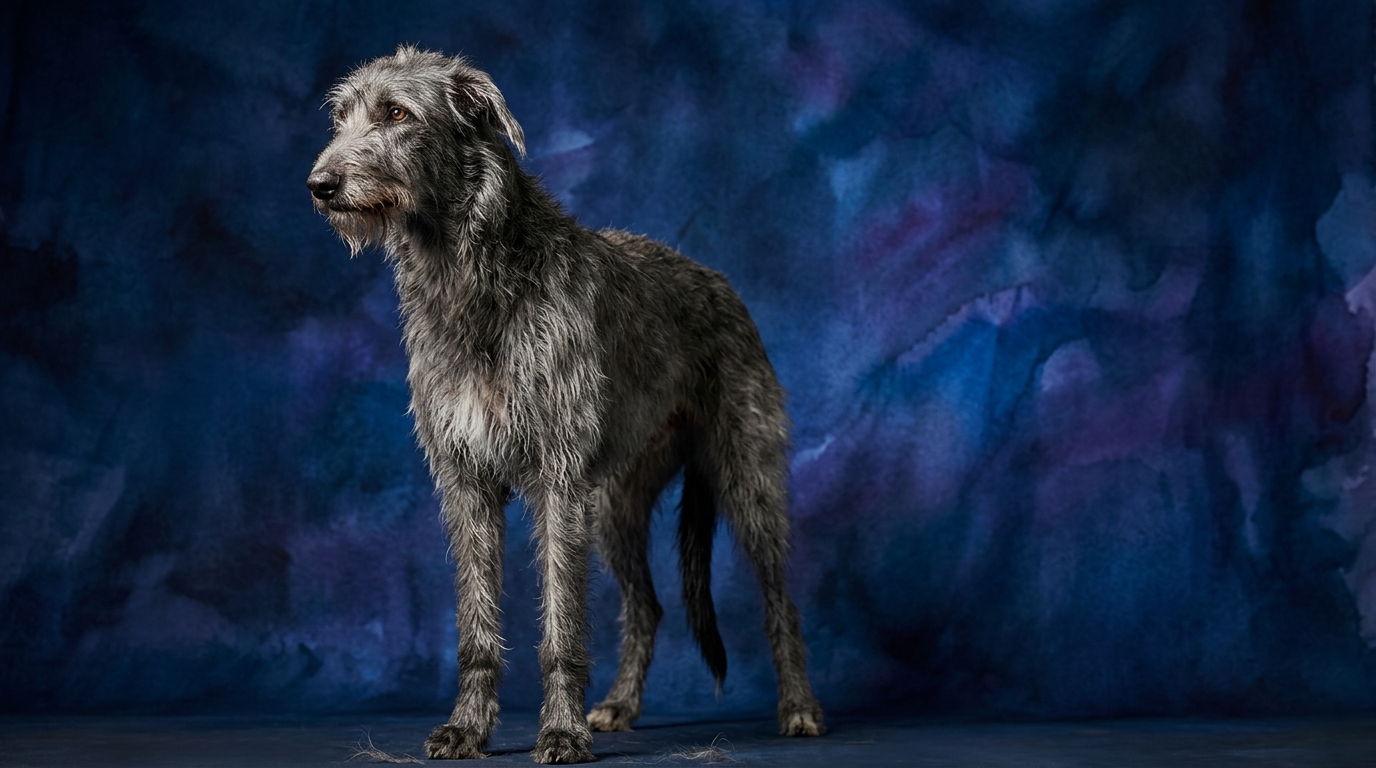
The Cosmic Pet Pet IQ Lab assigns both the Scottish Deerhound and the Pekingese identical 3/5 ratings across all five cognitive dimensions, suggesting a balanced, functional intelligence that manifests distinctly in each breed. For the **Scottish Deerhound**, a 3/5 in **Problem Solving** signifies their ability to navigate complex environments and strategize during a chase, anticipating prey movement or finding efficient paths. Their 3/5 **Training Speed** indicates learning capability, though their independent hound nature often prioritizes instincts over commands. **Social Intelligence** at 3/5 allows them to read pack dynamics and human cues, forming deep bonds despite less overt demonstrations. Their 3/5 **Instinctive Drive** is pronounced, centered on sight-hunting, tracking, and prey pursuit. A 3/5 in **Memory** enables them to recall complex scent trails, routines, and familiar locations over time.
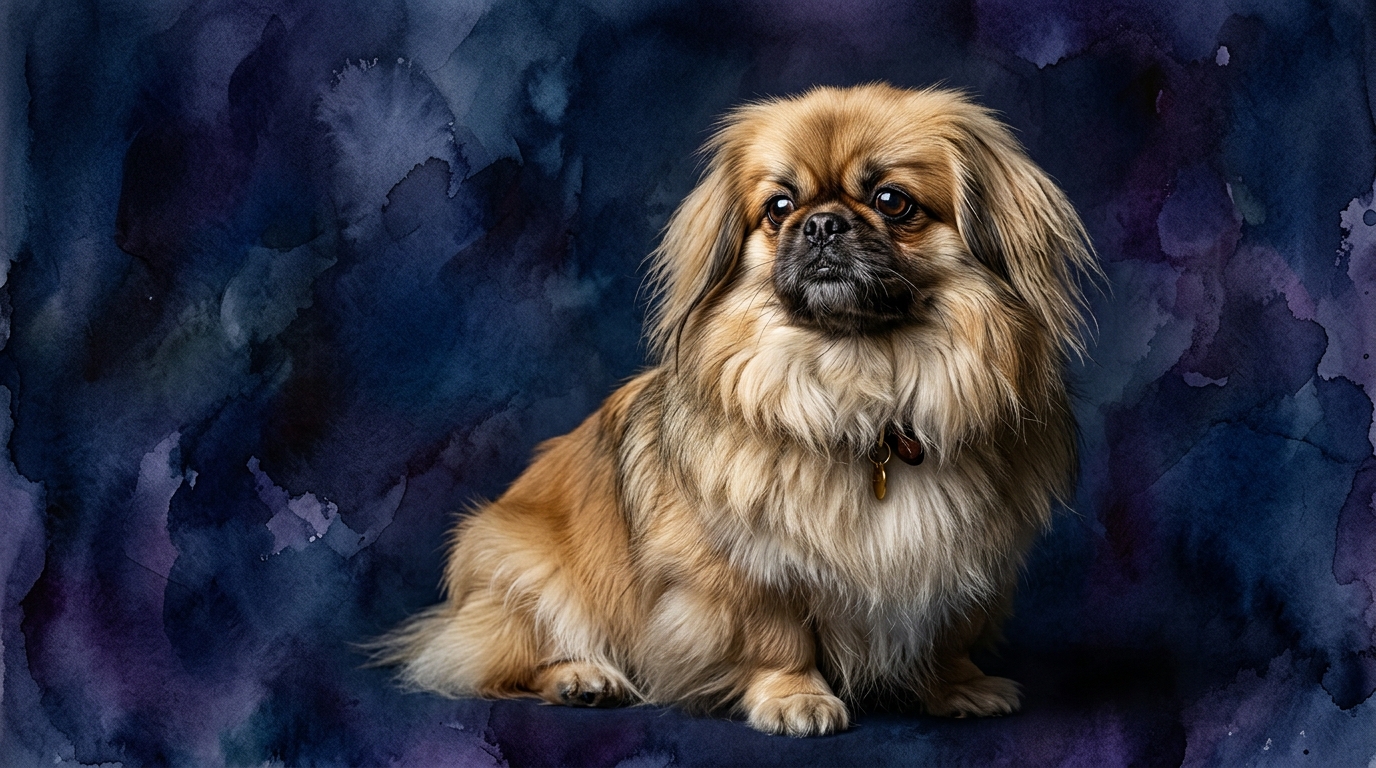
In contrast, the **Pekingese's** 3/5 **Problem Solving** often involves clever strategies for comfort, attention, or manipulating their domestic environment, like accessing a forbidden couch. Their 3/5 **Training Speed** means they learn commands, but success hinges on motivation and reward value due to their charming stubbornness. **Social Intelligence** at 3/5 allows them to be highly attuned to owner moods and household routines, forming intense, discerning attachments. Their 3/5 **Instinctive Drive** focuses on companionship, guarding their space, and a desire for comfort. A 3/5 in **Memory** helps them recall household routines, favored individuals, and optimal napping spots.
Where the Scottish Deerhound Excels Cognitively
The Scottish Deerhound’s cognitive strengths are deeply rooted in their heritage as a coursing hound, making them particularly adept in areas demanding independent thought and physical prowess. Their problem-solving shines brightest when it involves navigating open landscapes or making split-second decisions during a chase. This isn't about solving puzzle toys, but about assessing terrain, judging distances, and predicting movements of a fast-moving target without direct human instruction. Their 3/5 problem-solving score, in this context, translates into a sophisticated ability to adapt and strategize in dynamic, outdoor environments.
Furthermore, their instinctive drive, rated at 3/5, is a powerful cognitive asset for their intended purpose. This drive fuels a unique form of 'working intelligence' where their mental faculties are entirely engaged in the hunt, requiring sustained attention, stamina, and an ability to ignore distractions. Their memory is also exceptionally tuned to these tasks, allowing them to recall successful hunting strategies or the layout of familiar grounds, crucial for efficient, independent work.
Where the Pekingese Excels Cognitively
The Pekingese, with its history as a cherished companion, demonstrates cognitive strengths finely tuned for domestic life and human interaction. Their social intelligence, despite mirroring the Deerhound's 3/5 rating, manifests as a profound understanding of human emotional states and household dynamics. A Pekingese excels at discerning subtle shifts in their owner's mood, often responding with comforting presence or by subtly demanding attention, showcasing a sophisticated grasp of interpersonal cues.
Their problem-solving, also rated 3/5, is often applied to optimizing their own comfort and security within the home. This might involve strategically positioning themselves for maximum warmth, finding the quietest spot for a nap, or developing intricate routines to solicit treats or playtime from family members. This isn't about physical challenges but about navigating the social and spatial complexities of a human household. Their memory, likewise at 3/5, is excellent for remembering preferred routines, who in the family is most susceptible to their charms, and the locations of various 'treasures' or comfort items, making them highly consistent companions.
Which is Easier to Train and Why?
While both breeds hold a 3/5 rating for training speed, the practical experience of training a Scottish Deerhound versus a Pekingese can differ significantly due to their inherent temperaments and motivations. The Scottish Deerhound, with its strong instinctive drive and independent nature, often requires consistent, patient, and reward-based training. They understand commands and learn sequences, but their hound instincts mean a compelling scent or a fleeting movement can easily override a learned command, making recall particularly challenging in unfenced areas.
The Pekingese, while also rated 3/5 for training speed, presents a different set of challenges. They are capable of learning, but their strong will and desire for comfort mean they often need to be convinced that training is worth their effort. They might simply choose to ignore a command if they don't see an immediate benefit or if it interferes with their current comfort, making potty training notoriously difficult for some. Their training requires a firm yet gentle hand, appealing to their desire for praise and small, high-value rewards, often feeling more like polite persuasion than direct instruction.
Which Suits Active Owners vs. Relaxed Owners?
The distinction between an active and a relaxed owner aligns perfectly with the inherent needs and cognitive manifestations of these two breeds. The Scottish Deerhound is unequivocally suited for active owners. Their 3/5 instinctive drive and problem-solving capacities are best engaged through regular, vigorous exercise that allows them to run and explore. They thrive with owners who enjoy long walks, hiking, or even lure coursing, providing outlets for their need to chase and use their keen senses. An active owner understands that a Deerhound’s mental well-being is tied to physical exertion and opportunities for independent exploration.
Conversely, the Pekingese is an ideal match for relaxed owners. Their cognitive strengths, centered around domestic comfort and social connection, do not demand extensive physical activity. While they enjoy short walks and playtime, their contentment stems more from being close to their people, having a soft spot to nap, and maintaining a predictable, cozy routine. A relaxed owner appreciates a dog whose problem-solving is directed at finding the warmest lap rather than chasing a deer, and whose social intelligence thrives on quiet companionship. Their lower energy requirements and preference for indoor living make them perfect for those seeking a devoted, less physically demanding canine presence.
The Verdict: When to Choose Each Breed
Deciding between a Scottish Deerhound and a Pekingese isn't about one being 'smarter' than the other; it's about aligning their unique cognitive profiles and needs with your lifestyle and expectations. Both breeds possess a solid, functional intelligence, but it's expressed in vastly different ways, making them suitable for very different homes.
If your life involves open spaces, a love for long excursions, and an appreciation for a noble, independent companion who thinks for themselves in dynamic environments, the Scottish Deerhound will be a deeply rewarding partner. If your ideal companion is a devoted, charmingly willful presence who thrives in a cozy home, offers nuanced social interaction, and prefers a more relaxed pace of life, the Pekingese will bring immense joy and a unique form of affectionate loyalty.
The Verdict
Choose the Scottish Deerhound if you seek a partner for open-air adventures and appreciate an independent, thoughtful canine whose intelligence shines in dynamic, natural environments.
Choose the Pekingese if you desire a devoted, charmingly willful companion who thrives in a cozy, less demanding home environment and excels at nuanced social interaction.
🧠 Find Your Pet's IQ Score
Our Pet IQ Lab assessment covers 25+ tests across 5 cognitive dimensions — personalized to your breed.
Take the Full IQ Test →Frequently Asked Questions
Are Scottish Deerhounds difficult to train?
While Scottish Deerhounds have a 3/5 training speed, their independent hound nature and strong prey drive mean training requires patience, consistency, and a deep understanding of their motivations. They learn, but often prioritize their instincts over commands, especially outdoors.
Do Pekingese dogs enjoy learning tricks?
Pekingese dogs, with their 3/5 training speed, are capable of learning tricks, but their willingness often depends on their motivation and the perceived reward. They can be quite stubborn, so engaging their interest with high-value treats and making it fun is key to success.
How do their independent natures differ?
The Scottish Deerhound's independence stems from its hunting heritage, preferring to make its own decisions in pursuit of prey, whereas the Pekingese's independence is more about a strong will and a preference for doing things on its own terms within a domestic setting, often to achieve comfort or attention.