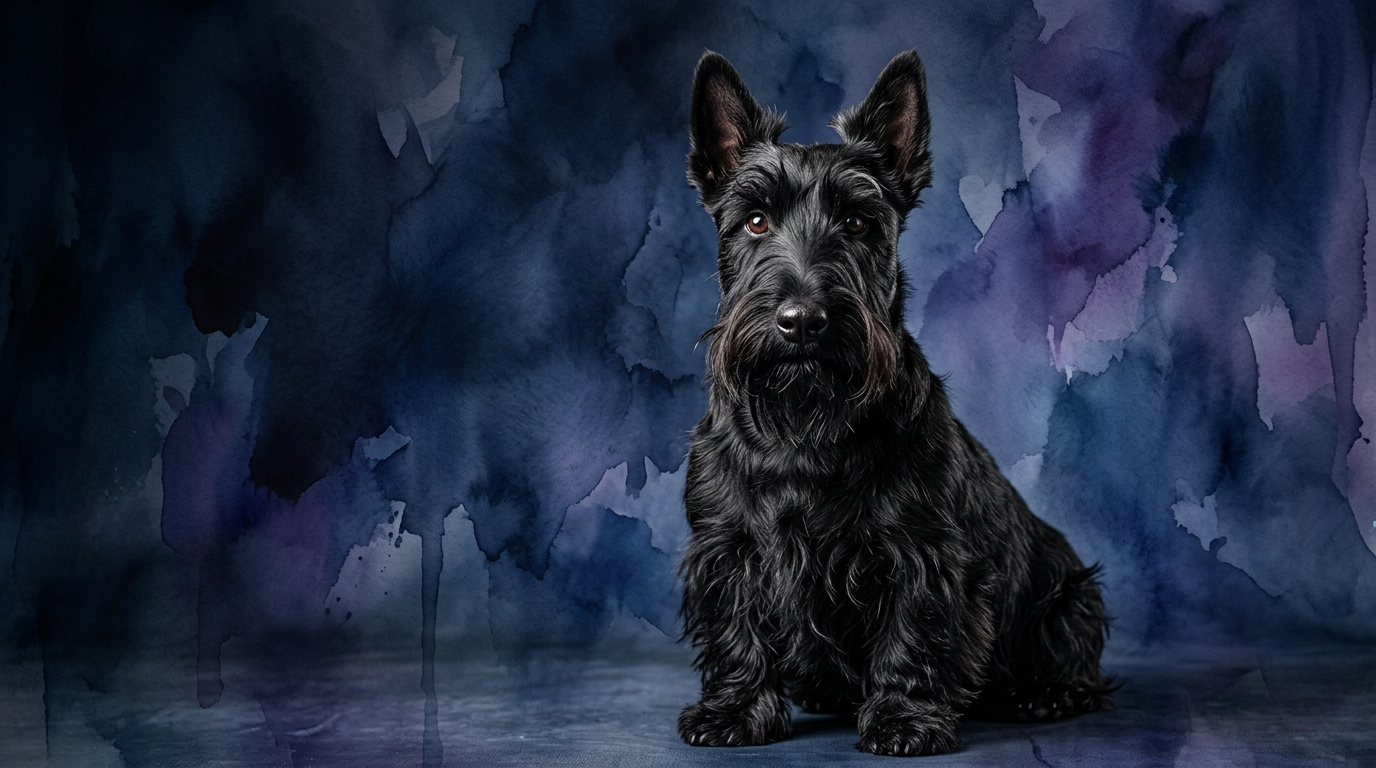
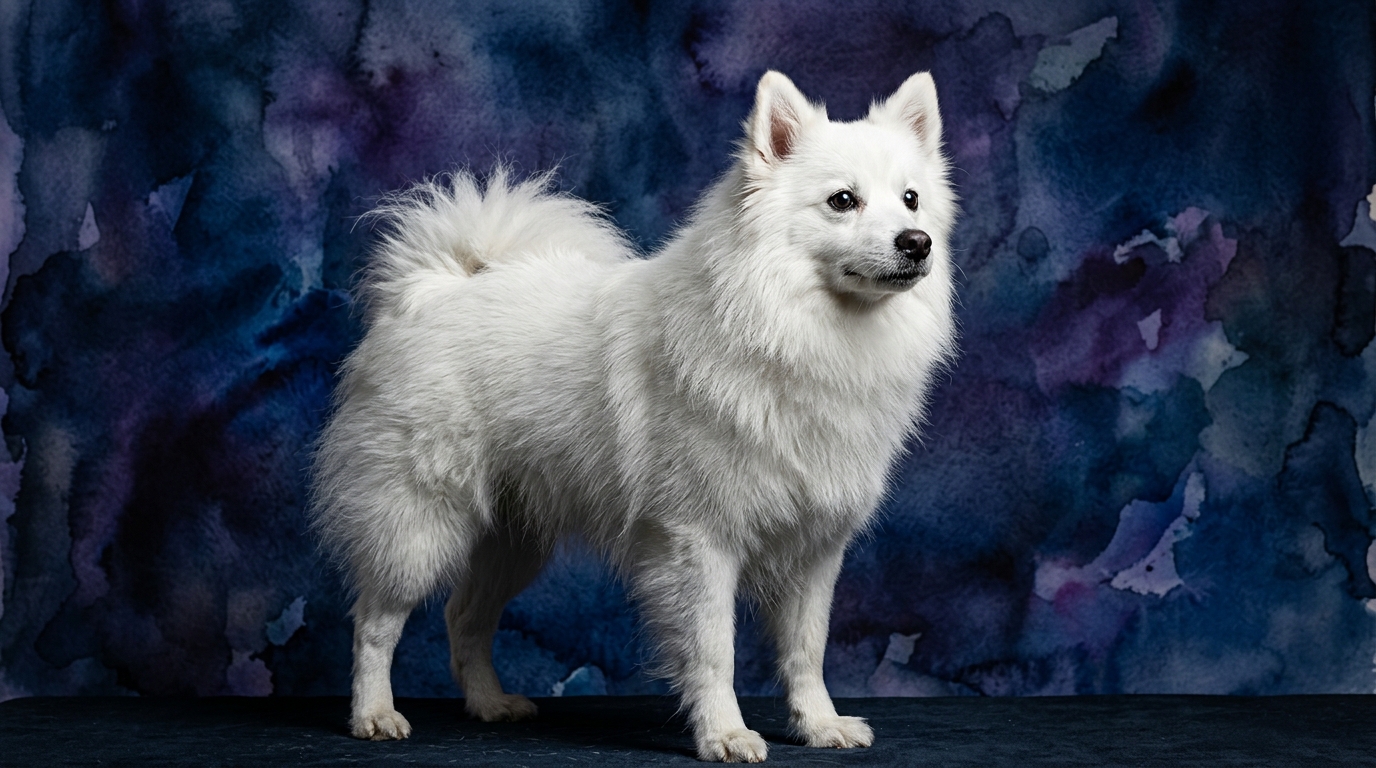
Side-by-Side Cognitive Profiles
The Cosmic Pet Pet IQ Lab's assessment places both the Scottish Terrier and the American Eskimo Dog at a consistent 3/5 across five key cognitive dimensions. This identical numerical score, however, belies the distinct flavors of their mental engagement, shaped by centuries of selective breeding for specific roles. Understanding these nuances requires looking beyond the number to the underlying breed-specific applications.
For the **Scottish Terrier**, a 3/5 in **Problem Solving** means a tenacious, independent approach to overcoming obstacles, often with a self-directed goal like pursuing a scent or accessing a tight space. Their **Training Speed** at 3/5 reflects an ability to learn commands, but often with a pragmatic evaluation of the task's personal value, requiring consistent, engaging motivation. Their **Social Intelligence** (3/5) is typically observant and discerning, with a deep bond to their core family but a reserved demeanor towards strangers, prioritizing environmental cues for potential 'work' over broad social engagement. The 3/5 for **Instinctive Drive** highlights their potent prey drive, digging tendencies, and territorial vigilance. Finally, a 3/5 in **Memory** suggests a solid recall for specific locations, routines, and experiences relevant to their independent pursuits.
The **American Eskimo Dog**, also scoring 3/5 across the board, showcases these capacities differently. Their **Problem Solving** (3/5) often manifests as cleverness in navigating their environment, figuring out sequences for tricks, or manipulating objects to gain attention or access. A 3/5 in **Training Speed** indicates a responsive learner, eager to engage in structured activities and capable of quickly grasping new concepts, though they can become bored without variety. Their **Social Intelligence** (3/5) is often characterized by a keen attunement to human emotions and intentions, a desire for interactive communication, and a strong sense of 'pack' within their family. The 3/5 for **Instinctive Drive** emphasizes their watchdog tendencies, vocal communication, and a robust desire to be active participants in family life. Their **Memory** (3/5) is strong for recalling complex tricks, names, and the details of daily routines, suggesting a mind that thrives on consistency and engagement.
Where the Scottish Terrier Excels Cognitively
The Scottish Terrier's cognitive strengths truly shine in scenarios demanding self-reliance and persistent, independent thought. While their problem-solving score is 3/5, their unique application involves an almost singular focus on a perceived task, often driven by their terrier instincts. They excel at figuring out how to bypass obstacles to a goal they've set for themselves, whether it's unearthing a critter or strategically navigating a complex yard. This isn't about rapid compliance, but rather a deliberate, almost stubborn, intellectual persistence.
Their social intelligence, though rated 3/5, is acutely tuned to their immediate environment and the subtle cues of their trusted companions, allowing them to read situations with a practical, discerning eye. They process information not for broad social pleasing, but for practical utility and self-preservation. This independent cognitive style allows them to operate effectively without constant human direction, making them adept at tasks requiring sustained, individual effort and decision-making.
Where the American Eskimo Dog Excels Cognitively
The American Eskimo Dog's cognitive prowess is most evident in their adaptability and their cooperative spirit, even with a 3/5 problem-solving score. Their intellect thrives in structured, interactive learning environments, allowing them to grasp complex sequences and understand abstract concepts related to games or performance. They are adept at observing patterns and adjusting their behavior to achieve a desired outcome that often involves human interaction, like learning a new trick or figuring out how to 'ask' for something.
Their social intelligence, also 3/5, is particularly strong in its depth of understanding human emotional states and intentions. They often anticipate their owner's moods and desires, and their communication skills, both vocal and physical, are highly developed for conveying their own needs and engaging with their human companions. This makes them exceptional partners in activities requiring mutual understanding and responsiveness, such as dog sports or advanced obedience, where their memory for sequences and positive associations is a distinct advantage.
Which Breed is Easier to Train and Why
When considering ease of training, the American Eskimo Dog generally presents a more straightforward path for the average owner. This isn't due to a superior training speed score — both are 3/5 — but rather their inherent desire to cooperate and please their human companions. Eskies thrive on positive reinforcement and engagement, viewing training as a collaborative activity. Their eagerness to learn and participate, coupled with their strong social intelligence, means they are often highly motivated to understand and execute commands, responding well to clear communication and consistent feedback.
The Scottish Terrier, by contrast, can be more challenging for a novice trainer, despite their identical training speed score. Their independent nature and historical role as solitary hunters mean they are hardwired to think for themselves. A Scottie will learn a command, but they will often weigh its utility or their current inclination before complying. Training a Scottie requires immense patience, creativity, and a deep understanding of their terrier mindset; making them believe the command was their idea, or appealing to their innate drives, is often more effective than rote repetition. Their strong instinctive drive means their focus can quickly shift to an interesting scent or movement, demanding a trainer who can consistently capture and redirect their attention.
Suitability for Active vs. Relaxed Owners
The American Eskimo Dog is a fitting companion for active owners who enjoy consistent engagement and regular physical activity. Their lively disposition and desire to be involved mean they thrive on daily walks, playtime, and mental stimulation through training or dog sports. They are not content to be mere couch potatoes; their 3/5 instinctive drive and social intelligence demand interaction and purpose. Owners who can integrate their Eskie into their active lifestyle, providing opportunities for both physical and mental exercise, will find a joyful and cooperative partner.
The Scottish Terrier, while not necessarily requiring constant high-impact exercise, is better suited for owners who appreciate a dog with a strong, independent personality and are prepared for targeted mental stimulation. Their 3/5 instinctive drive means they need outlets for digging, scent work, or 'hunting' games. While they can be content to relax indoors, their minds need engagement through puzzle toys, short, focused training sessions, or exploring new environments on leash. A 'relaxed' owner for a Scottie is someone who understands their need for bursts of activity and mental challenges that satisfy their terrier instincts, rather than expecting a perpetually docile companion.
The Verdict
Choose the Scottish Terrier if you appreciate a dog with a robust, independent intellect and are prepared to engage their mind with specific, terrier-centric challenges and patient, creative training.
Opt for the American Eskimo Dog if you seek a cooperative, socially intelligent companion eager for regular interaction, structured learning, and an active role in family life.
🧠 Find Your Pet's IQ Score
Our Pet IQ Lab assessment covers 25+ tests across 5 cognitive dimensions — personalized to your breed.
Take the Full IQ Test →Frequently Asked Questions
Do Scottish Terriers need a lot of exercise?
Scottish Terriers benefit from moderate, consistent exercise. While they don't require hours of running, they do need daily walks and opportunities for vigorous play and mental stimulation, especially activities that engage their strong instinctive drives like digging or scent work. Their energy comes in bursts, so short, intense sessions are often more effective than long, monotonous ones.
Are American Eskimo Dogs good with children?
American Eskimo Dogs can be excellent family companions and are generally good with children, especially when raised with them from a young age and properly socialized. Their social intelligence and desire to be part of the family make them adaptable, but like all breeds, supervision is key, and children should be taught how to interact respectfully with dogs. Their vocal nature means they might alert to every new sound, which some families appreciate.
How do their grooming needs compare?
The Scottish Terrier has a dense, wiry double coat that requires regular brushing, hand-stripping, or professional grooming to maintain its texture and prevent matting. The American Eskimo Dog has a thick, fluffy double coat that sheds considerably, especially seasonally, and requires frequent brushing (several times a week) to remove loose hair and prevent tangles, making them higher maintenance in terms of shedding management.