The Cosmic Pet Pet IQ Lab: Side-by-Side Profiles
At The Cosmic Pet Pet IQ Lab, we evaluate canine intelligence across five key dimensions. For both the Scottish Terrier and the Bedlington Terrier, our analysis yields consistent scores across the board, presenting an intriguing case study in how similar numerical ratings can translate into distinct behavioral patterns.
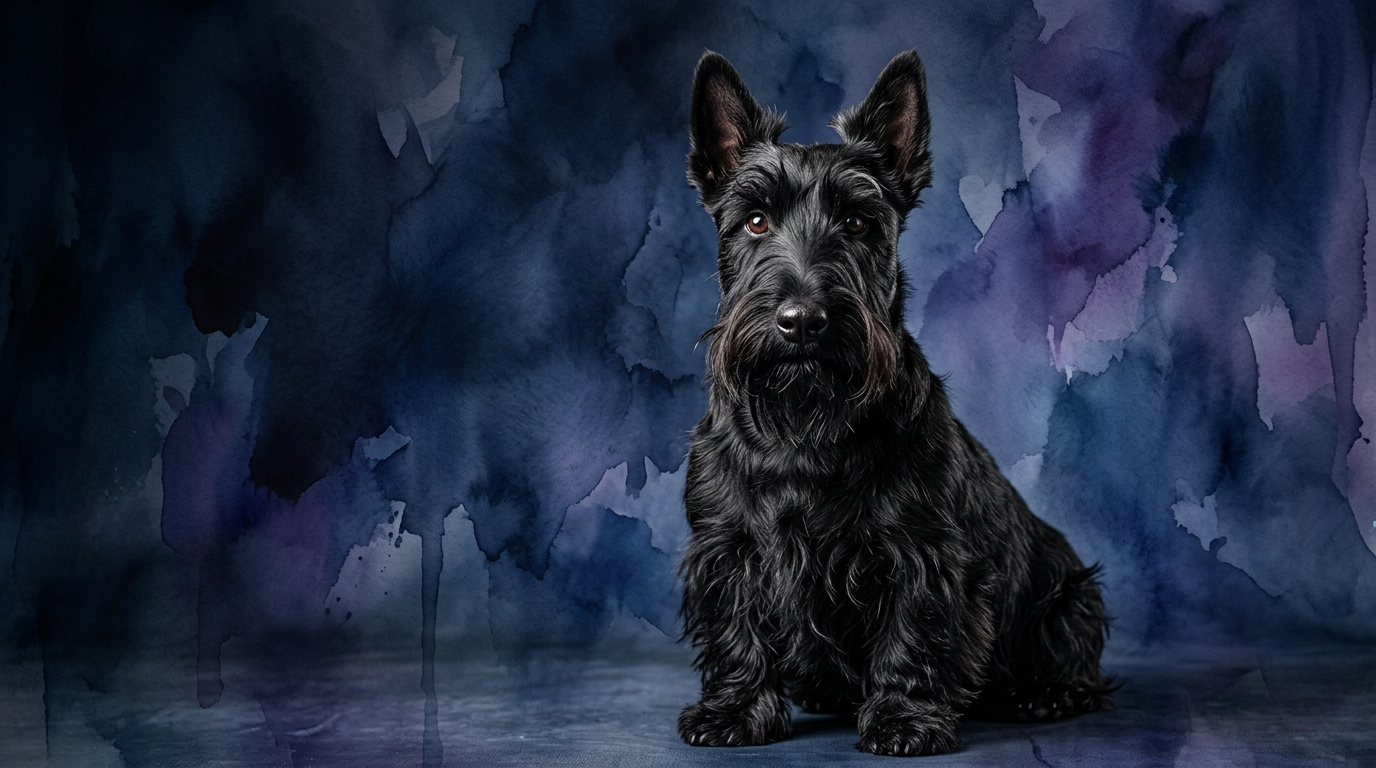
The Scottish Terrier, a breed with a Coren ranking of #65, displays a Problem Solving score of 3/5. This manifests as a methodical, persistent approach to challenges, often involving determined digging or navigating obstacles to reach a desired outcome. Their Training Speed is also 3/5; they learn commands effectively but require consistent, patient repetition to overcome their inherent independence. Social Intelligence, at 3/5, indicates a breed that forms deep bonds with its family, observing dynamics keenly, though they can be reserved or aloof with strangers. Their Instinctive Drive is a solid 3/5, demonstrating a strong prey drive for small critters and a natural inclination towards scent work and digging. Finally, their Memory, rated 3/5, allows them to retain routines, learned behaviors, and recognize familiar individuals and environments with reliable consistency.
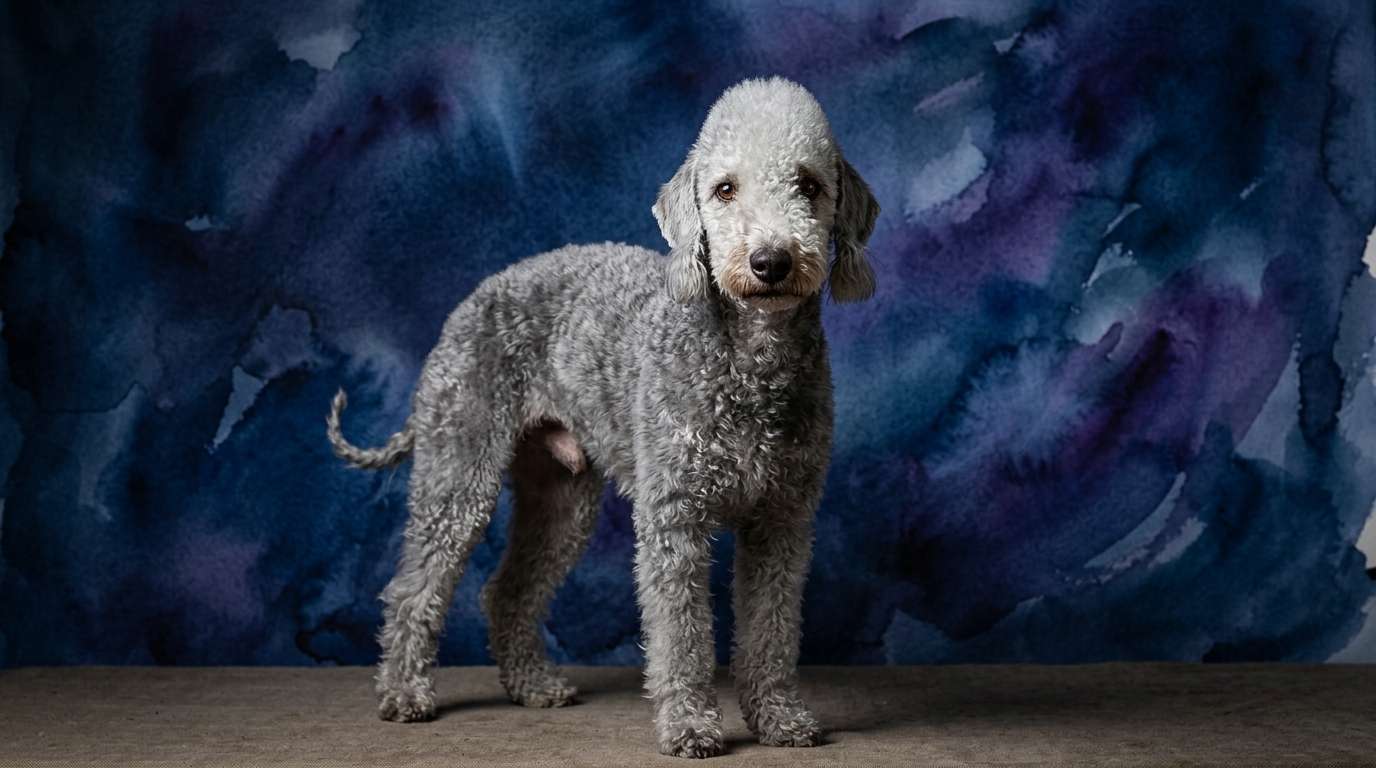
The Bedlington Terrier, while not included in Coren's ranking, shares the same 3/5 rating across all cognitive dimensions in our lab's assessment. Their Problem Solving ability (3/5) is characterized by an agile and often ingenious approach, capable of figuring out how to manipulate latches or access forbidden areas with a touch of playful mischief. A Training Speed of 3/5 means they learn quickly when engaged, yet their independent and sometimes sensitive nature necessitates positive reinforcement and varied training to maintain their focus. Social Intelligence (3/5) shows them to be charming and affectionate with their inner circle, often quite attuned to their owner's emotions, though they can exhibit a reserved initial demeanor towards new people. Their Instinctive Drive, also 3/5, highlights a powerful urge to chase and an athletic prowess suited for vigorous play. Their Memory, rated 3/5, enables them to recall a wide array of commands, experiences, and social cues, contributing to their adaptability.
Where the Scottish Terrier Cognitively Excels
The Scottish Terrier's cognitive strengths often lie in their steadfast determination and focused persistence. When presented with a task, particularly one that taps into their terrier heritage like scent work or investigating an interesting burrow, they apply themselves with remarkable tenacity. This isn't a flashy intelligence, but rather a deep-seated resolve to see a task through, even if it requires repeated effort. Their memory, combined with this persistence, makes them effective at learning complex routines or navigating familiar environments with precision.
Their cognitive profile lends itself to a certain predictability and reliability once they understand expectations. They process information and make decisions based on what they've learned and what their instincts tell them, rather than seeking constant novelty. This focused approach means they are less likely to be distracted from an objective once committed, making them excellent companions for owners who appreciate a dog with a clear, singular purpose in their activities, whether it’s patrolling the yard or mastering a specific trick through repetition. Their social intelligence, while not overtly effusive, allows for a profound, quiet understanding of their family's rhythm and needs, offering a loyal presence.
Where the Bedlington Terrier Cognitively Shines
The Bedlington Terrier's cognitive advantages often manifest in their adaptability and quick-witted ingenuity. Their problem-solving capabilities, while rated the same as the Scottie's, are typically expressed through more agile and creative means. They might outsmart a puzzle toy through clever manipulation rather than sheer force, or find an unexpected solution to a perceived barrier. This mental nimbleness makes them highly responsive to new situations and capable of learning complex sequences of actions, especially when there's an element of fun or reward involved.
Their social intelligence often features a more expressive and engaging quality, allowing them to adapt their interactions based on the situation and the individuals involved. This sensitivity to social cues, combined with their memory, helps them navigate varied social environments with grace. The Bedlington's inherent athleticism also plays into their cognitive strengths; their physical agility often mirrors a mental flexibility, making them adept at activities that require both body and mind, such as agility courses or advanced obedience. They thrive on mental stimulation that offers variety and encourages their natural curiosity and playful spirit.
Training Dynamics: Scottish Terrier vs. Bedlington Terrier
Given their identical 3/5 training speed, neither breed is inherently 'easier' to train, but their approaches and the methods that yield the best results differ significantly. The Scottish Terrier's training journey often requires an owner to be exceptionally patient and consistent. Their independent spirit and sometimes stubborn streak mean they don't always see the immediate benefit in complying, and they are not easily swayed by pleas. Training a Scottie means establishing clear boundaries, using short, engaging sessions, and employing positive reinforcement to build a strong, trusting relationship.
Conversely, the Bedlington Terrier, while equally independent, often responds better to training methods that are playful, varied, and reward-based. They are sensitive dogs and can become withdrawn or resistant if training is harsh or repetitive. Their problem-solving acumen means they can quickly grasp new commands, but their tendency towards mischief requires an owner to stay one step ahead and keep training interesting. For a Bedlington, training is often a dance of engagement and motivation, where their quick wits are channeled rather than suppressed. Understanding these core behavioral differences is key to successful training for both breeds.
Lifestyle Match: Active Owners vs. Relaxed Owners
Matching a dog's cognitive and physical needs to an owner's lifestyle is crucial for a harmonious relationship. For the Scottish Terrier, their 3/5 instinctive drive means they need consistent outlets for their natural behaviors, like scenting and moderate digging, but they are also content with periods of calm indoors. They are well-suited for owners who appreciate a predictable routine and are committed to daily walks that allow for exploration, perhaps with some focused mental games. While not requiring marathon runs, they thrive on purposeful activity that engages their mind and body in a steady manner. They can adapt to more relaxed indoor environments as long as their outdoor needs are met, making them suitable for owners who enjoy a balanced pace.
The Bedlington Terrier, with its equally strong 3/5 instinctive drive, often demands a more physically active and mentally stimulating lifestyle. Their agility and athleticism mean they excel in activities like running, hiking, or dog sports. They thrive with owners who are keen to engage them in varied physical and mental challenges that go beyond a simple walk. Their social intelligence also means they enjoy interactive play and training sessions that keep their sharp minds engaged. Owners who prefer a more dynamic, energetic companion and are willing to dedicate time to vigorous exercise and creative mental stimulation will find the Bedlington Terrier a rewarding match. They are less suited for a purely sedentary lifestyle, as their intelligence and energy can lead to boredom and potentially destructive behaviors if not adequately channeled.
The Verdict: When to Choose Each Companion
The Verdict
Choose the Scottish Terrier if you appreciate a steadfast, determined companion who thrives on routine and methodical tasks, and you're prepared for a dog with a strong, independent streak. They offer deep loyalty and a focused presence, rewarding patient and consistent owners.
Opt for the Bedlington Terrier if you seek an agile, playful, and sensitive companion who thrives on variety, vigorous activity, and a strong, interactive bond. They are best for active owners who enjoy engaging their dog's quick wit and athleticism through diverse challenges.
🧠 Find Your Pet's IQ Score
Our Pet IQ Lab assessment covers 25+ tests across 5 cognitive dimensions — personalized to your breed.
Take the Full IQ Test →Frequently Asked Questions
Do Scottish Terriers or Bedlington Terriers bark more?
Both terriers have a natural inclination to bark, often using their voice to alert or express excitement, a common terrier trait. Scottish Terriers might bark more persistently at perceived threats or novelties, while Bedlingtons might bark more during playful interactions or when seeking attention, though individual temperament varies.
Are these breeds good with children?
Both breeds can be good with children, especially when raised with them and properly socialized, but supervision is always recommended. Scottish Terriers tend to tolerate children who respect their space, while Bedlington Terriers are often more playful and tolerant of boisterous play, provided the children are taught gentle interaction.
Which breed is more prone to separation anxiety?
Neither breed is exceptionally prone to separation anxiety compared to some other breeds, but both can develop it if left alone for excessive periods without proper training or stimulation. Bedlington Terriers, being more socially sensitive, might express distress more outwardly, while Scottish Terriers might exhibit more subtle signs of anxiety or resort to destructive digging.