Side-by-Side IQ Profile: Unpacking Identical Scores
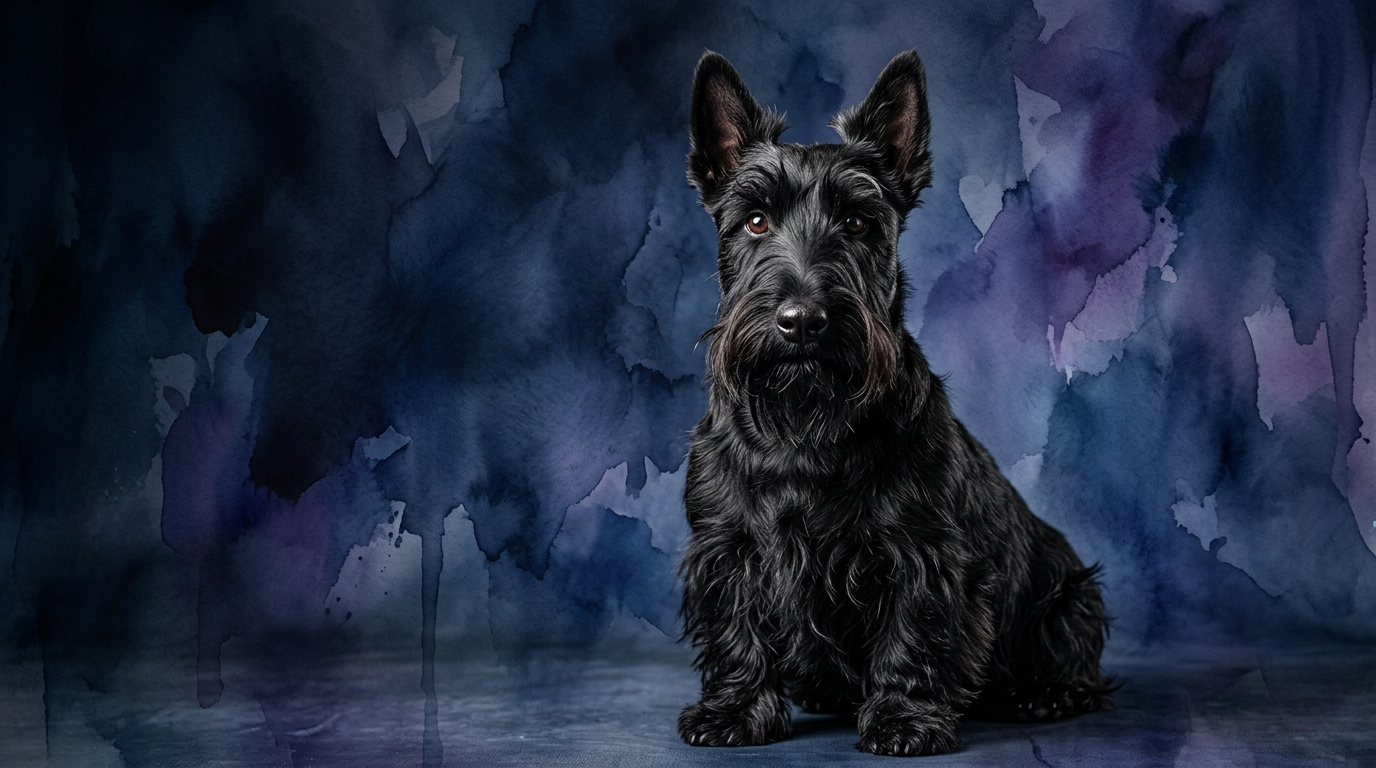
**Scottish Terrier (Coren Rank #65)**: The Scottie’s problem-solving (3/5) often manifests in its independent, tenacious pursuit of goals, reflecting its historical role as a vermin hunter, excelling at practical solutions like finding a way under a fence or extracting a hidden toy.
Training speed (3/5) for a Scottie typically requires patience and consistency, as their strong will means they often weigh compliance against their immediate interest, demanding repetition and positive reinforcement.
Their social intelligence (3/5) is finely tuned to their immediate family, understanding owners' moods with quiet perceptiveness, and while reserved with strangers, this indicates a discerning approach to new interactions.
The Scottie's instinctive drive (3/5) is a robust reflection of their terrier heritage, encompassing a strong prey drive, an urge to dig, and a keen sense of territory, making them alert watchdogs and enthusiastic explorers.
Scotties possess a solid memory (3/5) for routines, commands, and experiences, both positive and negative, contributing to their consistent behaviors and potential resistance to changes in established habits.
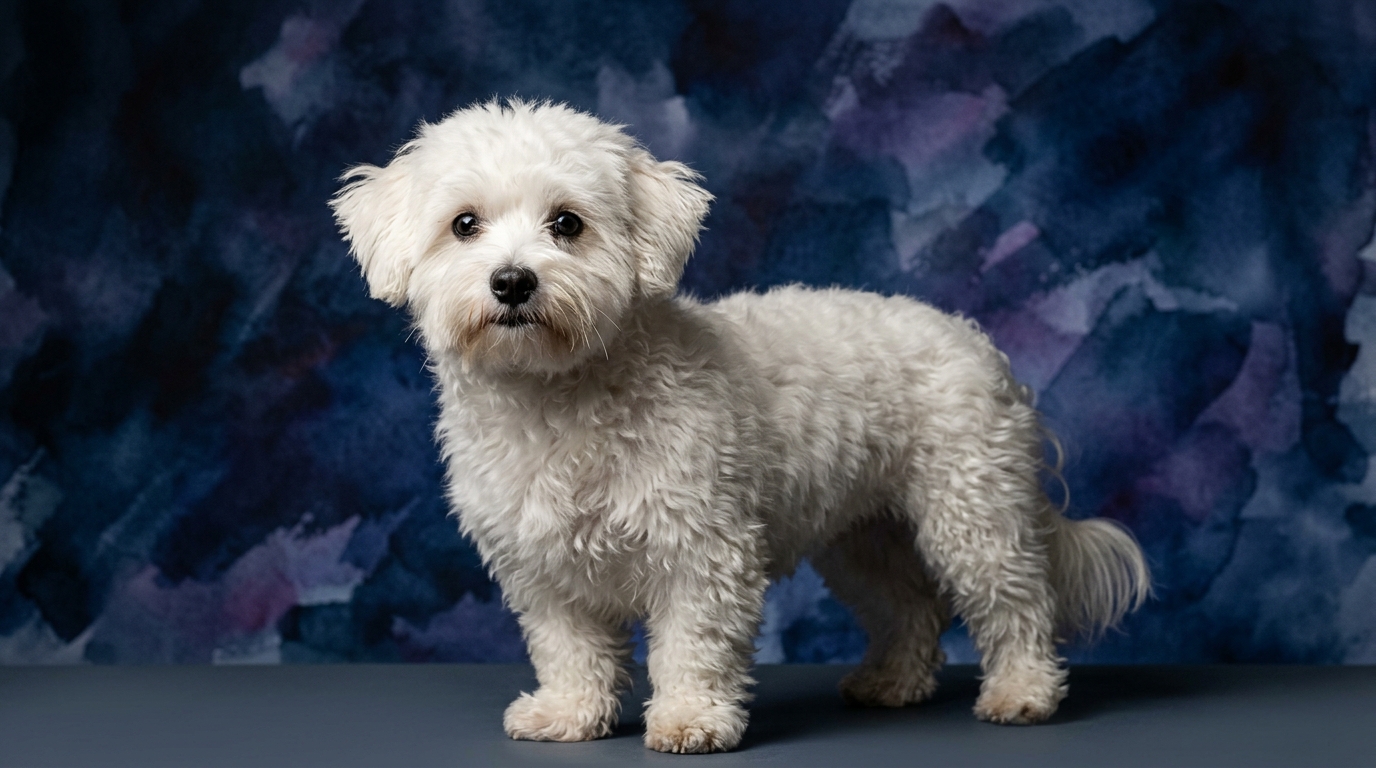
**Coton de Tuléar (Not Coren-ranked)**: The Coton's problem-solving (3/5) is often rooted in their desire for companionship and comfort, figuring out how to open a cupboard for treats or strategically place themselves for maximum human attention.
Cotons are generally receptive to training (3/5) and eager to please, learning commands at a moderate pace, responding best to gentle, positive reinforcement methods due to their sensitive nature.
Bred primarily as companions, Cotons exhibit profound social intelligence (3/5), highly attuned to human emotions, sensing distress or joy, and responding with comforting presence or playful antics.
Unlike the Scottie, the Coton's instinctive drive (3/5) is less about hunting and more about companionship and play, with a natural inclination for playful interaction and social engagement.
Cotons have a good memory (3/5) for people, places, and routines, remembering favorite toys and the sequence of events leading to walks or meals, which contributes to their consistent and predictable behavior.
Where the Scottish Terrier Wins Cognitively
While both breeds share a 3/5 score, the Scottish Terrier’s cognitive strengths lie in areas demanding independent thought and a certain self-reliance. Their problem-solving is less about pleasing an owner and more about achieving a personal objective, whether it’s digging up a perceived burrow or figuring out how to get to a forbidden treat.
This tenacity, rooted in their instinctive drive for hunting, means they possess a singular focus when pursuing a goal, often demonstrating a shrewd, almost wily approach to overcoming obstacles. Their social intelligence, while reserved, is deeply discerning; they form strong, almost exclusive bonds and are adept at understanding the nuances of their immediate family's dynamics, offering a quiet, steadfast companionship without constant need for affirmation. This independent spirit, coupled with a robust memory for past experiences, allows them to navigate their world with a confident, self-assured intellect.
Where the Coton de Tuléar Wins Cognitively
The Coton de Tuléar excels in cognitive domains centered around social engagement and emotional attunement. Their social intelligence, while sharing the same numerical score, manifests as a highly empathetic and adaptable understanding of human behavior.
They are masters at reading subtle cues, interpreting moods, and adjusting their own actions to maintain harmony and affection within the household. This keen emotional perception allows them to anticipate needs and offer comfort, a hallmark of their companion breed heritage. Their problem-solving often involves figuring out how to solicit attention or initiate play, demonstrating a creative application of their intellect to social situations. Furthermore, their training speed, while not exceptional, is propelled by a genuine desire to please and connect, making them responsive to positive reinforcement that fosters their bond with their human family. Their memory is particularly strong for positive social interactions and routines that lead to pleasurable outcomes.
Which is Easier to Train and Why
Despite both breeds holding a 3/5 in Training Speed, the Coton de Tuléar generally presents as an easier breed to train for the average owner. This isn't due to superior raw cognitive speed, but rather a fundamental difference in motivation and temperament. Cotons are bred for companionship; they inherently seek to please their human family and thrive on positive interaction.
Their social intelligence drives a willingness to engage in training as a bonding activity, responding well to gentle, praise-based methods, and their sensitive nature often makes them quite compliant. In contrast, the Scottish Terrier’s independent, often stubborn terrier nature can make training a more persistent endeavor. While capable of learning, their ingrained self-reliance means they will often question the necessity of a command or decide if it aligns with their current interests. Training a Scottie requires immense patience, consistency, and a strong understanding of their intrinsic terrier drive, often involving creative ways to convince them that compliance is their idea.
Which Suits Active Owners vs. Relaxed Owners
For owners seeking a moderately active companion, the Scottish Terrier might be a surprisingly good fit. While not requiring marathon runs, Scotties thrive on consistent daily walks, mental stimulation through scent work or puzzle toys, and opportunities to explore their environment.
Their instinctive drive means they enjoy purposeful activities, appreciating routine and mental engagement that challenges their independent problem-solving. Relaxed owners, or those seeking a more adaptable companion for varied lifestyles, might find the Coton de Tuléar to be a more suitable choice. Cotons enjoy play and walks, but their primary need is for companionship and interaction. They are generally content with moderate exercise and excel at being a comforting presence, happy to curl up on the sofa or engage in indoor games, adapting to the pace of their human family.
The Verdict
Choose a Scottish Terrier if you appreciate a dog with a robust, independent spirit, a discerning loyalty, and a tenacious approach to life's little challenges, and are prepared for consistent, patient training.
Opt for a Coton de Tuléar if you desire an emotionally attuned, highly social companion who thrives on interaction, offers boundless affection, and adapts readily to a more varied, often relaxed, household pace.
🧠 Find Your Pet's IQ Score
Our Pet IQ Lab assessment covers 25+ tests across 5 cognitive dimensions — personalized to your breed.
Take the Full IQ Test →Frequently Asked Questions
Are Scottish Terriers and Coton de Tuléars good with children?
Scottish Terriers can be good with older, respectful children who understand their independent nature, but their terrier instincts mean they may not tolerate rough play. Cotons are generally more tolerant and playful with children, often enjoying being part of family activities, though supervision is always recommended with any breed.
Do these breeds require a lot of grooming?
Yes, both breeds require regular grooming. Scottish Terriers have a wiry double coat that needs weekly brushing, regular stripping (or clipping), and professional grooming every few months to maintain its texture and health. Coton de Tuléars have a long, soft, cotton-like coat that needs daily brushing to prevent mats and tangles, along with regular baths and occasional trims.
Which breed is more prone to barking?
Both breeds can be prone to barking, but for different reasons. Scottish Terriers, with their strong instinctive drive and vigilance, often bark to alert their owners to perceived threats or novelties in their environment. Cotons might bark for attention, during play, or if left alone for extended periods due to their strong desire for companionship.