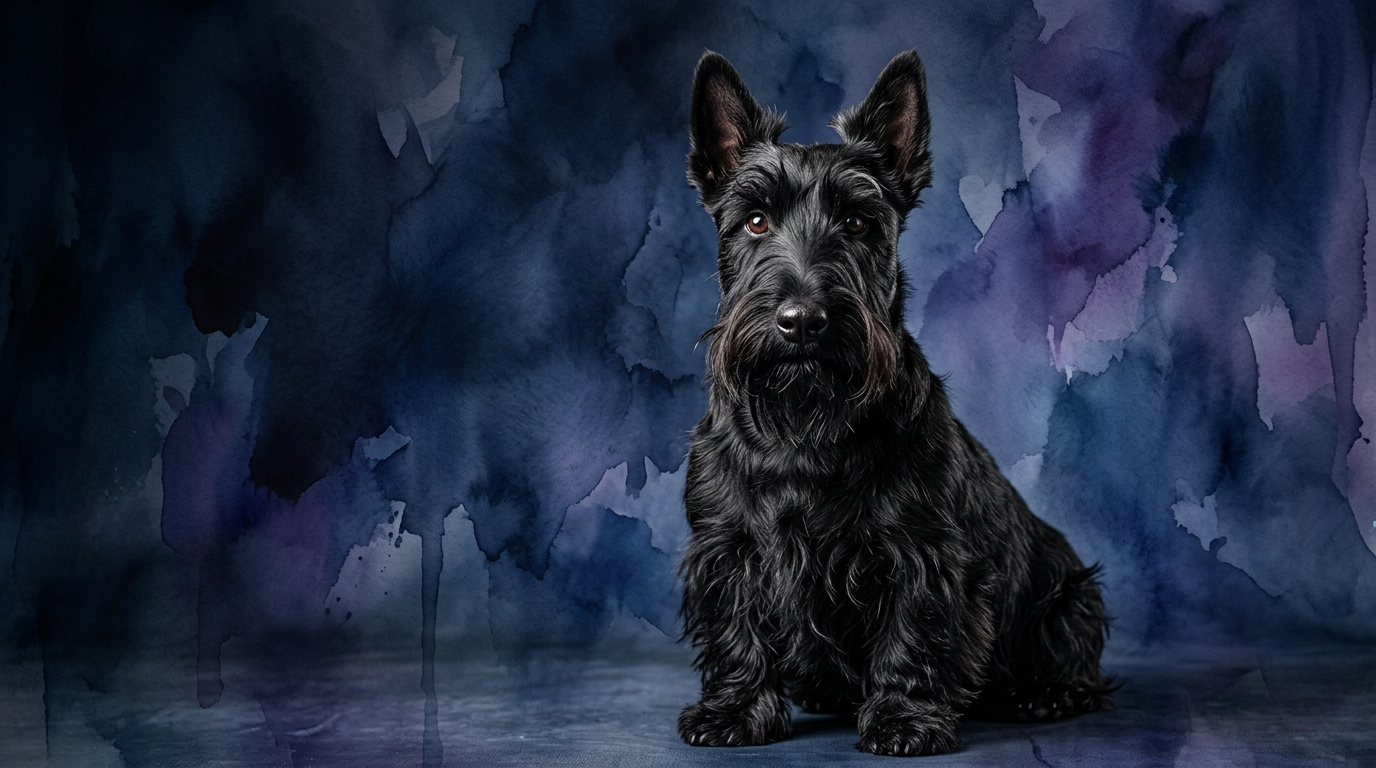
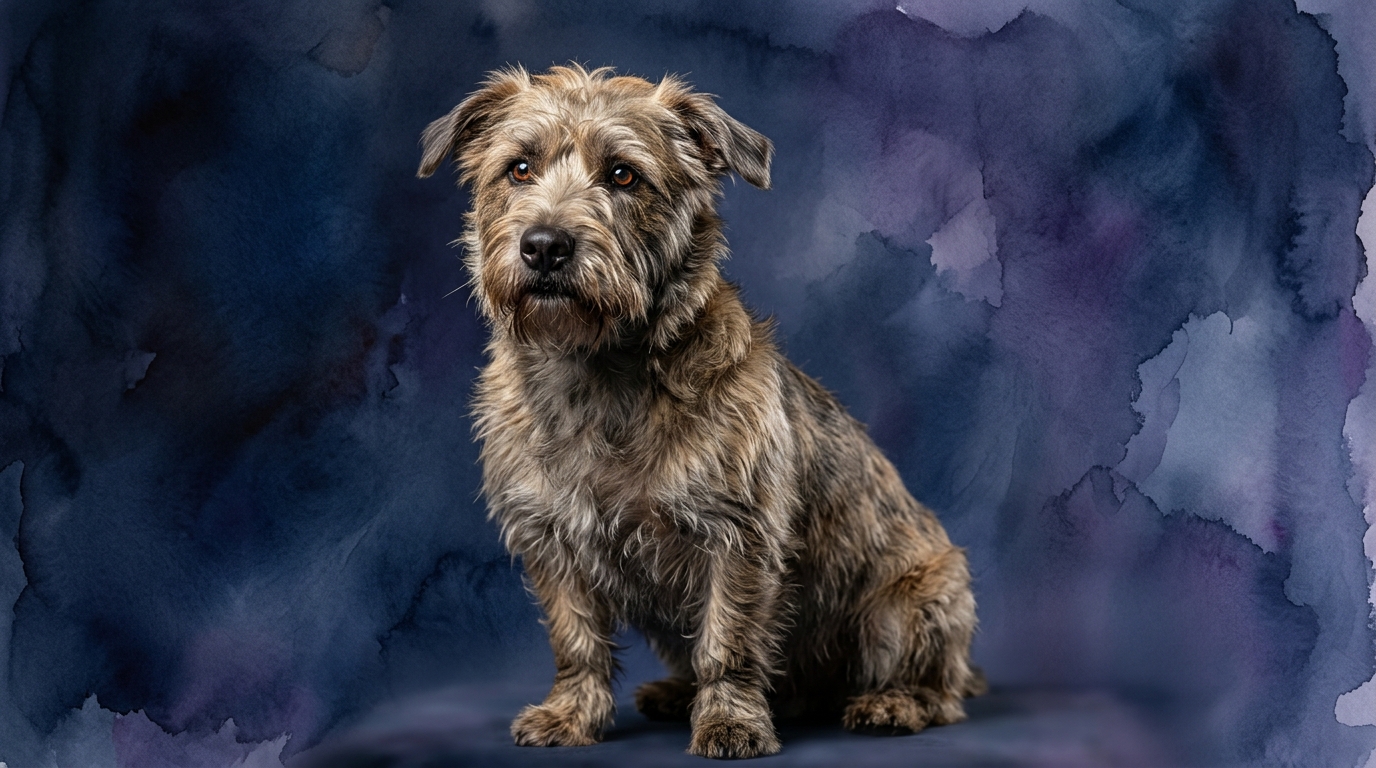
Side-by-Side Cognitive Profile: Scottish Terrier vs. Glen of Imaal Terrier
Delving into the cognitive makeup of the Scottish Terrier and the Glen of Imaal Terrier reveals a shared baseline in their mental faculties, each scoring 3/5 across our five IQ dimensions. However, these identical scores belie unique applications of their cognitive strengths, rooted in their distinct histories and temperaments.
For Problem Solving (3/5), the Scottish Terrier showcases an independent and resourceful mind. Their historical role of flushing prey from intricate underground burrows demanded an innate ability to strategize within confined spaces, bypassing obstacles without human guidance. This manifests as a dog that prefers to work through challenges autonomously, demonstrating both ingenuity and a touch of stubborn determination.
The Glen of Imaal Terrier, also scoring 3/5 in problem-solving, exhibits a tenacious and physically robust approach. Their heritage as badger and fox hunters in rugged Irish terrain required immense perseverance, often involving extensive digging and overcoming physical barriers. A Glen will meticulously and tirelessly work at a puzzle or a desired objective, employing both mental focus and physical strength to achieve its goal.
In Training Speed (3/5), the Scottish Terrier learns new commands at a moderate pace, but their independent streak means they carefully consider the value of compliance. They grasp concepts effectively, yet their willingness to perform is often contingent on their perception of the task's relevance or the reward. Consistency and positive reinforcement are crucial for navigating their inherent 'what's in it for me?' attitude.
Similarly, the Glen of Imaal Terrier's 3/5 in training speed indicates a capable learner, though their strong drive and self-reliant nature can make them appear less eager to please. They are not slow, but rather deliberate, learners, often needing clear, consistent instruction and a compelling reason to engage. Their focused nature means that once they commit to a task, they perform it diligently, but gaining their initial buy-in requires a skilled approach.
Social Intelligence (3/5) for the Scottish Terrier points to a discerning and often reserved demeanor in social interactions. They forge deep bonds with their immediate family but can be aloof or cautious with strangers, preferring to observe before engaging. They understand social cues from their trusted humans but may be less inclined to defer to new people or unfamiliar dogs, often choosing to maintain their composure.
The Glen of Imaal Terrier also scores 3/5 in social intelligence, suggesting a robust social awareness within its established pack, though less outwardly expressive. They are loyal and affectionate with their family, albeit not always demonstrative. Their social interactions with other dogs or unfamiliar people tend to be direct and confident, without necessarily seeking conflict but also not shying away from asserting themselves when needed.
An Instinctive Drive (3/5) in the Scottish Terrier highlights a strong, inherent prey drive and a territorial nature. This manifests as a keen interest in small, scurrying creatures and a vigilant awareness of their surroundings. Their instincts guide much of their behavior, from digging to alerting to perceived intruders, requiring owners to understand and manage these innate urges through appropriate outlets and training.
The Glen of Imaal Terrier's 3/5 in instinctive drive is a testament to its formidable working heritage. Their powerful drive to hunt, dig, and pursue is deeply ingrained, making them highly motivated by scent and movement. This translates into a dog that needs appropriate outlets for its natural behaviors, such as structured digging opportunities or engaging scent work, to prevent these powerful instincts from finding less desirable expressions.
Memory (3/5) for the Scottish Terrier suggests a solid capacity to recall commands, routines, and experiences. They remember both positive and negative associations well, meaning good training sticks, but also that negative experiences or harsh corrections can leave lasting impressions. Their memory contributes to their consistent character, making them reliable once a routine is established.
With a 3/5 in memory, the Glen of Imaal Terrier demonstrates a good ability to retain information. They remember training cues, boundaries, and the layout of their environment effectively. This memory serves their tenacious nature well, allowing them to recall successful problem-solving strategies or the location of interesting scents. Consistent positive reinforcement will reinforce desired behaviors deeply into their memory.
Where the Scottish Terrier Excels Cognitively
While both breeds share similar baseline IQ scores, the Scottish Terrier often demonstrates a unique cognitive edge in areas requiring independent decision-making and subtle environmental navigation. Their Coren rank of #65, placing them in the 'Average Working/Obedience Intelligence' category, suggests a more established understanding of their cognitive patterns in comparison to the unranked Glen of Imaal. This implies that their particular brand of 3/5 problem-solving is well-documented for its application in intricate, self-directed tasks, such as independently plotting the most efficient path through a complex garden or discerning the most vulnerable point in a toy to 'disassemble' it. Their focused, almost cerebral approach to understanding their immediate environment allows them to excel at tasks demanding sustained, individual attention without constant human direction.
Where the Glen of Imaal Terrier Excels Cognitively
Conversely, the Glen of Imaal Terrier's cognitive strengths often manifest in sheer, unwavering persistence and a robust physical application of their problem-solving skills, even with identical 3/5 scores. Where a Scottie might outwit a challenge, a Glen will outlast it, demonstrating an exceptional capacity for sustained effort in pursuit of a goal. This tenacity is a cognitive advantage in scenarios demanding physical endurance and a refusal to give up, such as meticulously tunneling under a fence or continuously working a challenging interactive feeder until every last morsel is extracted. Their social intelligence, while rated the same, often presents as a more direct and less fussy engagement within their established social hierarchy, leading to a straightforward and predictable interaction style once their boundaries are understood.
Training Dynamics: Which is Easier to Train and Why?
Determining which breed is 'easier' to train is less about raw learning capacity and more about managing their inherent terrier traits. Both breeds possess a 3/5 training speed, indicating moderate learning. The Scottish Terrier, with its independent and sometimes aloof nature, can be perceived as more challenging due to its selective hearing and a tendency to evaluate the worth of a command. They learn quickly but may choose not to comply if the motivation isn't compelling enough, requiring consistent, positive reinforcement and a strong, trusting bond to foster cooperation. Their inherent stubbornness means training often feels like a negotiation, demanding patience and creative motivation.
The Glen of Imaal Terrier, while equally tenacious and independent, often exhibits a more focused drive once engaged. Their physical robustness means they can be more challenging to physically manage if they decide on a course of action contrary to their owner's wishes, like pulling on a leash towards an interesting scent. However, once a Glen understands and commits to a task, their dedication can make them exceptionally reliable. Training success for both hinges on early socialization, clear boundaries, and an understanding of their deep-seated terrier instincts, but the Scottie's aloofness might require more nuanced engagement, while the Glen's sheer physical determination might demand more structured redirection.
Matching Breeds to Lifestyles: Active vs. Relaxed Owners
Both the Scottish Terrier and the Glen of Imaal Terrier, despite their compact size, are working terriers with significant needs for mental and physical engagement. For active owners, the Glen of Imaal Terrier might offer a more physically demanding partnership. Their heritage of digging and badger work translates into a robust energy level and a need for vigorous exercise, long walks, and opportunities for scent work or structured digging. Owners who enjoy hiking, long-distance walks, or engage in dog sports like earthdog trials would find a highly motivated and enduring companion in the Glen.
The Scottish Terrier, while also requiring regular exercise, might suit owners who prefer a blend of mental stimulation and moderate physical activity. They enjoy walks and playtime but are often content with structured indoor games, puzzle toys, and training sessions that challenge their independent minds. A more relaxed owner who can still commit to daily walks and consistent mental engagement, but perhaps isn't seeking a constant running partner, might find the Scottie's more contained energy and discerning nature a better fit. Neither breed is suited for truly sedentary lifestyles, as their terrier instincts demand an outlet, but the Glen leans towards more physically intensive activities, while the Scottie thrives on a balance of physical and cerebral engagement.
The Verdict
Choose the Scottish Terrier if you appreciate a discerning, independent companion who thrives on mental puzzles and a balanced routine, and you are prepared for a dog that values its own counsel but forms deep, loyal bonds.
Opt for the Glen of Imaal Terrier if you seek a rugged, tenacious partner with immense physical and mental stamina for outdoor adventures and structured work, and you can provide consistent, firm guidance for their unwavering drive.
🧠 Find Your Pet's IQ Score
Our Pet IQ Lab assessment covers 25+ tests across 5 cognitive dimensions — personalized to your breed.
Take the Full IQ Test →Frequently Asked Questions
Do Scottish Terriers and Glen of Imaal Terriers have different learning styles despite similar IQ scores?
Yes, while both score 3/5 in training speed, their learning styles differ. Scottish Terriers often learn through observation and independent problem-solving, requiring owners to demonstrate the 'why' behind a command. Glen of Imaal Terriers learn through persistent repetition and a clear understanding of the task, responding well to consistent, goal-oriented training methods.
How does their instinctive drive impact daily life for both breeds?
Both breeds possess a 3/5 instinctive drive, translating into strong prey drives and a love for digging. For Scottish Terriers, this often means vigilance for small animals and a territorial nature. For Glen of Imaal Terriers, it manifests as a powerful urge to pursue and dig, requiring secure yards and outlets like earthdog sports or designated digging areas to manage these innate behaviors constructively.
Which breed is more adaptable to different living environments?
Both breeds can adapt to various environments with proper exercise and mental stimulation, but their temperaments influence adaptability. The Scottish Terrier's more reserved social nature might make it slightly more content in a quieter home. The Glen of Imaal Terrier's robust energy and strong drive mean it thrives where it has ample opportunity for physical exertion, making it well-suited to homes with secure outdoor space or owners committed to regular, vigorous outings.