Side-by-Side IQ Profile: Scottish Terrier vs. Japanese Chin
At The Cosmic Pet's Pet IQ Lab, both the Scottish Terrier and the Japanese Chin score an identical 3/5 across all five measured cognitive dimensions. While the numerical scores are the same, their expression within each breed's unique temperament and history paints a remarkably different picture of their cognitive landscape.
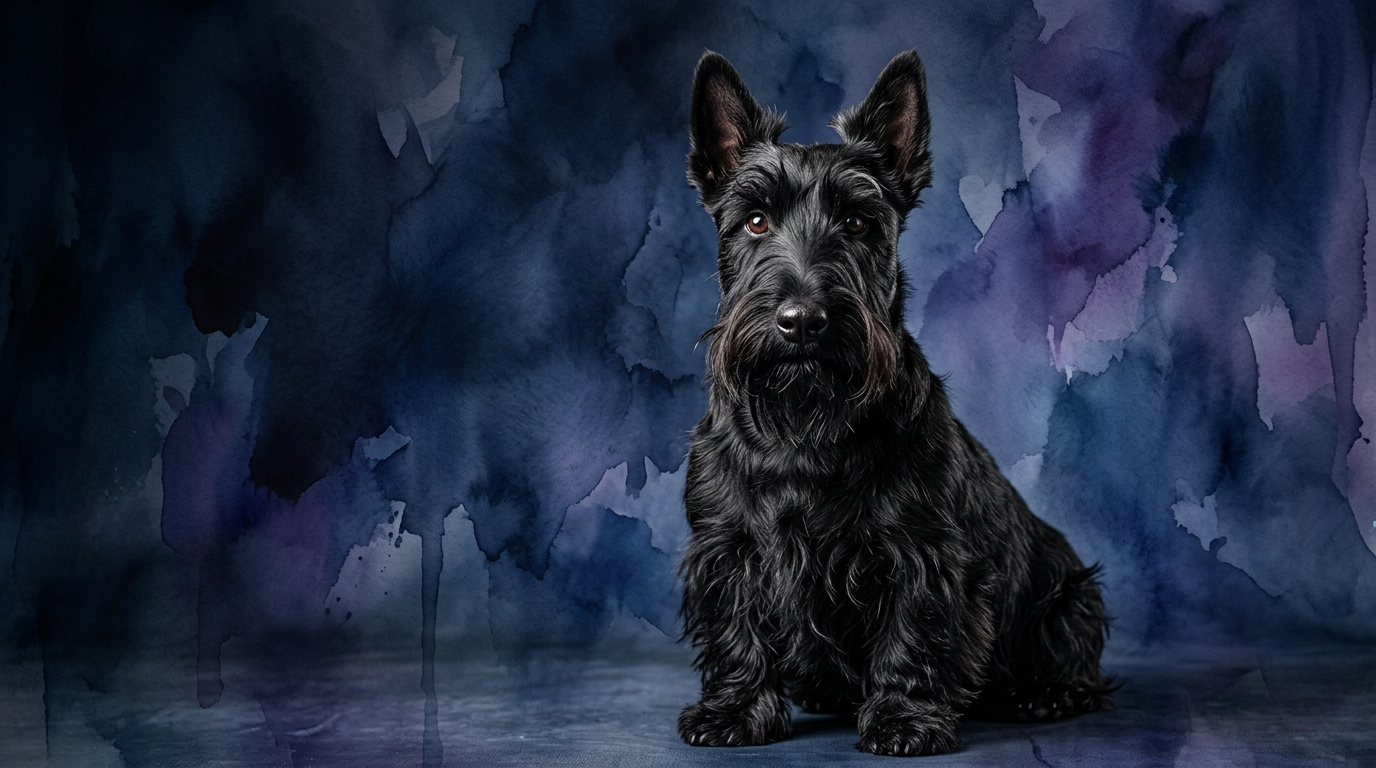
For the **Scottish Terrier (Coren Rank #65)**, Problem Solving (3/5) manifests as practical ingenuity rather than abstract thought. A Scottie might devise a clever strategy to outsmart a squirrel or access a forbidden area, demonstrating a focused, determined approach to obstacles. Training Speed (3/5) indicates a capacity to learn, but often at their own pace; their independent nature means compliance is frequently conditional on their perceived benefit. Social Intelligence (3/5) is discerning; they form deep, loyal bonds with their chosen family but are often reserved with strangers, a selective application of their social faculties. Instinctive Drive (3/5) is strongly rooted in their terrier heritage, directing much of their attention towards digging, chasing, and scent exploration. Memory (3/5) is solid for routines and favored people, though sometimes overridden by a compelling instinctive urge.
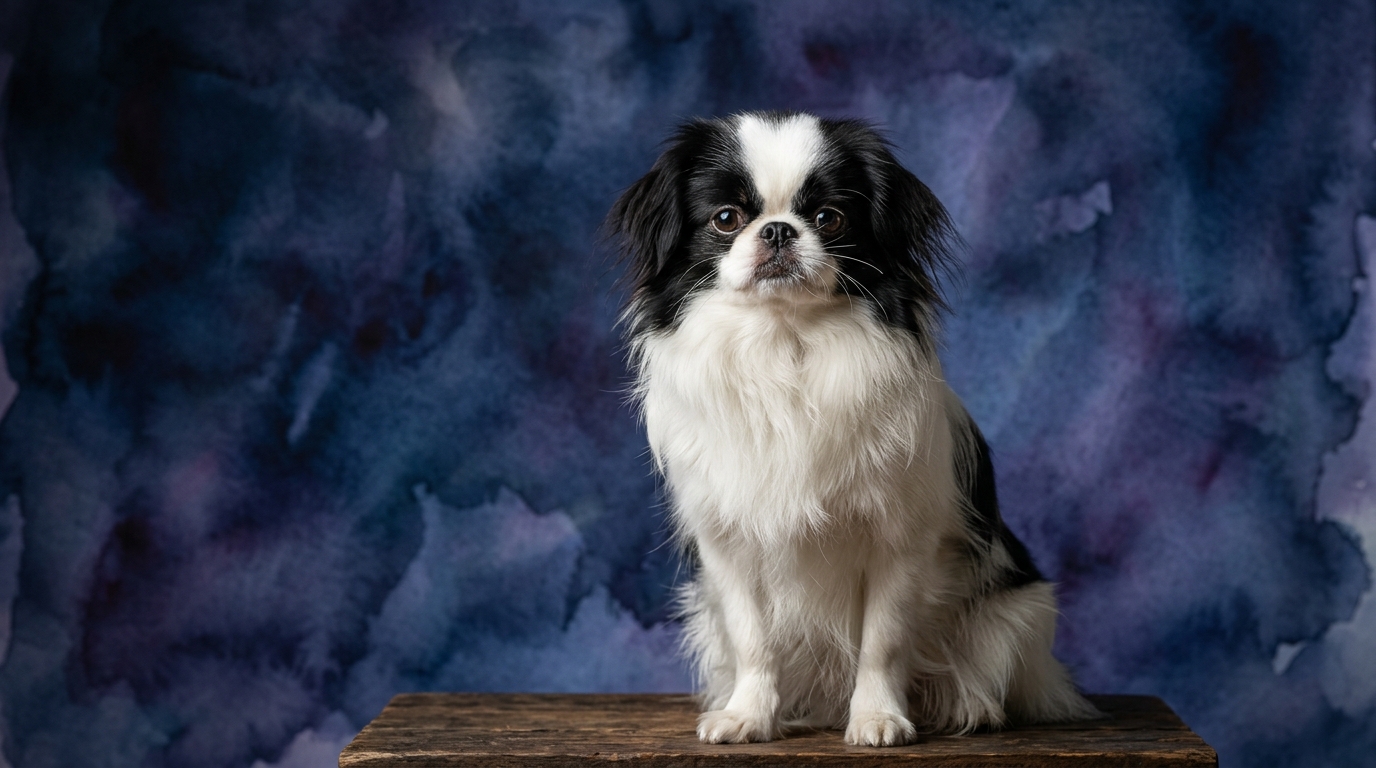
The **Japanese Chin (Not Coren-ranked)**, with identical 3/5 scores, expresses its intelligence differently. Problem Solving (3/5) often centers on social manipulation and comfort, like strategically positioning themselves for maximum affection or subtly communicating desires, showcasing a nuanced understanding of their human environment. Training Speed (3/5) reflects their ability to learn, thriving on positive reinforcement and gentle guidance, absorbing new information best in a calm, encouraging atmosphere. Social Intelligence (3/5) is a standout feature, demonstrating a keen ability to read human emotions and intentions, often pre-empting their owners' needs. Instinctive Drive (3/5) is predominantly geared towards companionship and interaction, displaying an innate desire for close human contact and playful engagement. Memory (3/5) is good, particularly for loved ones, daily routines, and cues associated with comfort or play, indicating a clear retention of social experiences.
Where the Scottish Terrier Wins Cognitively
The Scottish Terrier's cognitive strengths lie in their independent problem-solving within practical, real-world scenarios. Their determination to achieve a goal, whether it's navigating a complex outdoor environment or figuring out how to access a specific item, showcases a unique blend of persistence and cunning. This isn't about abstract thought, but rather a direct, effective application of their cognitive resources to overcome physical obstacles.
Their strong instinctive drive, while sometimes presenting training challenges, is a significant cognitive asset for tasks requiring sustained focus and tenacity. Activities like scent work, earth dog trials, or agility challenges that tap into their natural hunting instincts allow them to excel. They thrive in situations where a dog needs to 'think for itself' and push through difficulties without constant human prompting, demonstrating a robust, self-reliant form of intelligence.
Where the Japanese Chin Wins Cognitively
The Japanese Chin's cognitive strengths are profoundly rooted in their social and emotional intelligence. They possess an exceptional ability to interpret subtle human cues—a slight change in tone, a shift in body language—and respond accordingly, often pre-empting their owner's needs or moods. This deep social attunement allows them to integrate seamlessly into a family, acting as highly empathetic and intuitive companions.
Their problem-solving often involves a sophisticated form of social manipulation. Chins might use charming antics or specific vocalizations to 'train' their humans to provide comfort, treats, or attention, highlighting their understanding of human behavior and emotional responses. They excel in environments where emotional connection and nuanced interaction are paramount, demonstrating an intelligence geared towards fostering strong interpersonal bonds.
Which is Easier to Train and Why
Despite identical 3/5 training speed scores, the *experience* of training these two breeds often differs significantly due to their distinct temperaments. The Japanese Chin tends to be perceived as easier to train for the average owner, primarily because of their inherent desire for human companionship and their sensitive nature. They respond exceptionally well to positive reinforcement, gentle voices, and reward-based methods, eager to please and avoid conflict.
Conversely, the Scottish Terrier's strong independent streak and deep-seated instinctive drives can make training a more persistent endeavor. While certainly capable of learning commands, their compliance often hinges on whether the instruction aligns with their current interest or inherent terrier agenda. Owners need immense patience, consistency, and a strong understanding of motivational techniques to work with a Scottie, as they are less inclined to blindly follow and more likely to question the 'why.' Therefore, for an owner seeking a more straightforward and less challenging training experience, the Japanese Chin often presents fewer behavioral hurdles.
Which Suits Active Owners vs. Relaxed Owners
The Scottish Terrier is a natural fit for owners who lead a moderately active lifestyle and appreciate a dog with a robust, independent spirit. Their need for regular walks, opportunities to explore, and mental engagement (especially activities that tap into their digging or chasing instincts) makes them suitable for individuals or families who enjoy outdoor adventures and can provide consistent, stimulating routines. They thrive with owners who understand and respect their terrier tenacity and are prepared for a dog that sometimes prefers its own agenda.
The Japanese Chin, on the other hand, is perfectly suited for more relaxed, indoor-oriented owners. Their exercise needs are minimal, content with short daily walks and indoor play sessions. They excel as devoted lap companions, thriving on close human interaction and a calm home environment. Owners who appreciate a sensitive, affectionate, and sometimes comical companion that is content to share a sofa and offer quiet presence will find the Chin an ideal match for their lifestyle.
The Verdict
Choose the Scottish Terrier if you value a tenacious, independent companion for moderate outdoor activity, and you appreciate a dog with a strong, discerning personality that will challenge and reward consistent training.
Opt for the Japanese Chin if you seek a sensitive, affectionate, and adaptable companion who thrives on close human connection and a calm, indoor lifestyle.
🧠 Find Your Pet's IQ Score
Our Pet IQ Lab assessment covers 25+ tests across 5 cognitive dimensions — personalized to your breed.
Take the Full IQ Test →Frequently Asked Questions
Do Scottish Terriers need a lot of exercise?
While not marathon runners, Scottish Terriers require consistent daily walks and opportunities for mental stimulation to satisfy their active minds and bodies. They benefit from structured play and activities that engage their natural instincts, preventing boredom and potential mischief.
Are Japanese Chins good apartment dogs?
Absolutely. Japanese Chins are exceptionally well-suited for apartment living due to their small size, moderate exercise needs, and strong preference for indoor comfort and human companionship. They generally adapt well to smaller spaces as long as they receive adequate attention and short daily outings.
How do Scottish Terriers interact with children?
Scottish Terriers can be good with older, respectful children who understand how to interact with a dog that values its personal space and can be sensitive to rough play. Early socialization and supervision are key to fostering positive relationships, as their independent nature means they may not tolerate constant handling.