
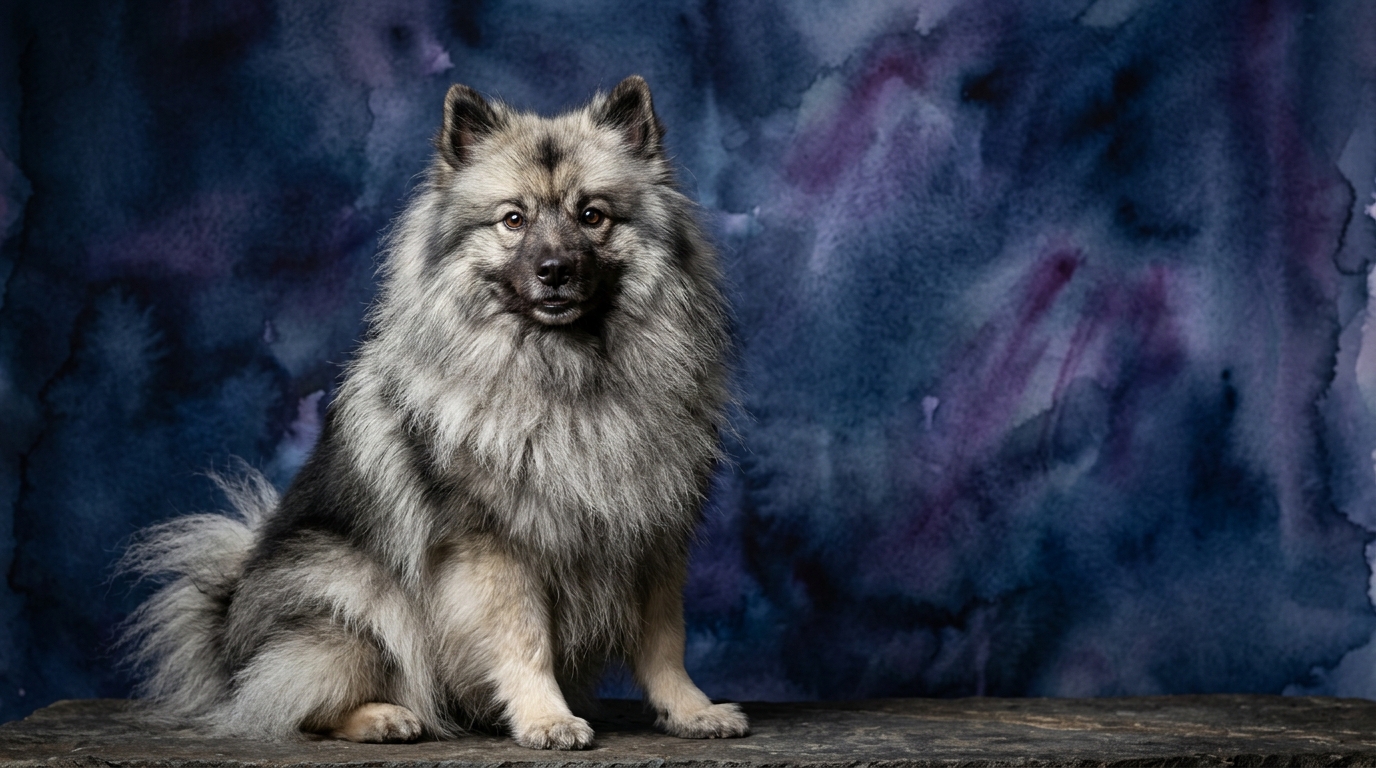
Side-by-Side IQ Profile: Scottish Terrier vs. Keeshond
Our Pet IQ Lab provides a nuanced look at canine cognition, moving beyond simple labels to assess five key dimensions. For the Scottish Terrier, a dog from the Terrier group, we observe a consistent performance across the board: Problem Solving 3/5, Training Speed 3/5, Social Intelligence 3/5, Instinctive Drive 3/5, and Memory 3/5. This profile suggests a dog that approaches tasks with a moderate, steady pace, relying on its inherent terrier characteristics.
The Keeshond, a Non-Sporting breed, presents a different cognitive blueprint. It registers higher in several areas: Problem Solving 4/5, Training Speed 4/5, Social Intelligence 3/5, Instinctive Drive 3/5, and a standout Memory score of 5/5. These scores indicate a breed that typically grasps new concepts more quickly and retains information with remarkable proficiency, while sharing a similar level of social awareness and instinctive drive with the Scottie.
The Coren rank further differentiates these two: the Keeshond sits at a respectable #16, indicating a strong capacity for obedience and working intelligence, while the Scottish Terrier is ranked #65. This disparity often reflects differences in their ability to understand and execute commands, as well as their general adaptability to structured learning environments, providing a broad context for our detailed IQ analysis.
Where the Scottish Terrier Excels Cognitively
While the Scottish Terrier's scores are moderate, their cognitive strength often lies in their unwavering independence and persistence, particularly when tackling self-directed challenges. Their 3/5 Problem Solving score, combined with a 3/5 Instinctive Drive, means they are not easily deterred once they set their mind to a task, especially if it taps into their terrier heritage of digging or investigating. This isn't about rapid solutions, but rather sustained effort and ingenuity born from an internal motivation.
A Scottish Terrier might not solve a puzzle toy as quickly as a Keeshond, but they are more likely to keep at it for an extended period, experimenting with different approaches until they achieve their goal. This tenacity is a cognitive asset in situations where a quick solution isn't apparent, or when a task requires a dog to work autonomously without constant human prompting. Their moderate social intelligence means they process environmental cues sufficiently to navigate their surroundings, but their internal drive often dictates their actions more than external social pressures.
Where the Keeshond Demonstrates Cognitive Superiority
The Keeshond truly shines with its impressive 5/5 Memory and 4/5 Training Speed, making it a cognitive powerhouse in areas requiring retention and rapid learning. This breed can quickly form associations between commands and actions, remembering a vast repertoire of cues and routines over long periods. This superior recall means they are often more reliable in executing complex sequences of behaviors and adapting to new rules or environments with minimal repetition.
Their 4/5 Problem Solving score suggests they process new situations efficiently, often finding solutions more directly than the Scottie. This, combined with their excellent memory, allows them to learn from past experiences and apply those lessons to novel challenges effectively. For tasks involving spatial memory, remembering object locations, or recalling intricate training sequences, the Keeshond's cognitive architecture provides a distinct advantage, enabling them to master and retain complex skills with greater ease.
Ease of Training: Behavioral Differences in Action
When it comes to ease of training, the Keeshond holds a clear advantage due to its higher Training Speed (4/5 versus 3/5 for the Scottie) and significantly superior Memory (5/5 versus 3/5). A Keeshond typically grasps new commands and concepts with fewer repetitions, retaining them for longer periods. This means training sessions can be more efficient and progressive, building quickly on previously learned behaviors. Their eagerness to engage and remember what they've learned makes them highly responsive to consistent positive reinforcement.
The Scottish Terrier, with its moderate Training Speed and Memory, often requires more patience and creative strategies. Their independent nature, a hallmark of many terriers, means they are less inclined to simply comply and more likely to question the purpose of a command. Training a Scottie often involves making the task inherently rewarding or engaging their curiosity, rather than relying solely on rote memorization. While capable of learning, their progress might be slower, and their retention may require more frequent refreshers compared to a Keeshond, demanding a dedicated and understanding trainer.
Matching Breeds to Lifestyles: Active vs. Relaxed Owners
Considering their cognitive profiles, both breeds can adapt to various lifestyles, but their innate preferences often align better with specific owner types. The Scottish Terrier, with its 3/5 Instinctive Drive and moderate Problem Solving, thrives with owners who appreciate an independent spirit and are prepared to engage their dog's mind through structured, consistent, and often varied training. They may not require miles of running, but they benefit from mental challenges like scent games or puzzle toys that allow them to 'work' and think for themselves. An owner who enjoys short, focused training sessions and appreciates a dog with a distinctive personality, even if it comes with a stubborn streak, might find a Scottie a perfect fit. They are suitable for relaxed owners who are nevertheless consistent and engaging during dedicated interaction times, but not for those seeking a purely passive companion.
The Keeshond, with its higher Training Speed, Problem Solving, and exceptional Memory, is an excellent choice for owners who enjoy active participation in their dog's mental development. They excel in dog sports like obedience, rally, or agility, where their capacity for learning complex sequences and their strong recall can be fully utilized. These activities provide the mental and physical stimulation a Keeshond truly enjoys. They thrive on interaction and learning, making them suitable for owners who enjoy frequent, interactive training sessions, walks, and opportunities for social engagement. While capable of being a relaxed companion, a Keeshond's cognitive strengths are best harnessed by an owner who provides consistent mental challenges and companionship, making them ideal for owners who are active in their dog's life rather than just providing basic care.
The Verdict
Choose the Scottish Terrier if you appreciate an independent, persistent companion and are prepared for a training journey that values consistent engagement and patience over rapid compliance.
Opt for the Keeshond if you seek a highly trainable, memory-rich companion eager to learn and engage in varied mental and physical activities, thriving on interactive training and companionship.
🧠 Find Your Pet's IQ Score
Our Pet IQ Lab assessment covers 25+ tests across 5 cognitive dimensions — personalized to your breed.
Take the Full IQ Test →Frequently Asked Questions
Are Scottish Terriers difficult to train?
Scottish Terriers are not necessarily difficult, but their independent nature and moderate training speed mean they require consistent, patient, and engaging training methods. They may take longer to grasp commands and require more reinforcement than some other breeds, but they are certainly capable of learning.
How good is a Keeshond's memory?
Keeshonds possess exceptional memory, scoring 5/5 in our Pet IQ Lab assessment. This allows them to quickly learn and retain a large number of commands, routines, and experiences, making them excellent candidates for complex training and reliable recall over time.
Which breed is better for first-time dog owners?
For first-time dog owners, the Keeshond generally presents an easier learning curve due to its higher training speed and superior memory, making it more responsive to instruction. A Scottish Terrier's independence and moderate trainability might be more challenging for an inexperienced owner, requiring greater patience and a more creative approach to training.