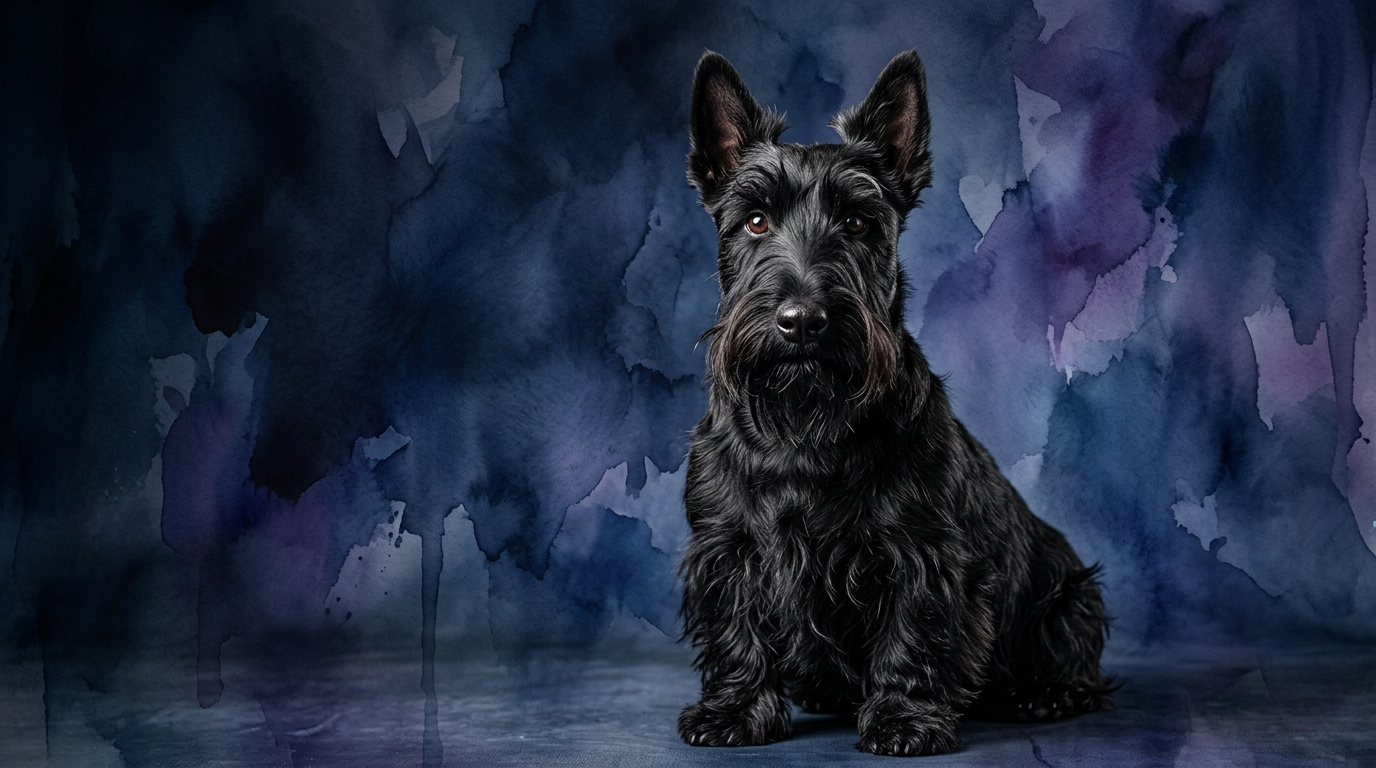
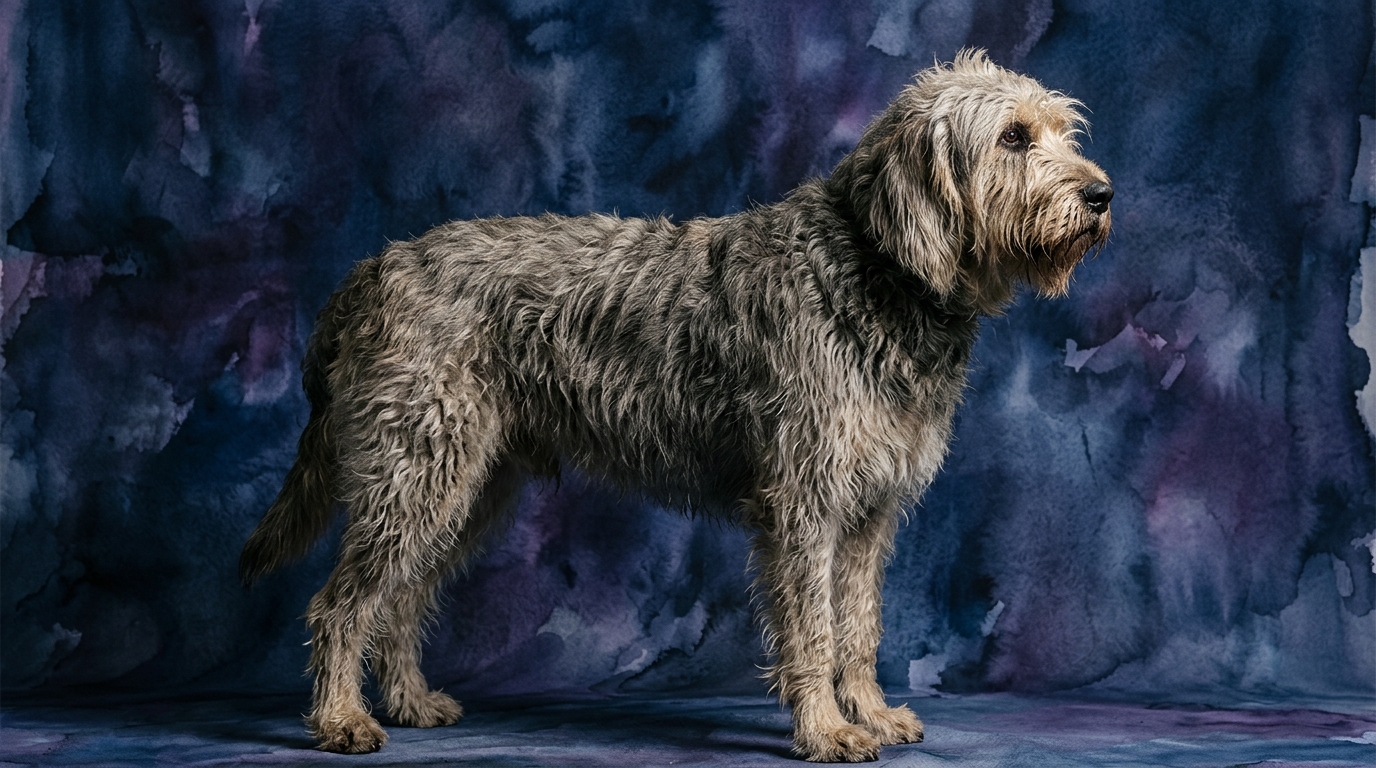
Side-by-Side Cognitive Profiles
The Cosmic Pet Pet IQ Lab has scored both the Scottish Terrier and the Otterhound identically across five crucial cognitive dimensions, presenting a compelling opportunity to examine how these similar scores manifest through very different breed lenses. Understanding these nuances moves beyond mere numbers to reveal the practical application of their mental capacities.
For the **Scottish Terrier**, their **Problem Solving (3/5)** isn't about complex logical sequences but rather about persistent, sometimes crafty, effort to achieve a goal, particularly if that goal involves reaching a perceived 'prey' or overcoming a barrier. They exhibit a cleverness in navigating their immediate environment and devising strategies to get what they want. Their **Training Speed (3/5)**, while capable, is often influenced by their strong will and independent nature. They absorb commands, but compliance is frequently tied to their perceived value of the task. In **Social Intelligence (3/5)**, Scotties display a discerning nature, forming deep bonds with their chosen humans while often being reserved or aloof with strangers, adept at reading subtle cues within their established social circle. Their **Instinctive Drive (3/5)** includes a characteristic prey drive, digging, and territorial guarding, fueling their determination. Finally, their **Memory (3/5)** is robust, retaining learned commands, routines, and experiences, both positive and negative, over long periods.
The **Otterhound's** cognitive makeup, while numerically similar, reflects their heritage as a scent hound. Their **Problem Solving (3/5)** aptitude is heavily influenced by their primary instinct: scent work. They excel at navigating complex scent trails, overcoming environmental obstacles like water or dense undergrowth to follow a track, demonstrating persistent, methodical deduction through olfactory information. Their **Training Speed (3/5)** is often hampered by their overwhelming scent drive; while they grasp concepts, attention can be easily diverted by an interesting smell. **Social Intelligence (3/5)** for Otterhounds is generally gregarious and amiable, thriving in pack-like environments, enjoying company and navigating group dynamics with a good-natured disposition. Their **Instinctive Drive (3/5)** is profoundly centered around scenting and water work, with a powerful nose dictating much of their behavior and an impressive endurance for sustained outdoor activity. Their **Memory (3/5)** is strong, particularly for scent trails, familiar routes, and positive reinforcement experiences, supporting their tracking abilities and helping them learn complex environmental patterns.
Where the Scottish Terrier Excels Cognitively
The Scottish Terrier truly shines in areas demanding independent thought and a distinct form of resourcefulness, reflecting their heritage as a plucky earth dog. Their cognitive strengths are less about following a leader blindly and more about self-directed ingenuity. A Scottie excels at tasks requiring them to figure out how to access a desired item, perhaps by nudging a door open or strategically moving an object, demonstrating a practical, hands-on problem-solving approach in their immediate environment.
This breed's tenacity means they will often persist with a challenge long after other dogs might give up, particularly when their goal aligns with their inherent drive, like 'eliminating' a perceived pest or securing a comfortable spot. This sustained focus on a self-chosen objective showcases their mental fortitude and determination.
Their discernment in social settings also stands out; they quickly assess new individuals or situations, often making a judgment call about trustworthiness or intent faster than some more indiscriminately friendly breeds. This allows them to navigate their social world with a cautious, yet intelligent, reserve, making them less susceptible to manipulation and more attuned to genuine connection within their established circle.
Where the Otterhound Excels Cognitively
The Otterhound's cognitive prowess lies predominantly in the intricate world of scent and endurance. While their numerical problem-solving score is similar, their application of it is vastly different, honed by centuries of tracking game. An Otterhound excels at complex scent discrimination, capable of following incredibly faint or convoluted trails over varied terrain and through water, a task requiring sophisticated cognitive mapping and sustained focus that few breeds can match.
This sustained mental effort, coupled with impressive physical stamina, represents a unique form of cognitive endurance. They are adept at solving 'real-world' puzzles involving locating hidden items by scent, demonstrating a methodical, systematic approach unique to scent hounds. Their ability to process and prioritize olfactory information in dynamic environments is a testament to their specialized intelligence.
Furthermore, their social intelligence, while rated similarly, manifests as a more open, good-natured adaptability in larger group settings. They are often less prone to territorial squabbles or sharp judgments, preferring amiable coexistence, a valuable trait in a pack animal designed for cooperative hunting. This capacity for harmonious group interaction is a distinct cognitive advantage in communal living.
Training Dynamics: Scottie's Will vs. Otterhound's Nose
When it comes to training, neither the Scottish Terrier nor the Otterhound presents an 'easy' path in the conventional sense, but for entirely different reasons rooted in their behavioral makeups. The Scottish Terrier's training challenge stems from their inherent independence and strong-willed personality. They are not inclined to blindly obey; instead, they weigh the value of a command against their own desires or perceived importance. Training a Scottie requires immense consistency, making the learning process feel like a collaborative game where they are choosing to participate, not just complying. Distractions for a Scottie are less about external stimuli and more about their own internal agenda or stubborn streak.
The Otterhound, on the other hand, is a willing learner when engaged, but their formidable scent drive is a constant, powerful distraction. A fascinating smell can instantly override any command or focus on their handler, making it incredibly difficult to maintain their attention in stimulating environments. Training an Otterhound demands exceptional patience, high-value rewards to compete with environmental scents, and often starting in low-distraction settings before gradually introducing more complexity. While they can learn a wide array of commands, the challenge lies in consistently *getting* their attention and *keeping* it when their nose is on a mission.
Ultimately, while the Scottie's mind might be saying 'Why should I?', the Otterhound's mind is often saying 'What's that smell?'. Both require an owner who understands their breed-specific motivations and is prepared to adapt training methods accordingly. The Scottie benefits from making training feel like their idea, while the Otterhound needs help managing their powerful instincts to focus on the handler.
Matching Canine Temperament to Owner Lifestyle
Considering the distinct cognitive and behavioral profiles of these breeds reveals clear leanings towards different owner lifestyles. The Scottish Terrier, with its discerning social intelligence and independent problem-solving, is well-suited for owners who appreciate a dog with a distinct personality and a thoughtful approach to life. While they need regular walks and mental enrichment through puzzle toys or short, engaging training sessions, they aren't built for marathon runs. They can adapt well to indoor living, provided their need for intellectual engagement and a sense of purpose is met.
This breed thrives with owners who enjoy a close, interactive bond built on mutual respect, and who can appreciate a dog that might not always be overtly demonstrative but is deeply loyal and observant. They require an owner who can provide consistent boundaries and understand their independent streak, offering enrichment that taps into their problem-solving nature without overwhelming them physically.
Conversely, the Otterhound is an ideal companion for truly active, adventurous owners who embrace the great outdoors, especially if water is involved. Their powerful instinctive drive for scenting and their impressive endurance mean they require significant daily exercise, often needing several hours of vigorous activity, including long hikes, runs, or swimming. A relaxed, sedentary owner would find an Otterhound's energy levels and need for olfactory stimulation overwhelming, potentially leading to destructive behaviors born of boredom.
This breed thrives with individuals or families who are prepared to integrate their dog into a lifestyle filled with sustained outdoor exploration, scent games, and opportunities to indulge their love for water. They need an owner who understands and respects their powerful nose, channeling it into appropriate activities rather than trying to suppress it, ensuring both physical and mental fulfillment.
The Verdict
Choose the Scottish Terrier if you seek a discerning, independent companion who thrives on mental engagement, a strong, respectful bond, and appreciates a dog with a unique, tenacious personality.
Opt for the Otterhound if you are an active adventurer who embraces long outdoor excursions, particularly near water, and are prepared to channel a formidable scent drive into engaging, endurance-based activities.
🧠 Find Your Pet's IQ Score
Our Pet IQ Lab assessment covers 25+ tests across 5 cognitive dimensions — personalized to your breed.
Take the Full IQ Test →Frequently Asked Questions
Are Scottish Terriers good with other pets?
Scotties can be discerning about their housemates. While they can coexist with other dogs and cats, their strong prey drive means careful introductions and supervision are crucial, especially with smaller animals like rodents. They often prefer being the sole canine focus in a home.
How much exercise does an Otterhound need daily?
Otterhounds require substantial daily exercise, typically 1-2 hours of vigorous activity, including long walks, runs, or swimming. Their stamina and scent drive make them ideal companions for active outdoor enthusiasts, needing outlets for both physical and mental energy to remain content.
Do both breeds adapt well to apartment living?
The Scottish Terrier can adapt to apartment living if their exercise needs are met through regular walks and they receive ample mental stimulation indoors. Otterhounds, however, due to their larger size, boundless energy, vocal nature, and profound need for outdoor scent work, are generally better suited to homes with larger yards and more space to roam.