Side-by-Side IQ Profile
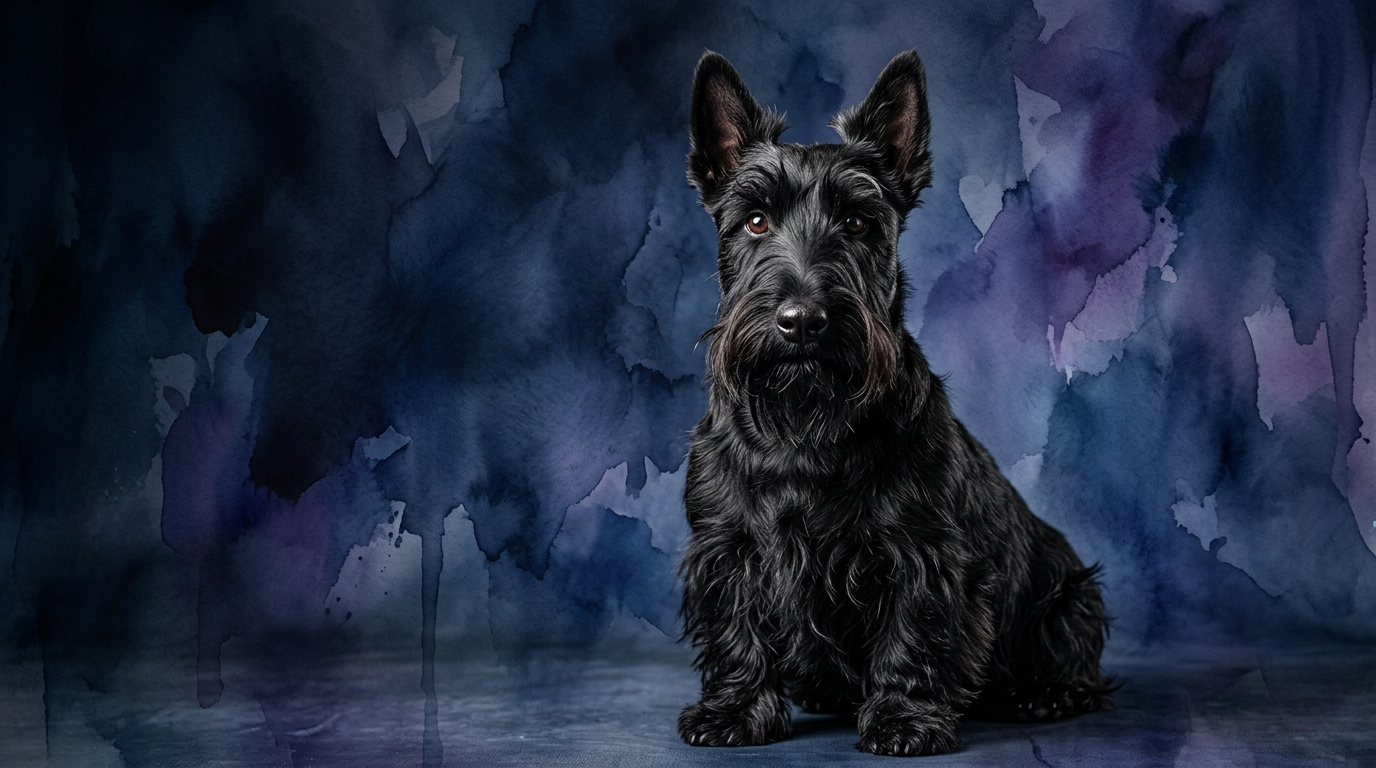
**Scottish Terrier (Coren Rank #65):**
**Problem Solving (3/5):** The Scottish Terrier's problem-solving often manifests in independent thought, particularly when pursuing vermin or navigating complex environments. This determined, often solitary approach helps them overcome obstacles to achieve goals like finding a hidden toy or accessing a forbidden area. Their solutions are typically practical and self-serving within their terrier nature.
**Training Speed (3/5):** Scotties learn new commands at a moderate pace, but their independent spirit demands consistency. While they grasp concepts, their willingness to perform can be influenced by mood or a more pressing 'terrier business.' They require engaging, positive reinforcement to maintain interest and compliance.
**Social Intelligence (3/5):** A Scottie's social intelligence is often directed inward towards their immediate family, forming strong, discerning bonds. They read human emotions well within their trusted circle but tend to be reserved with strangers. Their understanding of social cues focuses on assessing trustworthiness and maintaining personal space.
**Instinctive Drive (3/5):** This dimension is strongly expressed in the Scottish Terrier through robust prey drive, territoriality, and digging instincts. Their historical role of hunting small game means they possess persistent, focused determination when presented with a scent or perceived 'intruder.' This drive fuels much of their cognitive activity.
**Memory (3/5):** Scotties possess solid memory for routines, learned commands, and their territory's layout. They recall past experiences, influencing future reactions to situations or people. This memory aids independent navigation and consistent behavior within their established environment.
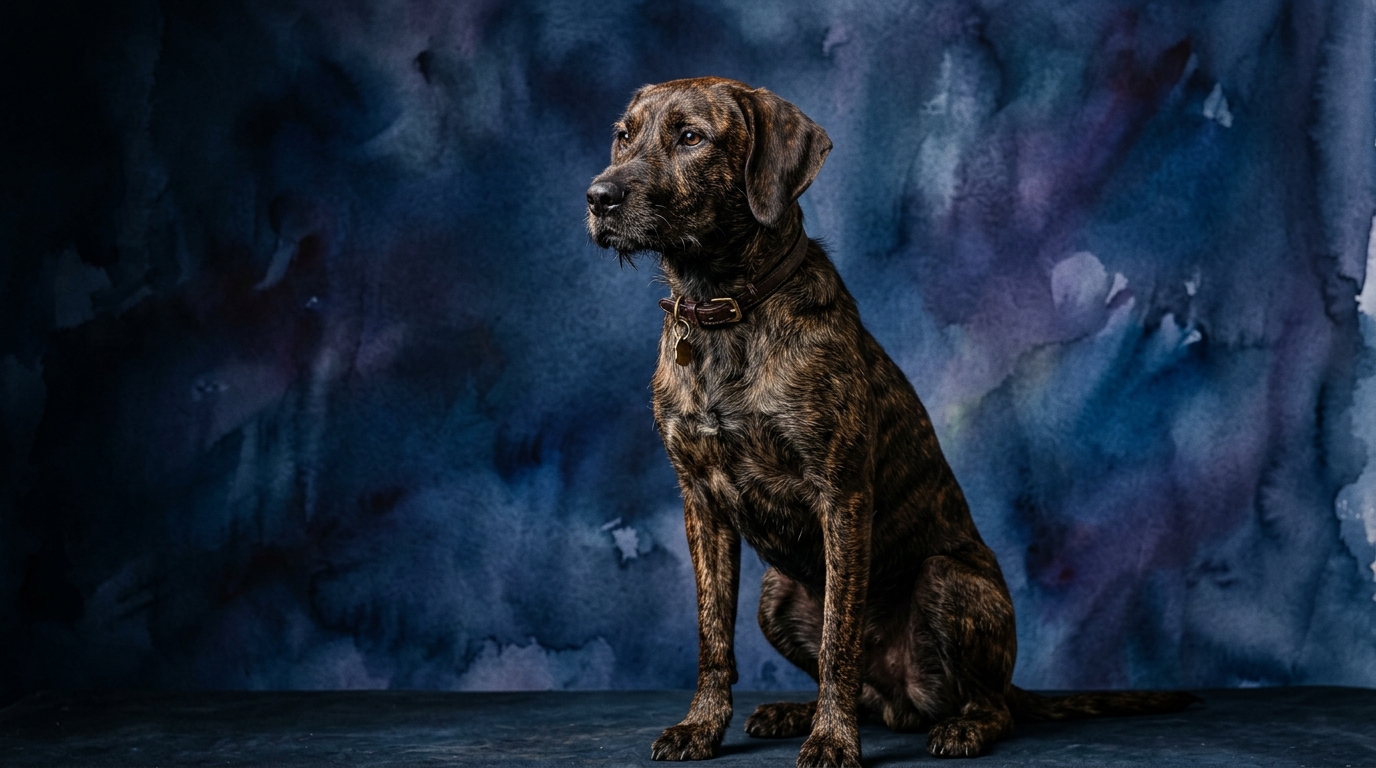
**Plott Hound (Not Coren-Ranked):**
**Problem Solving (3/5):** The Plott Hound's problem-solving is deeply tied to their hunting heritage, particularly scent work. They excel at deciphering complex scent trails, navigating challenging terrain to follow quarry, and using senses to piece together environmental clues. Their solutions are often physical and persistent, focused on pursuit.
**Training Speed (3/5):** Plott Hounds learn commands at a moderate speed, but their powerful scent drive is a significant distraction. While they understand instructions, their focus can easily divert, requiring patient, consistent, and highly motivating training. They learn best when training integrates their natural instincts.
**Social Intelligence (3/5):** Plott Hounds typically display a friendly, outgoing social intelligence, particularly within their pack (human or canine). They are adept at understanding pack dynamics and responding to social cues in cooperative contexts. With people, they are generally amiable and engaging, though focus can shift with a compelling scent.
**Instinctive Drive (3/5):** The Plott Hound's instinctive drive is overwhelmingly dominated by remarkable scenting ability and endurance. Their drive to track and "bay" at treed game is profound, shaping much of their physical and mental activity. This powerful instinct directs their attention, memory, and problem-solving efforts towards scent pursuit.
**Memory (3/5):** Plott Hounds exhibit strong memory, especially concerning scent trails and locations associated with hunting or interesting smells. They recall complex routes and outcomes of past scenting adventures, crucial for following and re-tracing trails effectively.
Where Scottish Terrier Wins Cognitively
While both breeds share a 3/5 rating in problem-solving, the Scottish Terrier often demonstrates a more independent, strategic approach to challenges not involving scent. Their terrier heritage cultivates a self-reliant wit, enabling them to devise clever solutions to access desired objects or navigate household rules. A Scottie might methodically test ways to open a cabinet or observe human behavior to understand a treat dispenser, exhibiting persistent ingenuity aimed at personal gain. This focused independence makes them adept at learning specific tricks or routines that benefit them, provided motivation is strong. Their memory, rated similarly, might manifest as sharper recall for specific objects or routines within their immediate, controlled environment, rather than expansive outdoor trails.
Where Plott Hound Wins Cognitively
The Plott Hound's cognitive strengths truly shine when their instinctive drive is engaged, particularly in scent-related tasks. Despite a shared 3/5 in problem-solving, a Plott Hound's ability to interpret and follow a complex, fading scent trail over varied terrain is a cognitive feat unmatched by the Scottie. This involves sophisticated sensory processing, spatial reasoning, and enduring focus, allowing them to mentally map an environment based solely on olfactory information. Their social intelligence, while also 3/5, is better suited for cooperative efforts within a 'pack' context. They possess remarkable capacity for sustained attention when a compelling scent is present, demonstrating a cognitive endurance the Scottie, with its shorter bursts of independent focus, does not typically exhibit. Their memory is particularly robust for scent profiles and geographical locations linked to successful tracking experiences.
Which Is Easier to Train and Why
Training speed is rated 3/5 for both, indicating a moderate learning curve, but practical ease of training diverges due to primary motivations. The Scottish Terrier, independent and often stubborn, can be challenging because compliance is conditional on what *they* perceive as valuable. They learn quickly if rewards are appealing or commands align with desires but ignore if deemed pointless. Their training demands immense patience, consistency, and creative methods to make compliance more rewarding than independence. In contrast, the Plott Hound’s training challenges stem from its powerful instinctive drive. While they learn commands, their nose often dictates attention. A compelling scent can override learned behaviors, making off-leash reliability difficult. For a Plott, training is easier when integrated into activities leveraging natural instincts, like scent work. Neither is 'easy,' but the *nature* of the difficulty differs: the Scottie challenges authority, while the Plott challenges managing powerful environmental distractions.
Which Suits Active Owners vs. Relaxed Owners
For owners with an active lifestyle, particularly those enjoying outdoor adventures or dog sports, the Plott Hound is often more fitting. Their exceptional endurance, powerful scent drive, and robust physical build mean they thrive on extensive exercise, long hikes, and activities like tracking or search and rescue. A Plott Hound requires consistent mental and physical stimulation to prevent boredom. A relaxed owner might find the Plott's demands overwhelming. The Scottish Terrier, while energetic in bursts and appreciative of daily walks, does not require the same sustained physical exertion. Their exercise needs are moderate, suitable for owners enjoying regular, but not marathon, outdoor activities. They are content with a comfortable indoor life, provided mental needs and territorial instincts are met through interactive toys and short training sessions. 'Relaxed' does not mean 'hands-off'; a Scottie's independent streak still demands consistent mental engagement and boundary setting.
The Verdict
Choose a Scottish Terrier if you appreciate a determined, independent companion with a sharp, self-serving wit, and you are prepared for consistent, engaging training to manage their terrier instincts in a moderately active household.
Opt for a Plott Hound if you lead a highly active lifestyle, enjoy extensive outdoor adventures, and are ready to channel their incredible scent drive and endurance into stimulating activities, understanding their strong instincts will guide much of their behavior.
🧠 Find Your Pet's IQ Score
Our Pet IQ Lab assessment covers 25+ tests across 5 cognitive dimensions — personalized to your breed.
Take the Full IQ Test →Frequently Asked Questions
Do Scottish Terriers and Plott Hounds have similar intelligence levels?
According to The Cosmic Pet Pet IQ Lab, both breeds are rated 3/5 across problem-solving, training speed, social intelligence, instinctive drive, and memory. While the scores are identical, the *application* and *manifestation* of these cognitive abilities differ significantly due to their distinct breed histories and purposes.
Which breed is better for obedience training?
Neither breed is inherently 'easier' for traditional obedience training due to their moderate training speed scores. Scottish Terriers can be stubborn and independent, requiring creative motivation, while Plott Hounds are easily distracted by their powerful scent drive, necessitating training that leverages their instincts and manages environmental stimuli.
How do their instincts impact their daily lives?
A Scottish Terrier's 3/5 instinctive drive translates to strong prey drive, digging, and territoriality, requiring secure environments and mental engagement. A Plott Hound's 3/5 drive is dominated by scenting ability and endurance, meaning they require extensive physical activity and opportunities for scent work to be content and well-behaved companions.